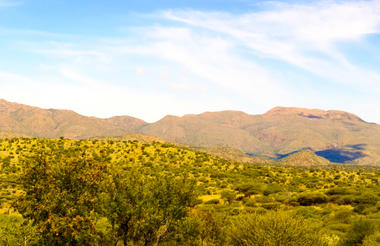
Namibia is a country of wide open spaces, calm surroundings and strong contrasts. The landscape ranges from the red dunes of the Namib Desert to the rocky hills of Damaraland and the open savannahs of the interior. Etosha National Park is one of Africa’s well-known wildlife areas, offering good game viewing around its natural waterholes. In the north-east, the scenery changes along the rivers, where greener vegetation forms a clear contrast to the dry regions. Along the Atlantic coast, regular fog creates a unique atmosphere. Namibia is known for its unspoilt nature, wide landscapes and close connection to the natural world.
Windhoek, Namibia’s capital, lies in the heart of the country amid the rolling Khomas Highlands, where wide skies and dry savannah frame a compact, orderly city. It blends German colonial heritage with contemporary African identity, creating a calm, understated atmosphere rather than a bustling metropolis. Landmarks such as Christuskirche and the Tintenpalast sit alongside modern civic buildings, while lively markets and cafés reveal everyday Namibian life. Visitors can explore museums, stroll shaded streets, or use the city as a gateway to the surrounding wilderness and safari regions. The air is often dry and clear, carrying the scent of dust and jacaranda blossoms, while distant hills glow at sunset. Windhoek offers a gentle introduction to Namibia’s landscapes and culture, with space, light and quiet defining its appeal.


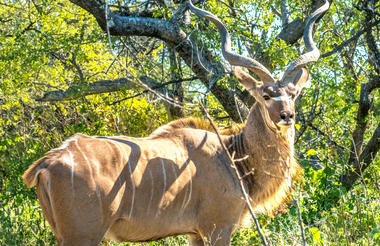
Spreading across Botswana, South Africa and Namibia, the Kalahari, meaning 'the great thirst', is an exceptionally beautiful living desert. The landscape is characterised by a large semi-arid sandy savannah, draped over a gently rolling inland sea of sand that covers most of Botswana and large parts of Namibia and South Africa. It is inhabited by the indigenous San people, with the modern world having enveloped all the other areas they once roamed. The Namibian portion is made up of red sands covered in thin, wispy, mostly golden grass and dotted with acacia trees and wide-ranging wildlife, including gemsbok, impala, jackals and cheetah.
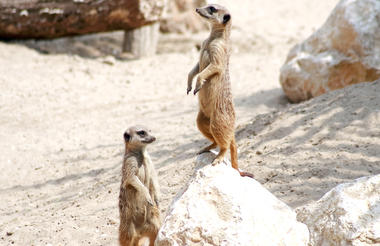
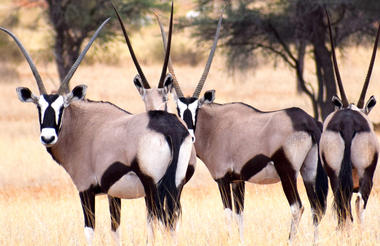
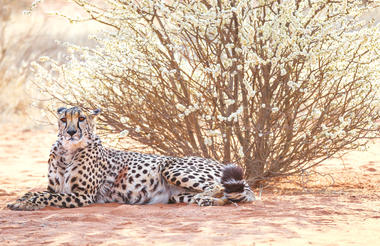
Neighbouring Botswana, in southeastern Namibia, the renowned Kalahari Desert spans over the spectacularly scenic landscape in the south which features small red-orange dunes, similar to those of the world-famous Sossusvlei. This semi-arid southern terrain is covered with a thin layer of golden savanna and forms part of the Kalahari Basin. This landscape of ancient dunes and yellow grasslands is home to an array of desert-adapted wildlife who call southern Kalahari home including: antelope, spotted hyena, cheetah, meerkat, ostrich, gemsbok, porcupine, the Kalahari lion and a large number of migratory birds. Visitors can discover centuries-old Bushmen paintings, soak up the magnificent views of the southern Kalahari and stay over in one of the many lodges in the area and enjoy nature walks, nature drives and horse riding.


Situated in the southern reaches of Africa, Botswana is renowned for its pristine wilderness areas characterised by deep lagoons, wetlands, lush palms, rugged hills and desert plains. The country’s primary tourist drawcard is undoubtedly the vast red expanse of the Kalahari Desert and its remarkably beautiful Okavango Delta, the largest inland delta in the world. These natural wonders provide a tranquil haven for an abundance of African wildlife to thrive. Other highlights include the impressive Makgadikgadi Salt Pans, where visitors are privy to massive zebra migrations during the flood season; the Savuti plains, which host a significant pride of lions; and the Tsodilo Hills, where 4500 rock paintings form a unique record of human settlement over many millennia.
Situated in the Kalahari Desert region of Botswana and South Africa, the Kgalagadi Transfrontier Park is an expansive wildlife preserve. One of the world’s last unspoilt ecosystems, the arid landscape is characterized by vast grasslands dotted with thorn trees, shifting red dunes and dry riverbeds. Visitors can look forward to viewing an abundance of wildlife including gemsbok, black-maned Kalahari lions, blue wildebeest, and migrating herds of wildebeest and springbok. Known as one of the best places in the world to spot big cats, visitors can look forward to catching a glimpse of the ever-illusive cheetah. Highlights include: game-viewing drives, hiking, 4x4 trails, guided walks with park rangers and photographic safaris. Bird enthusiasts can look forward to spotting an array of bird species. Don’t miss the incredible African sunsets over the quintessentially African landscape.


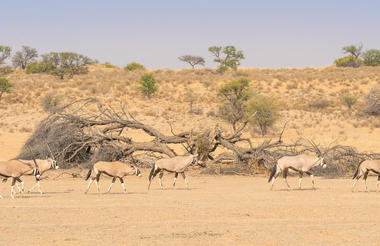
Namibia is a country of wide open spaces, calm surroundings and strong contrasts. The landscape ranges from the red dunes of the Namib Desert to the rocky hills of Damaraland and the open savannahs of the interior. Etosha National Park is one of Africa’s well-known wildlife areas, offering good game viewing around its natural waterholes. In the north-east, the scenery changes along the rivers, where greener vegetation forms a clear contrast to the dry regions. Along the Atlantic coast, regular fog creates a unique atmosphere. Namibia is known for its unspoilt nature, wide landscapes and close connection to the natural world.
Set amidst the arid terrain near Keetmanshoop are the ancient quiver trees, a striking Southern African phenomenon with twisted branches reaching towards the sky. These tall and photo-friendly trees, reaching up to eight metres, exhibit a unique dichotomous branching pattern, creating a distinctive candelabra-like silhouette. Slow-growing, some specimens in the forest are estimated to be 200-300 years old, thriving in the harsh climate by storing water in their thick trunks and fleshy leaves. Protected as a national monument in Namibia, the Quiver Tree Forest holds both ecological and cultural significance, with its smooth grey bark and fibrous wood once used by the San people for quivers. Nearby, the Giant's Playground, a geological wonder of large dolerite boulders, boasts a unique feature of appearing haphazardly stacked, as if by a giant child. A nearby rest camp provides a comfortable base for travellers keen to experience Namibia's surreal natural landscapes firsthand.


Carving out an epic rocky wonderland in southern Namibia, the Fish River has created Africa’s largest, and the world’s second-largest, canyon. Hot, dry and dramatic, the Fish River Canyon stretches for an astonishing 160 kilometres, reaching up to 27 kilometres wide and 550 metres deep. Its vast, rugged beauty draws visitors from across the globe. Adventurers can tackle the challenging 85 kilometre Fish River Hiking Trail, which winds through 1.5 billion years of geological history, while those seeking rest can soak in the mineral-rich hot springs of Ai-Ais or admire breathtaking views from Hobas Restcamp and other viewpoints along the rim. Scenic chartered flights, horse riding, nature drives, and seasonal kayaking complete this unforgettable Namibian experience.


Perched above the plains of the Namib Desert in the rocky Aus Mountains, the small village of Aus lies at the heart of phenomenal botanic diversity. Aus serves as an excellent base from which to see the area’s major attraction: the feral horses of the Namib Desert, which run wild and free in the sparsely vegetated plains. The best place for viewings is at the water trough at Garub, which lies just twenty kilometres away from Aus. Visitors can gain insight into the Succulent Karoo by visiting beautiful Gondwana Sperrgebiet Rand Park, home to the most biodiverse desert in the world. Don't miss the opportunity to camp under the famously clear Namibian night sky and experience the desert landscape on horseback.


Spanning more than 172,000 hectares and encompassing several distinct desert ecosystems, the NamibRand Nature Reserve in southern Namibia is one of the largest private nature reserves in Southern Africa. Founded to conserve the unique ecosystem and biodiversity of the Namib Desert, the reserve's mix of dunes, mountains, rocky outcrops, sandy flats, and gravel plains provides habitats for a diversity of mammals, including hyenas, jackals, foxes, antelopes, and various wild cats. The reserve is also home to numerous bird species, reptiles, insects, and amphibians, alongside an array of plant species. Discover the mysterious fairy circles, enigmatic bare patches in the desert landscape whose origins remain the subject of scientific debate, or enjoy a night of sublime stargazing; as Africa's first International Dark Sky Reserve, it is one of the least light-polluted areas in the world.
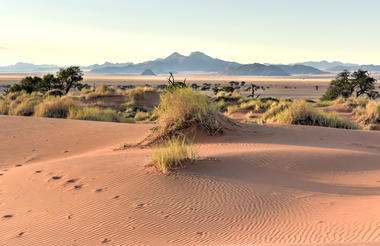
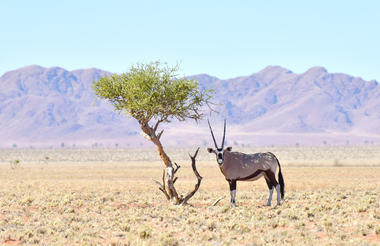
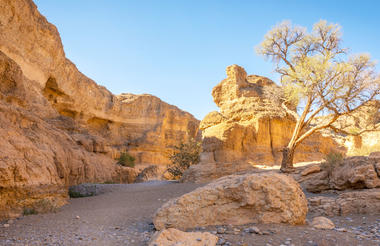
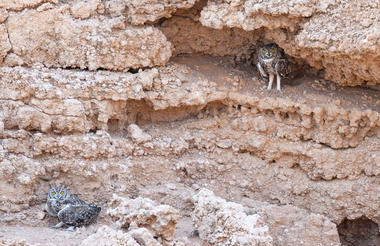
As there is no accommodation at Sossusvlei, visitors to this desert wilderness are likely to end up staying at Sesriem, 65 kilometres away, where camps and lodges serve as a base from which to explore the dunes. Sesriem Canyon, a deep chasm carved through the rocks by water, is a striking natural feature of the area that is best explored on foot. Stony walls rise up sharply on both sides of the canyon, while birds roost in its crags and lizards dart along the ledges. The canyon’s name was coined when early settlers used it as a water source, using six lengths of leather (‘ses riem – six thongs) tied together to lower buckets into the water at the base of canyon.)
Windhoek, the capital of Namibia, lies at the heart of the country, encircled by magnificent mountains, expansive valleys, and fertile farmlands. The landscape of the Greater Windhoek area surrounding this bustling city is characterised by vast valleys, thick scrub, rocky hills, and covered in golden savannah. Visitors can explore the dry river beds and mountainous scrublands, as well as enjoy birding, leopard-spotting and view large quantities of wildlife in the north; visit the more arid eastern part with its olive, potato, and date plantations; explore the rolling hills of the Khomas Hochland Mountains in the west of the Greater Windhoek area and soak up the epic views along a number of scenic passes leading off the high plateau, including Bosua Pass, Gamsberg Pass, and Spreetshoogte Pass.