Tanzania, the largest country in East Africa, includes the spice islands of Zanzibar, Pemba, and Mafia and contains Africa’s highest point—Kilimanjaro, at 5,895 meters (19,340 feet). Tanganyika, a British-controlled UN trust territory, gained independence in 1961; and Zanzibar, a British protectorate with an Arab population, became independent in 1963. Tanganyika and Zanzibar united to form Tanzania in 1964. Until resigning as president in 1985, independence leader Julius K. Nyerere guided two decades of socialism—adapted to the ujamaa policy of village farming. A multiparty system was established in 1992 after a constitutional amendment. Some 80 percent of Tanzanians farm or fish at subsistence levels; in many areas tse-tse fly infestation hampers successful animal husbandry. Tourism remains important. Dar es Salaam is the administrative capital, but Dodoma is the current home to Tanzania’s legislature.
Imposing cone-shaped hills cradle tranquil calderas in the enchanting Ndali-Kasenda Crater Lakes in Western Uganda near Kibale Forest and Queen Elizabeth National Parks. Formed about 8-10,000 years ago by volcanic activity, these craters now hold a variety of lakes. Some boast clear, blue water, while others remain emerald green with a sulfuric odour due to residual volcanic gases. Lush vegetation cloaks the crater rims, offering views of nearby hills, tea plantations, and even the Rwenzori Mountains on clear days. While some lakes are safe for swimming, others contain toxic water and should be avoided. Activities around the lakes include nature walks, boat rides, bird-watching and visiting the "Top of the World" viewpoint for panoramic vistas.

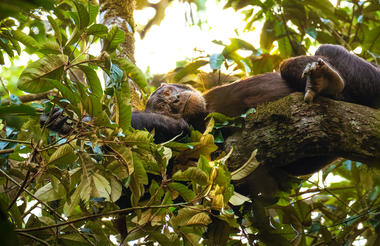

Located in southwestern Uganda, the Bwindi Impenetrable National Park is said to be Africa’s oldest rainforest. It is world-renowned for its excellent gorilla-sighting opportunities - the forest is home to half of the remaining mountain gorillas on earth. This gorilla experience takes place among a rugged landscape of dense jungle, cascading waterfalls, sparkling mountain streams, deep valleys, and steep ridges. The untouched forest has been declared a UNESCO World Heritage Site for its breathtaking natural beauty and unique ecological significance. Aside from the amazing gorilla interactions, there are other drawcards such as a network of forest walks, over 340 species of bird to spot, and a variety of brightly-coloured butterflies to identify.


As previously described