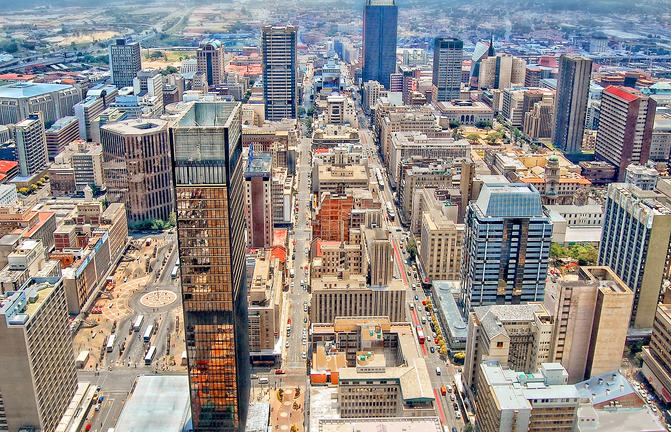
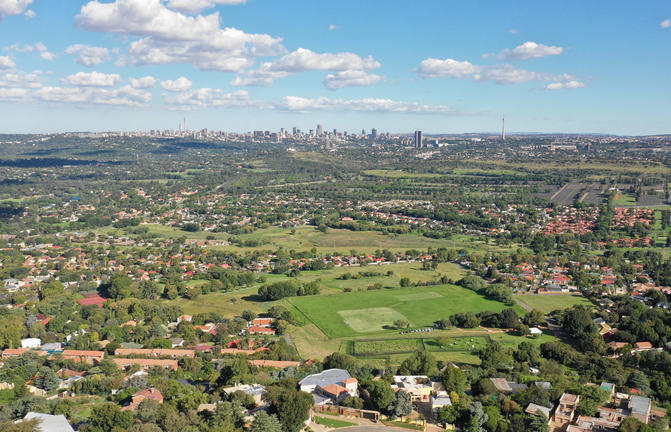
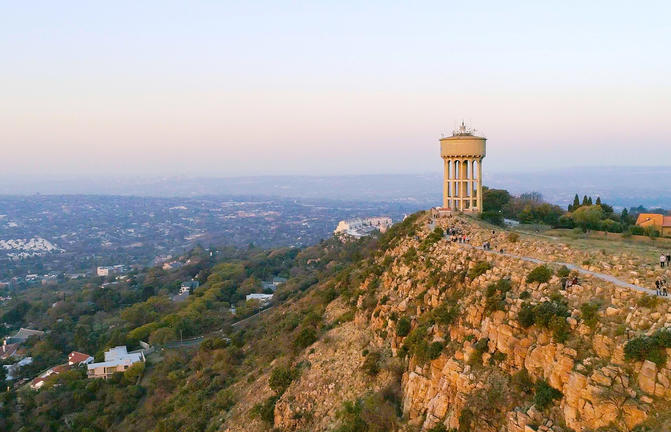
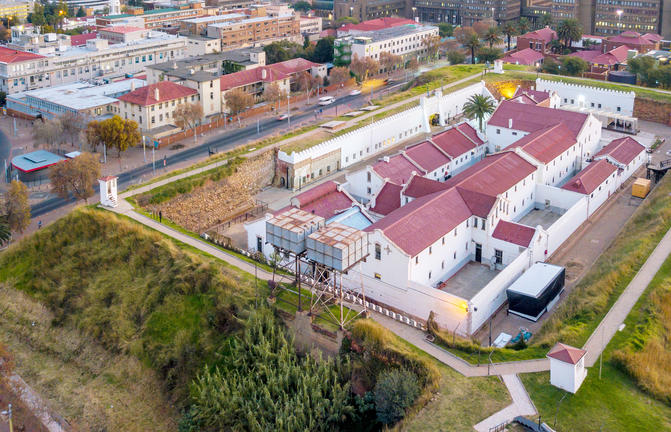
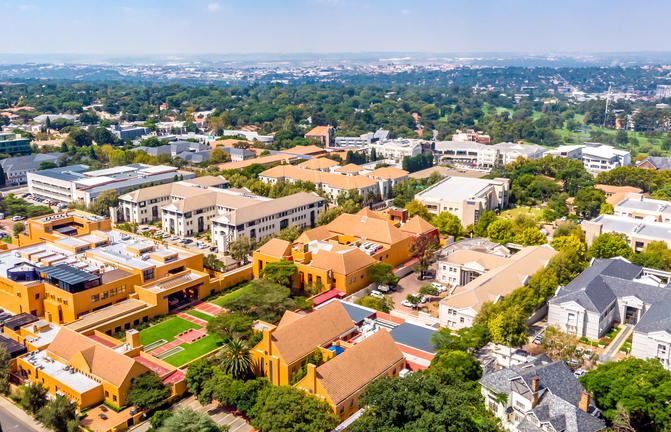
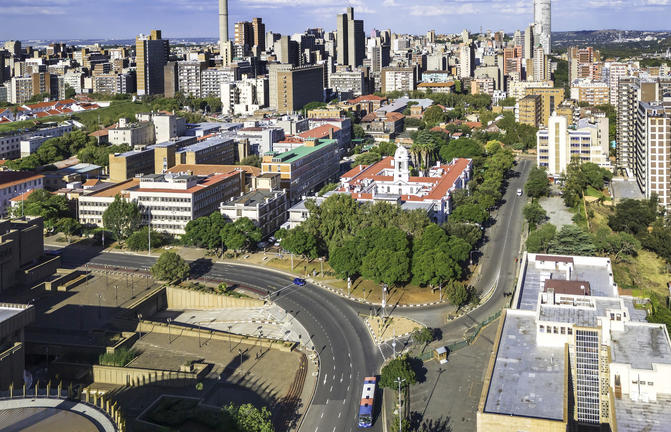
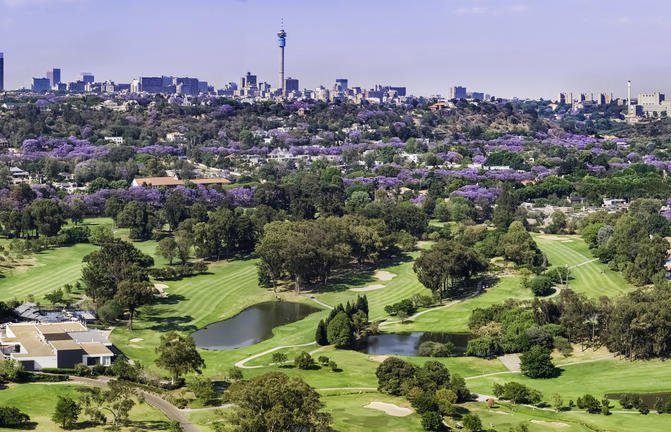
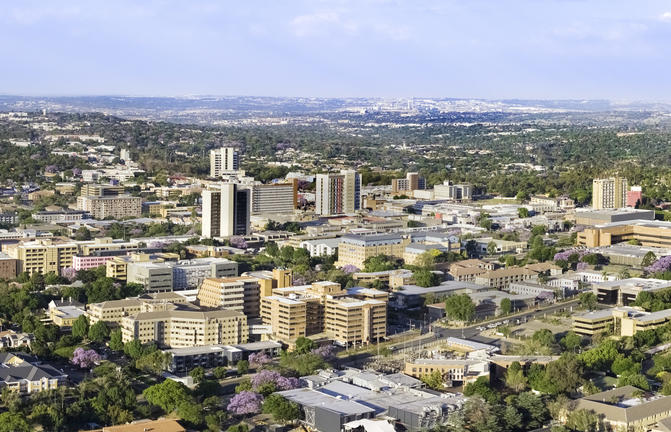
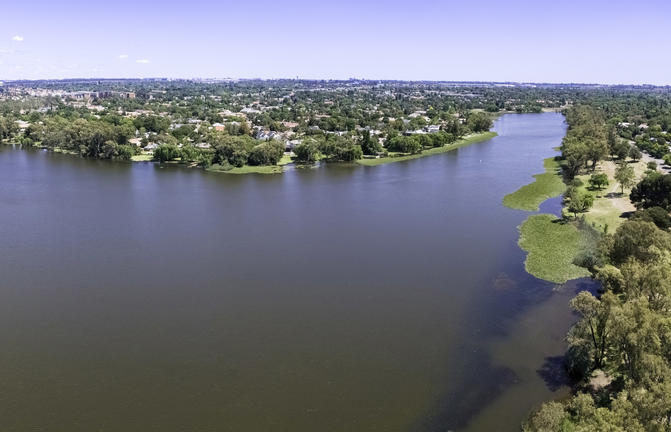
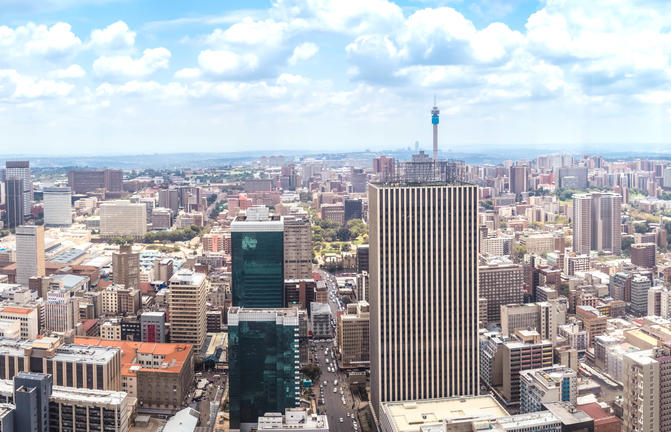
South Africa's largest city doesn't really get the credit it deserves. Sure, it doesn’t have the mountain backdrop of Cape Town, but the sprawling suburbs and neighborhoods are some of the most dazzling and evocative on the whole continent. The center buzzes with energy and flashing lights, while outer suburbs reveal the city's remarkable emergence when gold was discovered in 1886. The old city is a multi-cultural mixture of traditional medicine shops, Chinese restaurants, taxi ranks and ultra modern skyscrapers. Officially, Soweto is the world's second largest slum, yet it's surprisingly developed and very safe if visited on a tour. Nelson Mandela and Desmond Tutu both lived on the same street here and excellent museums recount their fight against apartheid. Having said that, a trip to Soweto is worth it just for the wonderfully colorful and welcoming locals. The shopping is Southern Africa’s best and the many restaurants cater for all tastes.
Situated on the southern edge of the Okavango Delta in northwestern Botswana, Maun is a laid-back safari town known as the gateway to one of Africa’s most remarkable wilderness regions. Dusty streets, scattered palms, and the slow-moving Thamalakane River give the town a relaxed frontier atmosphere, where safari vehicles and small bush planes are part of daily life. Travellers come to experience mokoro excursions through reed-lined delta channels, scenic flights above shimmering floodplains, and wildlife safaris into nearby game reserves. While Maun itself is functional rather than polished, its blend of local culture, open landscapes, and close access to untamed wilderness makes it an atmospheric and rewarding base for exploring the Okavango region.


Adventurous travellers seeking a truly remote African safari will be thrilled to discover it in central Botswana. The Central Kalahari Game Reserve is the second largest game reserve in the world and one of the least visited, nothing can prepare you for the sheer wonder of exploring this vast reserve with its wild, untouched beauty. The landscape is dominated by sand veld, acacias, and Kalahari apple-leaf, interspersed with grasslands and dotted with occasional sand dunes, pans and fossil river valleys. While the reserve is home to an impressive variety of wildlife, there is one animal that is rather obviously absent, the human being. It is this lack of human traffic, combined with the park’s lack of infrastructure, that makes for a challenging and marvellously authentic African experience.
https://www.youtube.com/watch?v=PT6qoijggkI&t=71s
There are only a few lodges and are very nice!
Situated in the northwestern corner of Botswana, the Okavango Delta is a World Heritage Site as it is the largest inland delta in the world. The magnificent Okavango River sprawls out over the dry sands of the Kalahari Desert forming this flourishing waterlogged oasis featuring countless meandering waterways and crystal clear lagoons studded with water lilies, as well as fertile floodplains and reeded islands inhabited with abundant wildlife. The Okavango Delta stretches over an impressive15000 square kilometres. Visitors can enjoy a number of wonderful activities such as game viewing, fishing, bird watching or taking an authentic guided Mokoro excursion through this wetland paradise in a traditional dugout canoe. Commonly spotted animals include: lion, rhino, leopard, giraffe, hippos, elephants, crocodiles and countless species of bird.


As previously described
Whether arriving by air or road, the first glimpse of the river – deep and dazzling in the sandy terrain – is always breathtaking. It appears as a swathe of brilliant, peacock blue ribbon, winding its way through the tiny town of Kasane, and ensuing wilderness – the Chobe National Park. Undoubtedly one of Africa’s most beautiful rivers, the Chobe supports a diversity and concentration of wildlife unparalled anywhere else in the country.
https://www.youtube.com/watch?v=LPcYc4RP5ls
Established in 1968, the park covers approximately 11 7 00 sq kms, encompassing floodplains, swamps and woodland. The Chobe River forms its northern boundary and is the most accessible and frequently visited of Botswana’s big game country, the Chobe Riverfront is most famous for its large herds of elephants and cape Buffalo, which during the dry winter months converge upon the river to drink. During this season, on an afternoon game drive, you may see hundreds of elephants at one time. You may be surrounded by elephants, as the main Serondella road becomes impassable and scores of family herds cross the main road to make their way to the river to drink, bathe and play.
Driving the loops that hug the river’s edge, you may see up to 15 different species of animals on any one game drive, including waterbuck, lechwe, puku (this is the only part of Botswana where they can be seen), giraffe, kudu, roan and sable, impala, warthog, bushbuck, monkeys and baboons, along with the accompanying predators: lion, leopard, hyena and jackal.
Take a river cruise – and you’ll experience the park, and the animals, from another vantage point. Here you’ll get up close and personal with hippo, crocodile and a mind-boggling array of water birds.
Over 460 bird species have been recorded in the park, making it one of Africa’s premier venues for bird Safaris. Common species to be seen include the Sacred ibis, Egyptian Geese, the ubiquitous Cormorants and Darters, Spur-Winged Geese, Pel’s Fishing Owl, Carmine Bee-eaters, most members of the Kingfisher family, all the Rollers, the unmistakable Fish Eagle, the Martial Eagle, and many members of the Stork family.
The Chobe River rises in the northern Angolan highlands, travels enormous distances before it reaches Botswana at Ngoma. Like the Okavango and Zambezi rivers, the Chobe’s course is affected by fault lines that are extensions of the Great Rift Valley. These three mighty rivers carry more water than all other rivers in Southern Africa.


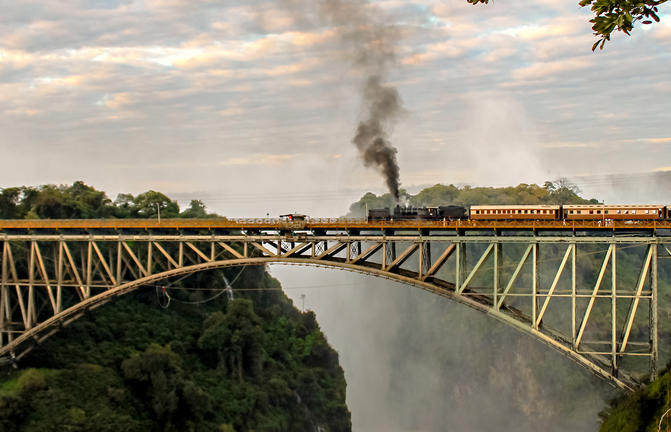
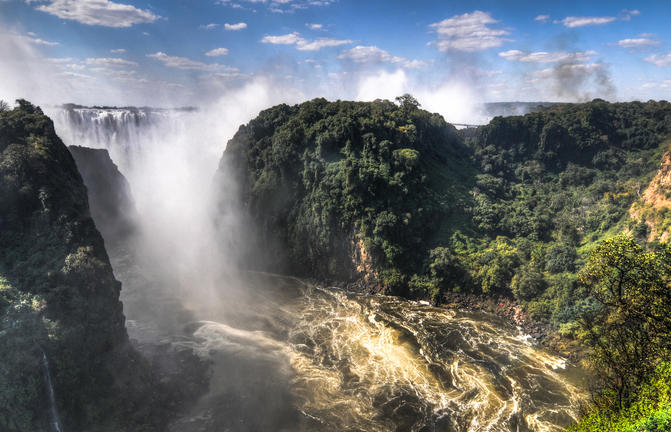


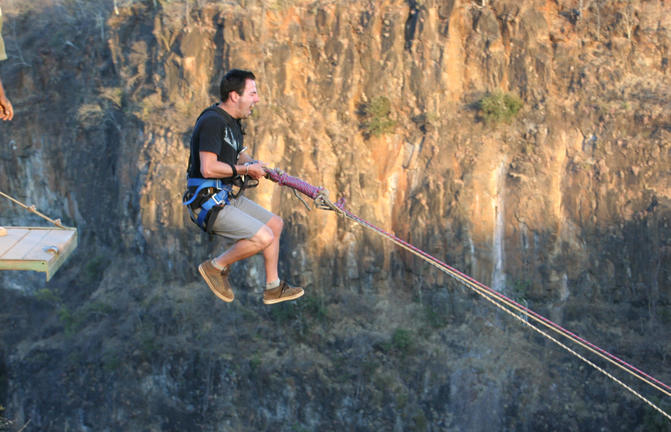
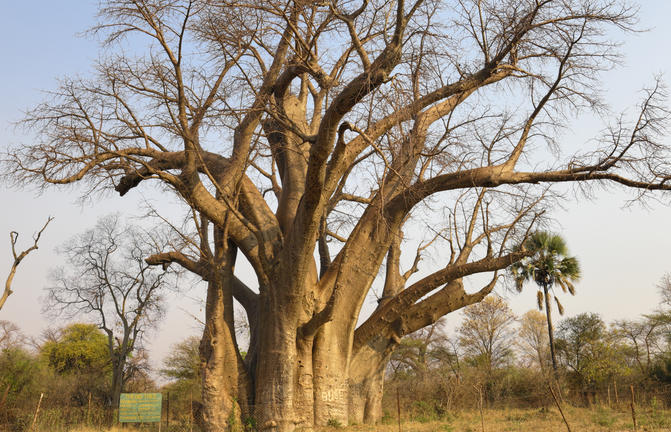

Victoria Falls also known as "Mosi oa-Tunya" ("the smoke that thunders") is positioned almost exactly half way along the mighty Zambezi River's 2700 km journey from it's source to the sea. Here the river plunges headlong into a 100m vertical chasm spanning the full one-and-a-half kilometre width of the river. Creating the biggest curtain of falling water in the world and also one of the seven natural wonders of the world.
https://www.youtube.com/watch?v=XCXPRtPnUac
The power of the falls is awesome with the highest ever flow recorded in 1958 when it reached more than 700 000 cubic meters of water a minute. The water in the gorges rose 18 metres (60 feet) above its normal flood level.
This constant pounding by the currents of the mighty Zambezi has, over the millennium, cut through the rock faults and fissures and carved out not one but eight successive precipices (and now the ninth has begun). When our early ancestors inhabited this area some 1.5 million years ago , they would have seen a different Victoria falls to he one we see today.
Being one of the greatest physical spectacles in Africa it stands to reason that it has attracted so much much interest from us humans over time and therefore the area is steeped in history and mystery.

