
iSimangaliso is a name that sets high expectations; in Zulu, it means 'miracle' or 'the best thing you will ever see.' Centred around the Lake St Lucia lagoon system, it was declared South Africa’s first UNESCO World Heritage Site in 1999. The park is a breathtaking mosaic of ecosystems, ranging from pristine beaches and coral reefs to grasslands, dune forests, and vast wetlands.
The park is home to exceptional biodiversity, including over 500 bird species—making it a haven for birdwatchers. As Africa’s largest estuarine system, it also contains the continent’s southernmost coral reefs. In recent years, the wildlife experience on the eastern shores has been further enhanced by the successful reintroduction of elephants and buffalo.
There is a wealth of attractions to explore within iSimangaliso:
Unique Landscapes: Visit the highest forested sand dunes in the world for spectacular views over the ocean and the hinterland.
Marine Marvels: Spot whales, dolphins, and whale sharks in the Indian Ocean, or witness sea turtles nesting on the protected shores.
Boat Safaris: Take a cruise on Lake St Lucia to observe hippos and crocodiles in their natural environment.


The UNESCO protected Maputaland Marine Protected Area is situated along the pristine northeast coast of South Africa and forms a vital part of the iSimangaliso Wetland Park. This unique sanctuary stretches from the Mozambique border in the north down to Sodwana Bay in the south. The region encompasses three exceptional protected areas: Lake Sibaya Nature Reserve, Kosi Bay Nature Reserve, and Rocktail Bay. Visitors are surrounded by a spectacular landscape of lush coastal forests, vast wetlands, and crystal clear lakes, bordered by endless golden beaches and vibrant coral reefs.
The ecological diversity of Maputaland is world class. It remains one of the few places on Earth where giant Leatherback and Loggerhead turtles come ashore to nest. Lake Sibaya, South Africa's largest natural freshwater lake, is home to significant populations of hippo and Nile crocodile amidst a wealth of birdlife and rare fish species. For those seeking adventure, the area offers incredible activities such as snorkeling and diving at the world renowned reefs of Sodwana, boat cruises through the Kosi Bay estuaries, or scenic coastal hikes that truly showcase the untouched beauty of Maputaland.


Named after the thorny climbers once found in abundance along the Hluhluwe River, the town of Hluhluwe is perfectly sandwiched between the iSimangaliso Wetland Park and the Hluhluwe-iMfolozi Park. This prime location ensures that visitors are treated to incredibly scenic surroundings and world-class opportunities to view the Big Five.
The region is also the heart of South Africa’s pineapple production, making it a treat for those who enjoy fresh, local fruit. Beyond traditional safaris, Hluhluwe offers a wide array of activities including boat trips, canoeing, horseback riding, and mountain biking. Whether you are exploring the dense bush or the nearby coastal waters, the area provides a diverse and thrilling outdoor experience.
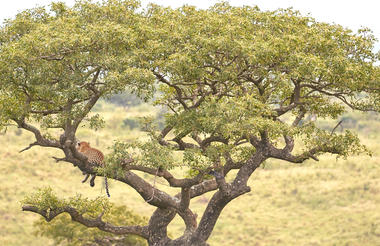

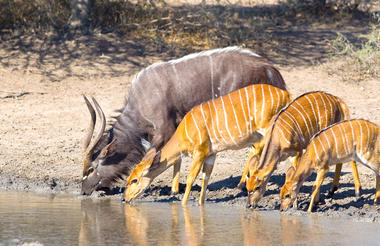
The province of KwaZulu-Natal (KZN) is steeped in a turbulent history. Its picturesque landscape, characterized by rolling hills and rugged rock formations, is dotted with historic battlefields that tell the stories of the Zulu Civil Wars and their fierce clashes with both the Boers and the British.
Legendary Zulu Wars
The most famous and frequently visited sites are undoubtedly the battlefields of Isandlwana and Rorke's Drift. Taking place on the exact same day in 1879, these epic battles firmly cemented the Zulus' reputation as one of history's most formidable warrior nations.
The Anglo-Boer War
Visitors can also explore the significant Anglo-Boer War battlefields, including the infamous hill of Spioenkop, Colenso, and the sites surrounding the Siege of Ladysmith. A fascinating historical footnote is that these very arenas brought together world-renowned figures such as Winston Churchill, General Louis Botha, and Mahatma Gandhi on the exact same historical stage.


The Kalahari, a name derived from the Tswana word meaning "the great thirst," is a vast semi-desert covering approximately 900,000 km² . Although often referred to as a desert, it receives significantly more rainfall than a true desert, resulting in a diverse landscape that transitions from sandy dunes to grassy steppes and savannas. The region supports a wide array of wildlife, including lions, hyenas, various antelope species, and the ever-watchful meerkats and baboons.
The oldest inhabitants of this arid wilderness are the San (Bushmen), whose ancestral knowledge and survival techniques remain an integral part of the region's identity. Due to Namibia's sparse population and minimal cloud cover, the Kalahari is also world-renowned for its stargazing. With virtually no light pollution, the night sky reveals a brilliant tapestry of stars and constellations that becomes visible the moment the sun dips below the iconic red horizon.


As previously described
Sesriem is a small but vital settlement located on the edge of the Namib-Naukluft National Park, serving as the primary gateway to the world-famous Sossusvlei. The name "Sesriem" is steeped in the history of early pioneers, who had to join six ("ses") leather thongs ("riems") together to reach the water at the bottom of the nearby canyon. This Sesriem Canyon, carved over millions of years by the Tsauchab River, remains a fascinating geological landmark where visitors can walk through narrow chasms and view ancient sedimentary rock layers.
While Sesriem serves as the central hub for accommodation and park permits, its main draw is the access it provides to the heart of the Namib Desert. From here, the road leads to the iconic red dunes of Sossusvlei, some of the highest in the world, rising over 200 metres above the desert floor. Another nearby highlight is Deadvlei, a stark white clay pan dotted with ancient, sun-blackened camel thorn trees that have stood for over 900 years.


Swakopmund is a charming coastal town situated on the Atlantic Ocean, where German colonial influences meet spectacular desert landscapes. This unique combination offers a one-of-a-kind travel experience. Below are the key highlights and features of Swakopmund:
German Colonial History Swakopmund still displays clear traces of its German colonial past, dating back to the early 20th century. The city's architecture, featuring timber-framed buildings and German street names, creates a nostalgic atmosphere. Landmarks such as the Alte Kaserne building and the Swakopmund Museum are excellent places to delve into the local history.
Adventure Activities Widely known as the adventure capital of Namibia, Swakopmund offers a vast range of thrilling activities. Travellers can enjoy sandboarding on the Namib Desert dunes, quad biking, skydiving, and deep-sea fishing. Due to strong coastal winds, the town is also a premier destination for kiteboarders and windsurfers.
Namib Desert Swakopmund serves as the perfect gateway for exploring the breathtaking Namib Desert, famous for its surreal landscapes such as the Sossusvlei dunes and Deadvlei. Visitors can admire stunning sunrises and sunsets over the orange sands or take guided walks to discover the area’s unique flora and fauna.
Kuiseb River Canyon Located just outside Swakopmund, the beautiful Kuiseb River Canyon is well worth a visit. This gorge is famous for its extraordinary geological formations and provides opportunities to spot wildlife such as oryx, springbok, and jackals.
Cafés and Restaurants The town boasts a diverse culinary scene where German and Namibian flavours blend with international cuisine. Be sure to try local specialties like schnitzel and ostrich steak, alongside an abundance of fresh seafood.
Tug Restaurant: Famous for its exceptional seafood and stunning location right on the ocean, this restaurant is housed in an actual tugboat. It offers a relaxed yet special atmosphere, perfect for a romantic dinner overlooking the Atlantic.
Jetty 1905: Situated at the end of the historic Swakopmund pier, this restaurant offers breathtaking panoramic views of the ocean. Jetty 1905 serves a sophisticated menu featuring fresh local ingredients. With its elegant and welcoming ambiance, it is the ideal spot to watch the sun sink into the sea during a special occasion.


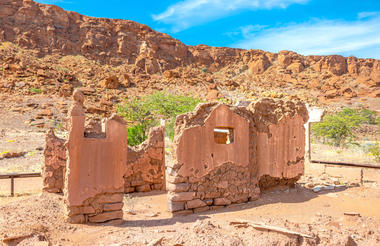
Situated in the rugged Kunene Region of northwestern Namibia, Twyfelfontein is home to one of Africa’s most significant concentrations of rock art. The name, which translates to 'Doubtful Fountain,' was coined by a colonial farmer who questioned the reliability of the natural spring in the Huab Valley. However, for the Stone Age hunters and gatherers who inhabited the area thousands of years ago, this valley—flanked by sandstone table mountains—was a sacred site of immense spiritual importance.
Recognised as a UNESCO World Heritage site, Twyfelfontein is world-renowned for its extensive collection of rock engravings (petroglyphs). Unlike sites that feature only paintings, here, majestic animals such as elephants, rhinos, and giraffes are expertly carved into the rust-coloured rock. Visitors can explore more than thirty ritual sites that offer a fascinating glimpse into the shamanic traditions of the San people. Beyond its archaeological wonders, the area offers a spectacular natural setting, with shaded campsites along the Aba-Huab riverbed—a prime location for spotting Namibia’s elusive desert-adapted elephants.
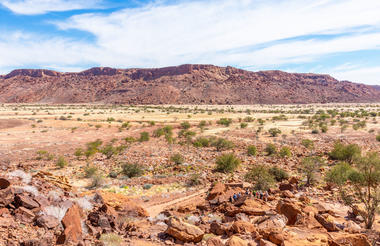
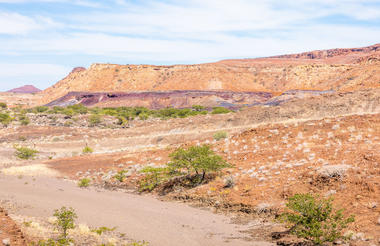
Conveniently located just a few hours' drive from Windhoek, the Erongo Mountain Range rises from the plains between the towns of Omaruru and Karibib. This area is home to a remarkably rich natural heritage and serves as one of Namibia’s most popular wilderness destinations. Its rugged landscapes and massive granite formations captivate visitors with spectacular scenery and caves adorned with ancient rock art.
The region supports an impressive variety of wildlife. Within the surrounding conservancies and valleys, visitors can spot predators such as leopards and cheetahs, alongside giraffes and a wide array of plains game, including kudu, oryx, and eland. Mountain zebras and warthogs are also frequently seen roaming the rocky terrain. With over 200 bird species and a unique ecosystem, the Erongo Mountains offer a diverse and peaceful experience for every nature enthusiast.


Windhoek, the vibrant capital of Namibia, is nestled within a stunning valley basin at an altitude of 1,650 metres. As the heart of the nation, the city is surrounded by the impressive Auas Mountains to the southeast, the Eros Mountains to the northeast, and the Khomas Hochland to the west. With a population of over 300,000, it is Namibia’s largest city, where modern skyscrapers blend seamlessly with German colonial architecture.
The city’s history is deeply intertwined with its natural hot springs. The Nama people originally called the area Ai-Gams (Fire Water), while the Herero knew it as Otjomuise (Place of Steam). The modern name "Windhoek" is believed to have been introduced by early Afrikaner settlers, possibly inspired by the Winterhoek Mountains in South Africa.
Today, Windhoek is a clean and cosmopolitan city that welcomes visitors with excellent restaurants, lively beer gardens, and diverse cultural attractions.
Christuskirche: The city's most iconic landmark, a German Lutheran church built from local sandstone.
Alte Feste: The oldest building in the city, a former fort that now serves as a repository for national history.
Joe’s Beerhouse: A world-famous restaurant with a quirky collection of memorabilia, renowned for its game meat and local brews.
Independence Memorial Museum: A modern museum detailing Namibia’s long road to freedom and independence.


Franschhoek, literally meaning the "French Corner", is one of the oldest and most picturesque towns in the Western Cape. Nestled in a lush valley and surrounded by majestic mountains, the village exudes an undeniable historic charm.
Huguenot Heritage: In the 17th century, French Huguenots settled in this area, bringing with them their rich winemaking traditions that laid the foundation for today's world-renowned vineyards. The local Huguenot Museum tells the fascinating story of these early pioneers.
Historic Streets: The town centre is perfect for a leisurely stroll. Set against a backdrop of beautifully preserved Victorian and Cape Dutch architecture, you will find a wealth of art galleries, elegant boutiques, and antique stores.
Culinary Capital: Franschhoek is internationally acclaimed as South Africa's premier gastronomic destination. The town is brimming with award-winning restaurants where you can enjoy exquisite cuisine paired with exceptional local wines, often accompanied by breathtaking views of the surrounding vineyards.


Wilderness is a charming seaside village located on the famous Garden Route. The village is nestled between the Kaaimans River and the Goukamma Nature Reserve. Its long white sandy beach combined with rugged green mountains makes this destination unique. The weather in Wilderness is pleasant year-round, as temperatures rarely drop below 8 degrees, resulting in warm summers and mild, sunny winters.
Wilderness was also the home of former President P.W. Botha, who lived here until 2006.
The Kaaimans River is also known as the Keerom River (Turn-around River). It earned this name because travellers with horse-drawn carriages sometimes had to wait weeks to cross the river. In many cases, they simply turned around to find an alternative route.
Serendipity Restaurant Fine dining | Dinner
If you want to treat yourselves to a special evening, I highly recommend dining at Serendipity. It is essential to book a table in advance via the link below. Do not wait too long, as it is also holiday season for the locals and tables book up quickly.
Address: Freesia Ave, Wilderness, 6560, South Africa
The Green Shed Coffee Roastery Lunch | Café | Cake
Besides being a great café, this little roastery is a lovely attraction in its own right. It is a fantastic spot to stop for a coffee and cake or a delicious light lunch.
Address: 3 Leila's Ln, Wilderness, 6560, South Africa
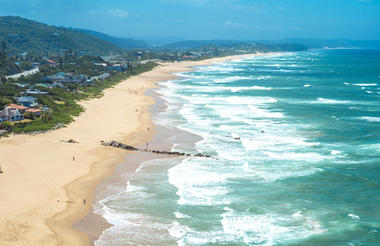


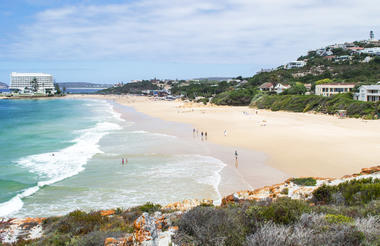
Welcome to Plettenberg Bay: where beauty and adventure go hand in hand! As a true jewel of the South African coastline, Plettenberg Bay is waiting to be discovered. Situated along the world-famous Garden Route, it is a destination that captivates both nature lovers and adventurers with its breathtaking landscapes and thrilling activities.
Discover natural splendour: A coastal paradise
Plettenberg Bay enchants with its diverse natural beauty. From expansive white beaches to lush, verdant forests, this is a place where nature truly sets the tone. The Robberg Nature Reserve, a dramatic peninsula jutting into the ocean, offers hiking trails with incredible vistas and the chance to spot seals, dolphins, and whales.
Explore the tranquil lagoons and spend your morning with dolphins while kayaking on the calm waters. Hikers and adventurers can enjoy various trails winding through the surroundings, while surfers will find the waves of Plettenberg Bay perfect for a world-class ride.
A hub of relaxation and fun
The laid-back atmosphere makes Plettenberg Bay the ideal spot to unwind. You can lounge undisturbed on the beach as the sun warms you and the gentle breeze clears your mind. If you are looking for more variety, explore the vibrant shopping streets, taste locally caught fish in the restaurants, and enjoy the bustling nightlife.
For those seeking a touch of excitement, the area surrounding Plettenberg Bay offers adrenaline-pumping activities such as bungee jumping from the nearby Bloukrans Bridge—the highest commercial bungee jump in the world. Whether you visit for serenity or for a rush of adrenaline, a trip to "Plett" promises an unforgettable experience!
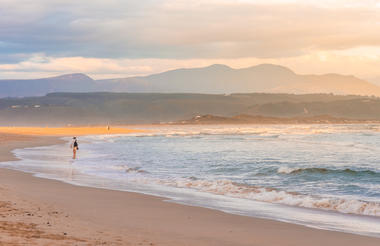
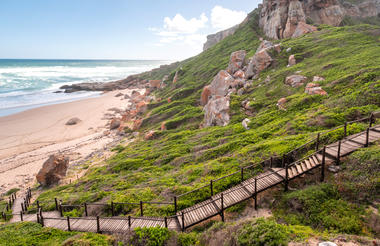
The Little Karoo (Klein Karoo) is a vast valley in the Western Cape, nestled between the imposing Swartberg Mountains to the north and the Langeberg range to the south. This region is world-renowned for its scenic beauty and unique contrasts: while the surrounding landscape is semi-desert, rivers flowing from the mountains transform the valleys into lush, green oases.
The region offers an impressive variety of natural and cultural attractions:
Majestic Mountains: Explore the awe-inspiring mountain passes and deep gorges of the Swartberg range, considered among the most beautiful in South Africa.
Cango Caves: Marvel at the mystical stalactite and stalagmite formations in this extensive underground cave system.
Oudtshoorn: Visit the "ostrich capital of the world" and learn about these fascinating birds at one of the many local farms.
Langkloof Valley: Enjoy the sprawling fruit orchards that burst into beautiful blossoms during the spring.
Beyond the main attractions, the Little Karoo is a haven for foodies and culture enthusiasts. The annual Klein Karoo National Arts Festival (KKNK) brings music, drama, and art to the heart of the region. In the historic towns, you can immerse yourself in South Africa’s rich heritage and enjoy exceptional local cuisine. Nature lovers also have much to look forward to; keep an eye out for bat-eared foxes, playful meerkats, or listen for the distinctive call of the barking gecko at dusk.

The picturesque heritage town of Swellendam is nestled at the foot of the Langeberg Mountains and stands as the third oldest town in South Africa. Idyllically situated in the scenic Overberg region, it serves as an excellent base for exploring the stunning surrounding landscapes, including the Little Karoo in the hinterland. The streets are lined with beautifully restored Cape Dutch buildings dating back to 1745.
Visitors can explore the landmark Dutch Reformed Church and the Drostdy Museum complex, or head out to the nearby nature reserves. Local farm stalls are a highlight, offering a variety of home-made jams, liqueurs, and baked goods. Other popular activities in the area include hiking, kayaking, horseback riding, and game viewing, while the clear night skies provide exceptional opportunities for stargazing.


