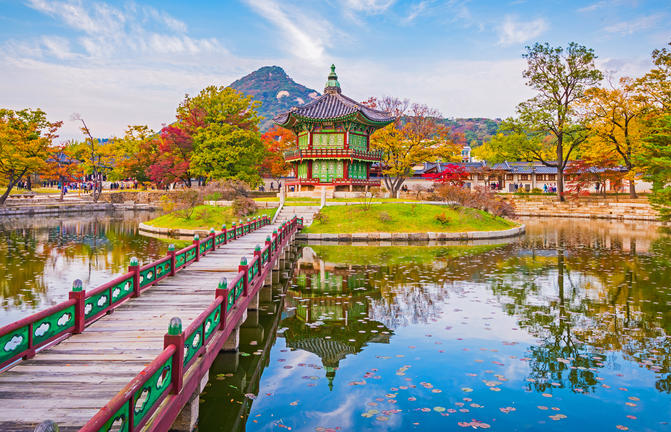
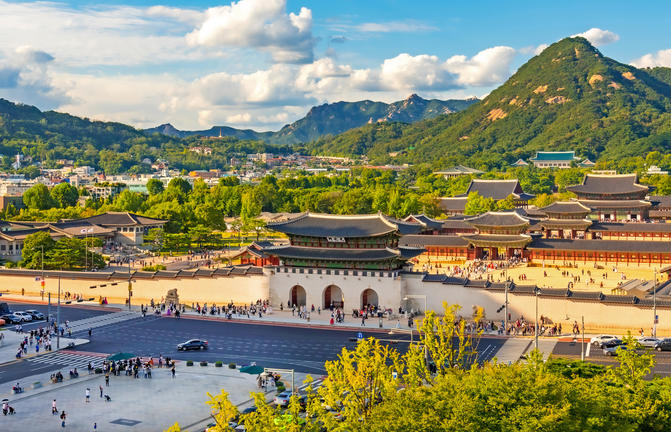
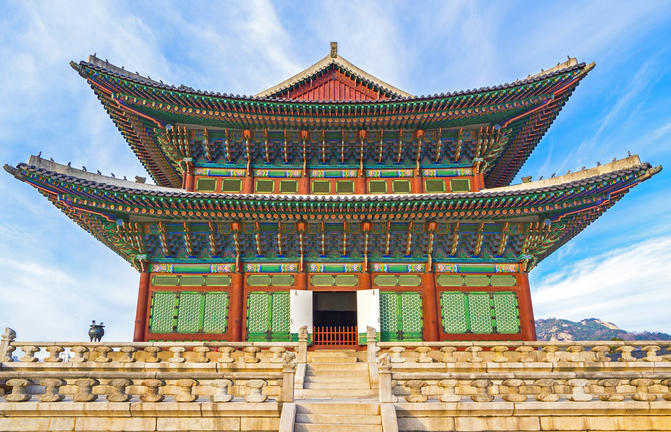
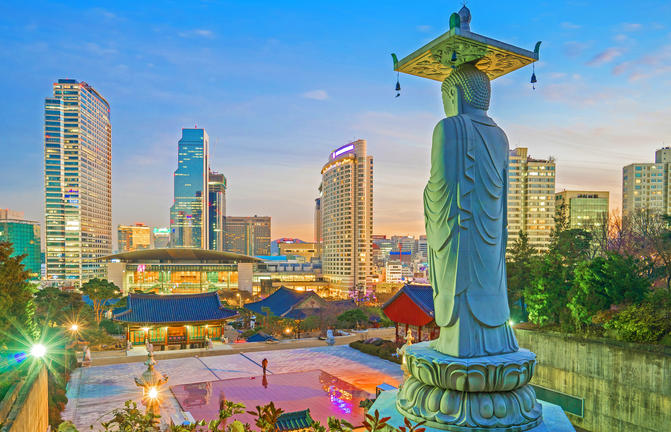
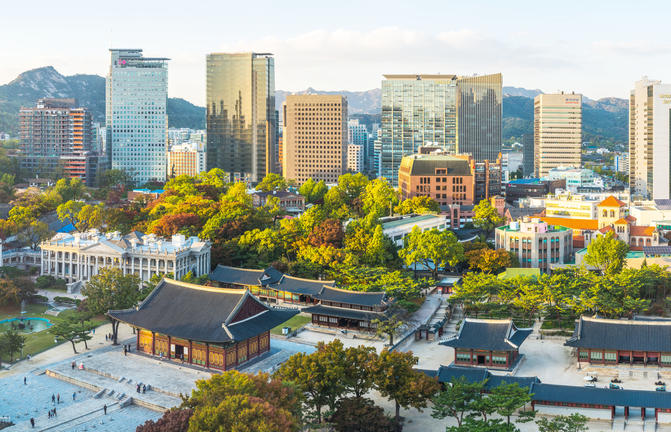
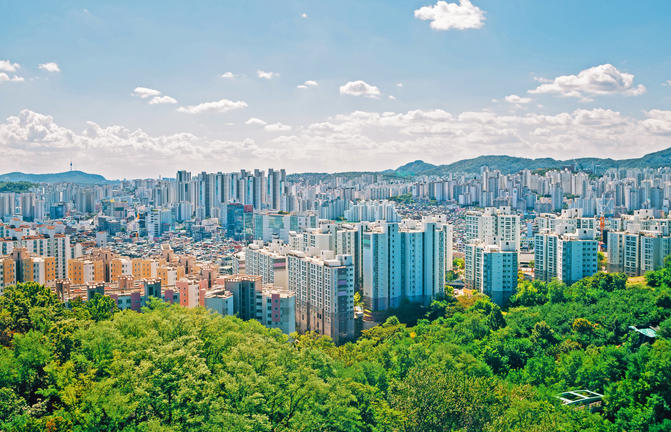
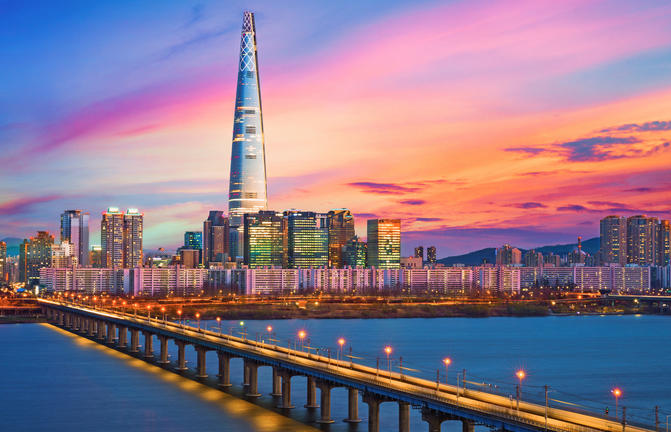
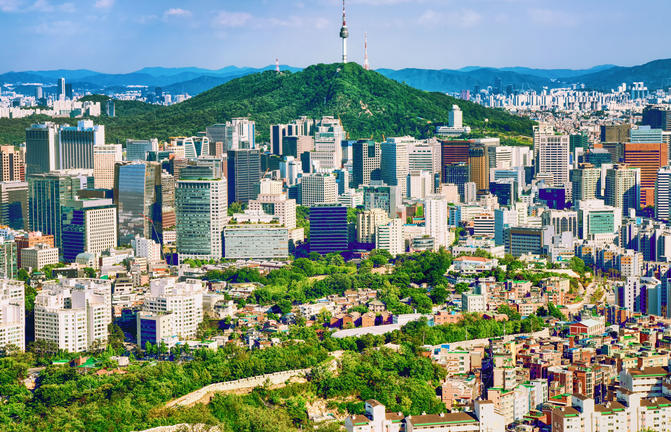
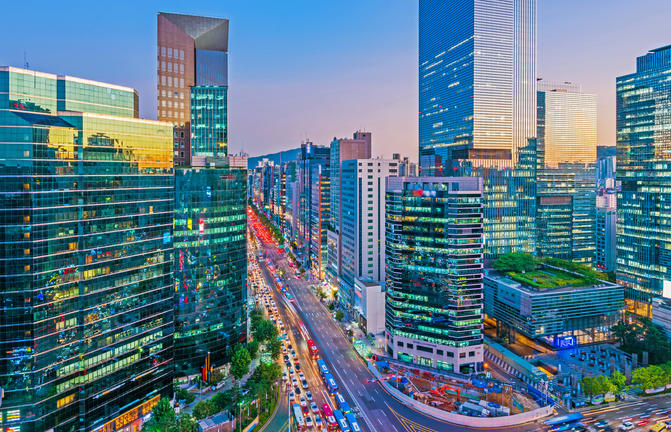
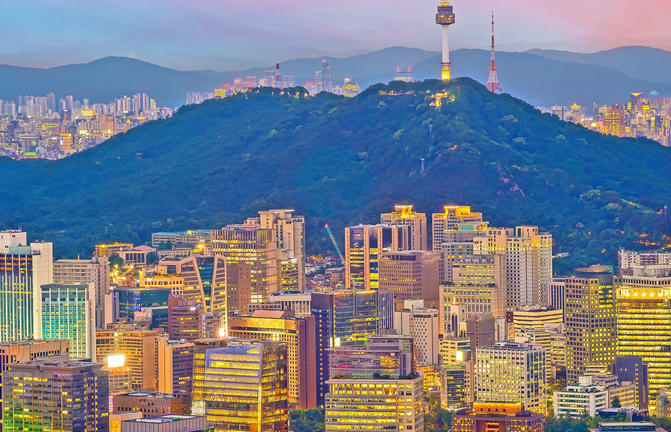
As South Korea’s capital and largest city, Seoul is the political, cultural, and economic heart of the country—essential for understanding its past, present, and future. Once the seat of royal dynasties and now a global tech and innovation hub, Seoul embodies the layered complexity of modern Korea. The city seamlessly integrates ancient palaces and Confucian traditions with cutting-edge design, high-speed connectivity, and a pop culture industry with global influence. Its rapid transformation since the Korean War has made Seoul a symbol of resilience and reinvention, yet its neighborhoods still retain a strong sense of local identity. For travelers seeking a deeper grasp of Korea’s national story—from monarchy to modernity—Seoul provides the most vivid and complete introduction.
Gyeongju, once the capital of the ancient Shilla Dynasty for nearly a millennium, is often called the "museum without walls" for its extraordinary concentration of historical treasures. As the cultural and spiritual heart of Korea during the Shilla period, the city is rich with traditional architecture, stone pagodas, Buddhist temples, and distinctive round grass tombs known as tumuli. Highlights include Bulguksa Temple, a UNESCO World Cultural Heritage site gracefully set on stone terraces along the slopes of Mount Toham, and the Gyeongju National Museum, home to exquisite artifacts such as Shilla-era jewelry, weaponry, and ceremonial items. Surrounded by forested hills and steeped in history, Gyeongju offers an unforgettable window into Korea’s ancient past.


Busan, South Korea’s second-largest city and a major port on the southern coast, offers a dynamic counterpoint to Seoul. Its strategic location has long made it a crossroads of commerce, migration, and cultural exchange—especially during times of conflict. During the Korean War, Busan served as a critical refuge and temporary capital, shaping its identity as a resilient and adaptive city. Today, Busan blends modern urban energy with a relaxed coastal atmosphere, reflecting both its maritime roots and its role in contemporary Korean life. Its layered history, diverse population, and deep ties to trade and tradition make it an essential stop for understanding the full breadth of Korea’s past and present.
Jeju Island, a South Korean province off the southern coast, is known for its volcanic terrain, rich cultural traditions, and layered history. Geologically shaped by ancient eruptions, it is home to Hallasan—Korea’s highest mountain—and UNESCO-listed lava tubes like the Geomunoreum system. Culturally, Jeju is famous for the haenyeo, women free-divers who sustainably harvest seafood and embody a unique matrifocal tradition recognized by UNESCO. The Jeju Folk Village Museum and Jeju Stone Park reflect the island’s folklore and shamanistic heritage. However, Jeju also holds a darker chapter in modern Korean history: the April 3 Uprising (Jeju 4.3), a political rebellion and subsequent government crackdown from 1948 to 1954 that led to the deaths of thousands of civilians. Once suppressed, this tragedy is now commemorated at the Jeju 4.3 Peace Park, marking the island’s role in Korea’s journey toward democracy. Natural attractions like Cheonjiyeon Waterfall, Jeolmul Forest, and tea farms such as Osulloc offer further insight into Jeju’s environmental and agricultural significance.


As previously described