


Situated in the southern reaches of Africa, Botswana is renowned for its pristine wilderness areas characterised by deep lagoons, wetlands, lush palms, rugged hills and desert plains. The country’s primary tourist drawcard is undoubtedly the vast red expanse of the Kalahari Desert and its remarkably beautiful Okavango Delta, the largest inland delta in the world. These natural wonders provide a tranquil haven for an abundance of African wildlife to thrive. Other highlights include the impressive Makgadikgadi Salt Pans, where visitors are privy to massive zebra migrations during the flood season; the Savuti plains, which host a significant pride of lions; and the Tsodilo Hills, where 4500 rock paintings form a unique record of human settlement over many millennia.


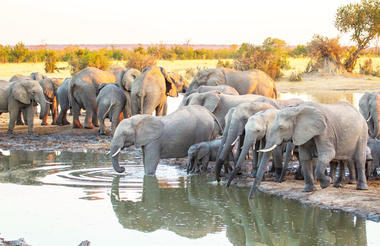
Zimbabwe is a captivating destination in southern Africa, renowned for its dramatic landscapes, abundant wildlife, and rich cultural heritage. The country is home to some of the continent’s most iconic natural attractions, including Victoria Falls, one of the world’s largest waterfalls, where the mighty Zambezi River plunges into a deep gorge in a spectacular display of power. Wildlife enthusiasts can explore Hwange National Park, famous for its large elephant population and diverse game viewing opportunities, or visit Mana Pools National Park, a UNESCO World Heritage Site known for its walking safaris, canoeing adventures, and close wildlife encounters. Lake Kariba, one of the world's largest man-made lakes, offers scenic boat cruises, excellent fishing, and breathtaking sunsets. Combining adventure, natural beauty, and authentic safari experiences, Zimbabwe remains one of Africa’s most rewarding travel destinations.
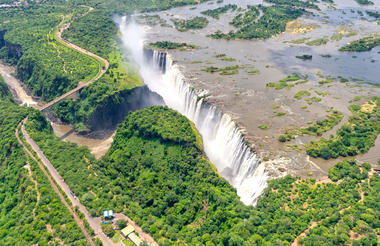

Zambia is the home of the legendary walking safari, the Mosi oa Tunya - the smoke that thunders (Victoria Falls), the mighty Zambezi River, abundant indigenous wildlife, the worlds’ largest mammal migration of fruit bats in Kasanka National Park, the worlds’ longest and presumed deepest Lake Tanganyika and vast open spaces . This is where to discover the last truly authentic safari experience of days gone by. Acknowledged as one of the safest countries in the world to visit, Zambia’s welcoming people live in peace and harmony and have a great sense of humour.
Zambia offers some of the finest Safari experiences in Africa, from face to face encounters on a walking safari, day and night game drives, canoeing, cycling, Tiger fishing, dining and sleep outs under the stars, specialist birding, hides, private guiding and vehicles, expert guides, romantics weddings and honeymoons, camping on your own island, cultural visits and conservation projects. Bush cuisine is a highlight so do indulge in freshly baked goods produced using local skills and techniques. Experience village life in rural areas or try some of the adrenaline-thrills like sitting on the edge of the Victoria Falls in Devils Pool or a microlight flight over the Falls and end your day with a sundowner and a guaranteed spectacular sunset.
Adjust your pace to our natural rhythm and let your soul find perfect peace in this remote wilderness. However you choose to spend your time in Zambia you are bound to leave with a heavy heart and a desire to return again soon.
Do look out for our unique and endemic animals. Zambia has all the animals you’d expect to find on an African safari—elephants lumbering across the plains, cheetahs stalking prey, hippos peeking their eyes above the water’s surface. The country, however, offers something more—a stunning amount of wildlife diversity. Go beyond the iconic, well-known species and discover the rare and unusual wildlife of this untouched, spellbinding place.
1. Thornicroft’s giraffe has dark, large leaf-shaped spots that travel down its cream-colored leg. This subspecies was named after Harry Scott Thornicroft, the then commissioner of North-Western Rhodesia. Distinguishable by its stunning skin pattern, this isolated population of giraffes is only found in South Luangwa Valley.
2. Roan antelope is sometimes confused with the sable antelope but has a lighter coat. Travelers who witness two males fighting for dominance over the herd—a relatively common occurrence—will see them drop to their knees and then violently clash their horns together.
3. Puku is a medium size antelope with golden-reddish coats. Males are distinguishable by their beautiful short, slightly curved horns. Large groups of puku can be seen in floodplains during the dry season.
4. Bushpig has short legs, a long snout, small eyes and a round body. Generally nocturnal, the bushpig is found in groups of a dozen or so members.
5. Crawshay’s zebra have narrower stripes and lack the light-brown shadow stripe found on other zebras. This distinct subspecies of the plains zebra can be found in Zambia’s South Luangwa National Park.
6. White-tailed mongoose - This carnivore is the largest of all mongooses. Its hind legs are longer than its front legs, and its back, consequently, appears rounded. Travelers are most likely to see the solitary, nocturnal animal during a night safari. Even if you don’t see it, you may hear its high-pitched cry or smell its skunk-like odour, which is used to fend off predators.
7. Tree-climbing lions - Though only a theory, some wildlife experts hypothesize lions climb trees to avoid the biting insects in the savanna grasses. In Kafue National Park it’s possible to find lions lounging in the limbs of fig trees. Unusual behavior for the big cat and a dream come true for nature photographers.
8. Lichtenstein’s hartebeest is a large antelope with high shoulders and a yellowish-brown coat. It’s easily recognizable by its horns, which both the males and females possess, that curve inward and then out in an “S” pattern.
9. Pangolin gets its name from the derivative of the Malay word “pengguling”, which roughly translates to “something that rolls up.” The species’ shy nature and nocturnal habits makes it anything but certain. Often called “the scaly anteater,” as it is covered in overlapping keratin scales and can roll itself into an impenetrable ball when being attacked by a predator.
10. Cookson’s wildebeest is endemic to the Luangwa Valley, this subspecies is distinguishable from other wildebeest by its smaller stature and the light, reddish bands that run along its side.
11. Endemic species include - Ansell’s Shrew, Bangweulu Tsessebe, Black Lechwe, Cookson’s Wildebeest, Pitman’s Shrew, Rosevear’s Striped Grass Mouse, Sakeji Horseshoe Bat and Zambian Mole-rat, Black-cheeked Lovebird, White-chested Tinkerbird and the Zambian Barbet.


