Roca River Camp

Roca River Camp
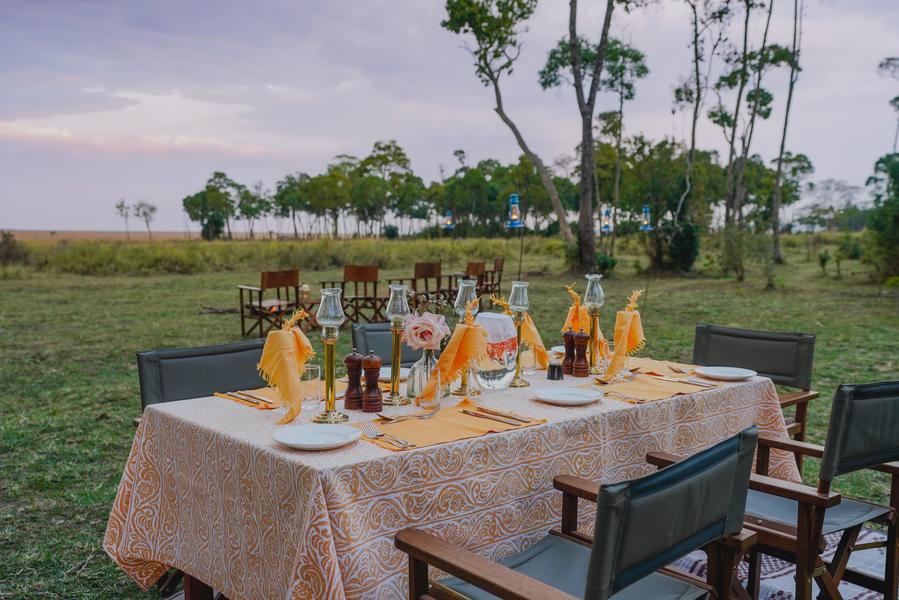
Roca River Camp offers a classic, intimate safari experience in one of the world’s most extraordinary wilderness areas. Set beneath a riverine forest on the banks of the Mara River, our nine-tent camp is designed for guests who want to slow down, reconnect with nature and experience the Mara in a personal and authentic way.
With just six standard tents and three family tents, Roca River Camp has a wonderfully intimate atmosphere. Days can be spent exploring the reserve on game drives and guided walks, discovering the wildlife and landscapes of the Mara, or simply relaxing in camp and taking in the sights and sounds of the bush around you.
What Makes Us Stand Out
Intimate, Personal Hosting
Roca River Camp is owner-run and owner-hosted by Ross and Caro, whose family has been involved in safari and conservation in Kenya for more than 50 years. Their passion for the Mara, together with their experienced team, creates a relaxed and highly personal safari experience where guests are genuinely looked after.
A True Riverside Setting
Our location on the banks of the Mara River is at the heart of the Roca River experience. Surrounded by riverine forest and the sounds of the wilderness, the camp provides a peaceful place to return to after a day exploring the reserve. Wildlife is part of everyday camp life, making the setting as much a part of the safari as the game drives themselves.
A Light Environmental Footprint
We believe in keeping our impact on this extraordinary environment as light as possible. The camp runs on solar power, avoids single-use plastics, recycles and reuses wherever possible, and sources food locally from the surrounding community. We aim to leave the wilderness as we found it.
Conservation & Community
Conservation is fundamental to our approach to safari. Staying at Roca River Camp directly contributes to the protection of the Mara ecosystem through conservation fees, while the camp provides employment and economic opportunities for the local Maasai community.
We believe that responsible tourism should benefit both wildlife and people, helping to protect this remarkable landscape for generations to come.