Share this post
Trip Solutions
5-mins
Impact selling: why your “giving back” story needs a source, not a sentiment
By
Bradley Laubscher
Published
08 September 2026
Voluntourism is back, and this time it’s not a niche add-on. Booking.com’s 2025 sustainable travel research found that 93% of travellers now want to make more sustainable choices, up from 42% a decade ago, and 73% want the money they spend to go back to the local community. The market is following the sentiment, with global volunteer tourism spend forecasted to grow from around $999 million in 2026 to over $1.5 billion by 2033.
But voluntourism is just the most visible edge of a much bigger shift. Travellers aren't signing up to build classrooms anymore with trusting eyes; they're carefully curating every operator, lodge and route. For all you tour operators and DMCs, that shift has turned "impact" into a marketing tool almost overnight.
The problem is that everyone reached for the handle of that same tool at the same time, and most of them are holding it the wrong way.
“The industry does not have a shortage of good stories, it has a credibility gap.”
— Melissa Foley, Founding Director, All About Africa Sustainability Consulting
The symptom? Impact wording that sounds the same everywhere

Scroll through enough itinerary proposals and safari websites right now, and you’ll see the pattern. “Your trip supports local communities.” “Travel with purpose.” “Every journey helps protect Africa’s wild places.” Lovely sentences used often enough that you could swap the logo at the top and nobody would notice. The sentiment is genuine in most cases, but the problem is that it’s unattributable. There’s no supplier named, no project cited, no way for a traveller (or a skeptical booking agent) to check that the claim is real.
A 2026 review of greenwashing research across tourism and hospitality found that once travellers perceive a sustainability claim as exaggerated or unsubstantiated, it actively damages trust, lowers booking intent and increases negative word of mouth. And it isn’t only a reputational risk. ABTA has published guidance for its members specifically because UK regulators now expect environmental and impact claims to be evidenced, not just asserted. Now, a vague impact line doesn’t just fail to differentiate you from the DMC down the road running the identical line, but it also invites the question you don’t want asked: “Compared to what, exactly… and can you prove it?”
The root cause? The story lives with the supplier (and it’s hard to get to)
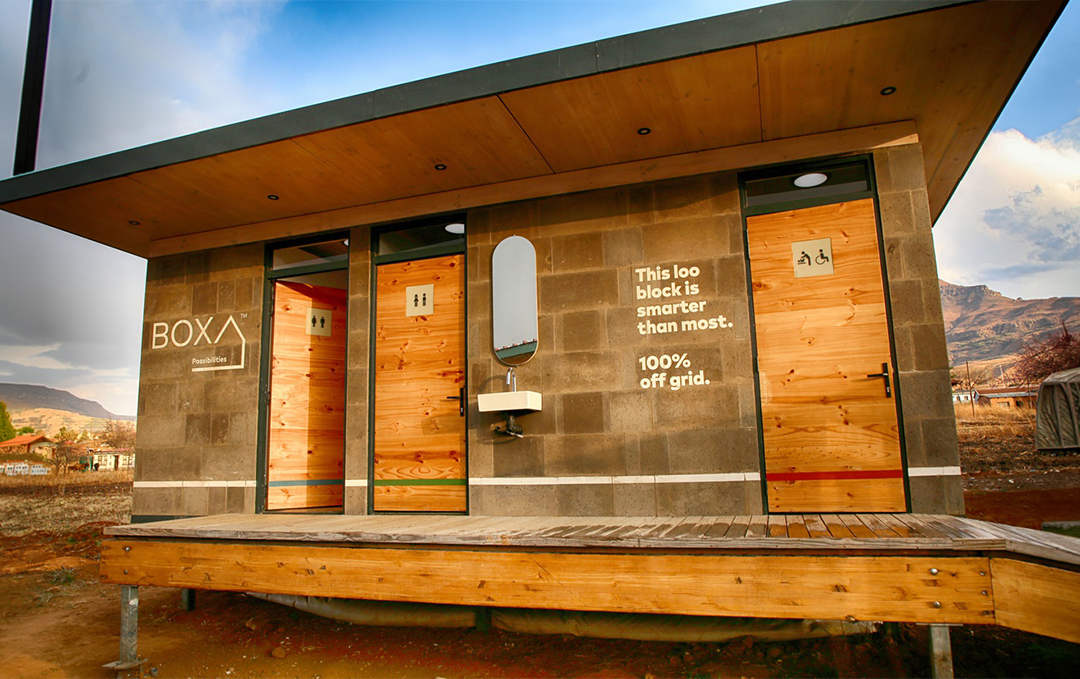
This isn’t a case of operators not caring about impact, or not having a real story to tell, as most definitely do. The camp on your itinerary is likely funding a school, training local guides, or running an anti-poaching partnership right now, albeit quietly and without a press release in sight. The problem is logistical in the sense that the story sits with the supplier, in whatever format they happened to have to hand, and getting it out of them means a phone call, an email chain, or a PDF fact sheet from three years ago that may or may not still be accurate.
So when a proposal is due, and soon, the specific story is nowhere to be found, and gets swapped for a generic one. Not because it’s better, but because it’s faster, and your deadlines don’t care.
The fix? Give the story a permanent, central home
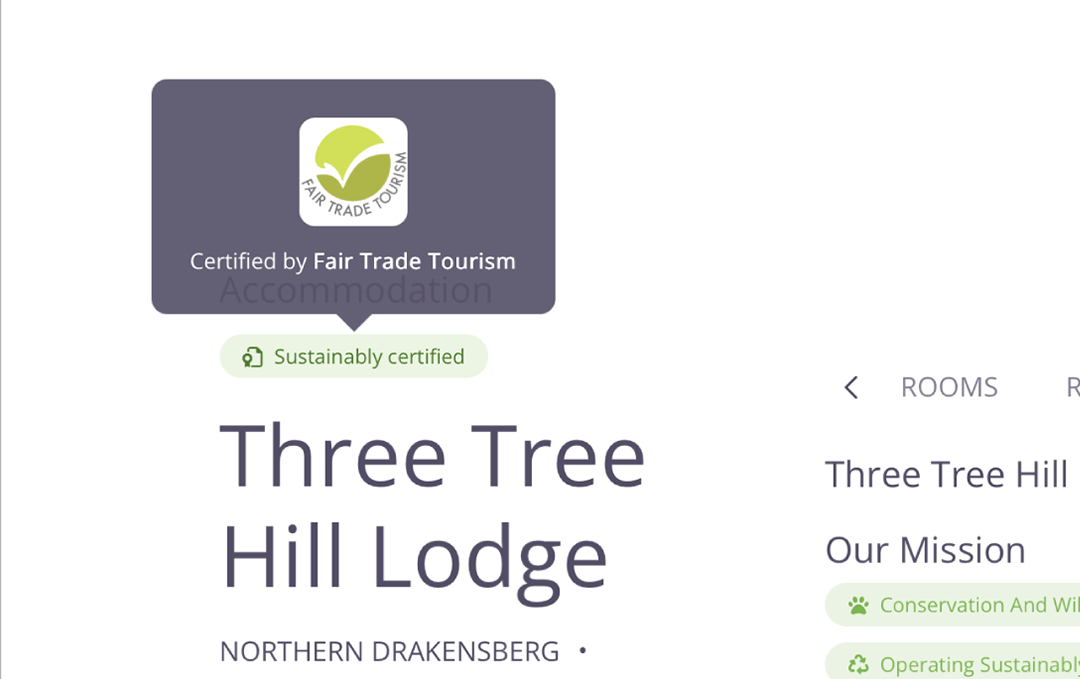
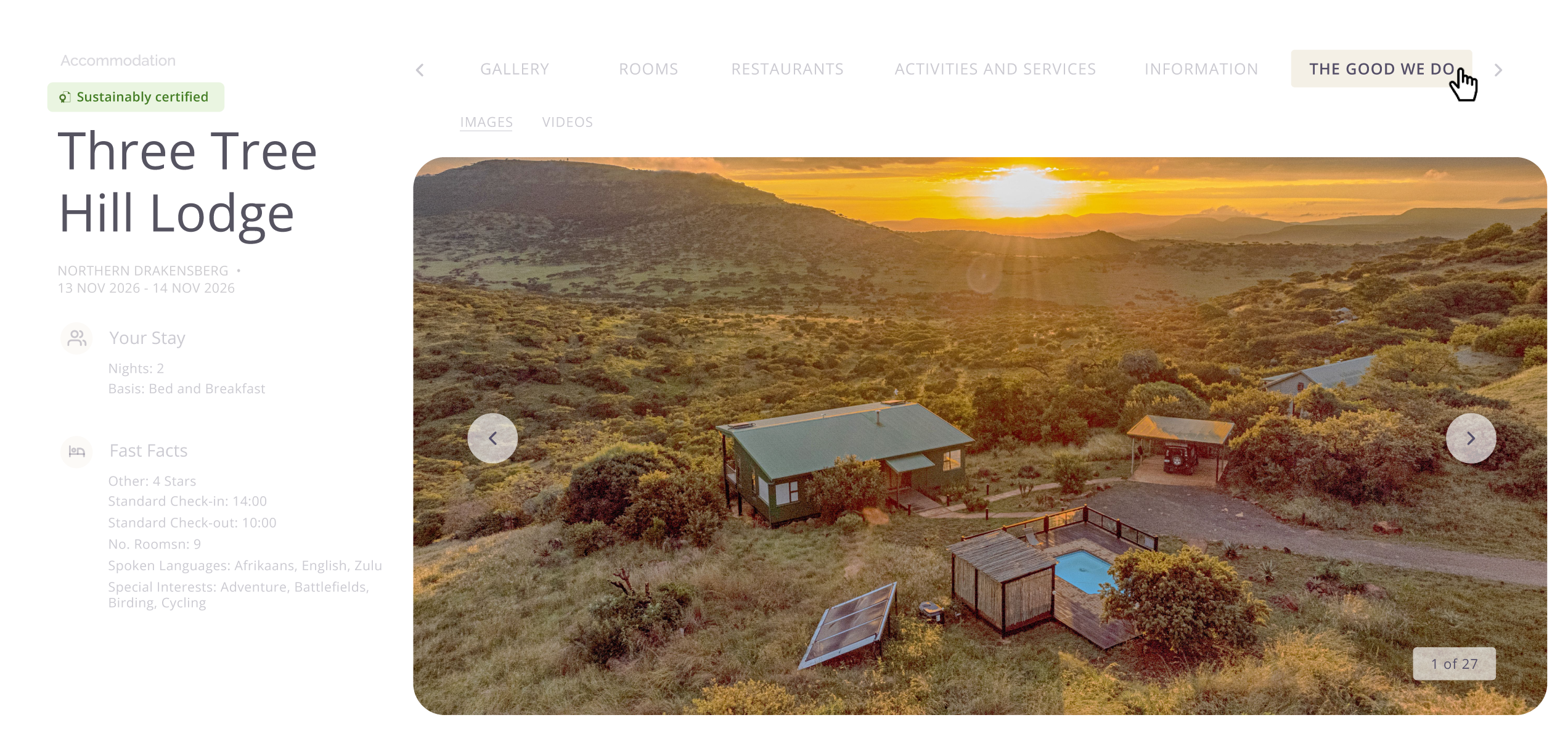
This is the gap Wetu’s Good We Do initiative closes. It gives suppliers a free, standardised space to document their responsible tourism work through community projects, conservation partnerships, guide training programmes, whatever it is, in their own words and Wetu's Sustainability Profile backs it up with a category-prescriptive declaration.
For you, the one building itineraries in Wetu, that means the story is no longer something you have to chase down like a lost child. It’s sitting on the supplier’s profile, attached to the property you’re already including, ready to pull straight into the proposal. Instead of your client's eyes glazing over “supports local communities,” they get to read (while riveted, we hope) that the specific lodge on their itinerary part-funds a specific primary school forty minutes from the property, with the supplier’s own account of it.
Suddenly, there’s a claim your travellers can trust, because it’s traceable to a name and a place, not a slogan you could find on any brochure since 2015.
It also solves the differentiation problem. When the impact story is specific to the actual suppliers in your itinerary, no other operator is telling that exact story, even if they’re selling a similar route through the same region. Your competitor’s version of “impact” is still generic, while yours is sourced, and sourced beats stirring every time.
It’s not just travellers asking for this either. As Melissa Foley, Founding Director of All About Africa Sustainability Consulting, puts it: “B2B partners are now demanding that tourism businesses can demonstrate who and what they support, how they support them, and what verified and measurable evidence sits behind those claims.”
Don’t let your information be hard to get to; use Wetu
.png)
Voluntourism’s rise means impact is no longer a nice-to-have line hidden away at the bottom of an itinerary. It’s becoming a reason clients book one operator over another, and a reason they don’t book you if the claim doesn’t stand up to a bit of googling. The operators who benefit from this shift won’t be the ones with the most passionate copy. They’ll be the ones who can point to a real supplier, a real project, and a real result, no thesaurus required.
Join Wetu and put real, sourced impact stories to work in your itineraries.
Trip Solutions

Blog
Keep the inspiration flowing
Explore related stories, tips, and updates to help you bring magic to your clients.
.png)