The name Tanzania conjures up images of wildebeest stampeding across vast savannah, rain forests teeming with monkeys and birdlife, and great plains brimming with legions of game. All of these natural wonders and more are on offer in this exceptionally diverse African nation. Visitors typically visit Tanzania to partake in at least one of the four well-known Tanzanian tourist experiences: a relaxing seaside vacation on the picturesque island paradise of Zanzibar, an underwater tour of some of the world’s most renowned dive sites around the gorgeous Spice Islands, a safari adventure in some of Africa’s most impressive game reserves, or a hiking excursion around Mount Kilimanjaro National Park. Whichever of these incredible holidays you choose, you will undoubtedly be welcomed by some fabulously friendly and peaceful inhabitants who, despite being divided into 120 different ethnic groups and cultures, live in harmony with one another and provide some of the most wonderfully exotic local cuisine you could imagine. With all of this diversity on offer, the most difficult part of your Tanzanian holiday experience is likely to be deciding where to go!
Arusha is the safari capital of Tanzania - nestled below Mt. Meru and close to Mount Kilimanjaro. From Arusha there are options to head to Lake Manyara, Tarangire and Ngorongoro National Parks and from there it’s a short trip to the Serengeti. Arusha was built by the Germans as a centre of colonial administration because of the temperate climate.

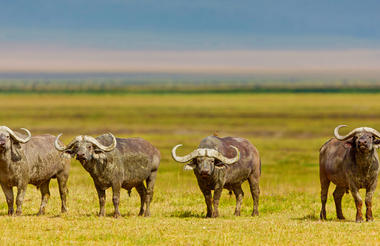
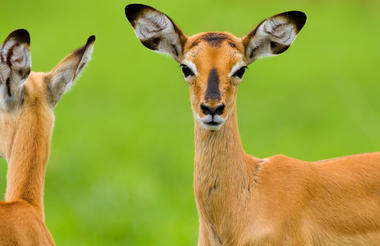
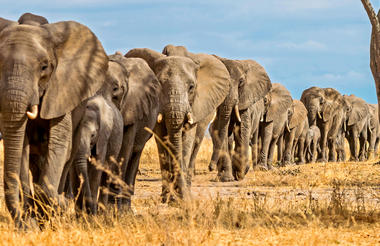
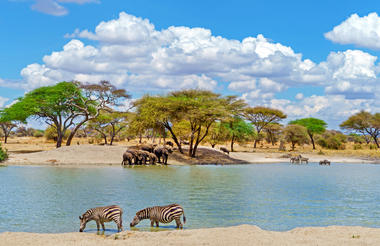
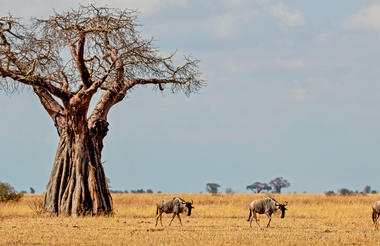
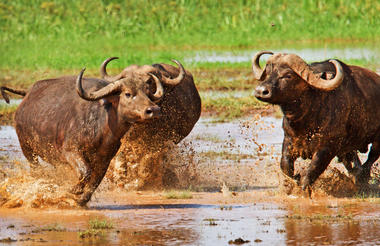
Tarangire National Park is known for having the greatest concentration of wildlife outside of the Serengeti eco-system. Named after the river that crosses through it, this park at 1,100 square miles located southwest of Arusha, is sometimes sadly missed by those heading for the more well known of the National Parks in Tanzania. Yet we can highly recommend it for its elephant migration, quiet authentic atmosphere and fantastic birding opportunities. During the dry season, the river is the only source of water for many animals, with thousands migrating to it from the nearby Lake Manyara National Park. The landscape here is diverse, with a mix of habitats that are unique to the area and not found anywhere else: hilly landscapes are dotted with vast numbers of baobab trees, dense bush and high grasses. Herds of up to 300 elephants congregate here, whilst migratory wildebeest, zebra, buffalo, impala and eland can also be seen, with the accompanying predators following along behind. On drier ground you find the Kori bustard, the heaviest flying bird; ostriches, the world's largest bird; and small parties of ground hornbills blustering like turkeys.
The park is also famous for the termite mounds that dot the landscape. Those that have been abandoned are often seen to be home to dwarf mongoose.
The swamps, an oasis of green year round, are where you will find over 550 bird species, the most breeding species in one habitat anywhere in the world. It is a birder's dream with frequent sightings of yellow-collared lovebirds, which can be seen during a game drive alongside the river.
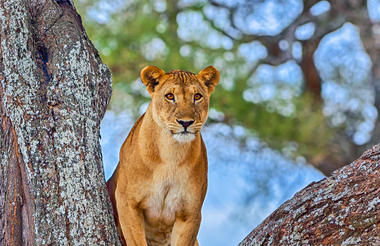
Tarangire's pythons climb trees, as do its lions and leopards, lounging in the branches where the fruit of the sausage tree disguises the twitch of a tail.
As previously described
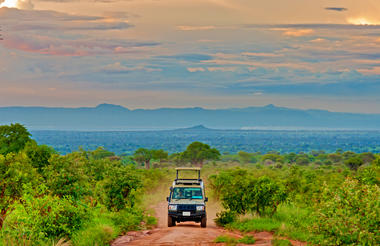
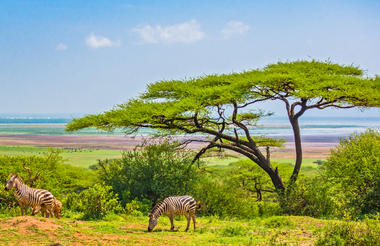
With the Lake on its east and the Manyara Escarpment to its west the Lake Manyara National Park offers breathtaking views and a large variety of habitats. Acacia woodlands, water forests, baobab strewn cliffs, algae-streaked hot springs, swamps and the lake itself. Manyara has the largest concentration of baboons anywhere in the world. It lends itself for a picnic stop on the way to Ngorongoro Crater.
As previously described
As previously described
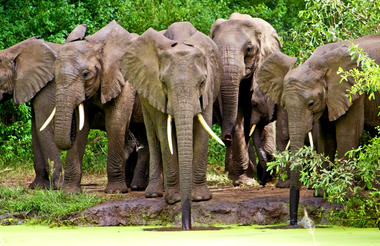
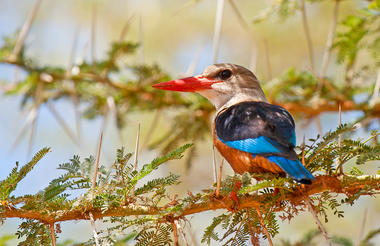
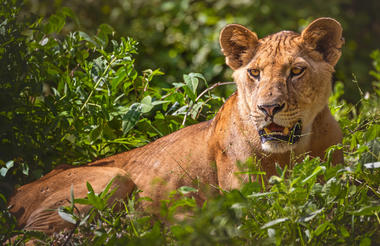
Bordering Kenya to the north, the Ngorongoro Region is known for its abundance of beautiful natural features. It encompasses the Ngorongoro Conservation Area, a UNESCO World Heritage Site; the spectacular Ngorongoro Crater, and the active Ol Doinyo Lengai volcano. Visitors can look forward to a variety of activities such as viewing the epic Serengeti wildebeest migration, visiting a local Maasai village, soaking up the remarkably diverse scenery and catching a glimpse of the magnificent bird and wildlife including over 500 bird species, all of the Big Five, as well as crocodile, hippo, zebra, antelope, lion, leopard, and cheetah. Don’t miss the opportunity to join a walking safari, enjoy thrilling mountain biking adventures and scenic trekking.
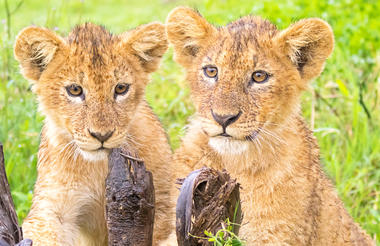
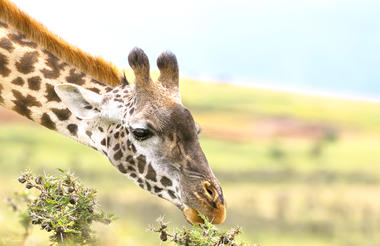
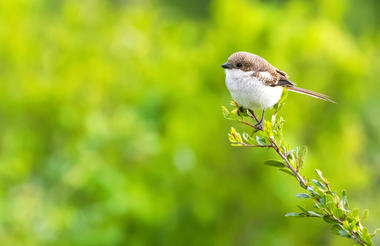
The Ngorongoro Conservation Area includes the famous Crater, a UNESCO World Heritage Site and expansive plains of grassland which run all the way across to the Serengeti. Local Masai herd their cattle and goats alongside Africa's famed wildlife, as they have for centuries.


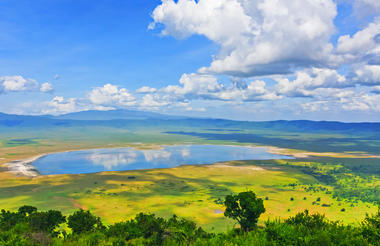
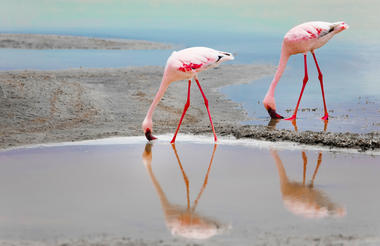
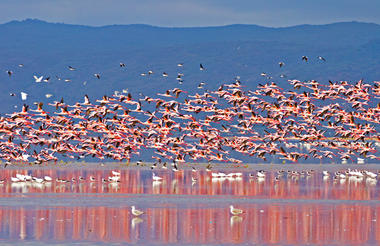
The Ngorongoro Crater, once a gigantic volcano, is the largest intact caldera in the world. Some maintain that before it erupted, it would have been higher than Mt Kilimanjaro, the highest peak in Africa. Today, long since having collapsed and eroded, it is an extensive highland area with the famous 600 meter deep Ngorongoro Crater as its focal point. Nearly three million years old, the ancient caldera shelters one of the most beautiful wildlife havens on earth. Fresh springs and a large soda lake quench the thirst of all the inhabitants.The Ngorongoro Crater is game viewing gone crazy and it is not surprising that it is one of Tanzania’s major tourist drawcards Black rhino are protected within its rim, giant tusked elephants wander the forests, black-maned lions stalk the grasslands, and flamingos crowd the soda lakes. It is also one of the view places where hyenas can be seen roaming during the daylight. Outside of the crater Masaai herdsmen can be seen tending to their flocks of goats and herds of cattle.