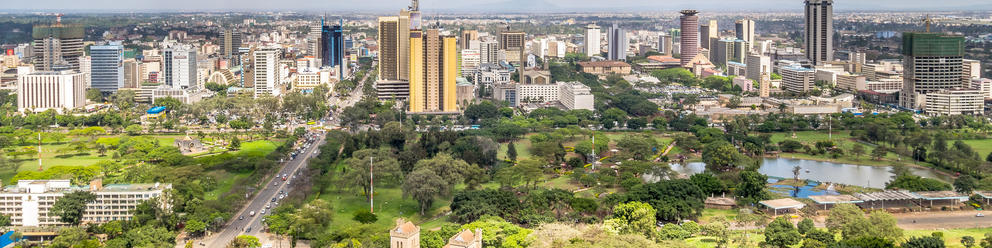
Nairobi, the capital of Kenya, is a vibrant metropolis known as the economic, political, and cultural hub of East Africa. It blends modern skyscrapers with busy markets and green spaces like Nairobi National Park, where wildlife roams against a city backdrop. Nairobi has a rich history, with sites like the Karen Blixen Museum and the National Museum of Kenya. It’s a fast-growing city where tradition and modern life come together.
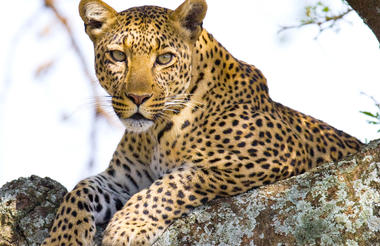
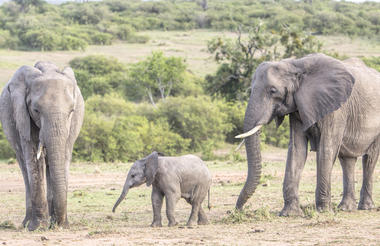
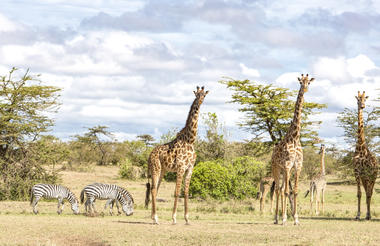
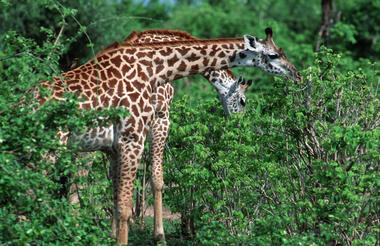
The Olare Motorogi Conservancy is an 85 square kilometre expanse of prime private wilderness in southwest Kenya; part of the Maasai Mara-Serengeti ecosystem and wildlife dispersal zone. The conservancy lies immediately to the northwest of the main Maasai Mara Reserve. Tourism is limited to a maximum of 94 beds which maximizes the client's wilderness experience and minimizes the environmental impact of tourism. Open hills provide a habitat for a diverse range of grazers, including giraffes, zebras, hartebeests, and warthogs. These herds attract large numbers of predators, including lions, cheetahs, hyenas, and jackals. In between the hills run a number of small seasonal streams, fringed by stretches of forest which are home to a broader range of species including baboons, elephants, buffaloes, hippos, and leopards.
As previously described
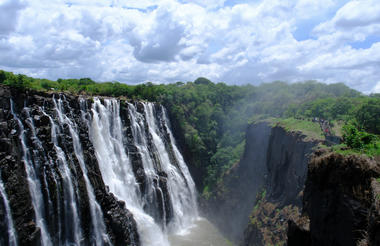
Zambia is a landlocked country in Southern Africa, known for its stunning natural beauty, wildlife, and rich cultural heritage. It is home to famous landmarks like Victoria Falls, one of the world’s largest and most spectacular waterfalls. Zambia’s vast national parks, such as South Luangwa and Lower Zambezi, offer incredible safaris and opportunities to see diverse wildlife, including elephants, lions, and leopards. The country is also rich in history, with vibrant local cultures and a warm, welcoming population.

Stunningly remote, the Hartmann Valley is a desolate yet entrancing moonscape of sand and rock. Located in the extreme northwest of Namibia, the region offers a profound sense of wilderness and unusual juxtaposition of habitats, as the Kunene River nurtures a band of lush vegetation amidst one of the driest deserts on earth, while sea mists creep in from the coast, and waves upon waves of dunes beckon to be slid down. The valley is home to the Himba, one of the last true nomads in Africa.
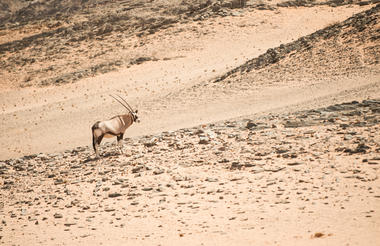
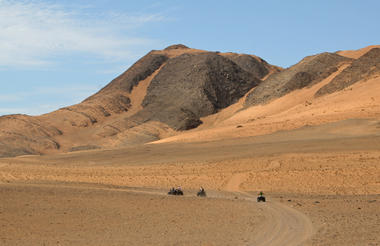
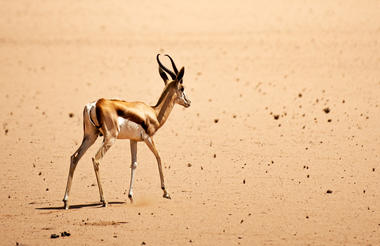
Where Kaokoland meets the Skeleton Coast, in western Namibia, the 270-kilometre-long Hoanib River is one of the last water oases in the country, providing a haven for numerous animals. Home to 75% of Namibia’s endemic species, including the largest numbers of desert-adapted, free-roaming elephants, lions, and rhinos in the world, as well as zebra, kudu, and giraffe, this is a truly exceptional and awe-inspiring place. Visitors can enjoy taking a wonderful four-wheel-drive route, going on adventurous hiking trails, running down enormous sand dunes, or climbing massive, strangely shaped rock formations as well as several guided nature walks.
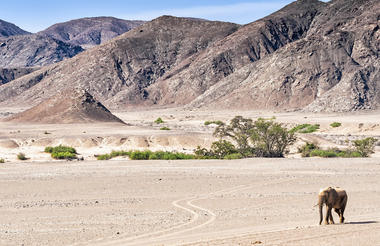
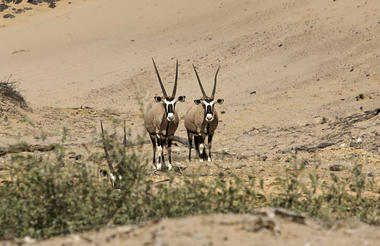
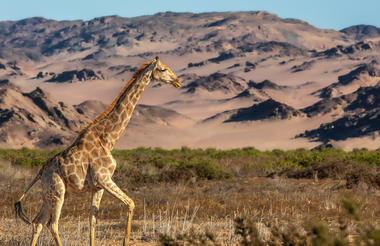
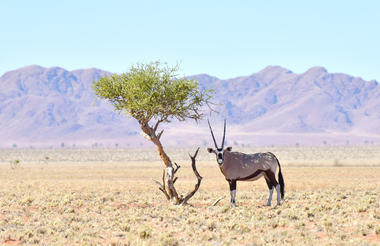
Spanning an area of 172,200 hectares and encompassing four distinct ecosystems, the NamibRand Reserve of southern Namibia is among the largest privately owned game parks in Southern Africa. Founded to conserve the unique environment and wildlife species of the Namib Desert, the park’s mix of dunes, mountains, rocky outcrops, sandy flats, and gravel plains provides habitats for a diversity of mammals, including hyenas, jackals, foxes, antelopes, and various wild cats. A plethora of bird species, reptiles, insects, and frogs also have their home here, alongside an array of plant species. Discover the mysterious ‘fairy circles’, unexplained bare patches in the sand, or enjoy a night of sublime stargazing - having been named Africa’s first International Dark Sky Reserve, it is one of the least light-polluted areas in the world.
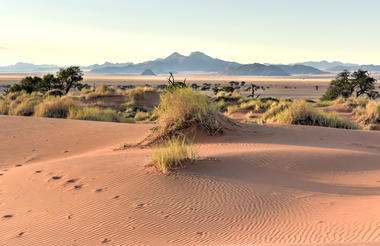
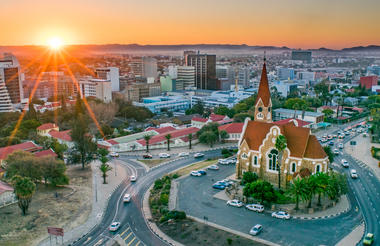
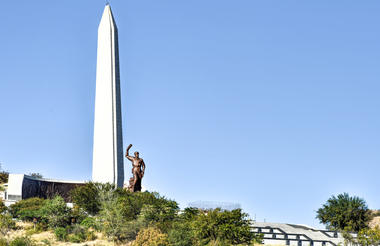
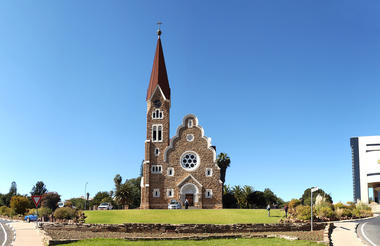
Situated in Central Namibia, the cosmopolitan city of Windhoek serves as the capital of the country. It is home to an international airport and a plethora of restaurants, shops, entertainment venues and accommodation options. The city is clean, safe and well-organised, with a colonial legacy that is reflected in its many German eateries and shops, and the widespread use of the German language. Windhoek has an interesting mix of historical architecture and modern buildings, many of which are worth a look, including the Alte Feste an old fort, the 1896 Christuskirche Christ Church, and the more contemporary Supreme Court.