
Evolution has occurred more or less in isolation on this remote island – located 400 kilometres off Africa’s east coast – with the result that much of its indigenous wildlife is found nowhere else on earth. Madagascar’s menagerie of weird and wonderful creatures includes the world’s biggest and smallest chameleons and over 70 species of lemur – long-tailed primates endemic to the island. The Madagascan landscape is no less compelling than the resident wildlife, with terrain ranging from lush jungles and palm-fringed beaches to the knife-edged karst tsingys of the Tsingy de Bemaraha National Park’s ‘stone forests’. Madagascar is an otherworldly paradise where visitors are offered a unique glimpse into a fantastical one-of-a-kind world.

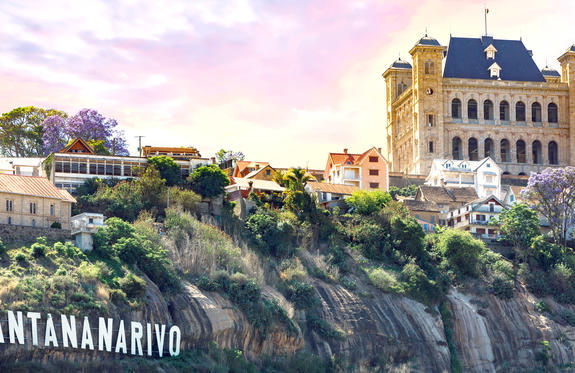
Set across a series of hills in Madagascar's central highlands, Antananarivo is the country's vibrant capital and cultural heart. Often referred to as "Tana", the city combines a rich history with a lively urban atmosphere, where colourful markets, colonial-era buildings, and bustling streets reflect a blend of Malagasy traditions and past influences. Visitors can explore the historic Upper Town, admire panoramic views from the restored Queen's Palace, and browse local crafts, spices and produce in the city's markets. The scent of street food drifts through the air, while narrow lanes and steep stairways reveal hidden corners of everyday life. Dynamic and energetic, Antananarivo offers an authentic introduction to Madagascar's culture, history and distinctive character.
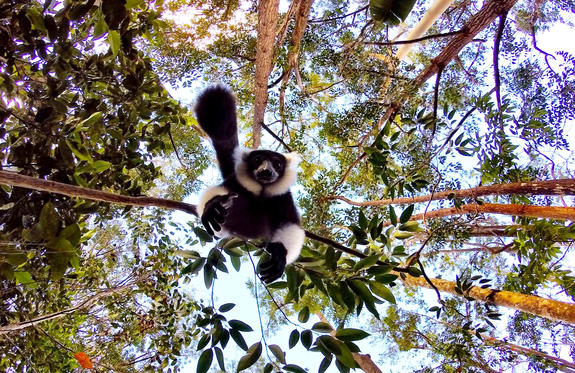
Located in eastern Madagascar in the Moramanga District, the small village of Andasibe is surrounded by a belt of protected rainforest and several parks boasting incredible natural scenery and an array of exotic Madagascan wildlife. It serves as an excellent base from which to explore the spectacularly scenic surrounds. Visitors can look forward to discovering the natural wonders of the nearby Andasibe-Mantadia National Park, Analamazaotra Reserve and Perinet Special Reserve. Don't miss the opportunity to hear the unique song of the large indri lemur, explore a network of incredible trails that wind past glistening lakes and magnificent waterfalls and discover the rich biodiversity in the local flora and fauna.
As previously described

Nosy Be is Madagascar’s most popular tourist destination. Located off the island's northwestern coast, this small island is blessed with exquisite sand beaches, glittering volcanic lakes, and diverse flora and fauna. Nosy Be has remained refreshingly unspoiled and free of development, with low-key beach bungalows outnumbering commercial resorts. Most visitors simply relax on idyllic beaches, go swimming or snorkelling in the calm azure waters, and enjoy seafood feasts at oceanfront restaurants; however, if you enjoy sightseeing, it’s worth paying a visit to the bazaar in Hell-Ville to pick up samples of fragrant spices (Nosy Be is nicknamed ‘The Perfume Island’). The Lobeke nature reserve, coral reefs, and surrounding islets make for enchanting day trips and offer active, outdoor adventure opportunities.


