


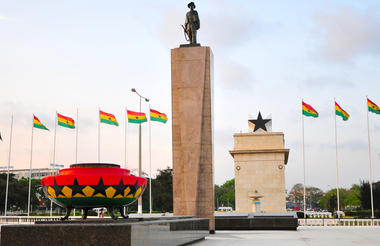
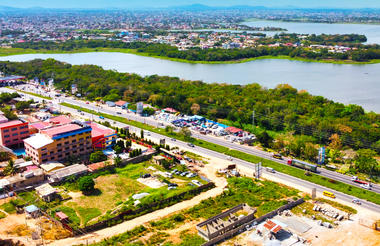
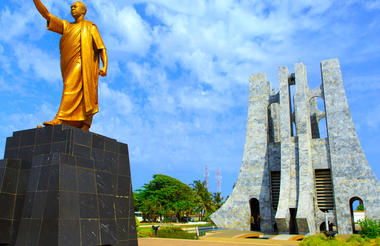
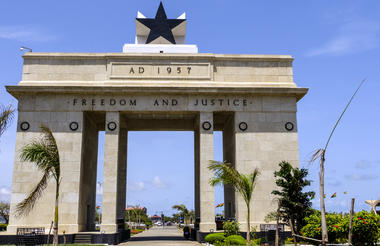
Situated on Ghana's southern coast, Accra is the bustling capital of the country, characterised by the Ghanian slang word ‘vim’ - ‘energy and industriousness’. The city offers an intriguing combination of city and village life. Affluent neighbourhoods complete with upmarket restaurants, glitzy shopping malls, and western fast food chains are interspersed with the Ghanian street culture that engulfs much of the rest of the country. While the city’s vibrant atmosphere and daily life is undoubtedly its primary drawcard, visitors should also take the time to visit Osu Castle; Nkrumah Memorial Park; the raucous Labadi Beach; and the hidden alleys, old stone houses, and wonderful cliff-top harbour vistas of Jamestown. The National Museum is also certainly worth a visit and provides great insight into Ghana’s fascinating history and culture from prehistory to the present.
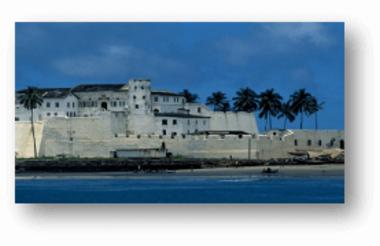
Located along the south coast of Ghana, the fishing port of Elmina is best-known for its beautiful beaches and serves as the capital of the region. It is also known as a historical slave trading port and offers visitors a glimpse into the tragic history of the slave trade. Visitors can learn more about the area's past by visiting a number of fascinating sites including: the 17th-century Fort St. Jago, the Elmina Java Museum, the Dutch Cemetery and Elmina Castle, built by the Portuguese in 1482, it is the oldest European building in existence south of the Sahara.


Sandwiched between the West African countries of Cote d'Ivoire and Togo in the Gulf of Guinea, Ghana is a friendly and largely safe country with locals who are usually eager to help first-time foreigners find their feet on African soil. This spectacularly scenic nation boasts an exquisite tropical coastline and exceptional national parks providing a haven for some unusual flora and fauna. The capital, Accra, is a thriving metropolis replete with bustling markets, luxury hotels and lively nightlife. Fill your itinerary with visits to gorgeous palm-fringed beaches, ancient forts, historical castles, and quaint fishing villages. Whether you are seeking a relaxing beach vacation or are keen to immerse yourself in the fascinating ancient cultures of this nation's diverse ethnic groups, Ghana offers a unique and compelling African experience.
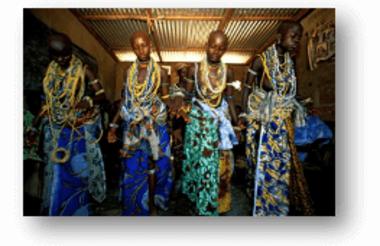
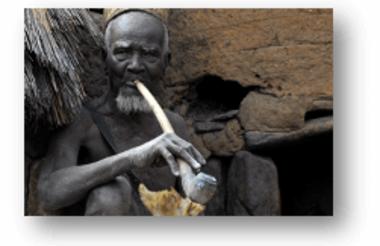
As previously described


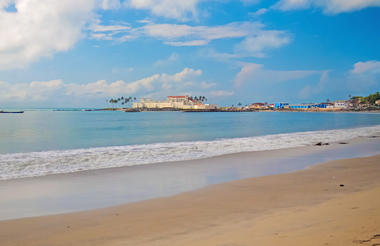
As previously described
Situated on Africa’s west coast fringing the Gulf of Guinea, the charming city of Lome serves as the capital and largest city of Togo in West Africa. Once known as ‘The Pearl of West Africa’, today it is a sprawling city boasting palm-lined boulevards edged by colonial buildings, a variety of street-side eateries and vibrant markets. Highlights include: the Akodessewa Fetish Market, selling voodoo items; the National Museum housed in the Congressional Palace, displaying an array of traditional West African masks, musical instruments and jewellery; as well as the UNESCO-listed traditional mud-tower settlements of the Batammariba in the Koutammakou. Visitors can also look forward to soaking up Lome's rich cultural heritage featuring a mix of German, Portuguese and British influences, or relaxing at a beachside hotel after a long day of exploring the fascinating city streets.


Kpalime is a city located in Togo and is within close proximity to Mount Agou and Mount Kloto. Hidden among the forest hills of the cocoa and coffee plantations, Kpalime offers some of Togo's best scenery and hiking, as well as bird and butterfly watching. In the surrounding countryside, travellers can enjoy exquisite waterfalls at Tomegbe, Kpoeta and Amegape. Travellers can enjoy local specialities such as grilled chicken or fish served with fufu or visit the craft centre in Kloto featuring traditional crafts such as wood sculpting, batiks and decorated calabashes. The city also offers various accommodation facilities, restaurants, cyber cafes and pubs.


Situated in the heart of central Togo, Sokodé is the country’s second-largest city and an important cultural and trading centre. Surrounded by rolling savannah and rural villages, it offers travellers a lively introduction to traditional Kotokoli and Tem culture. Key highlights include exploring the Grand Marché, where vendors sell vibrant wax-print fabrics, spices, handmade leather goods, and local produce; visiting the Central Mosque, one of the city’s most recognisable landmarks; and experiencing traditional fire dances and ceremonial drumming, which are unique to the region. Travellers can also take day trips to the nearby Fazao-Malfakassa National Park, known for forest trails, waterfalls, and wildlife. With its warm hospitality, bustling streets, and strong cultural identity, Sokodé provides a rich and engaging glimpse into northern Togo.
Kara is the capital of the Kara Region in Northern Togo, where the majestic Kara River snakes its mesmerizing way through the city. The city is buzzing with marketplaces, pubs, and luxury hotels to enjoy, and for nature lovers, majestic Parc Sarakawa lies just beyond Kara's borders, easily accessible as a day trip. Sprawling over 607 hectares, this park is teeming with antelope and buffalo as they roam freely beside ostriches and zebras. Moving further afield, travellers will be enchanted by Koutammakou; 50 000 hectares of UNESCO-protected land in Kandé, housing Batammariba tower houses - the iconic symbols of the region. For the artistically inclined, Musée AFRICART Kara, the museum for the art of African masks and sculptures, is an ideal stop to admire the breathtaking artistry of different cultures of Africa.


Situated in West Africa, Benin is known for its pristine beaches, bountiful wildlife and rich history. Benin features stilted villages, numerous national parks and a dark past linked to the slave trade. This French-speaking West African nation is also known as the birthplace of the Voodoo religion. Visitors can explore French colonial architecture in the laid-back capital of Porto Novo; discover the bustling commercial hub of Cotonou, home to an impressive cathedral and the vibrant Dantokpa Market; and spot aardvarks and cheetahs at W National Park. Other popular attractions include: the Royal Palaces of Abomey, the Ouidah Museum of History and the eerie Door of No Return.


Located on the infamous strip of West Africa’s shoreline known as the Slave Coast, Ouidah was once the country’s human trafficking trade capital. During the 18th and 19th centuries, enslaved people were captured from all over the region and taken to the town to be shipped to other parts of the world. Today, this tragic episode is commemorated with a memorial trail lined with monuments, including the Tree of Forgetfulness and the Door of No Return. Benin is the birthplace of the original form of voodoo – known here as Vodun – and one of Ouidah’s most intriguing attractions is the Temple of Pythons, home to around 60 snakes held holy in this animist religion. Another must-see is the Sacred Forest – dotted with statues representing Vodun deities.


