Tanzania - Africa's Best Safari Destination - Home of the Serengeti National Park & the Roof Top of Africa, Mt Kilimanjaro
The name Tanzania evokes visions of sweeping savannahs filled with thundering wildebeest herds, mist-shrouded rainforests alive with monkeys and birds, and vast plains where Africa’s greatest wildlife roams free. From the snow-capped peak of Mount Kilimanjaro to the palm-fringed beaches of Zanzibar, Tanzania is a country of breathtaking contrasts and unparalleled natural beauty.
With its warm-hearted people, diverse cultures, and world-class destinations, Tanzania stands as one of Africa’s most captivating travel experiences — a place where adventure, relaxation, and discovery meet in perfect harmony.
Location and Geography
Situated in East Africa, Tanzania is bordered by Kenya and Uganda to the north, Rwanda, Burundi, and the Democratic Republic of Congo to the west, and Mozambique, Malawi, and Zambia to the south. To the east lies the glittering Indian Ocean, home to the idyllic Zanzibar Archipelago.
Covering nearly 950,000 square kilometres, Tanzania is one of Africa’s largest countries, encompassing vast plains, volcanic highlands, lush forests, and tranquil lakes — including Lake Victoria, Lake Tanganyika, and Lake Nyasa. This geographical diversity supports a remarkable array of wildlife, ecosystems, and cultures.
Top Attractions and Experiences
Tanzania offers travellers four main experiences, each distinct yet equally unforgettable:
1. Safari Adventures
Home to some of Africa’s most legendary parks, Tanzania’s northern and southern safari circuits offer unrivalled game viewing.
Serengeti National Park: Witness the Great Wildebeest Migration, one of the planet’s most extraordinary natural spectacles.
Ngorongoro Crater: Explore this UNESCO World Heritage Site teeming with wildlife in a spectacular volcanic setting.
Ruaha and Selous (Nyerere) National Parks: Discover vast, remote wilderness areas where elephants, lions, and leopards roam freely.
2. The Spice Islands of Zanzibar
Just off Tanzania’s coast lies Zanzibar, an enchanting island paradise of turquoise seas, coral reefs, and historic towns.
Relax on white-sand beaches in Nungwi, Paje, and Jambiani.
Explore Stone Town, a UNESCO-listed cultural treasure of winding alleys, carved doors, and spice markets.
Dive into world-renowned coral reefs, or sail on a traditional dhow into a golden sunset.
3. Mount Kilimanjaro
Rising to 5,895 metres, Mount Kilimanjaro is Africa’s highest peak and one of the world’s most iconic trekking destinations.
Climbers ascend through distinct ecological zones — from lush rainforest to alpine desert — before reaching the snow-capped Uhuru Peak, the “Roof of Africa.”
4. Marine and Coastal Adventures
Beyond Zanzibar, the Mafia and Pemba Islands offer spectacular diving and snorkelling in crystal-clear waters rich with marine life. The Tanga Coelacanth Marine Park provides sanctuary for rare species like the prehistoric coelacanth and gentle dugongs.
People and Culture
Tanzania’s true beauty extends beyond its landscapes — it lies in its people. Home to more than 120 ethnic groups, including the Maasai, Chaga, Sukuma, and Hadzabe, Tanzania is a tapestry of languages, traditions, and beliefs.
Despite this diversity, Tanzanians share a strong sense of unity and peace, bound together by Swahili — the nation’s lingua franca. Visitors are greeted with warmth and hospitality, experiencing the “Hakuna Matata” spirit that defines the country’s easy-going charm.
Local cuisine is a reflection of this cultural blend: from spiced coconut curries on the coast to nyama choma (grilled meat) and ugali (maize porridge) in the interior. Food, music, and storytelling are woven into daily life, enriching every travel experience.
Best Time to Visit
Dry Season (June – October): Ideal for safaris and mountain treks. Wildlife congregates around water sources, offering excellent game viewing.
Green Season (November – May): Perfect for birdwatching and lush landscapes. The calving season (January–February) in the Serengeti is particularly rewarding for photographers and wildlife enthusiasts.
Why Visit Tanzania
Tanzania is Africa in its purest form — wild, beautiful, and deeply soulful. Whether you’re watching elephants cross the Serengeti, exploring coral reefs off Zanzibar, or summiting Africa’s highest mountain, every moment feels timeless and awe-inspiring.
Add to that the warmth of the Tanzanian people and the rich blend of cultures, and you have a destination that captures the heart of every traveller.
With such an abundance of experiences — from safari plains to island retreats — the hardest part of your journey will simply be deciding where to go first.
Key Highlights
Serengeti National Park – Home of the Great Wildebeest Migration
Ngorongoro Crater – UNESCO World Heritage Site and wildlife sanctuary
Mount Kilimanjaro – Africa’s highest peak and iconic hiking destination
Zanzibar Archipelago – Historic Stone Town and idyllic beaches
Selous (Nyerere) National Park – One of Africa’s largest protected reserves
Warm, Welcoming People – Over 120 ethnic groups living in harmony
Lake Victoria – Tanzania’s Great Inland Sea
Shared by Tanzania, Uganda, and Kenya, Lake Victoria is Africa’s largest lake and the world’s second-largest freshwater body, covering an immense 6.5 million hectares—three times the size of Wales. Known as one of Africa’s Great Lakes, it holds both ecological and cultural significance as the source of the River Nile and a vital lifeline for millions of people living along its shores.
In Tanzania, the lake’s vast waters stretch across the country’s northwestern frontier, creating breathtaking scenery, abundant fishing grounds, and peaceful islands that invite exploration and relaxation.
Location – Northwestern Tanzania
Lake Victoria lies in northwestern Tanzania, bordered by the regions of Mwanza, Mara, and Kagera.
It forms part of the East African Rift Valley system and sits at an elevation of 1,134 metres above sea level.
The Tanzanian portion of the lake boasts the largest share of its shoreline — an impressive 3,440 kilometres — dotted with over 3,000 islands, many of which are inhabited and rich in cultural and natural heritage.
Major lakeside towns such as Mwanza, Bukoba, and Musoma serve as excellent bases for exploring this vast and vibrant region.
Unique Features
Africa’s Largest Lake: Covering more than 68,000 square kilometres, Lake Victoria is a true inland sea — a shimmering expanse that sustains ecosystems, fisheries, and communities across East Africa.
Source of the Nile: The lake’s waters feed into the White Nile, one of the world’s most famous rivers, flowing north through Uganda and beyond.
Incredible Biodiversity: Lake Victoria supports hundreds of fish species, including Nile perch, tilapia, and colourful cichlids, making it a paradise for anglers and aquatic biologists alike.
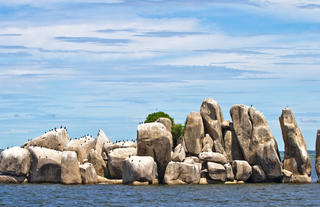
Islands of Culture and Beauty: The lake’s 3,000 islands range from small fishing settlements to larger, picturesque islands such as Ukerewe, renowned for its scenic beaches, traditional villages, and tranquil atmosphere.
Thriving Fishing Communities: Along its Tanzanian shores, fishermen in wooden dhows and canoes cast their nets at sunrise, creating timeless scenes of life on the lake.
Activities in the Area
Visitors to Lake Victoria (Tanzania) can enjoy a wide range of activities that showcase both the lake’s natural beauty and cultural richness:
Fishing Expeditions: Try your hand at catching Nile perch or tilapia with local fishermen, or simply watch the boats return with the day’s catch at dusk.
Boating & Island Hopping: Explore the lake’s many islands by boat or canoe, discovering secluded beaches, fishing villages, and birdlife along the way.
Visit Ukerewe Island: The lake’s largest island, Ukerewe, offers a mix of cultural experiences, cycling trails, and beautiful lakeside viewpoints — ideal for peaceful exploration.
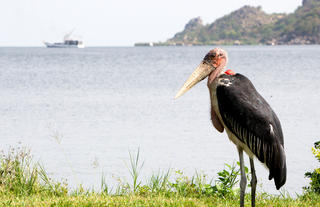
Wildlife Viewing: Spot hippos, crocodiles, monitor lizards, and water birds along the lake’s wetlands and shores. Nearby, Rubondo Island National Park offers a unique opportunity to see chimpanzees, sitatunga antelope, and birds in a pristine island setting.
Birdwatching: The lake attracts over 200 bird species, including African fish eagles, cormorants, egrets, and kingfishers.
Cultural Encounters: Engage with local fishing communities, visit traditional markets in Mwanza or Bukoba, and sample fresh lake fish prepared in local Tanzanian styles.
Waterfront Relaxation: Unwind at lakeside resorts and lodges that offer kayaking, swimming, and sunset cruises over calm, golden waters.
Travel Information
How to Get There
By Road: Lake Victoria is accessible from Arusha and Serengeti National Park by road, with routes leading to Mwanza, Musoma, and Bukoba.
From Arusha, the drive to Mwanza takes about 8–9 hours (700 km), passing through Tanzania’s northern safari circuit.By Air: Daily scheduled flights operate from Dar es Salaam, Arusha, and Serengeti to Mwanza Airport, the main gateway to Lake Victoria.
Charter flights are also available to Rubondo Island Airstrip.
Travel Distances
Arusha → Mwanza (Lake Victoria): ~8–9 hours (700 km)
Mwanza → Ukerewe Island (by ferry): ~3 hours
Mwanza → Rubondo Island National Park: ~1.5 hours by air / 5 hours by boat & road
Mwanza → Serengeti National Park: ~3–4 hours (250 km)
Best Time to Visit
Dry Season (June – September & December – February): Ideal for boating, fishing, and island visits, with clear skies and pleasant temperatures.
Wet Season (March – May & October – November): The surrounding landscapes are lush and green, with excellent birdwatching and photography opportunities.
Why Include Lake Victoria in Your Tanzania Safari Itinerary
Lake Victoria offers a peaceful counterpoint to Tanzania’s classic savannah safaris, combining relaxation, adventure, and cultural immersion.
Its tranquil waters, rich fishing traditions, and picturesque islands provide a perfect place to unwind after a safari in the Serengeti or Ngorongoro Crater.
From Ukerewe Island’s charm to Rubondo Island’s wildlife, Lake Victoria invites visitors to experience a side of Tanzania where life flows as gently as the waters of the Great Lake itself.
Key Attractions
Lake Victoria – Africa’s largest lake and the source of the Nile
Ukerewe Island – Tanzania’s largest island, rich in culture and scenery
Rubondo Island National Park – chimpanzees, hippos, sitatunga, and birdlife
Mwanza City – lakeside gateway and cultural hub
Fishing & Boating – traditional dhows, angling, and sunset cruises
Birdwatching – over 200 water and migratory bird species
Island Beaches & Villages – scenic retreats and authentic local life