Lake Victoria – Tanzania’s Great Inland Sea
Shared by Tanzania, Uganda, and Kenya, Lake Victoria is Africa’s largest lake and the world’s second-largest freshwater body, covering an immense 6.5 million hectares—three times the size of Wales. Known as one of Africa’s Great Lakes, it holds both ecological and cultural significance as the source of the River Nile and a vital lifeline for millions of people living along its shores.
In Tanzania, the lake’s vast waters stretch across the country’s northwestern frontier, creating breathtaking scenery, abundant fishing grounds, and peaceful islands that invite exploration and relaxation.
Location – Northwestern Tanzania
Lake Victoria lies in northwestern Tanzania, bordered by the regions of Mwanza, Mara, and Kagera.
It forms part of the East African Rift Valley system and sits at an elevation of 1,134 metres above sea level.
The Tanzanian portion of the lake boasts the largest share of its shoreline — an impressive 3,440 kilometres — dotted with over 3,000 islands, many of which are inhabited and rich in cultural and natural heritage.
Major lakeside towns such as Mwanza, Bukoba, and Musoma serve as excellent bases for exploring this vast and vibrant region.
Unique Features
Africa’s Largest Lake: Covering more than 68,000 square kilometres, Lake Victoria is a true inland sea — a shimmering expanse that sustains ecosystems, fisheries, and communities across East Africa.
Source of the Nile: The lake’s waters feed into the White Nile, one of the world’s most famous rivers, flowing north through Uganda and beyond.
Incredible Biodiversity: Lake Victoria supports hundreds of fish species, including Nile perch, tilapia, and colourful cichlids, making it a paradise for anglers and aquatic biologists alike.
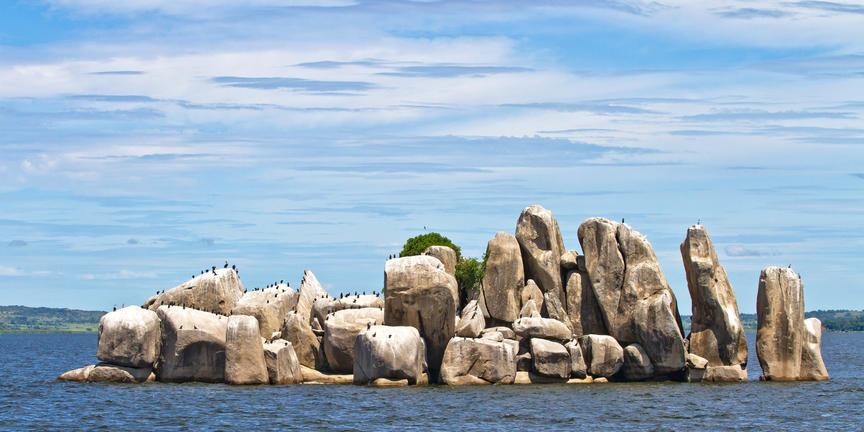
Islands of Culture and Beauty: The lake’s 3,000 islands range from small fishing settlements to larger, picturesque islands such as Ukerewe, renowned for its scenic beaches, traditional villages, and tranquil atmosphere.
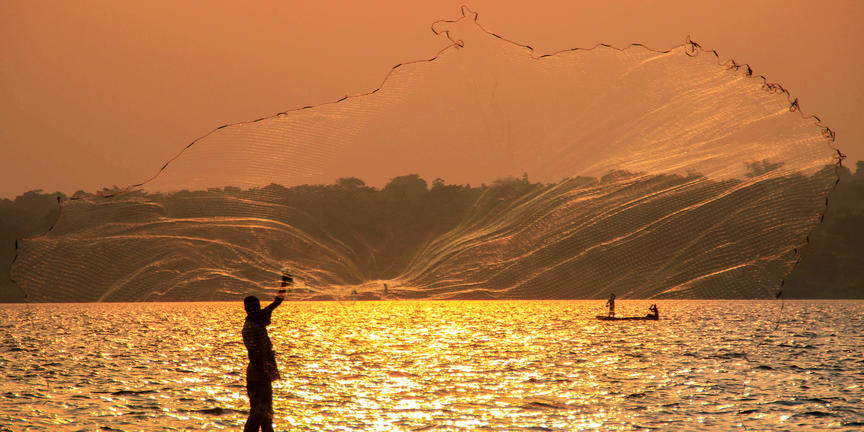
Thriving Fishing Communities: Along its Tanzanian shores, fishermen in wooden dhows and canoes cast their nets at sunrise, creating timeless scenes of life on the lake.
Activities in the Area
Visitors to Lake Victoria (Tanzania) can enjoy a wide range of activities that showcase both the lake’s natural beauty and cultural richness:
Fishing Expeditions: Try your hand at catching Nile perch or tilapia with local fishermen, or simply watch the boats return with the day’s catch at dusk.
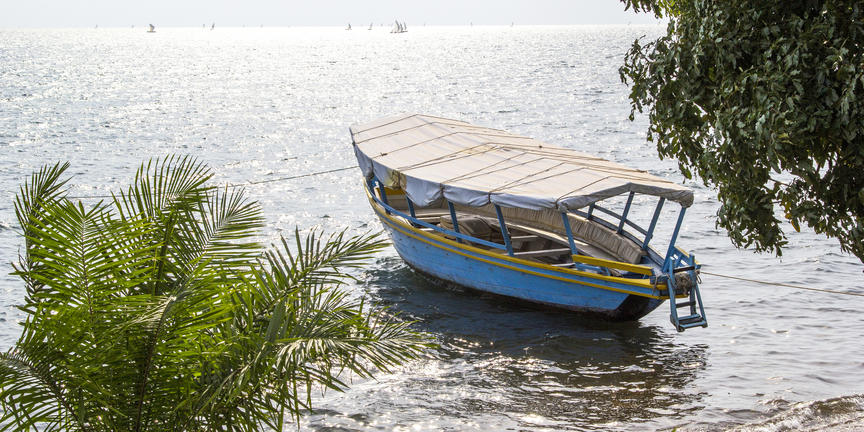
Boating & Island Hopping: Explore the lake’s many islands by boat or canoe, discovering secluded beaches, fishing villages, and birdlife along the way.
Visit Ukerewe Island: The lake’s largest island, Ukerewe, offers a mix of cultural experiences, cycling trails, and beautiful lakeside viewpoints — ideal for peaceful exploration.
Wildlife Viewing: Spot hippos, crocodiles, monitor lizards, and water birds along the lake’s wetlands and shores. Nearby, Rubondo Island National Park offers a unique opportunity to see chimpanzees, sitatunga antelope, and birds in a pristine island setting.
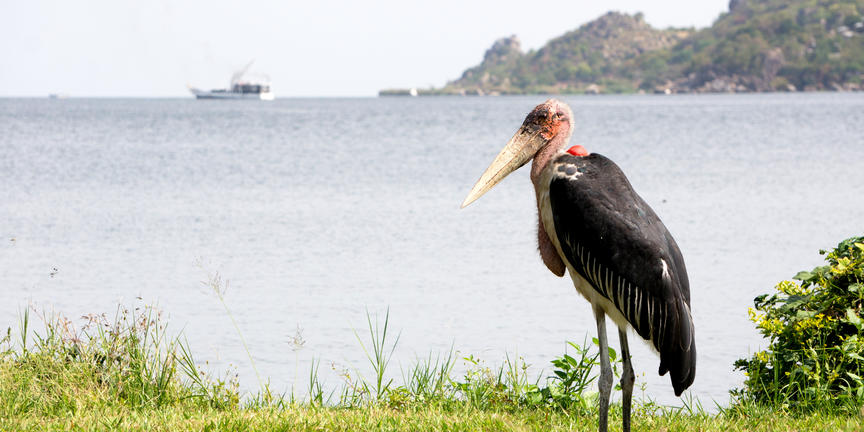
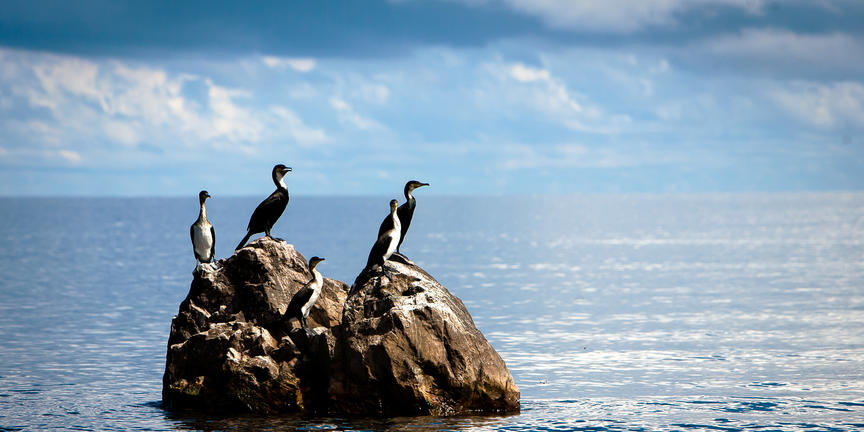
Birdwatching: The lake attracts over 200 bird species, including African fish eagles, cormorants, egrets, and kingfishers.
Cultural Encounters: Engage with local fishing communities, visit traditional markets in Mwanza or Bukoba, and sample fresh lake fish prepared in local Tanzanian styles.
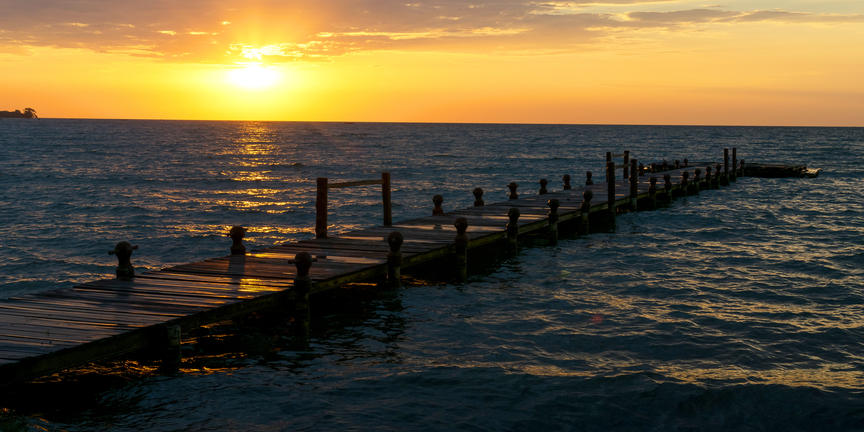
Waterfront Relaxation: Unwind at lakeside resorts and lodges that offer kayaking, swimming, and sunset cruises over calm, golden waters.
Travel Information
How to Get There
By Road: Lake Victoria is accessible from Arusha and Serengeti National Park by road, with routes leading to Mwanza, Musoma, and Bukoba.
From Arusha, the drive to Mwanza takes about 8–9 hours (700 km), passing through Tanzania’s northern safari circuit.By Air: Daily scheduled flights operate from Dar es Salaam, Arusha, and Serengeti to Mwanza Airport, the main gateway to Lake Victoria.
Charter flights are also available to Rubondo Island Airstrip.
Travel Distances
Arusha → Mwanza (Lake Victoria): ~8–9 hours (700 km)
Mwanza → Ukerewe Island (by ferry): ~3 hours
Mwanza → Rubondo Island National Park: ~1.5 hours by air / 5 hours by boat & road
Mwanza → Serengeti National Park: ~3–4 hours (250 km)
Best Time to Visit
Dry Season (June – September & December – February): Ideal for boating, fishing, and island visits, with clear skies and pleasant temperatures.
Wet Season (March – May & October – November): The surrounding landscapes are lush and green, with excellent birdwatching and photography opportunities.
Why Include Lake Victoria in Your Tanzania Safari Itinerary
Lake Victoria offers a peaceful counterpoint to Tanzania’s classic savannah safaris, combining relaxation, adventure, and cultural immersion.
Its tranquil waters, rich fishing traditions, and picturesque islands provide a perfect place to unwind after a safari in the Serengeti or Ngorongoro Crater.
From Ukerewe Island’s charm to Rubondo Island’s wildlife, Lake Victoria invites visitors to experience a side of Tanzania where life flows as gently as the waters of the Great Lake itself.
Key Attractions
Lake Victoria – Africa’s largest lake and the source of the Nile
Ukerewe Island – Tanzania’s largest island, rich in culture and scenery
Rubondo Island National Park – chimpanzees, hippos, sitatunga, and birdlife
Mwanza City – lakeside gateway and cultural hub
Fishing & Boating – traditional dhows, angling, and sunset cruises
Birdwatching – over 200 water and migratory bird species
Island Beaches & Villages – scenic retreats and authentic local life