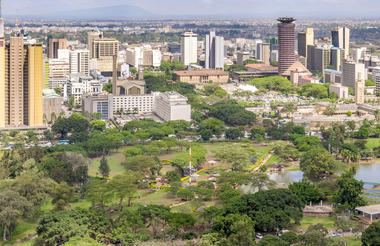
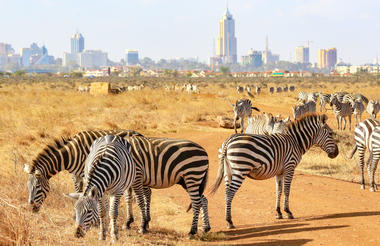
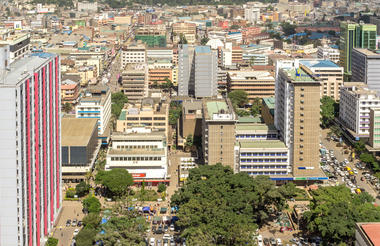
Nairobi is Africa’s 4th largest city and is a vibrant and exciting place and although it has developed a reputation which keeps tourist visits brief there are some fascinating attractions: its café culture, unbridled nightlife, the National Museum, the Karen Blixen Museum and most notably just 20 minutes from the city centre wild lions and buffalo roam in the world’s only urban game reserve.
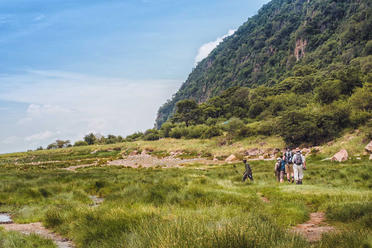
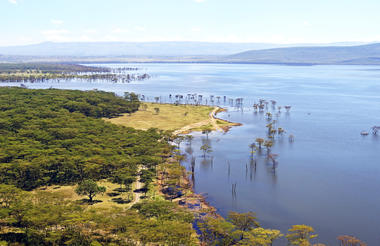
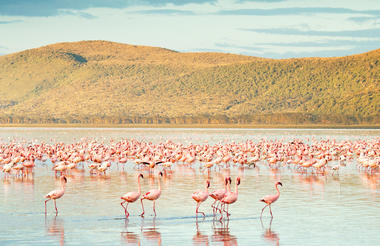
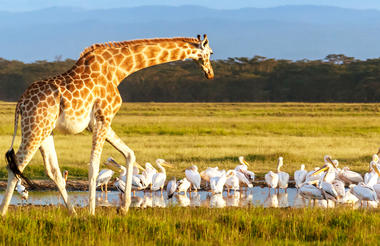
Nakuru is a fascinating city on the shores of western Kenya’s Lake Nakuru. The capital of Nakuru County located in the Great Rift Valley, about ten kilometres from the massive Menengai Crater. A hiking trail leads up to the rim of this ancient caldera, offering bird’s eye views over the lake and surrounds, and then plunges 400 metres down to the floor below, where visitors can walk among ancient forests. Lake Nakuru National Park, surrounding Nakuru, is home to exceptional birdlife, as well as over 50 varieties of mammals including lion, leopard, buffalo, zebra, giraffe, rhino, antelope and various primates. History and culture enthusiasts should make sure to visit the incredible Hyrax Hill prehistoric site.
One of Kenya’s most iconic natural wonders, the Masai Mara National Reserve stretches across more than 1500 square kilometres in the country’s southwest. The park shelters a remarkable array of wildlife, including elephant, lion, leopard, and buffalo that roam its savannahs, while crocodile and hippopotamus inhabit the Mara River. Birdwatchers will delight in the presence of more than 450 resident species. Yet the true spectacle is the Great Migration, named one of the Seven New Wonders of the World. Each July to September, roughly 1.7 million wildebeest trek from the parched plains of Tanzania’s Serengeti to the greener grasslands of the Masai Mara, followed by zebra, antelope, and predators such as lion, hyena, and cheetah. The sight, sound, and raw energy of these vast herds are a once-in-a-lifetime experience for any traveller.
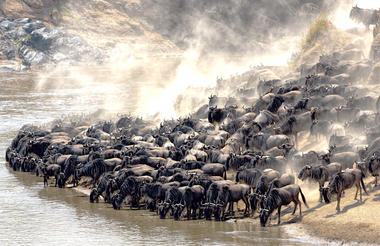
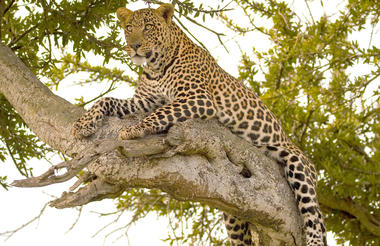
The Serengeti together with Kenya’s Masai Mara Game Park form Africa’s most famous wildlife park. The image of acacia trees on an endless grass plain epitomises Africa for many, and then add a Masai warrior and some cattle to the picture and the conversation need go no further. Unlike the southern plains of the Serengeti that dry out, forcing all but the hardiest of species to leave, the Northern Serengeti remains lush and green throughout the year. The annual wildebeest migration through the Serengeti and the Masai Mara is the largest mass movement of land mammals on the planet – with more than a million animals following the rains. From July through to October the Migration is in the Northern Serengeti and this is where many of the most famous scenes of the Migration occur with almost daily crossings of the Mara River. But that is not where the game viewing ends; large prides of lions, elephants and giraffes in grasslands, gazelles and eland to mention but a few.

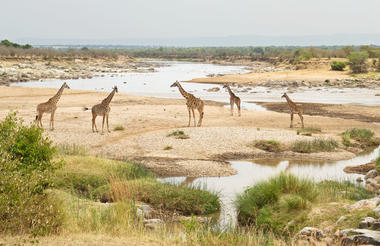
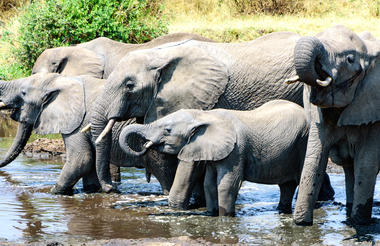
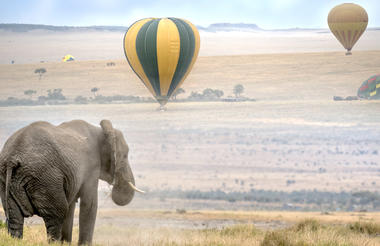
The Seronera region, in the central Serengeti, is set directly on the Great Migration route and offers excellent viewing of this incredible annual phenomenon, when countless wildebeest flood the area and move across the plains. While migratory game populations fluctuate seasonally, Seronera is still a wildlife hotspot at other times of the year, sheltering the Big Five, among many other species. A number of small campsites provide accommodation and visitors can enjoy hot air balloon trips and walking safaris as well as guided game drives.


Travellers heading for the Serengeti and Ngorongoro Crater will inevitably pass through the town of Karatu in the green hills of Tanzania’s northern highlands. Presided over by the towering Ol Deani Volcano, this small, colourful town serves as a popular overnight stop for visitors exploring the area’s many game parks. The town offers a variety of activities including browsing the bustling marketplace, sampling beer at a local brewery, visiting a traditional Iraqw homestead, or taking a guided walk through the Ngorongoro Forest in search of waterfalls and elephants caves. Whether you are looking for cultural tours, hiking and biking opportunities, a chance to enjoy an authentic rural Tanzania experience, or simply a break between safari game drives, this underrated town has plenty to offer.

With the Lake on its east and the Manyara Escarpment to its west the Lake Manyara National Park offers breathtaking views and a large variety of habitats. Acacia woodlands, water forests, baobab strewn cliffs, algae-streaked hot springs, swamps and the lake itself. And thanks to this the small park is able to support a large number of animal species and incredible bird life. Manyara has the largest concentration of baboons anywhere in the world and the lions here are also renowned for their tree climbing.