


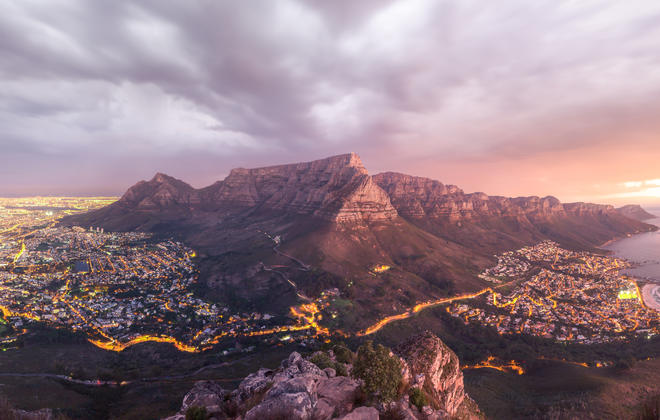
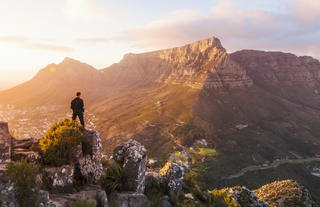
Set at the confluence of the Indian and Atlantic oceans and backed by the iconic Table Mountain, the bustling city of Cape Town presents an alluring combination of drawcards. Incredible powdery white beaches, highly acclaimed wine routes, and astonishingly beautiful mountain trails surround a cosmopolitan hub. This diverse metropolis is filled with superb shops and restaurants, extraordinary heritage monuments, a multitude of entertainment venues, and a spectacular, chic waterfront harbour. Highlights include the Zeitz Museum of Contemporary African Art; Table Mountain's jaw-dropping views; Boulders Beach, where penguins might swim right up to you in the warm Indian ocean waters; the Kirstenbosch Botanical Gardens, where you can walk along a treetop canopy among incredible native flora or watch an open-air concert at the base of the mountain; Robben Island, where visitors can see the cell where Nelson Mandela was imprisoned for 18 years; and many more.


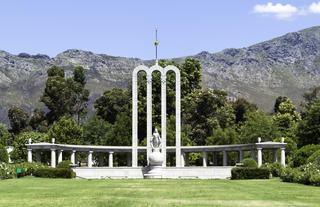
Nestled in a fertile valley surrounded by the rugged peaks of the Cape Winelands, Franschhoek is an elegant heritage village located approximately 75 kilometres east of Cape Town. Known as South Africa’s food and wine capital, it combines a rich French Huguenot heritage with a relaxed countryside atmosphere. Visitors can explore acclaimed estates producing Shiraz, Cabernet Sauvignon, and exceptional Cap Classique sparkling wines, often travelling between vineyards aboard the popular wine tram. Tree-lined streets, historic Cape Dutch architecture, and boutique galleries add to the village’s charm. Summer brings opportunities for hiking and cycling through lush farmland, while winter invites cosy cellar tastings and the acclaimed annual literary festival. The scent of vineyards carried on the breeze, paired with sweeping views of green valleys and dramatic mountain backdrops, creates a refined yet welcoming year-round destination for food, wine, and culture enthusiasts.



Located in the Klein Karoo region of the Western Cape, Oudtshoorn is a charming rural town renowned as the ostrich capital of South Africa. Surrounded by rugged mountains, open plains and striking semi-arid landscapes, it offers a fascinating blend of nature, adventure and heritage. Visitors can explore working ostrich farms, learn about the region's feather farming history, or venture into the spectacular Cango Caves, a vast underground network of limestone chambers. Nearby attractions include the scenic Swartberg Pass, wildlife encounters and opportunities to sample local Karoo cuisine. With its warm climate, dramatic scenery and distinctive character, Oudtshoorn offers an authentic taste of the Klein Karoo.


Sandwiched between the towering Outeniqua Mountains and the Indian Ocean, Knysna is a large town often referred to as the ‘Garden of Eden’, surrounded by stunning bays perfect for sailing, boating, and swimming; picturesque beaches and lagoons; and world-renowned forests. This well-catered town is also a perfect base for safari expeditions at nearby parks such as Knysna Elephant Park, and close-up animal experiences at centres such as Jukani Wildlife Sanctuary, Tenikwa Wildlife Awareness Centre, Birds of Eden, and Monkeyland Primate Sanctuary. From here, enjoy ample opportunities for surfing, swimming, yachting, jet-skiing, boating, fishing, and golfing. Visitors can also look forward to an array of wonderful markets, a picturesque waterfront filled with superb restaurants and shops, and several fantastic art galleries. Make sure to take a ferry trip to the famed Knysna Heads and sample the local oysters.


Located on South Africa’s Highveld plateau, Johannesburg is a fast-paced, creative city shaped by gold-rush history, cultural diversity and constant reinvention. Its atmosphere is energetic and urban, with contemporary galleries, rooftop bars and leafy suburbs existing alongside powerful reminders of the country’s past. Visitors can explore the Apartheid Museum, tour Soweto’s historic streets or browse vibrant markets and design spaces in neighbourhoods such as Maboneng. The city’s soundtrack shifts from lively jazz and amapiano beats to the hum of busy streets, while the scent of grilled street food drifts through open-air cafés and market stalls. Johannesburg rewards travellers who engage with its complexity and culture, though its size, traffic and contrasts mean it is best experienced with some planning and local insight.

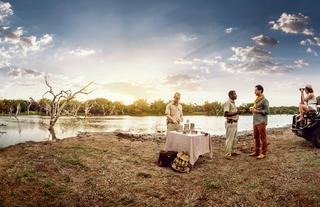

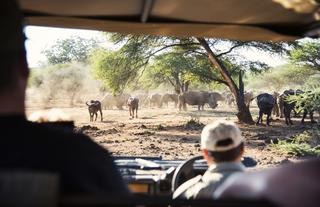
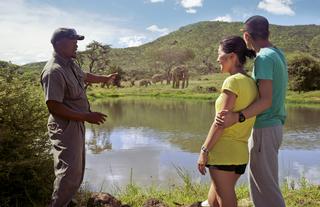
The southern region of South Africa’s most famous game reserve, the Kruger National Pak, is known for its excellent game viewing and abundance of wildlife, including plenty of lion prides and a good chance of seeing rhinos (which have become increasingly hard to find). Boasting some magnificent landscapes and bushveld scenery, southern Kruger is the most popular area of the park and offers a variety of route options for game drives.


The Kruger National Park is South Africa's largest and most visited game reserve, and home to the famous Big Five: lion, leopard, elephant, buffalo and rhinoceros. Spread out over more than 2 million hectares, this pristine wilderness area offers the best year-round game viewing that South Africa has to offer. It is a truly remarkable destination. The Kruger National Park has over 20 different camps and a number of safari lodges situated in private concession areas. Adjacent to Kruger are a number of private game reserves that share unfenced boundaries with Kruger, creating one of the largest conservation areas in the world. Because of its exceptional size you can experience amazing diversity – from the scenery and ecosystems to the correspondingly amazing array of animals, trees and birds. Kruger has the largest variety of mammals of any national park in Africa. It is without doubt South Africa's top safari destination and a trip to the Kruger National Park is an unforgettable and potentially life changing experience.


Today we head to the Timbavati. The Timbavati Private Game Reserve shares a common, unfenced border with the famous Kruger National Park and boasts a range of exclusive safari lodges. The region is best known for the ‘white lions of Timbavati’, two unusually pale (almost white) lion cubs discovered here in the 1970s, their colour due to a rare recessive gene. White lions are rare but can still occasionally be seen in the Timbavati. This is a “Big Five” Game Reserve: lion, leopard, rhino, elephant and buffalo roam freely as do many more species of predators, antelopes and other iconic animals. Over 40 mammal species and 350 bird species have been identified within the area. The Timbavati offers excellent year round game viewing. It is without a doubt one of South Africa's prime safari destinations.


Widely regarded as one of East Africa’s most dynamic and cosmopolitan cities, Nairobi sits along the Nairobi River and serves as Kenya’s capital and largest urban centre, acting as a major gateway for safari travel across the country. The city features a growing café culture, active nightlife, and cultural landmarks such as the National Museum of Kenya and the Karen Blixen Museum. Just outside the city centre lies Nairobi National Park, where wildlife, including lions, giraffes, and buffalo, roam against a backdrop of skyscrapers — one of the rare cases in the world where a major national park borders a capital city. Visitors also often stop at the David Sheldrick Wildlife Trust elephant orphanage for close encounters with rescued calves.


One of Kenya’s most iconic natural wonders, the Masai Mara National Reserve stretches across more than 1500 square kilometres in the country’s southwest. The park shelters a remarkable array of wildlife, including elephant, lion, leopard, and buffalo that roam its savannahs, while crocodile and hippopotamus inhabit the Mara River. Birdwatchers will delight in the presence of more than 450 resident species. Yet the true spectacle is the Great Migration, named one of the Seven New Wonders of the World. Each July to September, roughly 1.7 million wildebeest trek from the parched plains of Tanzania’s Serengeti to the greener grasslands of the Masai Mara, followed by zebra, antelope, and predators such as lion, hyena, and cheetah. The sight, sound, and raw energy of these vast herds are a once-in-a-lifetime experience for any traveller.


Situated in southwestern Kenya, the Masai Mara encompasses the celebrated national reserve and its surrounding community conservancies, forming part of the Greater Serengeti–Mara ecosystem. Rolling savannahs, dotted with acacia trees and crossed by the Mara River, create a rich and varied landscape. Vast herds of wildebeest, zebra, and antelope graze across the plains, while elephants, giraffes, and buffalo roam freely. The river’s lush banks support hippos and crocodiles and sustain wildlife throughout the dry season. Predators are abundant, with lions, leopards, cheetahs, and hyenas regularly seen in action. Each year, the spectacular Great Migration transforms the region, as millions of wildebeest and zebra traverse the plains. Visitors can soak up the breathtaking scenery, diverse wildlife, and Maasai cultural heritage in one of Africa’s most iconic safari destinations.


Located only an hour's drive from Stone Town, near the village of Paje on the beautiful eastern coast of Zanzibar, the seaside resort town of Dongwe features endless white-sand beaches meeting crystal- clear azure waters. Travellers from around the globe flock to this little corner of paradise for the quintessential beach-island getaway. Dongwe is encircled by lush tropical vegetation with an offshore coral reef teeming with colourful tropical fish and an array of other marine life. It boasts a wide selection of wonderful fully-equipped beachside resorts. Visitors can look forward to a variety of activities including: swimming with wild dolphins, enjoying fascinating forest excursions, and sampling delicious local cuisine, which known for its variety of aromatic spices.


