
South Africa is one of the most culturally and geographically diverse countries in the world. Fondly known as the Rainbow Nation, it embraces 11 official languages and a fascinating blend of traditions shaped by its people and landscapes.
In Cape Town, dramatic mountains meet golden beaches, and the city pulses with creativity. Discover gourmet restaurants, a thriving art scene, vibrant nightlife, and the relaxed charm of coastal living. Just beyond the city, the Cape Winelands invite you to sample some of the world’s finest wines, while Robben Island offers a powerful glimpse into the nation’s past.
Head to Johannesburg to experience the energy of Soweto township, where a local braai (barbecue) is more than a meal; it’s a celebration of community. The Apartheid Museum provides deep insight into South Africa’s history, while Durban’s bustling Indian markets showcase the country’s rich cultural mix. KwaZulu‑Natal’s Zululand battlefields tell stories of courage and conflict, adding another layer to the country’s heritage.
And then there’s the wilderness. South Africa’s untamed landscapes are astonishing: wildlife roams freely across vast, unfenced game reserves, including the world‑famous Kruger National Park. From lions and elephants to rare birdlife, the country offers unforgettable encounters with nature.
South Africa is not just a destination, it’s a journey through contrasts: modern cities and ancient traditions, gourmet dining and township street food, rugged wilderness and serene coastlines. Wherever you go, you’ll find warmth, resilience, and a spirit that makes this country truly unique.
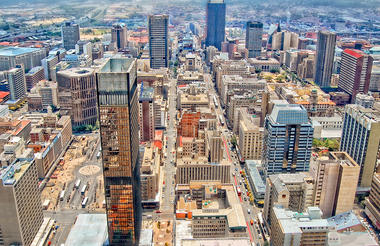
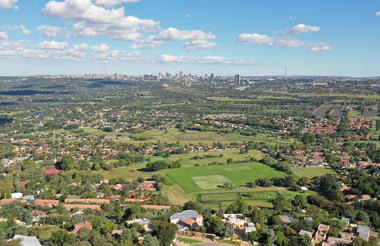
Johannesburg, also known as Joburg or eGoli (City of Gold), is the largest city in South Africa and the country's economic heart. Although it is not the capital, Johannesburg is the seat of the Constitutional Court. The city emerged in the late 19th century following the discovery of gold on the Witwatersrand, leading to rapid growth and the establishment of the gold industry, which served as the economy's primary pillar for decades.
The exact origin of the name Johannesburg is not certain, as several individuals named ‘Johannes’ were involved in the city's early history. The most plausible explanation is that the city was named after Johann Rissik and Christiaan Johannes Joubert, who selected the site for the new mining town. Before the arrival of the first Europeans and Boers, the region was inhabited by nomadic San people and later by Bantu tribes who settled in the area.
Today, Johannesburg is a global city renowned for business and international trade. It home to the country’s largest airport, OR Tambo International Airport, and serves as a vital hub for imports and exports. While the city has a reputation regarding crime, the situation has improved over the past decades compared to the turn of the century, and the city has evolved into a dynamic centre for culture and innovation.
Welcome to the world-renowned Kruger National Park, the flagship of South African wildlife conservation. This vast reserve is not just a paradise for nature lovers but also holds a fascinating history dating back to the 19th century.
A Brief History
In response to increasing hunting pressure, President Paul Kruger established the Sabie Game Reserve in 1898. After the Boer War, Major James Stevenson-Hamilton passionately expanded the area. In 1926, it officially became South Africa's first national park, named after its founder. Today, it covers roughly 20,000 km² and forms part of the Great Limpopo Transfrontier Park, connecting with parks in Mozambique and Zimbabwe.
Wildlife Highlights
The park is legendary for its biodiversity, most notably the Big 5: lion, buffalo, leopard, rhino, and the African elephant. In fact, Kruger sustains one of the largest elephant populations in the world. Beyond the Big 5, you can spot giraffes, wild dogs, hippos, cheetahs, and an incredible array of birdlife.
Essential Rules & Tips
To protect this unique ecosystem, please adhere to the following:
Stay inside: Only exit your vehicle at fenced camps or designated picnic spots.
Timing: Gates are open from 06:00 to 17:30 during your trip. Being caught on the roads after hours results in a fine.
Speed: Limits are 50 km/h on tar and 40 km/h on gravel. Always allow extra time to reach your destination before sunset.
Dining: Most camps feature restaurants like Mugg & Bean. Personal Note: You’ll also find Wimpy outlets frequently; however, I personally find the quality quite poor and would recommend looking for other options where available.

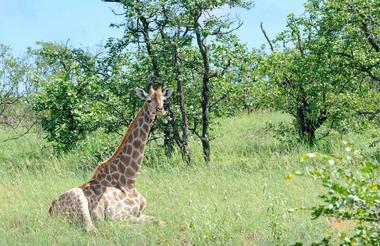
Mapesu Private Game Reserve is tucked away in the untouched vastness of Northern Limpopo, spanning 7,200 hectares of diverse and picturesque landscapes. The terrain ranges from lush wetlands to the magnificent grandeur of ancient baobab trees. Here, visitors have the opportunity to encounter a wide variety of wildlife, including the complete Big Five. In addition to elephants, lions, leopards, buffalo, and rhino, the reserve teems with other iconic African animals such as giraffes, zebras, hippos, and crocodiles.
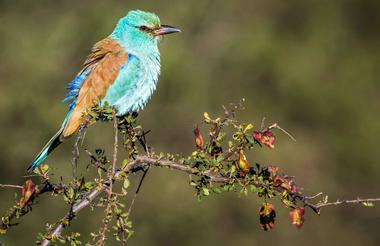
For those with an interest in birding and history, Mapesu offers incredible depth. The vibrant birdlife ranges from majestic eagles to colourful hornbills. A true highlight within the reserve is Koaxa’s Rock Art Shelter, an archaeological gem featuring ancient San rock art, some of which dates back 3,000 years. This adds a rich cultural layer to the safari experience. Beyond traditional game drives, guided walks to these historical sites are highly recommended for travellers looking to blend nature with heritage.
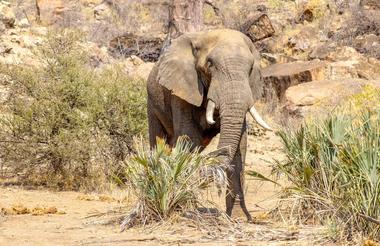
Situated in the southern reaches of Africa, Botswana is renowned for its pristine wilderness areas characterised by deep lagoons, wetlands, lush palms, rugged hills and desert plains. The country’s primary tourist drawcard is undoubtedly the vast red expanse of the Kalahari Desert and its remarkably beautiful Okavango Delta, the largest inland delta in the world. These natural wonders provide a tranquil haven for an abundance of African wildlife to thrive. Other highlights include the impressive Makgadikgadi Salt Pans, where visitors are privy to massive zebra migrations during the flood season; the Savuti plains, which host a significant pride of lions; and the Tsodilo Hills, where 4500 rock paintings form a unique record of human settlement over many millennia.
In the eastern part of Botswana, nestled between South Africa to the east and Zimbabwe to the north, lies the Central Tuli Block: a narrow strip of land in the far eastern corner of the country. This expansive stretch of unspoiled African bushveld is known as an excellent safari destination, home to a collection of exclusive, privately owned wildlife reserves scattered across the landscape.
Visitors can enjoy spectacular and varied scenery, with a rich diversity of African wildlife found throughout the region. The area includes several impressive reserves, such as the Northern Tuli Game Reserve, Mashatu Game Reserve, the Tuli Safari Area, and a number of private concessions. Together, they offer a unique mix of open plains, striking rock formations, riverbeds, and dense bushveld, making this one of Botswana’s most diverse safari regions.
It is a destination for travellers who appreciate peace, nature and exclusivity, with abundant opportunities for exceptional wildlife viewing in a landscape unlike anywhere else in the country.


South Africa is one of the most culturally and geographically diverse countries in the world. Fondly known as the Rainbow Nation, it embraces 11 official languages and a fascinating blend of traditions shaped by its people and landscapes.
In Cape Town, dramatic mountains meet golden beaches, and the city pulses with creativity. Discover gourmet restaurants, a thriving art scene, vibrant nightlife, and the relaxed charm of coastal living. Just beyond the city, the Cape Winelands invite you to sample some of the world’s finest wines, while Robben Island offers a powerful glimpse into the nation’s past.
Head to Johannesburg to experience the energy of Soweto township, where a local braai (barbecue) is more than a meal; it’s a celebration of community. The Apartheid Museum provides deep insight into South Africa’s history, while Durban’s bustling Indian markets showcase the country’s rich cultural mix. KwaZulu‑Natal’s Zululand battlefields tell stories of courage and conflict, adding another layer to the country’s heritage.
And then there’s the wilderness. South Africa’s untamed landscapes are astonishing: wildlife roams freely across vast, unfenced game reserves, including the world‑famous Kruger National Park. From lions and elephants to rare birdlife, the country offers unforgettable encounters with nature.
South Africa is not just a destination, it’s a journey through contrasts: modern cities and ancient traditions, gourmet dining and township street food, rugged wilderness and serene coastlines. Wherever you go, you’ll find warmth, resilience, and a spirit that makes this country truly unique.
The Waterberg Biosphere is situated amidst the towering Waterberg Mountains in the Limpopo province and, as the name suggests, serves as a vital water reservoir for the region. The landscape is renowned for its rugged beauty, characterised by low-lying mountain ranges, escarpments, and a network of streams, rivers, and lakes.
It is home to South Africa’s very first savannah biosphere reserve and includes numerous other nature reserves that provide a protected habitat for a diverse range of wildlife. Visitors can enjoy a relaxing stay at natural hot springs, discover the ancient archaeological sites of Makapans Valley, a World Heritage site, and observe the prolific birdlife in the Nylsvley Wetlands.


Pilanesberg National Park is one of South Africa's most fascinating wilderness areas. Located in the North West province, just a three-hour drive from Johannesburg, the park is uniquely situated within the crater of an extinct volcano that dates back millions of years. This alkaline complex is one of the best-preserved examples of its kind in the world. Due to its position in the transition zone between the dry Kalahari and the wetter Lowveld bushveld, it hosts an incredible variety of flora and fauna.
As Pilanesberg is a malaria-free area, it is a preferred destination for families and travellers seeking an accessible safari experience. The park is home to the complete Big Five (lion, leopard, elephant, buffalo, and rhino) and provides habitat for over 360 bird species, making it a paradise for birdwatchers.
Visitors to Pilanesberg can enjoy the following activities:
Game Drives: Explore the park in your own vehicle or join a guided safari in an open-top vehicle for the best chance to spot predators.
Hot Air Balloon Safaris: Enjoy the ultimate experience by drifting over the volcanic crater and roaming wildlife at sunrise.
Birdwatching and Hides: Utilise strategically placed bird hides near waterholes, such as the Mankwe Dam, for spectacular photographic opportunities.
Walking Safaris: Discover the smaller details of the bush and the crater's geological history during a guided bush walk with a ranger.


