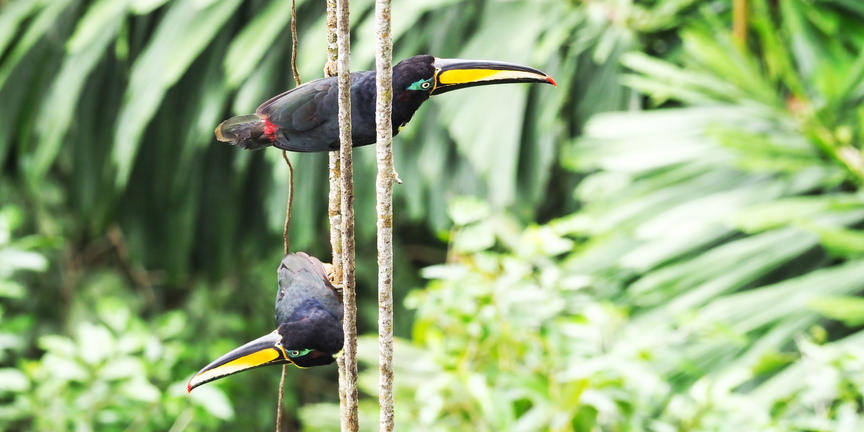
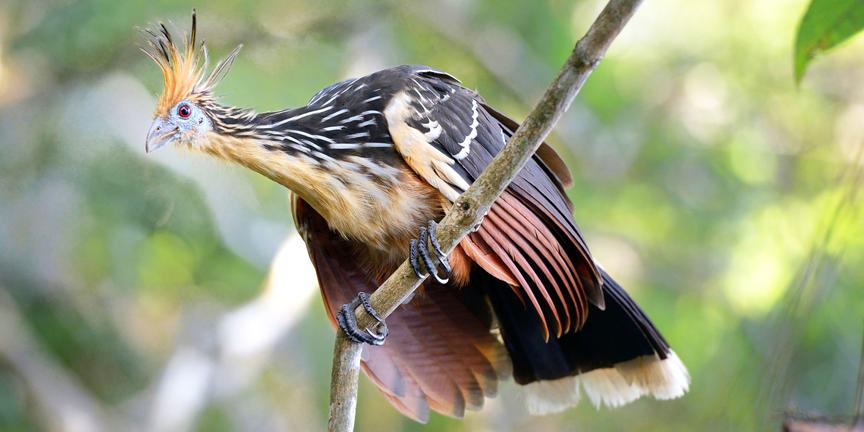
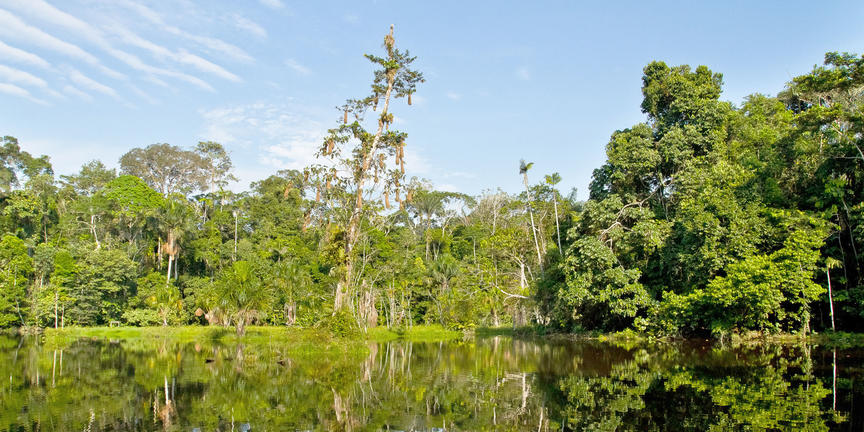
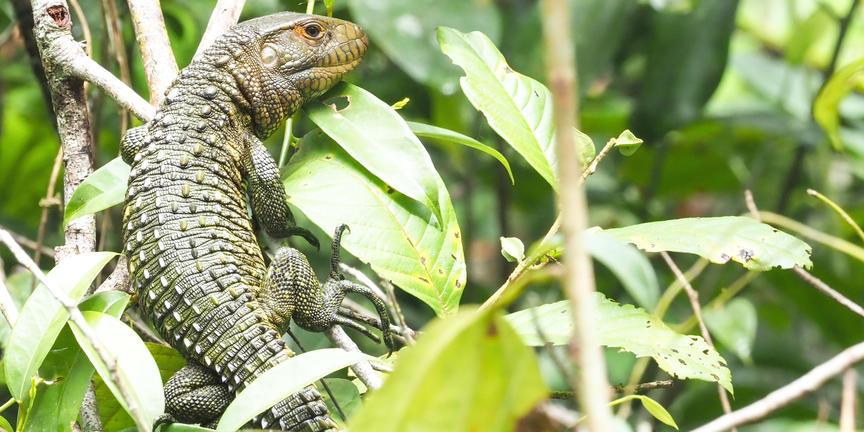
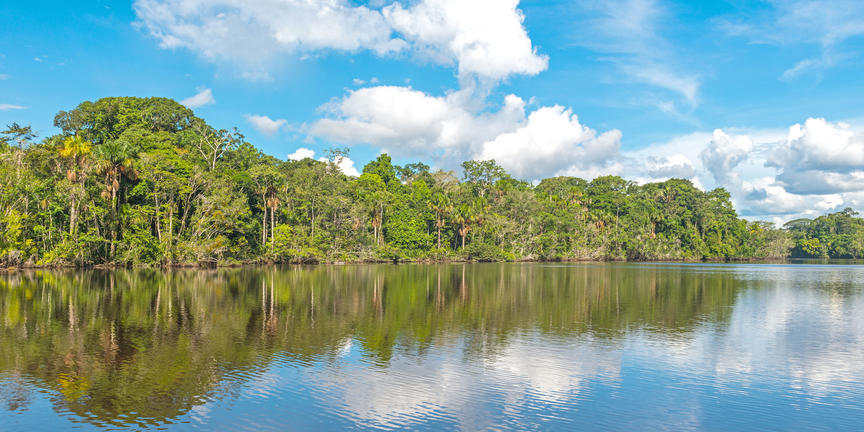
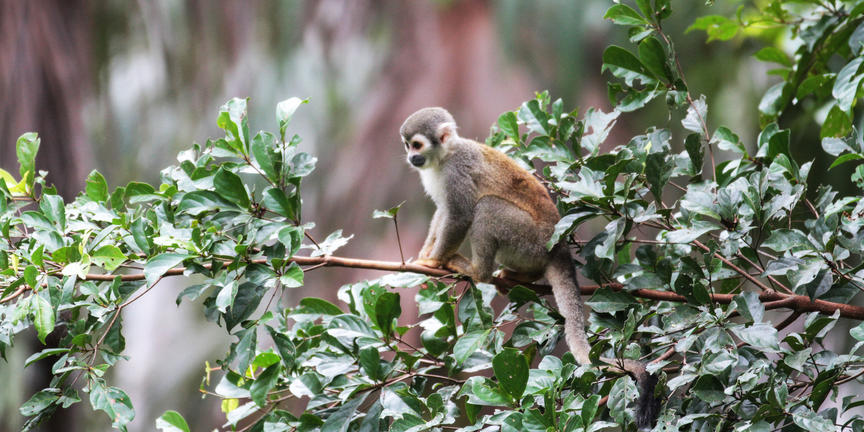
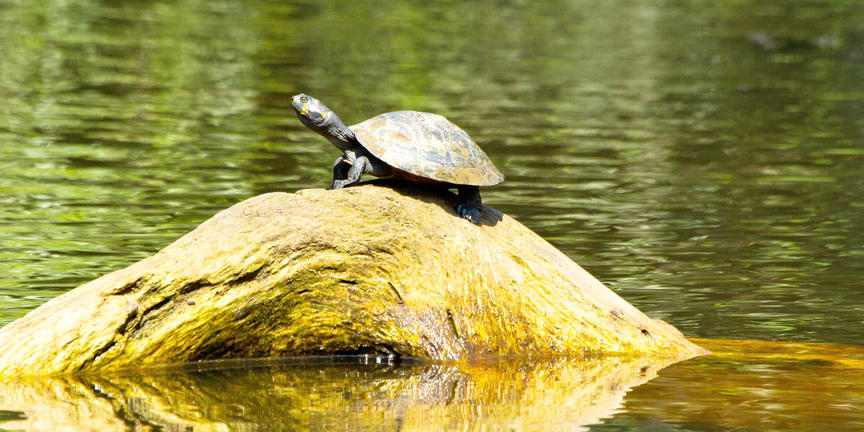
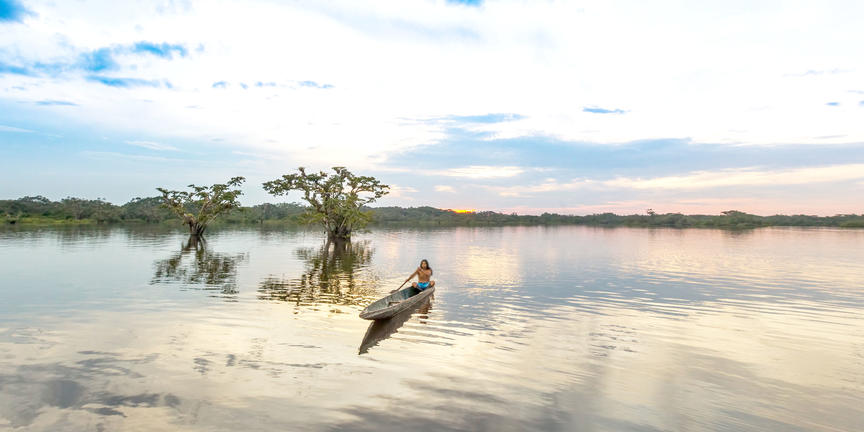
Tucked between Colombia and Peru, Ecuador is a relatively small country that nevertheless offers an enticing array of scenic landscapes, diverse wildlife species and interesting cities. Dense Amazon rainforest teeming with life, towering Andean mountain peaks, palm-fringed Pacific Coast beaches and fascinating historical sites are all part of Ecuador’s prolific charms. The vibrant capital city of Quito is worth a visit for its beautiful Old Town, wonderful dining and shopping, and excellent museums. The former Inca town of Cuenca is the nation’s third-largest city and a UNESCO World Heritage Site. This alluring city, with its cobbled streets, beautiful architecture and photogenic plazas, boasts a huge variety of museums and art galleries. Arguably the most dazzling jewel in Ecuador’s crown is the Galapagos Archipelago in the Pacific, about 1,000 kilometers west of the mainland and a world away from anywhere else. The Islands' magnificent, pristine landscapes and prolific wildlife, which inspired Charles Darwin, have made this cluster of islands a world-famous travel destination.
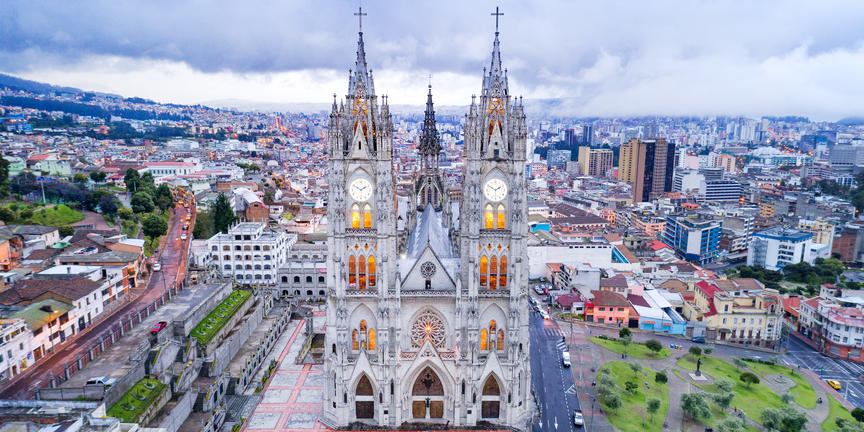
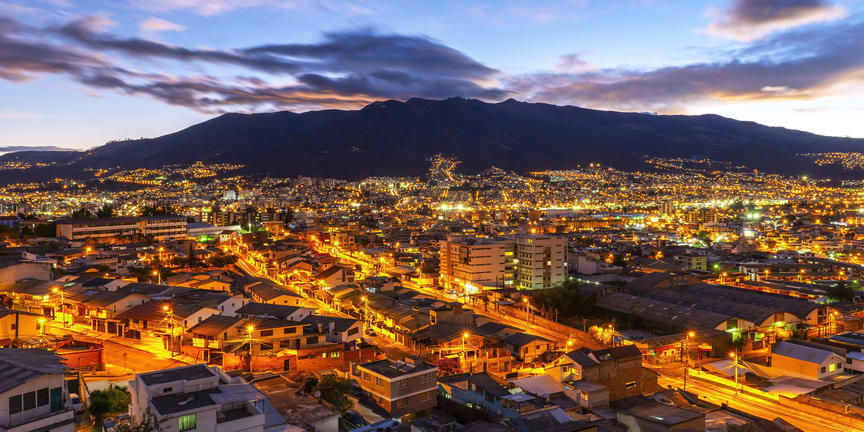
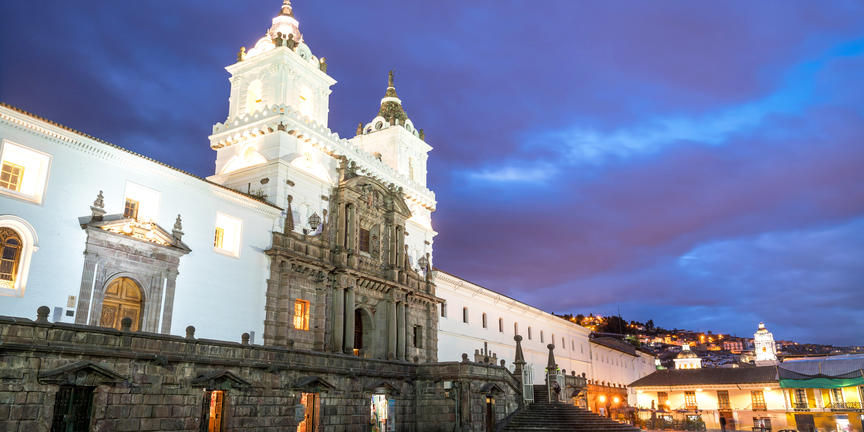
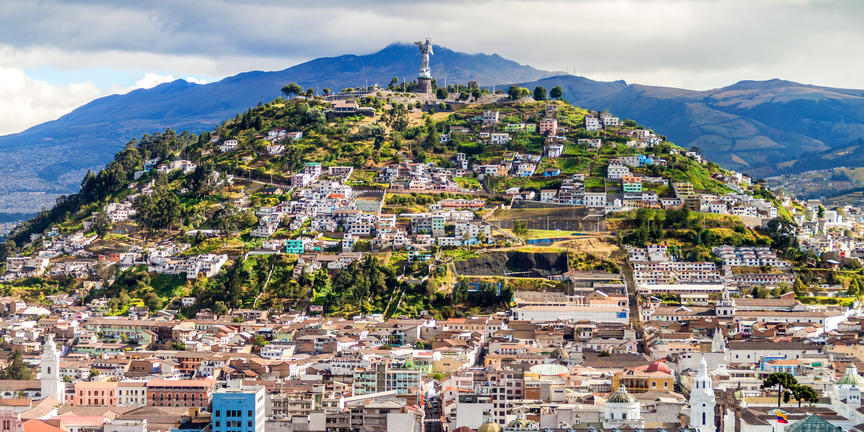
Quito, the capital of Ecuador, lies on the slopes of the Andes’ mighty Pichincha volcano in the Guayllabamba river basin. The city’s Old Town is its main attraction - one of the most well preserved in Latin America and the first-ever UNESCO heritage site. Wander among ancient, colourful streets; pop into glorious historic churches; or spend an afternoon browsing the vibrant Mercado (markets) and learning about the unique, traditional Ecuadorian Sierra culture. Other bucket list items in Quito include a visit to the impressive Casa Museo Guayasamín; the Museo de la Presidencia which provides insight into Ecuador’s history; and a climb up the iconic towers of the Basilica. Numerous gorgeous public parks and a thriving and exciting culinary scene complete the package.
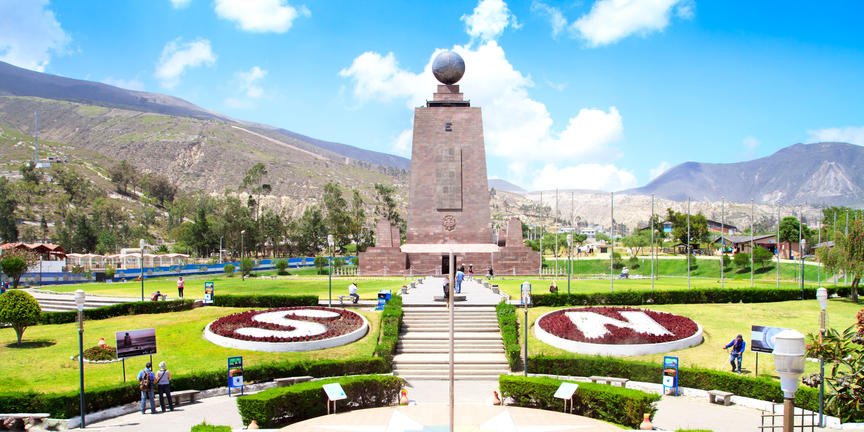

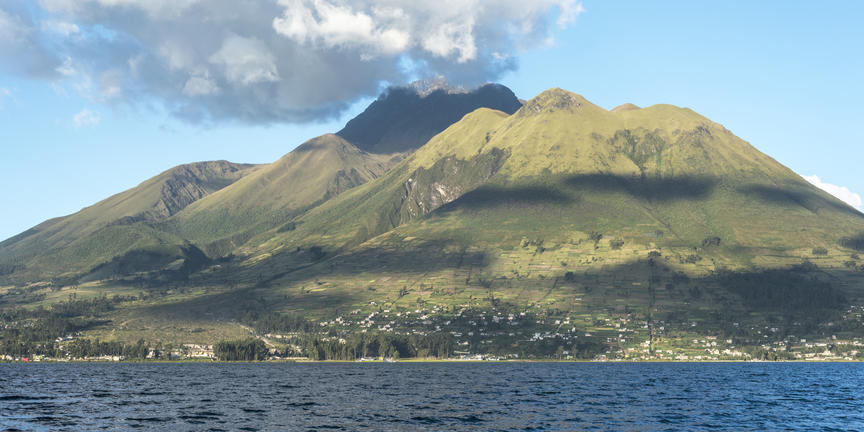
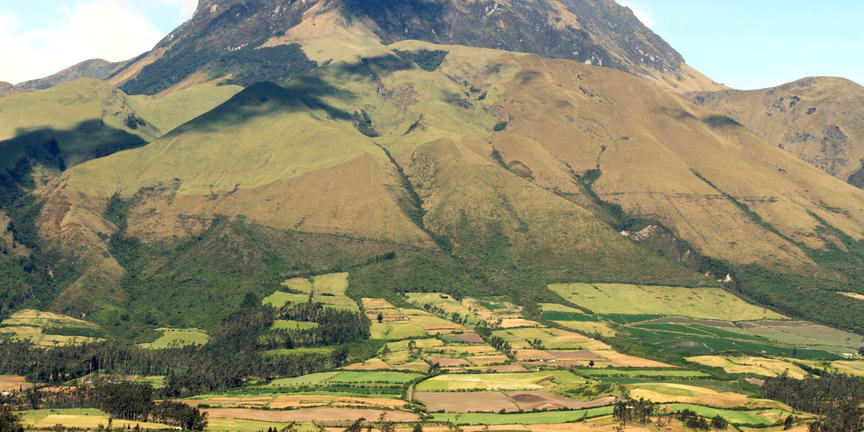
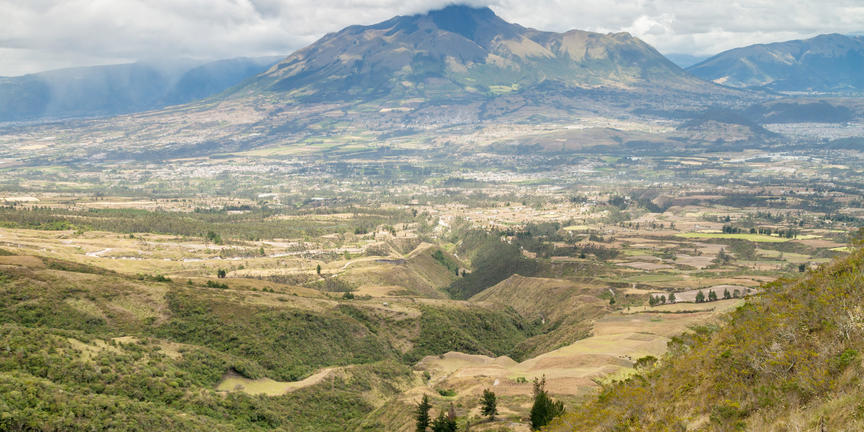
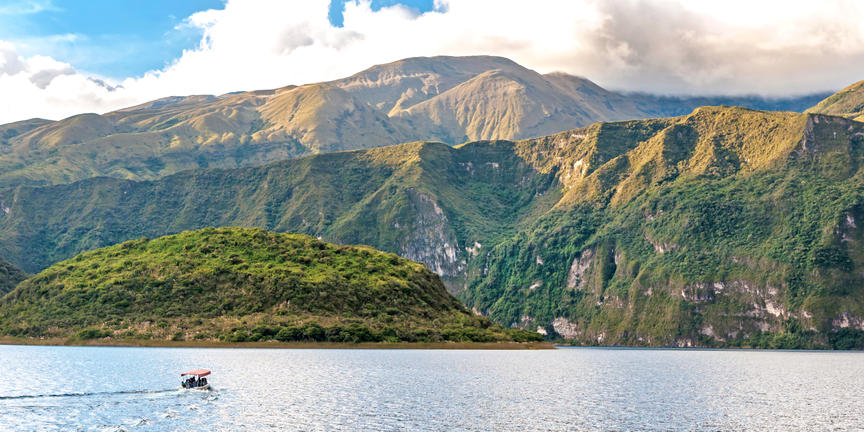
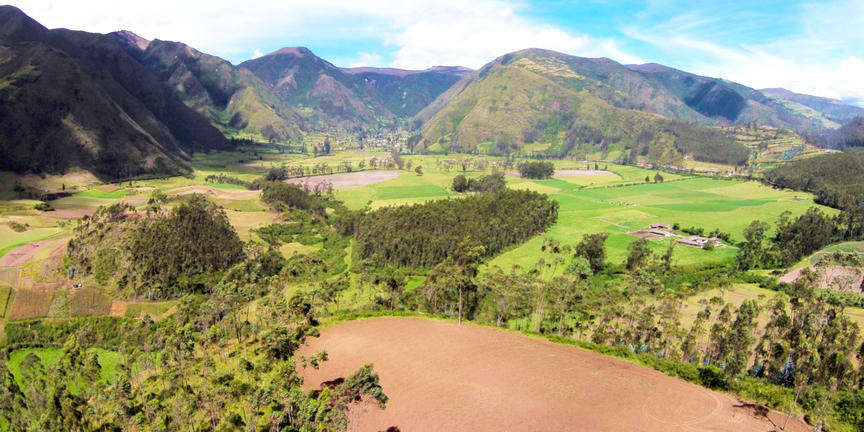
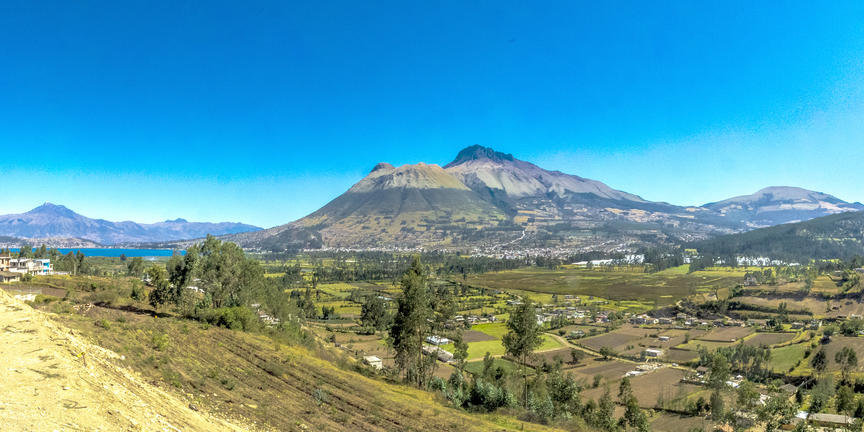
The picturesque rural parish of Angochagua lies in Ecuador’s northern Andes, where high-mountain landscapes, páramo, and Andean forest create a dramatic setting for hiking, wildlife, and cultural experiences. Much of the surrounding countryside is characterised by steep volcanic terrain, springs and waterfalls, including the Cóndor Yaku waterfall, reached by a trail through high-montane forest. Wildlife is another draw, with Andean condors soaring above the mountains and the Condor Huasi Project at Hacienda Zuleta working to conserve and reintroduce the threatened birds. The area also has a remarkable archaeological heritage, particularly the large Caranqui ramp-mound complex at Hacienda Zuleta, dating to the culture's Late Period. Visitors can round out their experience by meeting local Kichwa communities and discovering their distinctive embroidery, traditional cuisine, music and rural way of life.
The Ecuadorian province of Orellana lies along the northeastern border and is located very close to the Amazon rainforests, near the confluence of the Coca and Napo Rivers. It serves as an ideal base for jungle adventures and discovering the cultures of the indigenous people - the Taguareis, Kichwa, and Sachas tribes live here, some in their native forests. Start by visiting the Museo Arqueologico Centro Cultural Orellana to gain insight into thousands of years of forest culture. There are also wonderful traditional villages to explore. Primary attractions include the Yasuni National Park, the Cuyabeno Wildlife Reserve, and the Sumaco Napo-Galeras National Park. The province’s name and capital city, Puerto Francisco de Orellana, was inspired by the El Dorado explorer Francisco de Orellana. From Orellano, visitors can take boats to Peru, Colombia, and Brazil.