


Despite remaining firmly off the popular tourist trail, South Korea is a dream destination – an intriguing, welcoming nation which seamlessly combines the conveniences of modernity with a deep reverence for their remarkable 5000-year-old cultural heritage. The nation’s capital of Seoul, for example, is packed with massive shopping malls alongside traditional markets, while state-of-the-art skyscrapers stand adjacent to the remains of ancient royal palaces. Travellers looking to escape this vibrant megatropolis will find that the tranquillity of nature is easily accessible due to the country’s exceptional transport system which will whisk you away to far-flung wilderness areas where you can explore magnificent mountainous areas enclosed by densely forested national parks and dotted with peaceful villages surrounded by picturesque rice paddies. While South Korea’s cities provide enough adventure to fill any itinerary, it is beyond these urban expanses that its real natural beauty unfolds in all its of startling variety.
The architectural aesthetic of South Korea's capital city, Seoul, reflects an enticing blend of old and new. State-of-the-art skyscrapers, glistening office blocks and vast modern shopping centres dominate the skyline. Despite being one of the world's most modern and vibrant mega-cities, tucked at the base of this glass, steel and concrete jungle, you will find a warren of winding cobbled streets lined with traditional wooden houses and a slew of historical sites, tranquil parks, sacred shrines and temples, and quaint tea houses. The sprawling night markets where travellers can sample some of Korea's most deliciously spicy national dishes with their alluring aromas and unique tastes are well worth visiting. Seoul is characterised by a fast-paced, frenzied atmosphere with a natural escape near a magnificent chain of peaceful mountains, all within walking distance of the city's remarkably efficient public transport system.
Must-see attractions include the opulent palaces dating from the late 14th century surrounding this dynamic and enchanting metropolis.


Gyeongju, known as the ‘museum without walls’, is nothing short of enchanting, its urban landscape rich with traditional architecture, distinctive round grass tombs (called tumuli), temples, rock carvings, statues, ruins and pagodas embraced by rolling green mountains. Bulguk-sa temple on the slopes of Mount Toham is situated on a series of stone terraces is a UNESCO World Cultural Heritage site and a must-see, as is the Gyeongju National Museum with its displays of jewellery, weaponry and ceremonial items. Pop into Golgul-sa temple for a display of Korean martial arts, hike or enjoy a trail in the Gyeongju National Park, visit Cheomseongdae Observatory, the oldest observatory in the Far East, and enjoy a host of fresh seafood at the sheltered market near Geyongju train station.


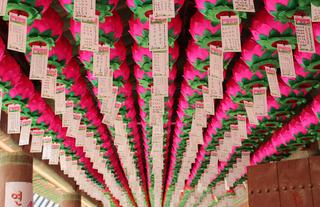
Located in South Korea’s southern peninsula, this thriving port city has an immediate cosmopolitan appeal; with an eclectic mix of sights, sounds and tastes for travellers, Busan manages to be surprisingly laid back. Beomeosa Temple, situated deep in the mountains, and the Yonggungsa Temple, located along the shoreline, are not to be missed. Wander the halls of the Busan Modern History Museum and visit the colourful alleyways of Gamcheon Cultural Village. Dongbaek Island and Nakdong River Estuary are perfect for birdwatching. Stroll through the fish markets to sample a wide variety of seafood and pop into a tent bar or chic café for sunset drinks when the day is done.


Jeju Island, also known as “The Island of the Gods”, is a South Korean province located off the south coast. It is a prime destination due to its subtle tropical climate and access to excellent hiking trails atop Hallasan - South Korea’s highest mountain, the majestic Cheonjiyeon Waterfall, and an abundance of fascinating sites to visit if one is interested in Korean culture and local folklore. Jeju Folk Village Museum provides a glimpse into the past with structures and artefacts relating to the island’s unique history. Daheeyeon features a lush green tea farm in addition to the renowned Geomunoreum Lava Tube System, while Osulloc Tea Museum allows guests to explore the proud tradition of tea drinking. Jeolmul Natural Recreation Forest contains several cedar trees within walking distance and enchanting viewpoints. The Jeju Stone Park provides another entrancing experience with sculptures that evoke memories of this island’s myths and legends.


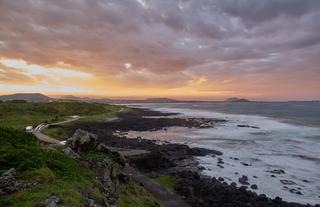
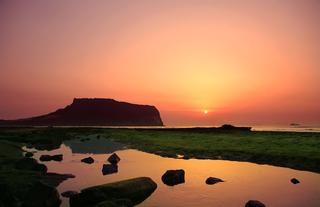
Perhaps best known for its traditional-medicine markets, and humming, carefree student vibe, ‘Colourful Daegu’ as it’s called, is a fun, progressive and popular South Korean destination. Hiking in the nearby Palgongsan mountains will bring you face to face with myriad Buddhist temples, statues and pagodas. For views of the city, take the cable car to Apsan and visit the observatory there. Don’t miss out on a trip to the Daegu National Museum, the Museum of Oriental Medicine or the Herbal Medicine Market (dating from 1658). And if the mood grabs you, head off to downtown Daegu where you’ll find some of the best swing and salsa clubs around.


Situated in the North Gyeongsang Province of South Korea, Andong serves as the capital and largest city of the region. Renowned as the birthplace of wooden folk masks, and the national drink of Korea - Soju; this city boasts a rich cultural heritage. It is a centre for Korean culture and folk traditions. Visitors can look forward to participating in folk dances, sampling local specialities and stay on overnight in the UNESCO-listed Hahoe Folk Village. Don’t miss the annual Andong Folk Festival where visitors can immerse themselves in an array of ancient traditions. Other highlights include Hwasan Mountain, Nakdong River, and Buyongdae, a 64-metre-high cliff offering visitors a bird’s eye view of the stunning landscape and the traditional homes of Haehoe Village.


Situated along the eastern coast of South Korea, Sokcho is set in Gangwon-do province. This tourist hub serves as a gateway to the popular Seoraksan National Park. It is a holiday destination as well as a working fishing port. Visitors flock here to hike the scenic forest trails to see the changing autumn leaves. Take a cable car to the peak of Seoraksan, sample the famous sweet and sour Mansuk Fried Chicken at the Jungang Market, view the impressive bronze Buddha Statue at Sinheungsa Temple, enjoy an array of fresh seafood at the Daepo Fish Market, taste a local speciality of Squid Sundae, a type of squid sausage; and relax on Sokcho Beach. Don’t miss a visit to Abai Village, a hidden gem, known for its rustic charm and rich history.


Situated along the picturesque Yellow Sea, Incheon boasts an impressive skyline adorned with skyscrapers and modern architectural marvels that dominate the cityscape. From the serene Incheon Grand Park and its lush vistas to the contemporary Incheon Art Platform, where creativity flourishes, there is something for every taste. The breathtaking views of the Yellow Sea from Eurwangni Beach leave a lasting impression, while the vibrant Sinpo International Market tantalizes with its bustling atmosphere and unique flavours. The ancient Jeondeungsa Temple offers a glimpse into Korea's rich spiritual heritage, and the lively Wolmido Island promises endless entertainment. Incheon's Chinatown charms with its cultural fusion, while the Korea Traditional Cultural Experience Centre immerses visitors in the country's traditions.


