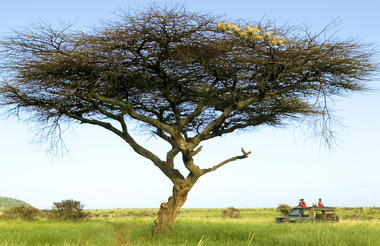
At the foot of Mount Meru, whose volcanic cone dominates the northern skyline, Arusha is the administrative capital of the Arusha Region and the principal gateway to northern Tanzania's renowned safari circuit. Alongside its thriving tourism industry, the bustling city is a leading centre for business, diplomacy and international conferences in East Africa, hosting regional institutions and major political, commercial and conservation events throughout the year. German colonial buildings, modern offices and lively markets reflect Arusha's evolution from a colonial outpost into northern Tanzania's commercial hub, while cafés, hotels, craft centres and galleries contribute to its cosmopolitan atmosphere. Less than an hour from the city, Arusha National Park offers game drives and canoeing on the Momella Lakes beneath Mount Meru, while nearby coffee estates and cultural experiences introduce visitors to the region beyond the safari circuit.


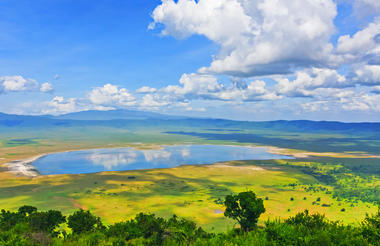
Located within northern Tanzania's Ngorongoro Conservation Area, Ngorongoro Crater is the world's largest intact volcanic caldera and one of Africa's most remarkable wildlife destinations. Encircled by steep crater walls, its fertile grasslands, forests and soda lakes support an extraordinary concentration of animals, including lions, elephants, buffalo and hippos. Game drives across the crater floor offer exceptional wildlife viewing within a relatively compact area, while Maasai communities in the surrounding highlands provide insight into local traditions and culture. From mist drifting over the crater rim at dawn to vast plains dotted with grazing herds below, the landscape is both dramatic and serene. Although popular and often busy, Ngorongoro delivers an unforgettable safari experience shaped by stunning scenery and abundant wildlife.
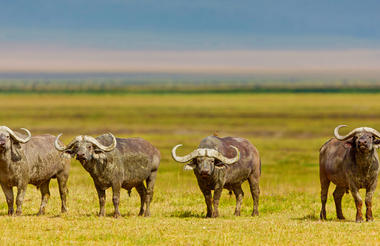
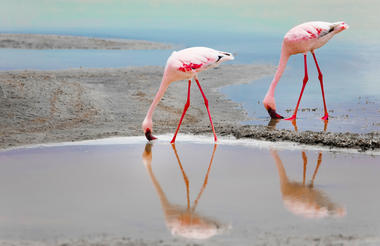
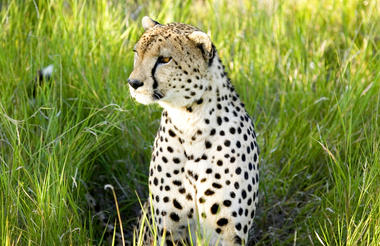
Set in the Arusha Region, Ndutu is situated in the northern part of the Ngorongoro Conservation Area within the magnificent Serengeti. The surrounding landscapes are covered in sweeping grasslands which provide the perfect habitat for the migratory route for hundreds of thousands of wildebeest, antelope and zebra. Visitors can look forward to exploring the forest around Lake Ndutu, spotting an array of wildlife, and visiting the fascinating archaeological site at the Olduvai Gorge. Don’t miss the opportunity to jump on a game drive to view the spectacular herds of the annual Great Migration, enjoy a scenic hot air balloon ride over the plains and take a guided tour with the local Maasai and learn about culture and traditions. Other commonly spotted species include: leopard, lion, cheetah, caracal, serval, African wildcat, and a variety of prolific birdlife.
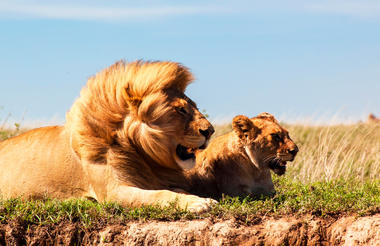
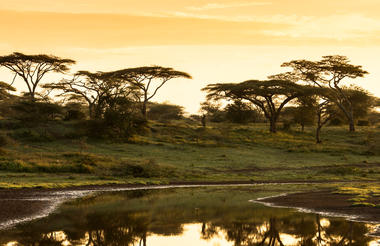
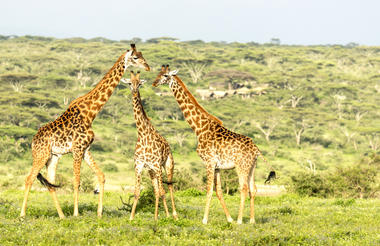
Situated in the heart of Tanzania, the Central Serengeti encompasses the world-famous Seronera Valley which is known for its prime wildlife-viewing opportunities. This picture-perfect landscape is characterised by endless stretches of savannah-covered open plains, interspersed by rocky outcrops of granite, scattered with acacia woodlands and covered in a network of rivers and streams. The Central Serengeti forms part of the great wildebeest and zebra migration and provides an ideal habitat for a variety of wildlife such as giraffe, impala, waterbuck, hippo, elephant, buffalo, lion, leopard, hyena, jackal, serval and much more. Popular activities include: game viewing, cultural tours, horse riding safaris, and hot air ballooning over the spectacularly scenic terrain.
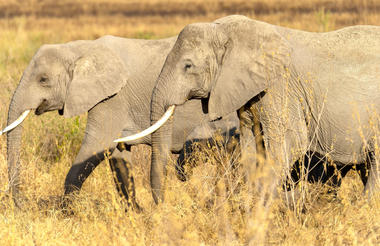
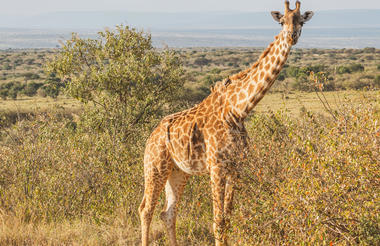
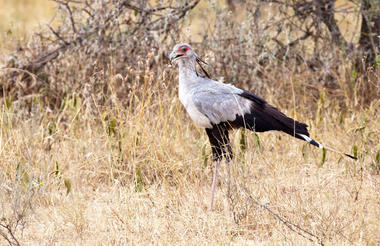
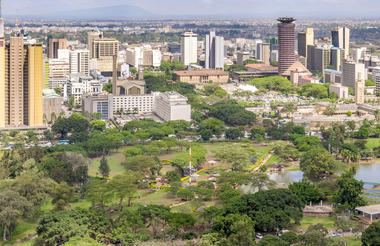
Widely regarded as one of East Africa’s most dynamic and cosmopolitan cities, Nairobi sits along the Nairobi River and serves as Kenya’s capital and largest urban centre, acting as a major gateway for safari travel across the country. The city features a growing café culture, active nightlife, and cultural landmarks such as the National Museum of Kenya and the Karen Blixen Museum. Just outside the city centre lies Nairobi National Park, where wildlife, including lions, giraffes, and buffalo, roam against a backdrop of skyscrapers — one of the rare cases in the world where a major national park borders a capital city. Visitors also often stop at the David Sheldrick Wildlife Trust elephant orphanage for close encounters with rescued calves.


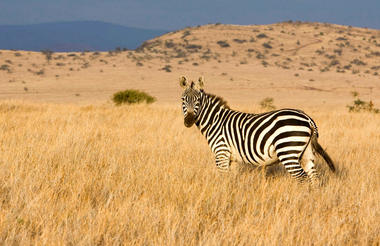
Spanning over thousands of hectares of vast open savannah grasslands in northern Kenya, Lewa Wildlife Conservancy is home to the world’s largest population of Grevy’s zebra. Renowned as a pioneer and leader in responsible tourism, Lewa Wildlife Conservancy actively advances and develops community engagement and wildlife conservation. It has been declared a UNESCO World Heritage Site and serves as an important sanctuary for a large selection of wildlife including the endangered black rhino as well as the white rhino. Lewa offers visitors the opportunity to have close encounters with these prehistoric creatures against an unspoilt backdrop, making it one of Kenya’s top game-viewing destinations. Boasting one of the highest wildlife densities in Kenya, the park is also inhabited by elephants, lions, buffalo, African Painted Wolves, giraffes, cheetahs, and over 400 bird species.