
South Africa is one of the most culturally and geographically diverse countries in the world. Fondly known as the Rainbow Nation, it embraces 11 official languages and a fascinating blend of traditions shaped by its people and landscapes.
In Cape Town, dramatic mountains meet golden beaches, and the city pulses with creativity. Discover gourmet restaurants, a thriving art scene, vibrant nightlife, and the relaxed charm of coastal living. Just beyond the city, the Cape Winelands invite you to sample some of the world’s finest wines, while Robben Island offers a powerful glimpse into the nation’s past.
Head to Johannesburg to experience the energy of Soweto township, where a local braai (barbecue) is more than a meal; it’s a celebration of community. The Apartheid Museum provides deep insight into South Africa’s history, while Durban’s bustling Indian markets showcase the country’s rich cultural mix. KwaZulu‑Natal’s Zululand battlefields tell stories of courage and conflict, adding another layer to the country’s heritage.
And then there’s the wilderness. South Africa’s untamed landscapes are astonishing: wildlife roams freely across vast, unfenced game reserves, including the world‑famous Kruger National Park. From lions and elephants to rare birdlife, the country offers unforgettable encounters with nature.
South Africa is not just a destination, it’s a journey through contrasts: modern cities and ancient traditions, gourmet dining and township street food, rugged wilderness and serene coastlines. Wherever you go, you’ll find warmth, resilience, and a spirit that makes this country truly unique.
Cape Town, affectionately known as The Mother City, is a vibrant metropolis where breathtaking nature, world-class cuisine, and warm hospitality converge. It is a city that captures your heart from the very first moment.
A Journey Through History
In the 15th century, Portuguese explorers sought a maritime route to the spices of the East. Although Antonio de Saldanha became the first European to climb Table Mountain in 1503, the Portuguese showed little interest in the Cape, preferring Mozambique as a permanent base.
The turning point came in 1647 when the Dutch ship Nieuwe Haerlem ran aground in Table Bay. The sixty survivors spent a year at the Cape, trading with the local Khoikhoi people. Their glowing reports regarding the climate and fertile soil convinced the Dutch East India Company (VOC) to establish a refreshment station. In 1652, Jan van Riebeeck arrived to build this post. The Castle of Good Hope was constructed, and the first crops were planted to combat scurvy among sailors. What began as a trading post, however, quickly evolved into a system of colonisation and slavery. By the end of the 18th century, the British seized control from the bankrupt VOC.
The Dark Years of Apartheid
Tensions between the British rulers and the descendants of the Dutch settlers (Afrikaners) escalated, particularly after the British abolished slavery in 1834. The Afrikaners moved further inland during the 'Great Trek,' leading to conflicts with indigenous tribes such as the Zulus. The discovery of gold and diamonds eventually triggered the bloody Boer Wars between the British and the Afrikaners.
In the 20th century, segregation became legally entrenched. Under the leadership of the National Party, Apartheid became official state policy in 1948. The Black population was systematically marginalised, stripped of their voting rights, and forced to live in restricted reserves or townships.
The Path to Freedom
The African National Congress (ANC) became the primary face of the resistance. In 1952, Nelson Mandela led the Defiance Campaign, a massive protest against unjust laws. After years of struggle, violence, and international pressure, the tide began to turn in the late 1980s. Following the resignation of P.W. Botha, his successor F.W. de Klerk lifted the ban on the ANC. In 1990, Nelson Mandela was released after 27 years in prison. In 1993, Mandela and De Klerk were jointly awarded the Nobel Peace Prize for their efforts to peacefully dismantle apartheid. Today, Cape Town stands as a symbol of the resilience of the "Rainbow Nation."
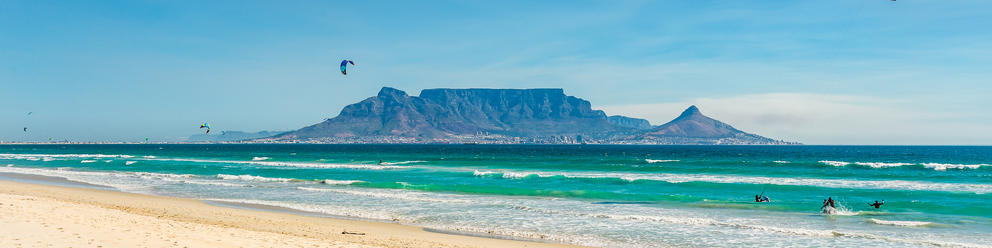
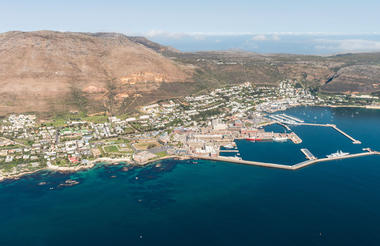
Simon's Town is situated on a steep slope along the shores of False Bay and is known as one of South Africa’s oldest settlements. This enchanting location, just 35 kilometres from Cape Town, boasts a rich maritime heritage and serves as the home of the South African Navy. The town’s picturesque streets showcase a blend of Victorian and Georgian-style residences, beautifully reflecting its colonial history.
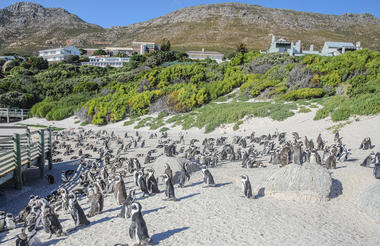
Visitors can dive into deep-sea fishing experiences or admire the famous free-roaming African penguins at Boulders Beach, which adds significantly to the town's unique charm. From Simon's Town harbour, boat trips depart for Seal Island, located eight nautical miles away. This island is home to a massive colony of Cape fur seals and serves as a prime hunting ground for great white sharks.
For those seeking relaxation, the town offers scenic boardwalks for a leisurely stroll and a welcoming public sandy beach. The historic old village is the perfect place to enjoy a day spa or savour fresh seafood at one of the town’s many excellent restaurants.
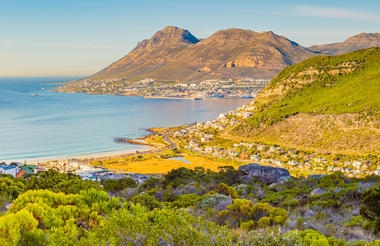
This charming fishing village, Paternoster, is located 15 km northwest of Vredenburg and 145 km north of Cape Town. It is the perfect coastal escape, known for its historic whitewashed cottages, warm hospitality, and long sandy beaches with breathtaking views. Food lovers will appreciate the variety of excellent restaurants serving sublime fresh seafood, while the local bars offer a cozy setting to enjoy a few drinks and meet the friendly locals.
The natural surroundings of Paternoster are equally impressive, with dolphins and whales frequently spotted off the coast for ten months of the year. Just three kilometres away lies the Cape Columbine Nature Reserve, a stunning area to explore with its rocky bays, scenic campsites, and traditional barbecue facilities.
Visitors to Paternoster can look forward to the following highlights:
Gastronomy: Taste the famous local lobster and other fresh catches at renowned local eateries.
Wildlife: Watch for whales and dolphins passing along the coastline for most of the year.
Cape Columbine: Visit the iconic lighthouse and explore the rugged flora and fauna of the nature reserve.
Relaxation: Take long strolls along the pristine white beaches or simply soak in the serene atmosphere of the village.


Franschhoek, literally meaning the "French Corner", is one of the oldest and most picturesque towns in the Western Cape. Nestled in a lush valley and surrounded by majestic mountains, the village exudes an undeniable historic charm.
Huguenot Heritage: In the 17th century, French Huguenots settled in this area, bringing with them their rich winemaking traditions that laid the foundation for today's world-renowned vineyards. The local Huguenot Museum tells the fascinating story of these early pioneers.
Historic Streets: The town centre is perfect for a leisurely stroll. Set against a backdrop of beautifully preserved Victorian and Cape Dutch architecture, you will find a wealth of art galleries, elegant boutiques, and antique stores.
Culinary Capital: Franschhoek is internationally acclaimed as South Africa's premier gastronomic destination. The town is brimming with award-winning restaurants where you can enjoy exquisite cuisine paired with exceptional local wines, often accompanied by breathtaking views of the surrounding vineyards.


Manyoni Private Game Reserve is my absolute favourite Private Game Reserve. It is situated in the stunning Msunduzi Valley, right in the heart of Zululand in the KwaZulu-Natal province. What makes this place so special to me is the combination of untamed wilderness and the deep connection to local culture and traditions. Manyoni was established through a wonderful initiative where private landowners joined forces with the WWF and Ezemvelo KZN Wildlife to remove all internal fences. Today, this impressive reserve covers 23,000 hectares of pure African bushveld.
Due to the vast diversity of habitats, the reserve provides a home to an incredible variety of wildlife. In addition to the iconic Big Five, it serves as a safe haven for over 70 mammal species. During game drives, you will encounter impressive populations of giraffe, kudu, nyala, wildebeest, and zebra. It is also a paradise for bird enthusiasts due to the many bird species found here. For me, staying at Manyoni is the ultimate way to experience the magic of the African bush and the dedication to conservation firsthand.


The UNESCO protected Maputaland Marine Protected Area is situated along the pristine northeast coast of South Africa and forms a vital part of the iSimangaliso Wetland Park. This unique sanctuary stretches from the Mozambique border in the north down to Sodwana Bay in the south. The region encompasses three exceptional protected areas: Lake Sibaya Nature Reserve, Kosi Bay Nature Reserve, and Rocktail Bay. Visitors are surrounded by a spectacular landscape of lush coastal forests, vast wetlands, and crystal clear lakes, bordered by endless golden beaches and vibrant coral reefs.
The ecological diversity of Maputaland is world class. It remains one of the few places on Earth where giant Leatherback and Loggerhead turtles come ashore to nest. Lake Sibaya, South Africa's largest natural freshwater lake, is home to significant populations of hippo and Nile crocodile amidst a wealth of birdlife and rare fish species. For those seeking adventure, the area offers incredible activities such as snorkeling and diving at the world renowned reefs of Sodwana, boat cruises through the Kosi Bay estuaries, or scenic coastal hikes that truly showcase the untouched beauty of Maputaland.


