Windhoek, Namibia’s capital, lies in the heart of the country amid the rolling Khomas Highlands, where wide skies and dry savannah frame a compact, orderly city. It blends German colonial heritage with contemporary African identity, creating a calm, understated atmosphere rather than a bustling metropolis. Landmarks such as Christuskirche and the Tintenpalast sit alongside modern civic buildings, while lively markets and cafés reveal everyday Namibian life. Visitors can explore museums, stroll shaded streets, or use the city as a gateway to the surrounding wilderness and safari regions. The air is often dry and clear, carrying the scent of dust and jacaranda blossoms, while distant hills glow at sunset. Windhoek offers a gentle introduction to Namibia’s landscapes and culture, with space, light and quiet defining its appeal.


The 24 000-hectare Namib Tsaris Conservancy is tucked between the Namib and Tsaris mountains. The conservancy is only thirty minutes’ drive from the Sesriem gate which provides access into the Sossusvlei Dunes and acts as a gateway to the Great Namib Sand Sea, now declared a World Heritage Site. The Namib Tsaris Conservancy is a scenic ecological sanctuary featuring a picturesque landscape of vast gravel plains, mountainous areas, and dry river valleys, as well as a vast raised plateau which towers above the desert below. The conservancy and the surrounding area provides a vital refuge for wildlife through the dry season. This rehabilitated area is home to an array of indigenous wildlife including: oryx, springbok, Hartmann’s mountain zebra, Burchell’s zebra, kudu, hartebeest, giraffe, steenbok, klipspringer, bat-eared fox, as well as predators such as leopard, cheetah and hyena.


Set between the rolling dunes of the Namib Desert and the icy Atlantic coastline, Swakopmund is a relaxed seaside town in western Namibia known for its German colonial architecture, cool coastal climate, and adventurous spirit. Palm-lined streets, historic buildings, and ocean fog create an atmosphere unlike anywhere else in the country. Travellers visit for desert activities such as quad biking, sandboarding, and scenic flights over vast dunes and shipwreck-strewn shores. Cafés, bakeries, and small museums add to the town's laid-back charm, though the Atlantic waters are brisk rather than tropical. With its striking desert-meets-ocean setting and mix of adventure and history, Swakopmund is one of Namibia's most distinctive destinations.


The small headland of Cape Cross lies on western Namibia’s Skeleton Coast, roughly 60 kilometres north of Henties Bay. The historic area was landed on by the Portuguese in 1486, and they erected a stone cross here in honour of the Portuguese King, however, this cross was replaced by the German settlers in the 1800’s. Cape Cross best known for its extraordinary breeding colony of Cape fur seals and has been made a reserve. With the abundance of fish swimming in the cold Benguela current, the seals have plenty to snack on, and they also enjoy lying and playing out in the sun. From a 200-metre-long walkway, visitors can watch the seals at play and learn about them through the area’s information points.


Situated in central-northern Namibia, around three hours' drive north of Windhoek, the Waterberg Region is a scenic wilderness destination dominated by the striking red sandstone cliffs of the Waterberg Plateau. Rising above the surrounding plains, the plateau supports a lush landscape of woodland and abundant wildlife, making it one of Namibia's most important conservation areas. Visitors come to explore Waterberg Plateau National Park on guided hikes, enjoy game drives in search of rare and endangered species, and take in sweeping views from the escarpment. The region is also rich in cultural and historical significance, with opportunities to learn about the area's heritage and the events that shaped Namibia's past, while its tranquil setting makes it an ideal stop en route to Etosha National Park and the country's northern reaches.


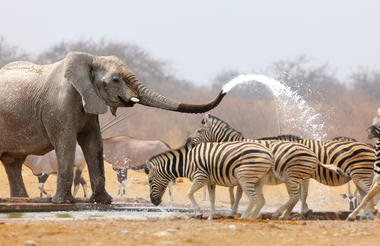
Located along the eastern boundary of Etosha National Park in northern Namibia, Etosha East is a rewarding safari destination known for its excellent wildlife viewing and convenient access to the park through the Von Lindequist Gate near Namutoni. Characterised by open savannah, mopane woodland and seasonal waterholes, the region attracts an abundance of wildlife, including elephant, lion, giraffe, zebra and a variety of antelope species. Visitors can enjoy self-drive or guided game drives, with the waterholes offering some of the best opportunities to observe animals gathering to drink, particularly during the dry season. Golden grasslands, distant birdsong and expansive African skies create an immersive safari experience in one of Namibia's most celebrated conservation areas.
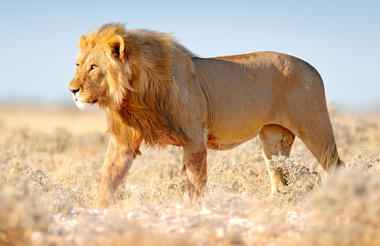
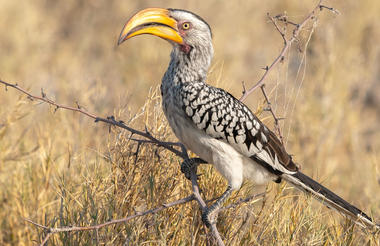
Bordering Angola, on the banks of the Okavango River in northern Namibia, the town of Rundu serves as the capital of the eastern Kavango region. Rundu is renowned for its local woodcarvers market and is filled with impressive woodcarvers' workshops. The town provides a great stopover to refuel for visitors heading to Katima Mulilo, enthralling Popa Falls, or Mahangu Game Reserve, home to the endangered wild dog and lion, leopard, elephant, cheetah, and hippo. Visitors to Rundu can also look forward to great game viewing, excellent bird watching as well as kayaking on the spectacular Kavango River.
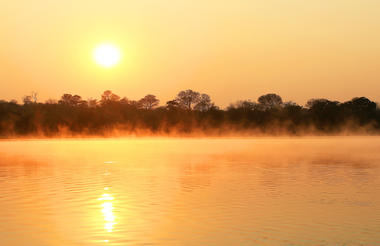
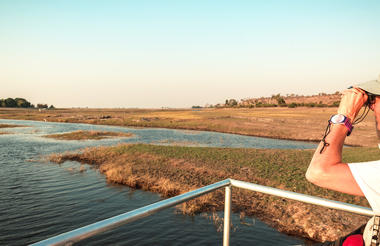
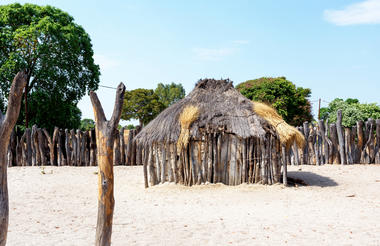
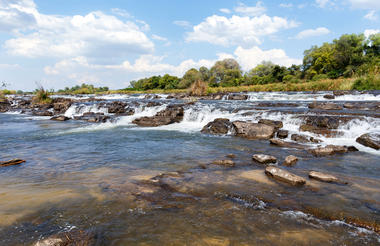
Set roughly 200 kilometres east of Rundu on the southeastern banks of the great Okavango River, the small village of Divundu is a wonderful destination from which to explore the river, game parks and national reserves of the area. Visitors can enjoy fishing or bird watching boat safaris, or visit the Mahango Game Park, which is home to herds of elephant as well as hippo, buffalo, giraffes, antelope, and many other animals. The spectacular Popa Falls, a dramatic series of cascades - are a popular must-see attraction. Divundu is also the perfect base for adventures in Botswana and the Okavango Delta.
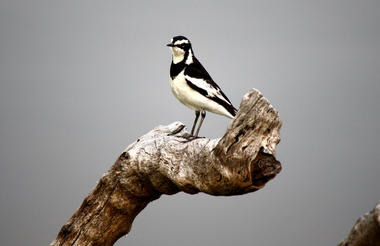
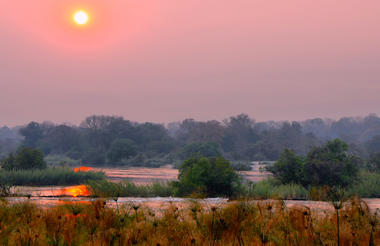
Stretching over 6200 square kilometres in northeast Namibia, the Bwabwata National Park includes the Caprivi Game Park and the Mahango Game Reserve which extends along the narrow Caprivi strip. The park functions as a wildlife sanctuary and practices community-engaged conservation, which visitors can take part in. It has been dubbed the 'People's Park', as the local Caprivian people live in harmony with the land and the animals. With an ever-growing wildlife population, the park is home to many animals including elephant, leopard, lion, buffalo, wildebeest, crocodile, and red lechwe. Avid birdwatchers will be thrilled to find over 330 bird species in the area. Visitors can look forward to excellent game viewing, boat safaris, nature walks and camping under the brilliantly clear Namibian night sky.


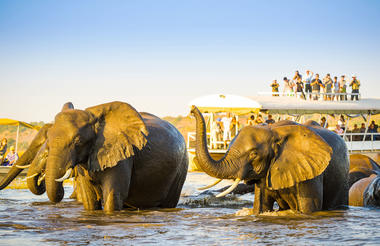
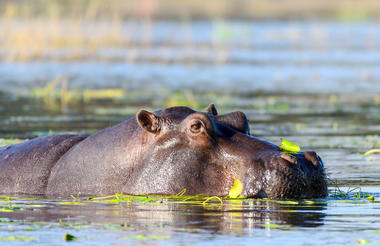
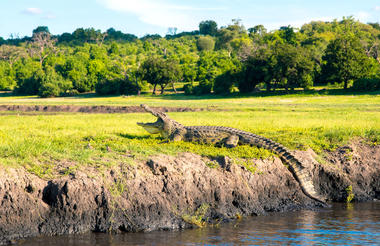
Situated in northeastern Botswana on the banks of the Chobe River, the town of Kasane is the main gateway to Chobe National Park and one of southern Africa's premier safari destinations. Renowned for its exceptional wildlife viewing, Kasane offers game drives and river cruises where visitors can encounter large herds of elephants, buffalo, hippos, and crocodiles, as well as abundant birdlife. Its location near the borders of Botswana, Namibia, Zambia and Zimbabwe also makes it a convenient base for exploring the wider region. Golden sunsets reflected on the river, the sounds of wildlife and a relaxed safari atmosphere combine to make Kasane an unforgettable destination for nature lovers.
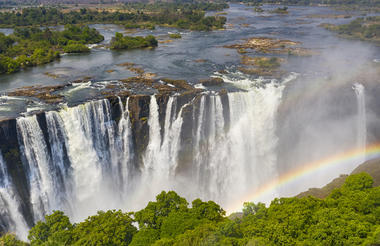
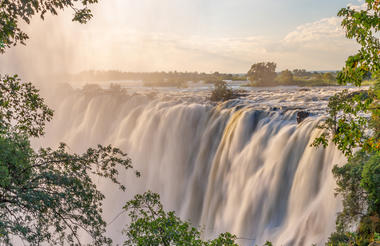
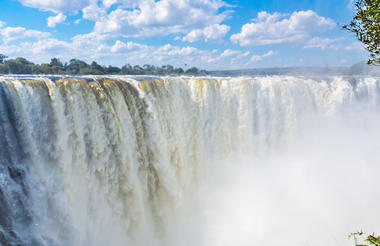
Known locally as Mosi-oa-Tunya—“The Smoke That Thunders”—Victoria Falls is one of the world’s great natural landmarks. Straddling the Zambezi River between Zambia and Zimbabwe, it forms a vast curtain of water that fills the air with mist and sound. The Zimbabwean side grants the most dramatic views, where mist rises like ghostly curtains and rainbows arc through the spray. Measuring about 1,708 metres across, it is regarded as the largest single continuous sheet of falling water on Earth. The adjacent town of Victoria Falls provides a convenient base for exploring the region, with a wide range of activities from scenic flights and microlight trips to white-water rafting, bungee jumping, kayaking, and safaris into Chobe National Park.