


Uganda, often referred to as the ‘Pearl of Africa’, is a land of striking natural beauty, characterised by dry savanna plains in the north, verdant mountains in the west, and dense, lush forests in the central region. The country is home to an extraordinary diversity of wildlife, including the highly endangered mountain gorilla found in the Bwindi Impenetrable Forest. One of the nation’s premier safari destinations, Queen Elizabeth National Park, is home to four of the Big Five, colourful flamingos, and the rare tree-climbing lions of Ishasha. Adventure seekers can enjoy white-water rafting, kayaking, hiking, quad biking and horse riding, while visitors to the lively capital can experience a growing cultural scene, vibrant nightlife and excellent restaurants. Combined with its warm hospitality, it is easy to see why Uganda is regarded as one of Africa’s friendliest destinations.
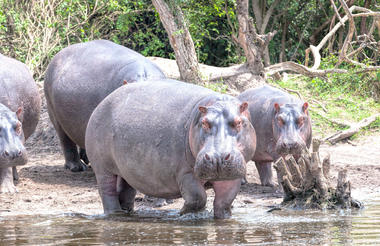
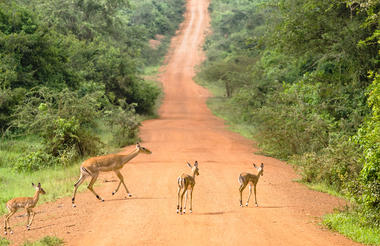
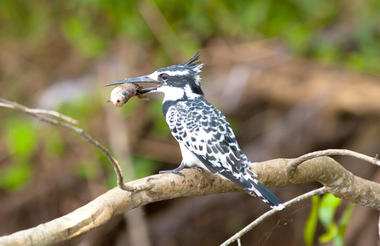
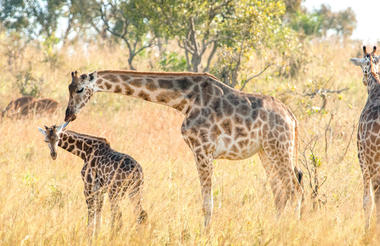
Situated in southwestern Uganda, Lake Mburo National Park is a compact and easily accessible gem, renowned for its striking biodiversity. Nearly seventy mammal species and more than 300 bird species thrive in its mix of forests, swamps and rolling grasslands. The landscape blends open savanna with rocky ridges, forested gorges and pockets of dense woodland, creating a rich habitat for wildlife. Crocodiles, hippos and abundant water birds gather around the park’s five lakes, with Lake Mburo the largest. Visitors frequently spot impala, oribi, eland, zebra, buffalo, Defassa waterbuck, reedbuck, hyena and occasionally leopard. It’s a rewarding destination for travellers seeking varied scenery and accessible wildlife viewing.


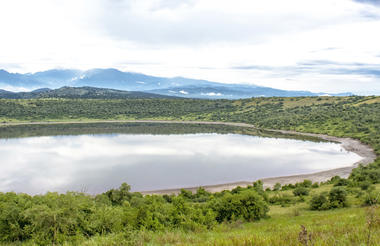
Imposing cone-shaped hills cradle tranquil calderas in the enchanting Ndali-Kasenda Crater Lakes in Western Uganda near Kibale Forest and Queen Elizabeth National Parks. Formed about 8-10,000 years ago by volcanic activity, these craters now hold a variety of lakes. Some boast clear, blue water, while others remain emerald green with a sulfuric odour due to residual volcanic gases. Lush vegetation cloaks the crater rims, offering views of nearby hills, tea plantations, and even the Rwenzori Mountains on clear days. While some lakes are safe for swimming, others contain toxic water and should be avoided. Activities around the lakes include nature walks, boat rides, bird-watching and visiting the "Top of the World" viewpoint for panoramic vistas.


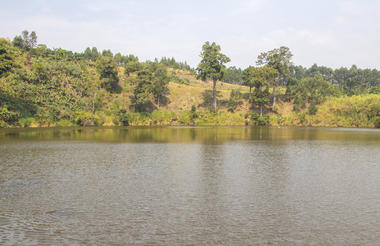
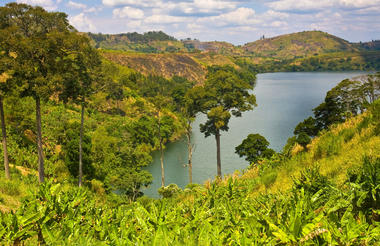

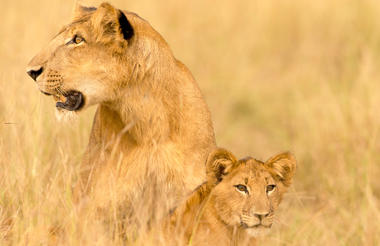
Occupying the southern reaches of Queen Elizabeth National Park, this quieter safari region is defined by expansive grasslands, scattered fig trees and the wildlife-rich plains of the Ishasha sector. Best known for its famous tree-climbing lions, the area offers one of Africa's most distinctive safari experiences, with these remarkable predators often seen resting high up in the sprawling branches. Game drives may also reveal elephants, buffalo, Uganda kob and a variety of antelope, while the region's diverse birdlife attracts keen birdwatchers. Golden grasslands stretch towards distant hills, punctuated by acacia trees and the calls of birds carried on the warm breeze. Southern Queen Elizabeth National Park is ideal for travellers seeking a quieter safari experience with exceptional wildlife and dramatic natural scenery.
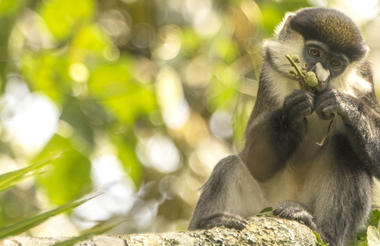
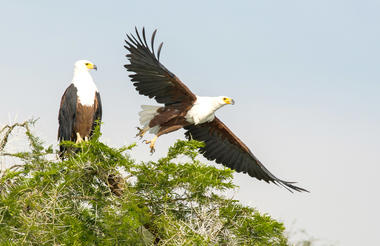

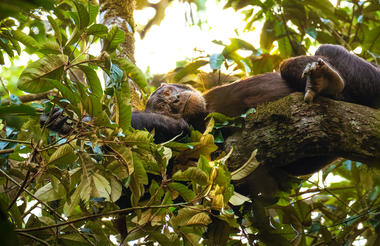
Located in southwestern Uganda, the Bwindi Impenetrable National Park is said to be Africa’s oldest rainforest. It is world-renowned for its excellent gorilla-sighting opportunities - the forest is home to half of the remaining mountain gorillas on earth. This gorilla experience takes place among a rugged landscape of dense jungle, cascading waterfalls, sparkling mountain streams, deep valleys, and steep ridges. The untouched forest has been declared a UNESCO World Heritage Site for its breathtaking natural beauty and unique ecological significance. Aside from the amazing gorilla interactions, there are other drawcards such as a network of forest walks, over 340 species of bird to spot, and a variety of brightly-coloured butterflies to identify.


