Resting in the magnificent Great Rift Valley and presided over by the majestic Mount Kilimanjaro, Kenya is characterised by hauntingly beautiful natural landscapes of forested hills, patchwork farms, wooded savanna and vast forests brimming with an extraordinary abundance of wildlife. The nation’s diverse range of traditional African cultures is influenced by over 70 unique ethnic groups from the Maasai, Samburu, Kikuyu, and Turkana tribes to the Arabs and Indians that settled on the coast. Add to this: an exquisite tropical coastline fringed with breathtaking golden sand beaches; gorgeous coral gardens providing excellent snorkeling and diving opportunities; and a slew of lively beach resorts, and it is easy to see why so many visitors flock here from around the world to experience a truly unique African adventure in one of the world’s most pristine safari destinations.
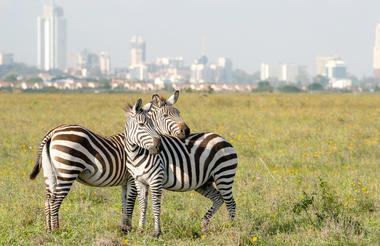
Bordering the capital city of Nairobi, in beautiful Kenya, the Nairobi National Park is one of Africa's smallest parks and one of the only parks on earth to be in such close proximity to a city centre. It boasts a large and varied wildlife population, amid wide open grass plains against a backdrop of city scrapers. The park is home to one of Kenya's most successful rhinoceros sanctuaries with the world's highest concentration of black rhinoceros. Its wetland areas are abundant with birdlife boasting over 400 bird species. Visitors can enjoy the many facilities the park has to offer such as scenic picnic sites, well-positioned campsites, and hiking trails. Commonly spotted species include lion, hyena, warthog, zebra, giraffe, ostrich, gazelle, buffalo, and sometimes if you're lucky, leopard and cheetah.
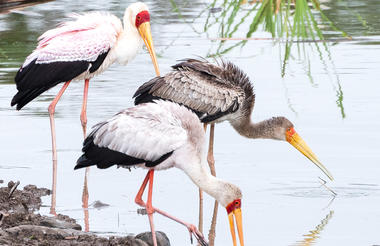
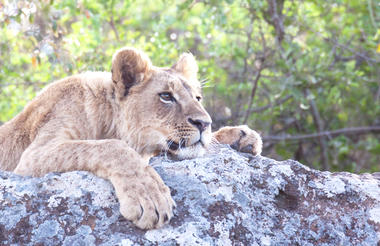
Bordering the Masai Mara National Reserve to the southwest, the Olare Orok Conservancy to the west and the Ol Kinyei Conservancy to the east, the Mara Naboisho Conservancy is comprised of over 50 000 hectares of unspoilt wilderness in Kenya’s Greater Mara Region. The area is renowned for its bountiful biodiversity and breathtaking natural beauty with a wide range of wildlife on offer including lion, cheetah, elephant, giraffe, wild dog, and a host of plains game. Visitors can look forward to guided walking safaris, spending the night in a transient fly camp, heading out on a night game drive in search of elusive nocturnal creatures, joining the Mara Naboisho Lion Project as they track lions across the conservancy, or visiting Maasai villages to learn about the fascinating indigenous culture.


Northern Serengeti occupies the remote reaches of Tanzania's Serengeti National Park, where sweeping grasslands, wooded hills and the Mara River create one of Africa's most remarkable wildlife landscapes. Best known for dramatic river crossings during the Great Migration, the region offers unforgettable game drives with opportunities to see vast herds of wildebeest and zebra alongside lions, elephants, leopards and crocodiles. Outside the migration season, quieter plains and year-round resident wildlife provide a more secluded safari experience. Crisp morning air, the distant calls of birds and the golden glow of the savannah at sunrise immerse visitors in the rhythms of the wild, leaving a lasting impression of nature on an extraordinary scale.
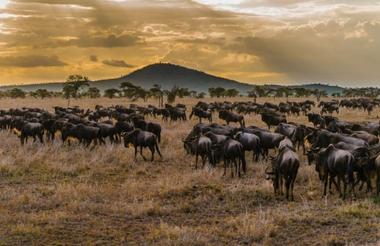
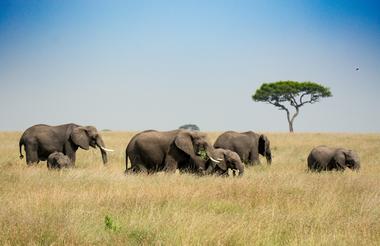
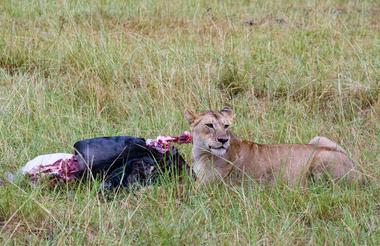
Situated at the heart of Serengeti National Park in northern Tanzania, the Central Serengeti is the park's most visited and wildlife-rich region, centred around the Seronera Valley. Characterised by vast open plains, scattered acacia trees, distinctive granite kopjes favoured by lions and cheetahs, and permanent water sources, it offers exceptional year-round game viewing and is renowned for its resident leopards, often seen resting in the branches of riverside trees. Visitors can enjoy rewarding game drives in search of lions, leopards, cheetahs, elephants, giraffes and large herds of plains game, while the Seronera River attracts an abundance of birdlife and other animals throughout the year. Although it is one of the Serengeti's busiest safari areas, its remarkable biodiversity and reliable wildlife viewing make it an outstanding destination for both first-time and returning visitors.
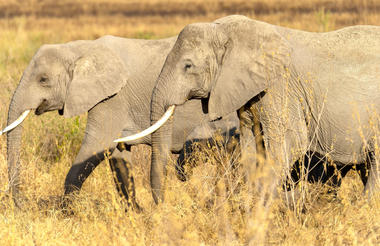
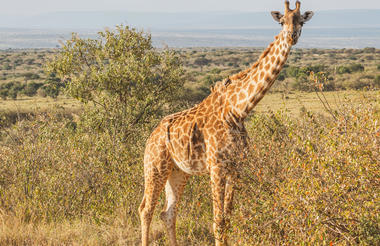
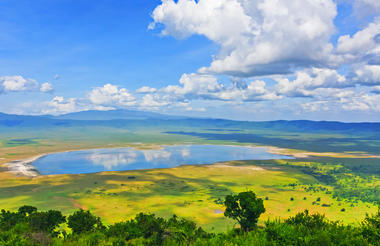
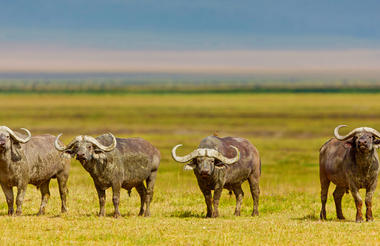
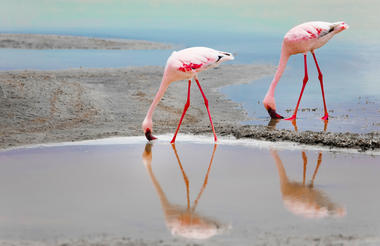
Located within northern Tanzania's Ngorongoro Conservation Area, Ngorongoro Crater is the world's largest intact volcanic caldera and one of Africa's most remarkable wildlife destinations. Encircled by steep crater walls, its fertile grasslands, forests and soda lakes support an extraordinary concentration of animals, including lions, elephants, buffalo and hippos. Game drives across the crater floor offer exceptional wildlife viewing within a relatively compact area, while Maasai communities in the surrounding highlands provide insight into local traditions and culture. From mist drifting over the crater rim at dawn to vast plains dotted with grazing herds below, the landscape is both dramatic and serene. Although popular and often busy, Ngorongoro delivers an unforgettable safari experience shaped by stunning scenery and abundant wildlife.