


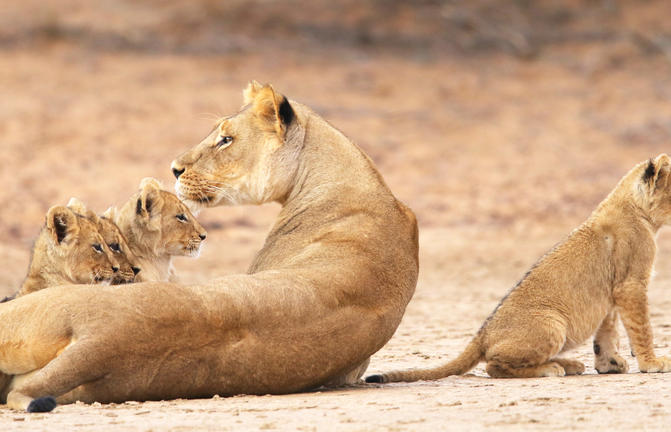
Located in southwestern Africa, Namibia boasts a well-developed infrastructure, some of the best tourist facilities in Africa, and an impressive list of breathtaking natural wonders. Visitors can explore the capital of Windhoek and discover the lovely coastal town of Swakopmund, which boasts remnants of the country’s German influence, reflected in its architecture, culture, cuisine, and the annual Oktoberfest celebrations. To properly appreciate this extraordinary country, you will have to venture out of the cities to explore the remarkable natural landscapes Namibia has to offer. These include: the impressive Fish River Canyon; the vast Etosha National Park teeming with abundant wildlife, such as lions, desert-adapted elephants and the Hartmann's Mountain Zebra; the hauntingly beautiful Kalahari Desert; and, ofcourse, the Namib Desert stretching for over 2000 km along the magnificent Atlantic Coast. Namibia is an ideal destination for travellers seeking an unforgettable African experience in a uniquely beautiful, untamed wilderness.


Windhoek, Namibia’s capital, lies in the heart of the country amid the rolling Khomas Highlands, where wide skies and dry savannah frame a compact, orderly city. It blends German colonial heritage with contemporary African identity, creating a calm, understated atmosphere rather than a bustling metropolis. Landmarks such as Christuskirche and the Tintenpalast sit alongside modern civic buildings, while lively markets and cafés reveal everyday Namibian life. Visitors can explore museums, stroll shaded streets, or use the city as a gateway to the surrounding wilderness and safari regions. The air is often dry and clear, carrying the scent of dust and jacaranda blossoms, while distant hills glow at sunset. Windhoek offers a gentle introduction to Namibia’s landscapes and culture, with space, light and quiet defining its appeal.
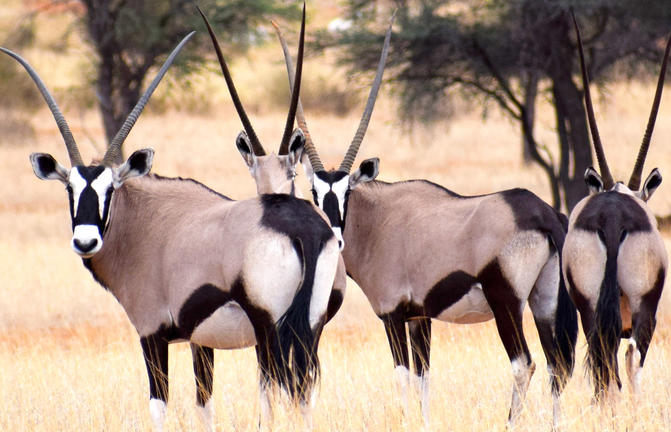
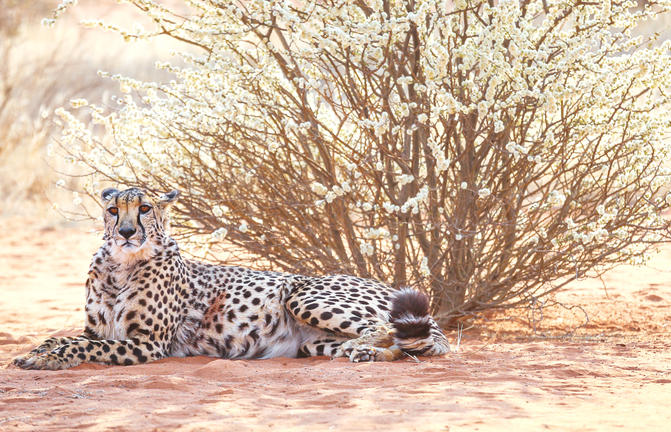
Spreading across Botswana, South Africa and Namibia, the Kalahari, meaning 'the great thirst', is an exceptionally beautiful living desert. The landscape is characterised by a large semi-arid sandy savannah, draped over a gently rolling inland sea of sand that covers most of Botswana and large parts of Namibia and South Africa. It is inhabited by the indigenous San people, with the modern world having enveloped all the other areas they once roamed. The Namibian portion is made up of red sands covered in thin, wispy, mostly golden grass and dotted with acacia trees and wide-ranging wildlife, including gemsbok, impala, jackals and cheetah.


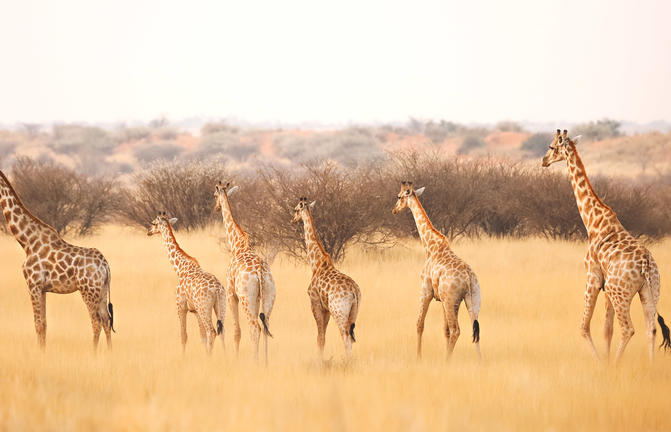


Deep within Namibia’s Namib Desert, Sossusvlei is a striking landscape of towering red sand dunes, among the highest in the world, pale salt pans and immense open skies. Part of the Namib-Naukluft National Park, it has a remote, almost otherworldly atmosphere shaped by silence, shifting light and extreme desert conditions. Visitors can climb famous dunes such as Big Daddy or Dune 45 at sunrise, when the sand glows orange and shadows stretch dramatically across the valley floor. Nearby Deadvlei, with its blackened camel thorn trees standing against white clay and rust-coloured dunes, offers one of southern Africa’s most distinctive desert scenes. The dry heat, the soft crunch of sand underfoot and the vast sense of space create a powerful atmosphere, though early starts and challenging temperatures are part of exploring this remarkable region.
Resting on Namibia's spectacular coastline just south of Swakopmund, Walvis Bay (Whale Bay) is a thriving town, Namibia’s principal harbour and one of the country’s most popular tourist centres. It is known for its natural lagoon, striking orange sand dunes and wealth of outdoor activities. Visitors can enjoy fishing, bird-watching, sailing, sandboarding, swimming, surfing and golf. Located just outside town is Dune 7, one of the largest sand dunes in the world, offering fantastic views from the crest for those with the energy to climb it. Other bucket list items include a trip to the expansive green and pink salt pans dotted with flocks of flamingos, and boat trips to see seals colonies, dolphins and friendly pelicans while enjoying champagne and oysters.


Situated in Namibia’s desolate, awe-inspiring Namib Desert, between Usakos and Swakopmund and about two hours’ drive from Swakopmund, the Spitzkoppe are a group of bald granite peaks forming one of Namibia’s most recognizable and dramatic landmarks. These enormous towering domes are a mecca for hikers and mountaineers, from beginners interested in guided historic walks to professional climbers seeking an adrenaline boost. Numerous ancient rock paintings can be visited as part of a guided walking tour. The extreme, barren landscapes and striking rock formations create an excellent setting for photography.
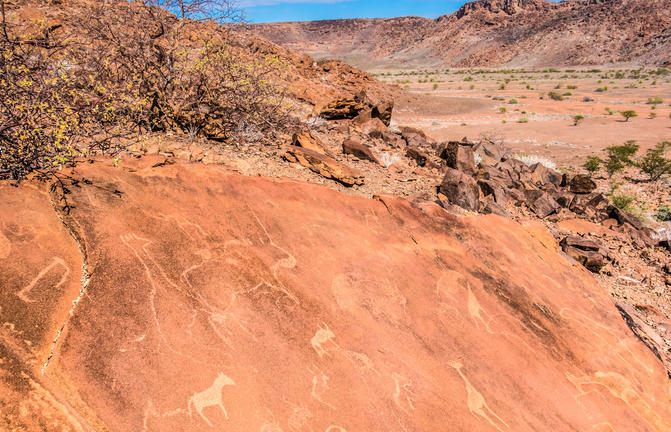
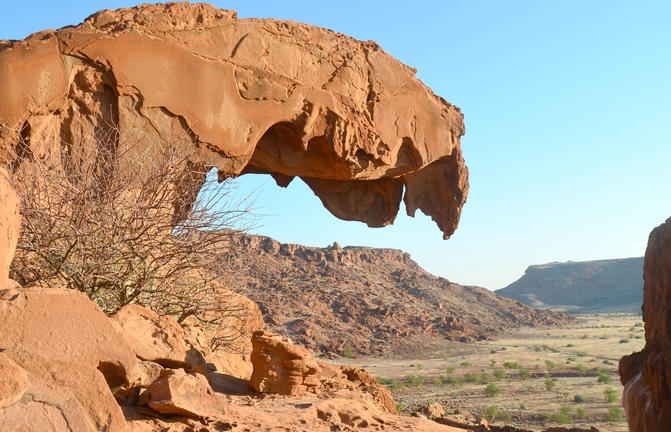
Situated in the Kunene Region of northwestern Namibia, on the edge of the Huab Valley, Twyfelfontein is a remarkable archaeological and geological site renowned for its exceptional collection of ancient rock engravings. Designated a UNESCO World Heritage Site, it is home to more than 2000 petroglyphs created over thousands of years by hunter-gatherer communities, making it one of Africa's most significant concentrations of prehistoric rock art. Guided walks lead visitors through dramatic sandstone outcrops to view engravings depicting wildlife, human figures and symbolic motifs, while the surrounding desert landscape is known for its striking scenery and adapted wildlife, including desert elephants that occasionally roam the region. Nearby attractions include the Organ Pipes, Burnt Mountain and the Damara Living Museum.
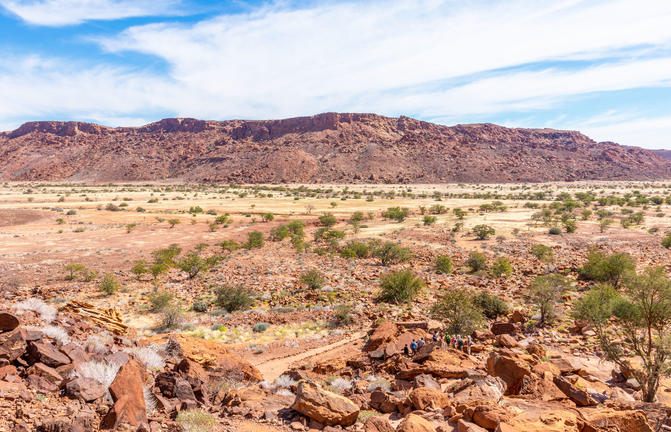
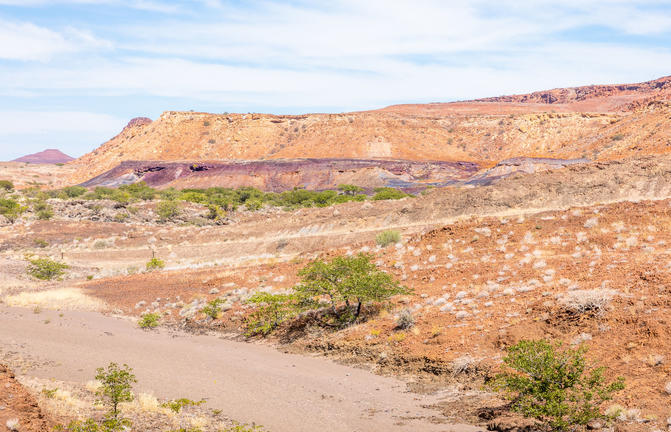
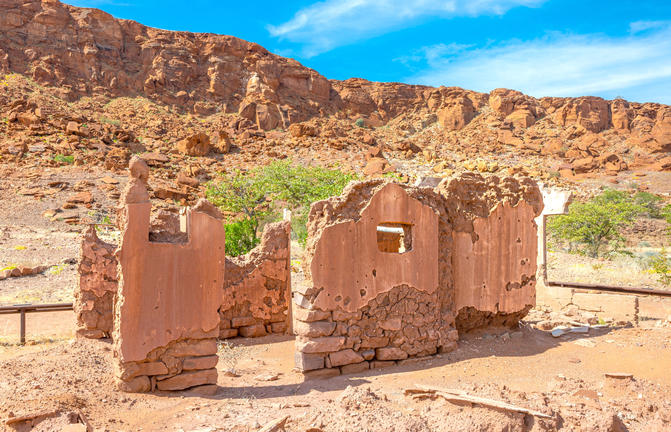


Situé juste à l'extérieur de la frontière sud-ouest du parc national d'Etosha, la réserve privée d'Etosha Heights offre des paysages captivants, une grande variété de faune et de flore, ainsi qu'un large éventail d'activités passionnantes.
Une vaste savane, des rivières, des forêts de Mopani, des salines et des collines de dolomites s'étendent sur une superficie de 60 000 hectares.
De nombreux safaris et parcours de chasse offrent la possibilité de voir le kudu, le lion et le zèbre de montagne.
Le sable, l'impala noir, la girafe, l'aardvark, l'éléphant et bien d'autres encore (autour des trous d'eau) sont au rendez-vous aussi.
Vous pourrez également prendre des trajets nocturnes et faire des pique-niques dans la brousse.
Un abri photographique à deux étages permet de rencontrer de près une incroyable diversité d'oiseaux et d'animaux magnifiques. Les options d'hébergement offrent des installations de luxe fantastiques.
Situated between Namibia’s capital city of Windhoek and the renowned Etosha National Park, Okonjima Nature Reserve is a 22,000-hectare wilderness sanctuary celebrated for its conservation efforts and exceptional wildlife experiences. The reserve is home to the renowned AfriCAT Foundation, which focuses on the protection and rehabilitation of Namibia’s carnivores, particularly leopards, cheetahs, and other threatened species. Set against a backdrop of rolling plains, rocky outcrops, and acacia woodland, Okonjima offers visitors the opportunity to gain unique insight into conservation initiatives while enjoying outstanding game viewing. Activities include guided carnivore tracking excursions, leopard-spotting safaris, off-road night drives, birdwatching, and cultural experiences along the Bushmen Trail. Accommodation ranges from luxury lodges and private villas to intimate bush camps, providing a memorable base from which to explore this remarkable reserve.


