


Windhoek, Namibia’s capital, lies in the heart of the country amid the rolling Khomas Highlands, where wide skies and dry savannah frame a compact, orderly city. It blends German colonial heritage with contemporary African identity, creating a calm, understated atmosphere rather than a bustling metropolis. Landmarks such as Christuskirche and the Tintenpalast sit alongside modern civic buildings, while lively markets and cafés reveal everyday Namibian life. Visitors can explore museums, stroll shaded streets, or use the city as a gateway to the surrounding wilderness and safari regions. The air is often dry and clear, carrying the scent of dust and jacaranda blossoms, while distant hills glow at sunset. Windhoek offers a gentle introduction to Namibia’s landscapes and culture, with space, light and quiet defining its appeal.


Deep within Namibia’s Namib Desert, Sossusvlei is a striking landscape of towering red sand dunes, among the highest in the world, pale salt pans and immense open skies. Part of the Namib-Naukluft National Park, it has a remote, almost otherworldly atmosphere shaped by silence, shifting light and extreme desert conditions. Visitors can climb famous dunes such as Big Daddy or Dune 45 at sunrise, when the sand glows orange and shadows stretch dramatically across the valley floor. Nearby Deadvlei, with its blackened camel thorn trees standing against white clay and rust-coloured dunes, offers one of southern Africa’s most distinctive desert scenes. The dry heat, the soft crunch of sand underfoot and the vast sense of space create a powerful atmosphere, though early starts and challenging temperatures are part of exploring this remarkable region.


Set between the rolling dunes of the Namib Desert and the icy Atlantic coastline, Swakopmund is a relaxed seaside town in western Namibia known for its German colonial architecture, cool coastal climate, and adventurous spirit. Palm-lined streets, historic buildings, and ocean fog create an atmosphere unlike anywhere else in the country. Travellers visit for desert activities such as quad biking, sandboarding, and scenic flights over vast dunes and shipwreck-strewn shores. Cafés, bakeries, and small museums add to the town's laid-back charm, though the Atlantic waters are brisk rather than tropical. With its striking desert-meets-ocean setting and mix of adventure and history, Swakopmund is one of Namibia's most distinctive destinations.


The small headland of Cape Cross lies on western Namibia’s Skeleton Coast, roughly 60 kilometres north of Henties Bay. The historic area was landed on by the Portuguese in 1486, and they erected a stone cross here in honour of the Portuguese King, however, this cross was replaced by the German settlers in the 1800’s. Cape Cross best known for its extraordinary breeding colony of Cape fur seals and has been made a reserve. With the abundance of fish swimming in the cold Benguela current, the seals have plenty to snack on, and they also enjoy lying and playing out in the sun. From a 200-metre-long walkway, visitors can watch the seals at play and learn about them through the area’s information points.


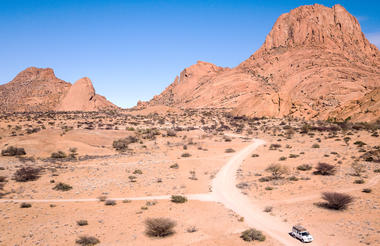
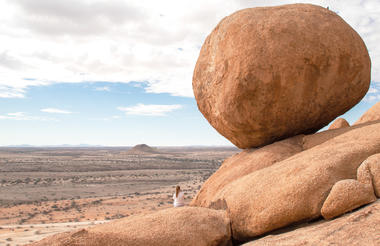
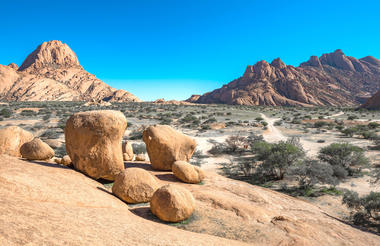
Situated in Namibia’s desolate, awe-inspiring Namib Desert, between Usakos and Swakopmund and about two hours’ drive from Swakopmund, the Spitzkoppe are a group of bald granite peaks forming one of Namibia’s most recognizable and dramatic landmarks. These enormous towering domes are a mecca for hikers and mountaineers, from beginners interested in guided historic walks to professional climbers seeking an adrenaline boost. Numerous ancient rock paintings can be visited as part of a guided walking tour. The extreme, barren landscapes and striking rock formations create an excellent setting for photography.
Situated in central-northern Namibia, around three hours' drive north of Windhoek, the Waterberg Region is a scenic wilderness destination dominated by the striking red sandstone cliffs of the Waterberg Plateau. Rising above the surrounding plains, the plateau supports a lush landscape of woodland and abundant wildlife, making it one of Namibia's most important conservation areas. Visitors come to explore Waterberg Plateau National Park on guided hikes, enjoy game drives in search of rare and endangered species, and take in sweeping views from the escarpment. The region is also rich in cultural and historical significance, with opportunities to learn about the area's heritage and the events that shaped Namibia's past, while its tranquil setting makes it an ideal stop en route to Etosha National Park and the country's northern reaches.


Situated east of Etosha, bordering Fisher's Pan, Onguma Game Reserve is one of Namibia's best-kept secrets. The reserve offers visitors the opportunity to experience Africa in all her beauty and diversity. Onguma Game Reserve features over 35 480 hectares of protected land scattered with a variety of wildlife including plains game, black rhino, kudu, giraffe, zebra, lion, cheetah, leopard and more than 300 bird species. The seasonal rains attract thousands of migrating birds to the Fisher’s Pan wetland area. The neighbouring Etosha National Park is home to a rich array of wildlife, including 4 of the Big 5. Visitors can enjoy game drives, guided walks and rhino research drives within the private reserve as well as wildlife safaris into Etosha National Park to view abundant game in the largest national park in Namibia.


As previously described


