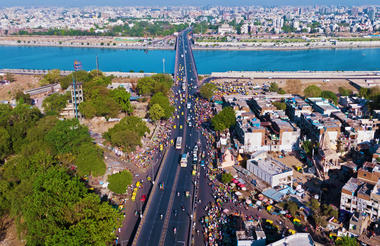
The former capital of the Gujarat state, Ahmadabad, spreads over both banks of the Sabarmati River, and is known as one of the home towns of Mahatma Gandhi. The Sabarmati Ashram Museum, also known as Gandhi Ashram, on the banks of the River Sabarmati, was his temporary residence for about twelve years. The commercial hub of Gujarat, Ahmedabad is big, busy, and beguiling. The city hosts many colourful festivals, including Uttarayan, an annual kite-flying day, and the Hindu nine-day spiritual celebration of Navratri, invoking music, dance, and dress-up events across town. Travel back in time by heading to the old quarter where beautiful archways and architecture abound.
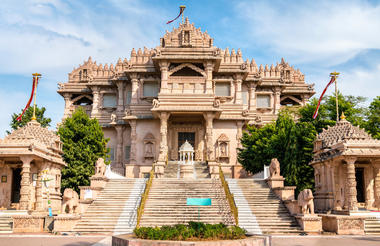

Set in the foothills of the Aravali Hills of Southern Rajasthan, Dungarpur is a remote town known for the unique style of architecture of its exquisite palaces and noble residences. Chief among these architectural treasures is the thirteenth-century, seven-story noble residence of Juna Mahal, which is ornately decorated with murals, glass works, mirror inlays, and frescoes. Other notable attractions include the Government Archeological Museum of Dungarpur, displaying an impressive collection of ancient cultural artifacts and statues; the impossibly intricate Udai Bilas Palace; and the Gaib Sagar Lake, the shores of which are dotted with several captivating temples. Dungapur is also known for its wood and lacquer toy industry, and its thriving artisan community which produces, among other things, remarkably beautiful picture frames.
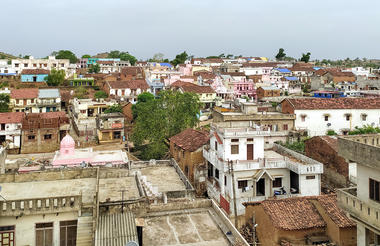
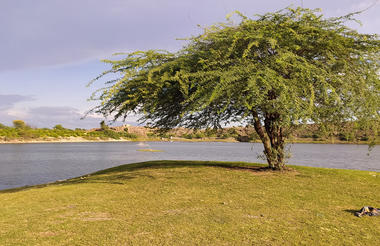
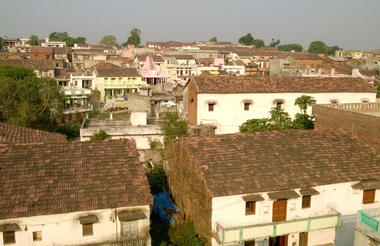
Dubbed the ‘Venice of the East’, the city of Udaipur is built around three interconnected lakes – Lake Pichhola, Fateh Sagar Lake, and the smaller Swaroop Sagar Lake – and is encircled by the hills of the Aravalli mountain range. It is home to an array of ancient temples and fairy-tale-like palaces (several of the latter have been converted into luxury heritage hotels) and is known as one of Rajasthan’s most beautiful and romantic cities. Must-see attractions include the City Palace, the Lake Palace (set on a small island in the middle of Lake Pichola), and the Udaipur Solar Observatory – Asia’s premier solar-gazing site.
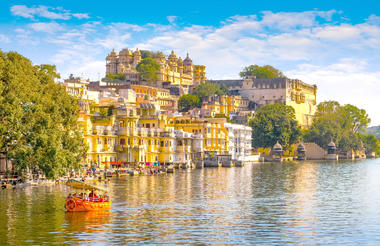
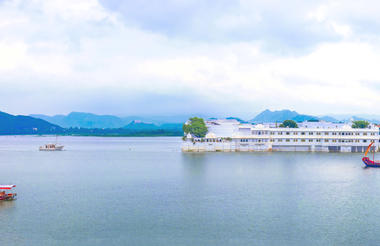
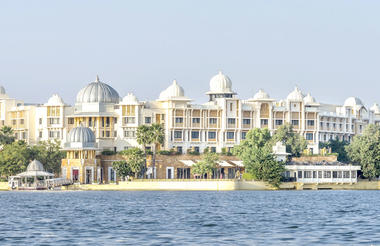
The remote countryside village of Chanoud, also known as Chanod is located in the Pali district of Rajasthan, India. Conveniently situated around 30 minutes drive from the National Highway 14. This small village is off the beaten track and is home to a local tailor, a cobbler, a school and a small hospital. Visitors come to this corner of the world to enjoy an authentic stay at the renowned Chanoud Garh, a restored 300-year-old palace, where the Maharajah would stay on his journeys. Other highlights include exploring the surrounding area by camel, jeep safari or on foot, discover the saltpans and view the Chanoud Lake.
Deogarh, situated in India’s Rajasthan Province, is a popular tourist destination boasting a complex of luxurious heritage resorts, including the magnificent 17th-century resort hotel Deogarh Mahal, perched on top of the Aravalli Hills. With the fort and lake nearby, it forms a traditional village surrounded by exquisite countryside. The hotel also houses a well-known school of miniature painting and an impressive collection of vintage cars, while the entire area boasts a wealth of temples, most notably the Anjaneshwar Mahadev Temple, famous for its naturally-formed Sivalinga. Deogarh offers scenic views, with the lush plains of Marwar visible from the majestic mountains, and is home to many wild animals. Don’t miss the opportunity to take the metre gauge train from Deogarh to Marwar Junction, to travel through the sanctuary and hills of Kali Ghati.
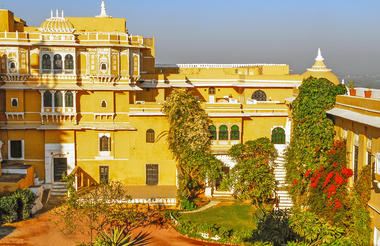
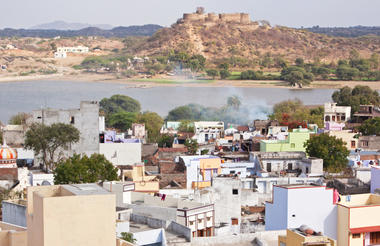

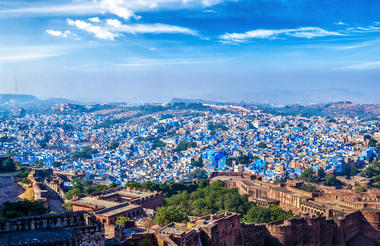
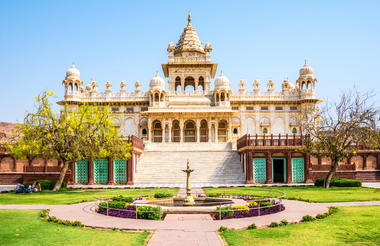
Known as the gateway to the Thar Desert, Jodhpur is the second-largest city in the state of Rajasthan, India. It is a popular tourist destination featuring a variety of ornate palaces, age-old forts, and sacred temples. Dubbed ‘The Blue City’, the old city contains houses in a beautiful shade of indigo. While Jodhpur is largely a sprawling modern metropolis, enclosed within its old city walls is a labyrinth of winding, narrow medieval streets, and bazaars. The massive 15th-century Mehrangarh Fort, which towers over the city from its sandstone plinth, is one of the largest in the country. Other must-see attractions include the Umaid Bhawan Palace, one of the world's largest private residences; and the Jaswant Thada, an intricately carved white marble mausoleum.
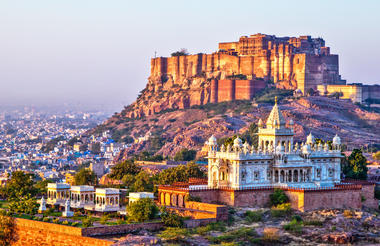
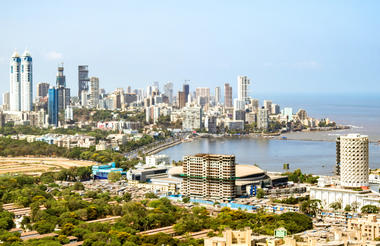
Mumbai is India's largest city and financial capital, located on the west coast along the Arabian Sea. A dynamic metropolis, it is renowned for its rich architectural heritage, thriving arts scene and vibrant culinary culture, offering an immersive introduction to modern India. Visitors can admire landmarks such as the Gateway of India, explore the historic Chhatrapati Shivaji Maharaj Terminus, browse bustling markets and sample the city's celebrated street food. The waterfront promenade at Marine Drive provides a welcome contrast to the city's energetic pace, while its museums, galleries and celebrated film industry embody the creativity, diversity and striking contrasts that define Mumbai.