


Welcome to India!
Upon arrival at Ahmedabad Airport, you will be welcomed and transferred to your hotel.
You might like to do some sightseeing in Ahmedabad this afternoon, or if you are overcome with travel-weariness, take some time to rest and rejuvenate.
You can enjoy your first meal either at the hotel or venture out to a local restaurant.
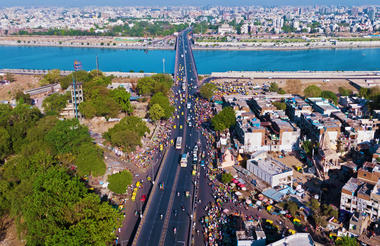
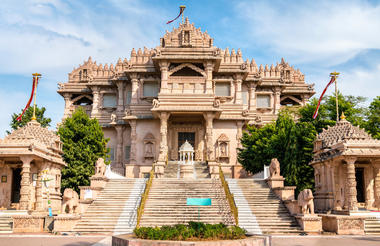

The Gujarati city of Ahmedabad, known for its grand historical landmarks, and famous for its cotton textiles, is often referred to as the Manchester of India.
This morning, you will have time to visit Ahmedabad’s most famous site – the Adalaj stepwell. Built in 1499 by Muslim king Mohammed Begda, the stepwell or 'Vav', as it is called in Gujarati, is intricately carved out of stone and is five storeys in depth.
Such stepwells were once integral to the semi-arid regions of Gujarat and Rajasthan as they provided basic water needs for drinking, washing and bathing. These wells were also venues for colourful festivals and sacred rituals. Stepwells, also known as stepped ponds, built between the fifteen and nineteenth century, are common in the west of India; over 120 such wells can be found in Gujarat alone, and Adalaj is considered the finest example of them all. Stepwells are also found in more arid regions of the subcontinent, extending into Pakistan, to collect rain water during seasonal monsoons.
In the afternoon you can drive north-east through the Indian countryside to Dungarpur, a remote town known for the unique style of architecture of its numerous palaces and noble residences. The journey is approximately 4 hours and you can stop for comfort breaks along the way.
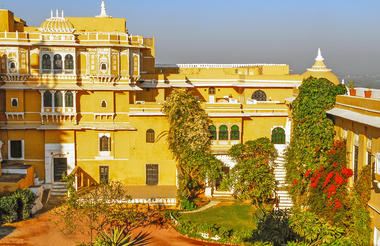
You can choose to have the 19th-century Udai Bilas Palace, which sits on the edge of a lake rich in birdlife, as your home for the next two nights. It's owned by the Maharajah of Dungarpur, and despite some modern renovating it still maintains the original Art Deco wallpapers and furnishings, murals on the walls, sculptured stone pillars, marble arches, mirrored floors, and African hunting trophies from bygone days. The whole property evokes the spirit of a vanished era.
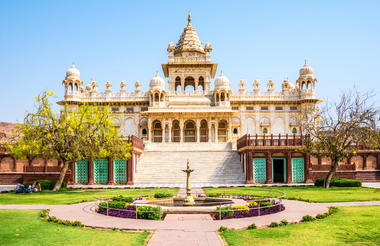
After settling into your hotel, you might visit the impressive Juna Mahal palace. This architectural treasure was built in the 13th century, and the seven-storied structure looks more of a fortress from the outside. Inside however the walls and ceilings are ornately decorated with murals, miniature paintings, and splendid glass and mirror inlay work.
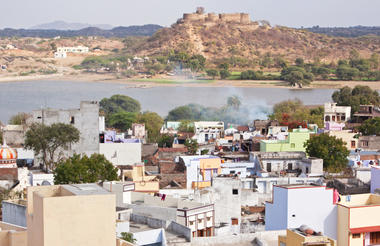
Afterwards you can return to your hotel on Gaib Sagar Lake for some leisurely time admiring the exquisite temples which are dotted around its shores. The lake environs are also a bird watcher’s paradise that hosts thousands of ducks as well as gray and purple herons, egrets, purple moorhens, white breasted waterhens, bee-eaters and green pigeons.
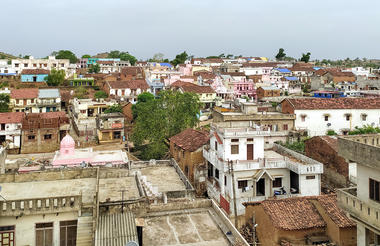
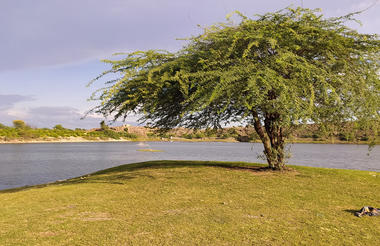
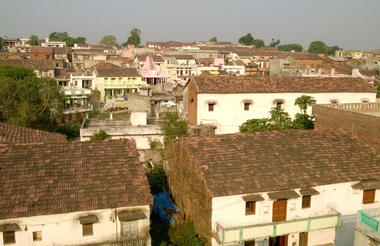
For your third day, why not choose to visit the Bhil tribes. In the era of warring maharajas and kings the Bhils were semi-nomadic people who used to offer their services as soldiers for hire. With the passage of time and the loss of income from mercenary activities they were driven to adopt a different way of life and settled in rural villages, where today they live from hunting and limited herding. The Bhils worship the Hindu goddess Kali, although many villages also retain animist practices such as the workshop of Cavins - loose piles of stones smeared with red paint. Traditional tribal costumes of the Bhil people feature beautiful jewellery in silver, bronze or brass that match their ethnicity and dress.
NB Please note that visits to the tribe can only be arranged at certain times in accordance with the lunar calendar, so if you are unable to go, then you can choose to visit a local village and school instead.
In the afternoon, you can visit a local charity called Pedomada for an insight into local livelihoods in this environmentally fragile region that is prone in particular to droughts. Pedomada plays a vital role in rural communities, particularly in reducing child labour and promoting education, but also in alleviating poverty, encouraging micro-finance and improving environmental conditions in countless ways.
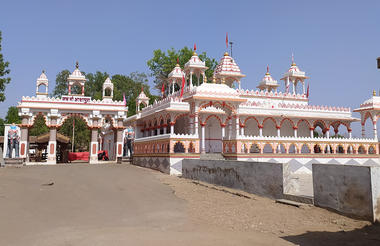


This morning, you might decide to make the 2 ½ hour (approx.) journey to the city dubbed ‘Venice of the East’ – Udaipur.
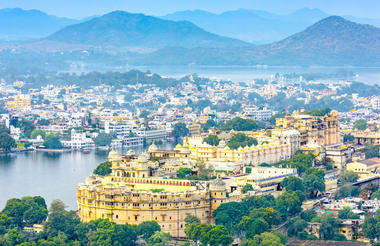
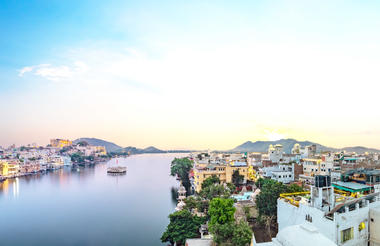
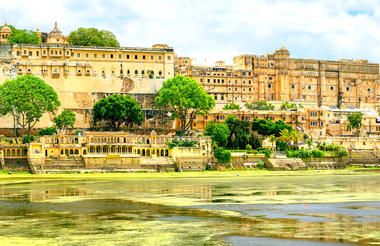
The city is built around three interconnected lakes – Lake Pichola, Fateh Sagar Lake and the smaller Swaroop Sagar Lake – and encircled by the hills of the Aravalli mountain range. It is home to an array of ancient temples and fairy-tale palaces and is known as one of Rajasthan’s most beautiful and romantic cities.
You can choose to stay at Udai Kothi - a boutique hotel in the heart of the old city and situated on the ghats of Lake Pichola. Designed, created and run by Kunwar Vishwavijay and his wife Bhuwneshwari Kumari, it is a superbly modern hotel that successfully incorporates many architectural and decorative features of this beautiful ancient city to produce an elegant and tranquil ambiance infused with old-world charm.
This afternoon, you can choose to spend the remainder of the day beside the hotel pool, drink in the vista from the roof top terrace or meander around the lush green gardens.
Alternatively, you could pay a visit to the local tailor and arrange to have some clothing pieces made to order to pick up before we leave Udaipur, or simply take a stroll around the city.
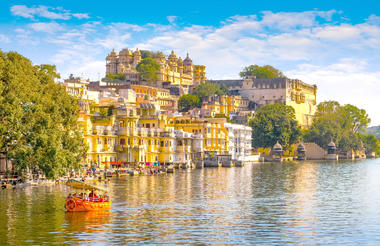
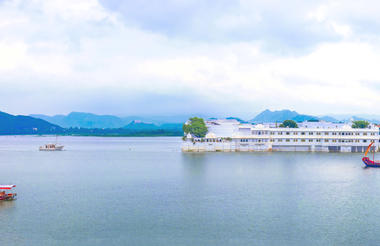
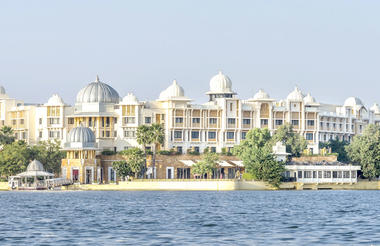
After breakfast this morning you could explore Udaipur on a city tour. Your first stop would be the Gangaur Ghat, located just across the water from your hotel. This atmospheric spot is a busy and colourful place where locals gather to catch-up, relax, and bathe. Often, the haunting sound of the ravanahatha – thought by many to be the world’s first violin – can be heard permeating the air.
Your next stop would be the Hindu Jagdish Temple built in 1651 and dedicated to Lord Vishnu. The temple is reached by elephant-flanked marble steps, and everywhere you look are beautiful examples of Hindu Iconography in the hand carved sculptures of dancers, elephants, horsemen and musicians that decorate the steeple, pillars and ceilings.
This afternoon, we can plan you a boat ride on Lake Pichola, whose beauty was mentioned by Rudyard Kipling in his Letters of Marque (1899), "If the Venetian owned the Pichola Lake, he might say with justice, `see it and die'". The lake, which was created in 1362, is enveloped by lofty palaces, temples, bathing ghats and lush green hills, and a boat trip at sunset is the perfect way to appreciate its soothing splendour.
After five days, you might head north for the village of Chanoud Garh. The total journey time is around 4 to 4 1/2 hours, but you can stop en-route (just over halfway) to visit the spectacular Temple of Ranakpur.
If any orders were placed at the tailor shop then you can collect these before we leave Udaipur first thing this morning.
Ranakpur, built in the 15th-century, is one of the most stunning examples of Jain temple architecture in the country. Legend has it that it appeared in a dream to a minister of the Mewar kings; it took 65 years to build, which is not surprising given its size and complexity.
The white marble temple complex, rising majestically out of the forest, is simply breath-taking. Over 1,444 marble pillars, carved in exquisite detail, support the temple and no two pillars are alike. The relief work is some of the best in all of India. You can take your time exploring and photographing this remarkable complex during the afternoon.
After Ranakpur you can continue onto the Hotel Chanoud Garh – a luxurious 300-year-old fort-palace that blends modernity with imperial splendor. Chanoud Garh stands as an oasis amidst the golden sands of the Thar desert. A magnificent palace steeped in history, the Garh has been painstakingly restored and transformed into one of the best heritage hotels in Rajasthan, showcasing the famed Rajput hospitality.
Enjoy the early-evening peace and tranquility of your surroundings in one of the hotel’s characterful courtyards.


This morning you can explore the surrounding area, relishing the sights you see and the people you meet.
After lunch you might return to the hotel and enjoy a relaxing afternoon however you wish.


This morning you might decide to take a scenic drive of about 3 hours to the beautiful heritage hotel of Deogarh Mahal.
Deogarh Mahal is a grand structure built in the 17th century. It stands atop a hill and commands a spectacular view of the village below, numerous lakes sparkling across the countryside, and the stunning backdrop of the Aravalli Mountain range.
Centuries in the making, Deogarh’s history begins far before the majestic palace was ever built. Even at first glance, it's obvious that Deogarh Mahal has been an integral part of the Mewar aristocracy and heritage, passed down from many Rawats (a local title equivalent to Raja) to be used as a personal residence and fort.
This evening you can discover more of the culinary heritage of this region with a cookery demonstration and tasting! Delicious. The workshops at the hotel promote traditional Indian cuisine and are extremely comprehensive. You will not only be given a demonstration but also practical tips you can take home and try out. Afterwards you will be able to sample your efforts.


"The essence of India lies in her villages" - Mahatma Gandhi
After a nice breakfast at the Mahal you could head out for the day on a ‘Rural Ramble’ with a picnic lunch.
In the hotel jeeps you’ll be driven through a pastoral setting where you explore the natural surroundings with locals tending to their fields and cattle and living in complete harmony with nature. You can also visit small villages in the area and meet the local people who live and work here.
The drive then leads to a series of lakes surrounded by green fields and volcanic rocks, where refreshments are served. These lakes attract a lot of the local migratory birds and small animals that are lovely to watch as the sun goes down.

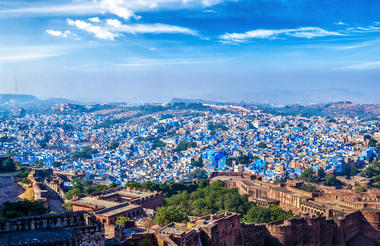
You might now drive to Jodphur (approx. 3 hours) and set out to explore the beguiling Blue City... amongst the maze of indigo painted houses, as you wind through the narrow medieval lanes of the old city you’ll encounter crumbling old havelis (mansions) with their great entrance gates and carved balconies, sprawling bazaars with stalls of colourful saris, and a fascinating hubbub of people, scooters, and cows. Every corner of the city thrums with life and activity.
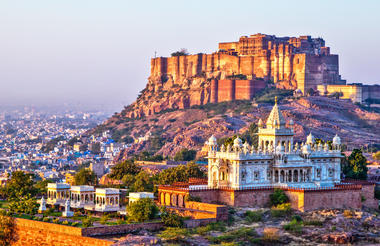
Towering above the old city on a rocky hill is one of India’s most magnificent forts. The red sandstone stronghold of Mehrangarh was chiselled from the rock on which it stands so the structure merges with the base; the battlements are up to 36 metres high and 21 metres wide and from the parapet the view of the city below is sublime. Inside there is plenty to see too – brilliantly crafted and decorated palaces, and an exquisite collection of palanquins, howdahs, royal cradles, miniatures, musical instruments, costumes and furniture in the museum.
Today you could decide to take the short drive to Jodhpur Airport and take a flight to Mumbai.
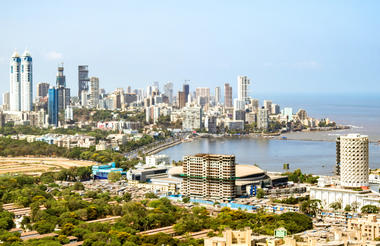
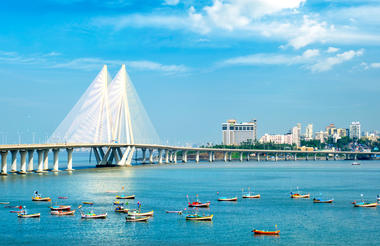
Mumbai is an economic powerhouse and the fastest moving, most affluent and most industrialised city in India. It is an island city – originally a collection of seven islands on the Konkan coastline which over time were joined to form the city of Bombay. A series of bridges connect the city to the mainland.
Lapped by the Arabian Sea, this urban seaside peninsula is a melting pot of old and new India. It is a city full of contrasts: lofty office blocks and shiny apartment buildings abut some of the grandest colonial-era architecture; traditional bazaars sit side by side with elegant modern shopping malls; and millionaires, Bollywood starlets, hardworking labourers, and fisherfolk all rub shoulders with each other.
Nestled in the heart of vibrant and bustling Mumbai lies Trident Nariman Point Hotel where you can stay for the next 2 nights. Soaring 35 storeys tall, it offers panoramic views of Marine Drive or the Queen's Necklace, as the beautiful promenade is lovingly called. This afternoon/ evening you could enjoy a pre-dinner stroll along Marine Drive – a great spot to appreciate the city’s skyline while enjoying the cool breeze off the ocean.


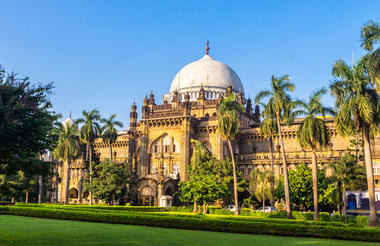
This morning you might take a cultural and sight-seeing tour of Old Mumbai and soak up some of the local vibe. You’ll see some of its most recognized monuments including the Gateway to India erected to commemorate the landing of King George V on his visit to India in 1911, historical sites like Mani Bhavan, the modest two storey building that was the focal point of Gandhi's political activities in Mumbai; and ramble through amazing spice markets with jute sacks bursting with spices of every colour - golden turmeric, vibrant red Kashmiri chillies, and the subtler browns of masala mixes.
Amongst the buzzing streets you’ll encounter thousands of hawkers with their rickety carts selling street food treats or a glass of chai, dabbawalas laden with lunch boxes hurrying to deliver them to the city’s office workers, and an astonishing array of small businesses from potteries and soap makers to recycling and embroidery businesses.
You might decide to spend the rest of today at leisure after a morning exploring this busy and hectic city.
This evening enjoy a delicious final meal whilst reminiscing on your trip.
From the famed Gateway of India, you can board an early-morning boat heading 10 km out across the bay to Elephanta Island. Here the sacred and astonishing Elephanta Caves were carved from the living rock between 450 and 750 AD. A marvel of intricate sculpture, the caves now constitute a You'll return to the hotel in the afternoon for a few hours of relaxation, and/or the chance to do some last-minute shopping if you'd prefer.
You will be picked up for your transfer to Mumbai Airport for your departure back home.


