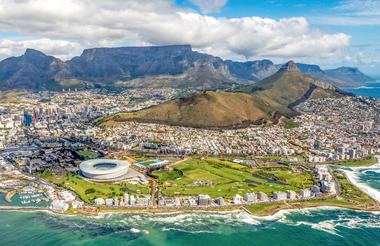
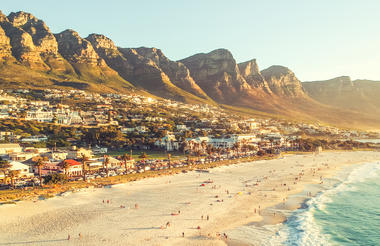
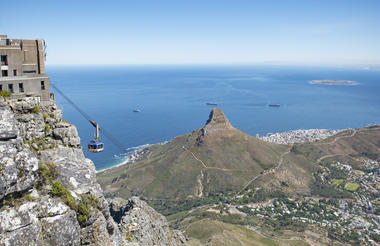
Set at the confluence of the Indian and Atlantic oceans and backed by the iconic Table Mountain, the bustling city of Cape Town presents an alluring combination of drawcards. Incredible powdery white beaches, highly acclaimed wine routes, and astonishingly beautiful mountain trails surround a cosmopolitan hub. This diverse metropolis is filled with superb shops and restaurants, extraordinary heritage monuments, a multitude of entertainment venues, and a spectacular, chic waterfront harbour. Highlights include the Zeitz Museum of Contemporary African Art; Table Mountain's jaw-dropping views; Boulders Beach, where penguins might swim right up to you in the warm Indian ocean waters; the Kirstenbosch Botanical Gardens, where you can walk along a treetop canopy among incredible native flora or watch an open-air concert at the base of the mountain; Robben Island, where visitors can see the cell where Nelson Mandela was imprisoned for 18 years; and many more.
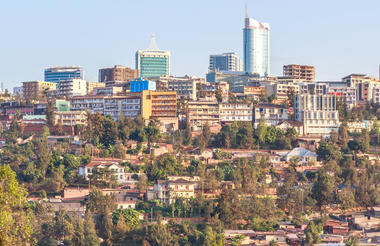
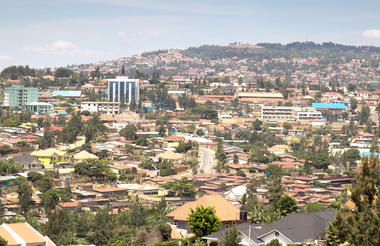
Kigali sits among rolling hills at the heart of East Africa, offering a remarkably clean, green and orderly urban landscape. The city blends contemporary development with a strong cultural identity, where polished avenues give way to lively neighbourhood markets and hillside communities. Visitors can explore the Kigali Genocide Memorial for a powerful insight into the country’s history, browse vibrant crafts at Kimironko Market, or enjoy a growing café culture shaped by locally grown coffee. Panoramic viewpoints reveal soft, undulating hills under wide skies, while the hum of motorbikes and the scent of roasted coffee define the city’s everyday atmosphere. Kigali also serves as a gateway to Rwanda’s national parks and unforgettable mountain gorilla encounters, making it both a meaningful stop and a base for wider exploration.

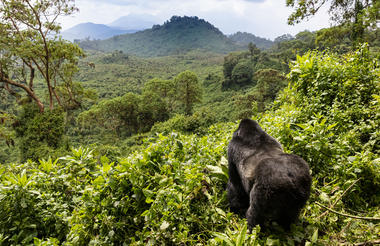
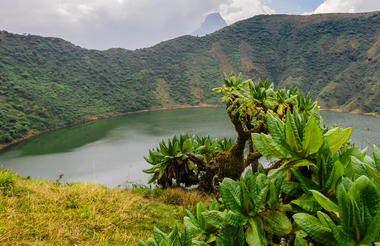
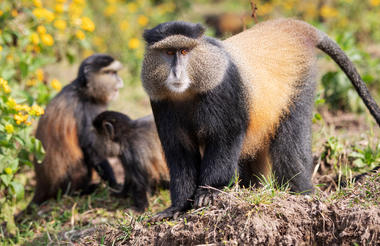
Bordering the Democratic Republic of Congo in Rwanda, and set high on the jungle-covered slopes of the volcanic Virunga Mountains, the Volcanoes National Park is best known as a sanctuary for the region’s rare mountain gorillas. Visitors flock here to experience face to face encounters with these intriguing creatures. Regulated treks through the reserve allow visitors to spend an hour at a time with these incredible primates in their natural habitat. While the gorillas are without a doubt the main drawcard, visitors can also look forward to exploring a network of scenic hiking trails, with the beautiful day hike to the crater lake on Mount Bisoke being a particular highlight. Make sure to visit the fascinating Karisoke Research Centre and the tomb of the world-famous Dian Fossey.
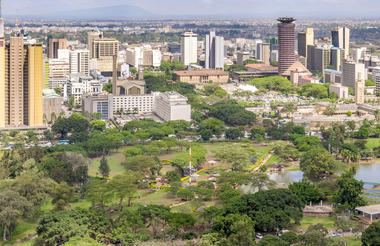
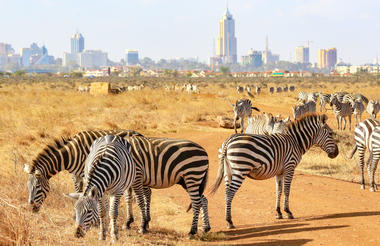
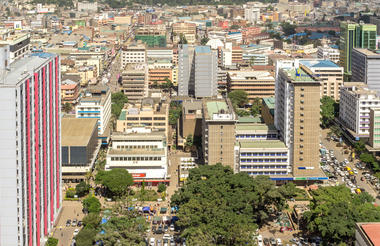
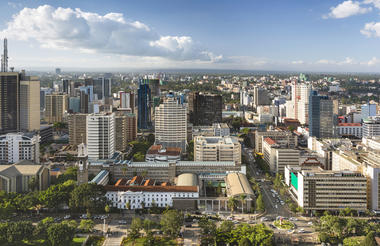
Widely regarded as one of East Africa’s most dynamic and cosmopolitan cities, Nairobi sits along the Nairobi River and serves as Kenya’s capital and largest urban centre, acting as a major gateway for safari travel across the country. The city features a growing café culture, active nightlife, and cultural landmarks such as the National Museum of Kenya and the Karen Blixen Museum. Just outside the city centre lies Nairobi National Park, where wildlife, including lions, giraffes, and buffalo, roam against a backdrop of skyscrapers — one of the rare cases in the world where a major national park borders a capital city. Visitors also often stop at the David Sheldrick Wildlife Trust elephant orphanage for close encounters with rescued calves.


Spanning over thousands of hectares of vast open savannah grasslands in northern Kenya, Lewa Wildlife Conservancy is home to the world’s largest population of Grevy’s zebra. Renowned as a pioneer and leader in responsible tourism, Lewa Wildlife Conservancy actively advances and develops community engagement and wildlife conservation. It has been declared a UNESCO World Heritage Site and serves as an important sanctuary for a large selection of wildlife including the endangered black rhino as well as the white rhino. Lewa offers visitors the opportunity to have close encounters with these prehistoric creatures against an unspoilt backdrop, making it one of Kenya’s top game-viewing destinations. Boasting one of the highest wildlife densities in Kenya, the park is also inhabited by elephants, lions, buffalo, African Painted Wolves, giraffes, cheetahs, and over 400 bird species.
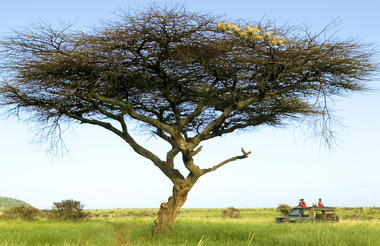
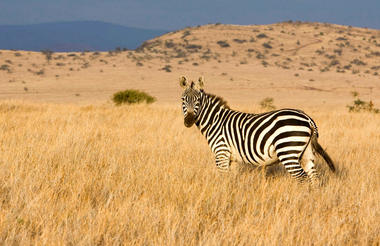
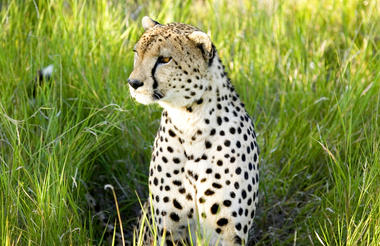
Kalama Community Wildlife Conservancy, an exclusive and collectively-owned 95,000 hectare-large wildlife Conservancy, borders the Samburu National Reserve in Northern Kenya. It also borders Ngutuk Ongiron Group Ranch to the west, Namunyak Community Conservation Trust to the north, and Sera Community Wildlife Conservation to the northeast. Kalama is part of the Northern Rangelands Trust. The Samburu ecosystem is a well-known area in central Kenya comprising of Buffalo Springs National Reserve, Samburu National Reserve, and Kalama Conservancy. The natural environment is arid and semi-arid; open scrub and grasslands with significant environmental variation based on altitude. The area is home to the ‘Samburu Special Five’ – indigenous species only found in this area namely the Beisa oryx, the gerenuk, the Somali ostrich, the Grevy’s zebra, and reticulated giraffe.
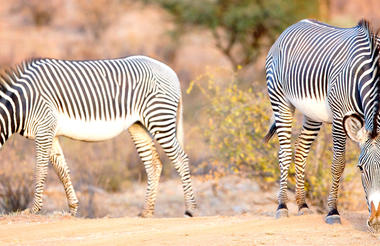
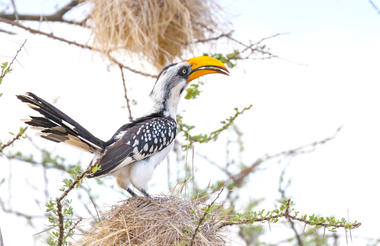

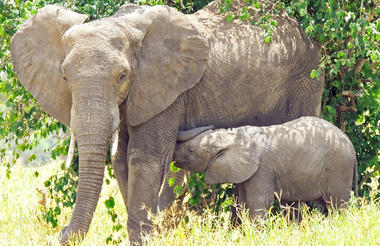
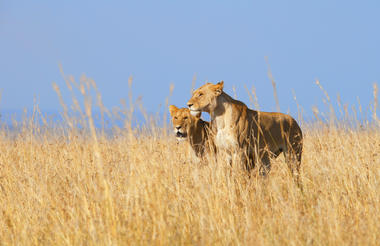
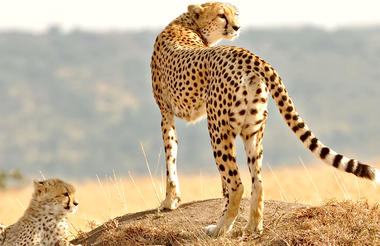
Situated in southwestern Kenya, the Masai Mara encompasses the celebrated national reserve and its surrounding community conservancies, forming part of the Greater Serengeti–Mara ecosystem. Rolling savannahs, dotted with acacia trees and crossed by the Mara River, create a rich and varied landscape. Vast herds of wildebeest, zebra, and antelope graze across the plains, while elephants, giraffes, and buffalo roam freely. The river’s lush banks support hippos and crocodiles and sustain wildlife throughout the dry season. Predators are abundant, with lions, leopards, cheetahs, and hyenas regularly seen in action. Each year, the spectacular Great Migration transforms the region, as millions of wildebeest and zebra traverse the plains. Visitors can soak up the breathtaking scenery, diverse wildlife, and Maasai cultural heritage in one of Africa’s most iconic safari destinations.
As previously described
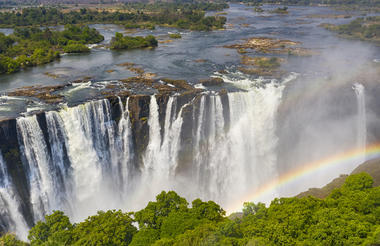
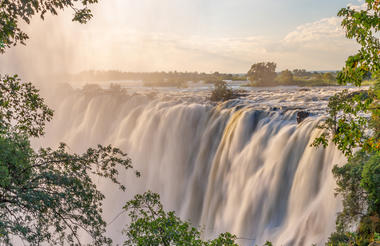
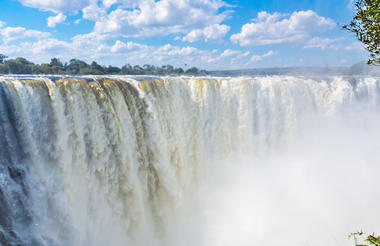
Known locally as Mosi-oa-Tunya—“The Smoke That Thunders”—Victoria Falls is one of the world’s great natural landmarks. Straddling the Zambezi River between Zambia and Zimbabwe, it forms a vast curtain of water that fills the air with mist and sound. The Zimbabwean side grants the most dramatic views, where mist rises like ghostly curtains and rainbows arc through the spray. Measuring about 1,708 metres across, it is regarded as the largest single continuous sheet of falling water on Earth. The adjacent town of Victoria Falls provides a convenient base for exploring the region, with a wide range of activities from scenic flights and microlight trips to white-water rafting, bungee jumping, kayaking, and safaris into Chobe National Park.