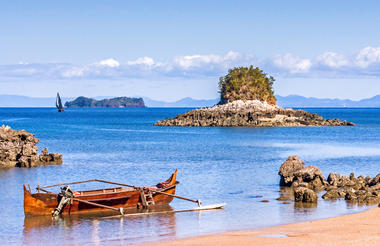
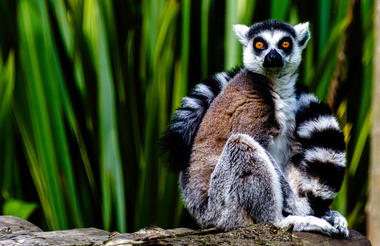
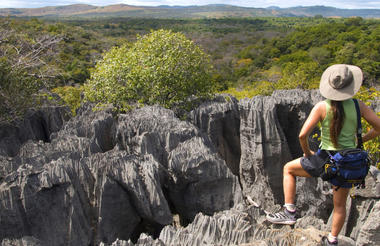
Evolution has occurred more or less in isolation on this remote island – located 400 kilometres off Africa’s east coast – with the result that much of its indigenous wildlife is found nowhere else on earth. Madagascar’s menagerie of weird and wonderful creatures includes the world’s biggest and smallest chameleons and over 70 species of lemur – long-tailed primates endemic to the island. The Madagascan landscape is no less compelling than the resident wildlife, with terrain ranging from lush jungles and palm-fringed beaches to the knife-edged karst tsingys of the Tsingy de Bemaraha National Park’s ‘stone forests’. Madagascar is an otherworldly paradise where visitors are offered a unique glimpse into a fantastical one-of-a-kind world.
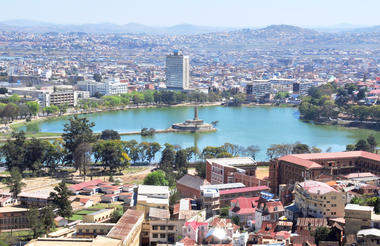
Set across a series of hills in Madagascar's central highlands, Antananarivo is the country's vibrant capital and cultural heart. Often referred to as "Tana", the city combines a rich history with a lively urban atmosphere, where colourful markets, colonial-era buildings, and bustling streets reflect a blend of Malagasy traditions and past influences. Visitors can explore the historic Upper Town, admire panoramic views from the restored Queen's Palace, and browse local crafts, spices and produce in the city's markets. The scent of street food drifts through the air, while narrow lanes and steep stairways reveal hidden corners of everyday life. Dynamic and energetic, Antananarivo offers an authentic introduction to Madagascar's culture, history and distinctive character.
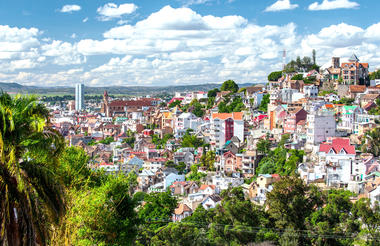

Neighbouring the Amber Mountain National Park, the Joffreville village lies four kilometres from its entrance. This former French colonial town offers comfortable accommodation options in character-filled heritage buildings. The surrounding landscape features forested mountains, valleys and lush woodlands. The sleepy town of Joffreville serves as an excellent base for those wishing to explore the beautiful surroundings including the Amber Mountain National Park, which is home to several endemic species. Visitors can look forward to browsing a smattering of small shops, viewing the old church and strolling through the streets of the town dotted with fruit stalls selling locally grown seasonal fruit such as avocados, mangos, litchis, guavas and bananas.
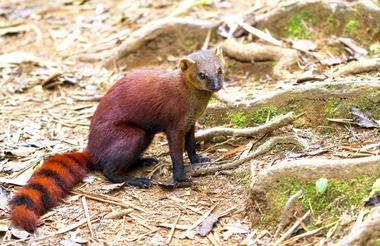
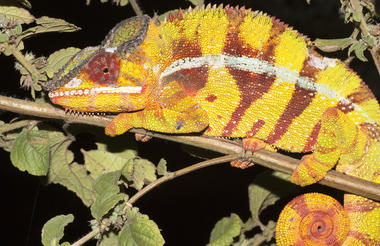
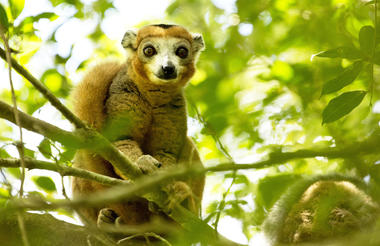
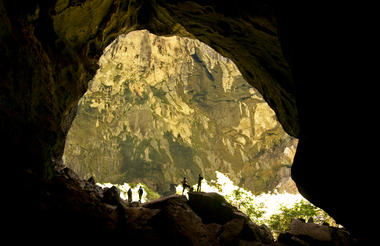
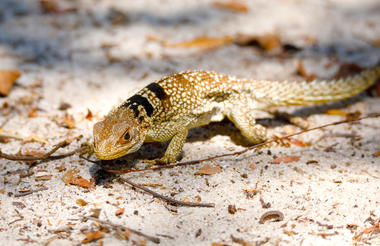
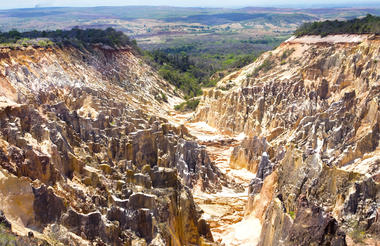
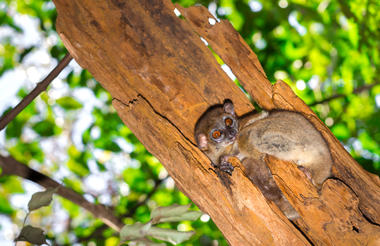
Situated in northern Madagascar, the Ankarana Reserve lies on a magnificent plateau consisting of 150-million-year-old Jurassic limestone. This unspoilt landscape is known for its otherworldly fields of ‘tsingy’- spiky karst pinnacle rock formations - cloaking hidden forested canyons and a network of subterranean rivers. These isolated canyon pockets are home to some of the world’s most protected and untouched endemic fauna and flora. The reserve is renowned for this unique terrain and is said to have the highest density of primates of any forest in the world. Commonly spotted wildlife includes a variety of chameleons, the rare leaf-tailed Uroplatus, the crowned lemur, Sanford's brown lemur, Perrier's black lemur, the northern sportive lemur, and dwarf lemurs.
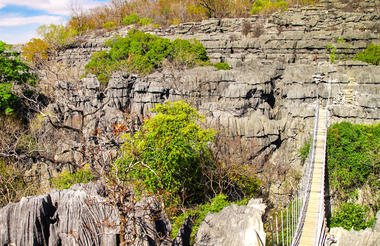
As previously described
Situated off the western coast of Nosy Be island, Nosy Sakatia is a tiny little picturesque island in Madagascar. This slice of paradise features pristine white-sand beaches lapped by impossibly blue waters. The island is also home to lush forests, an array of endemic wildlife and numerous viewpoints which offer stunning views over the pristine coastline scattered with small local villages. Visitors can look forward to snorkelling in the calm crystal-clear waters, scuba dive through the colourful coral reefs, and enjoy the peaceful laidback charm of this tropical hideaway. Other popular activities include: sailing, fishing, boating and orchid spotting.