Dar es Salaam, Tanzania’s largest city, principal port, and former capital, is a vibrant coastal metropolis that serves as the country’s economic, transport, and cultural hub. Situated along the Indian Ocean and positioned on key maritime trade routes, the city blends modern development with a rich history reflected in its diverse architecture and bustling markets. Visitors can explore cultural attractions such as the National Museum and House of Culture, stroll through the city's Botanical Gardens, or experience the lively atmosphere of Oyster Bay. Dar es Salaam also serves as a gateway to some of Tanzania’s most popular destinations, including Pemba Island and Zanzibar’s Unguja Island, as well as nearby national parks and beautiful stretches of coastline.
Formerly the northern part of Selous Game Reserve, Tanzania's Nyerere National Park is Africa’s largest National Park. Stretching over an impressive 30,893 square kilometres, the park is home to some of the world’s largest concentrations of wildlife, and the incredible diversity and sheer volume of animals draw visitors from around the globe. Travellers can look forward to spotting a wide collection of common and rare species including the famous Big Five, some rare species of antelopes like Roan Antelope, and large concentrations of elephant and hippos. Don’t miss the opportunity to take a boating safari on the exquisite Rufiji River, spot the endangered African wild dog, and enjoy a guided walking safari with a highly knowledgeable guide.
Please view a quick video from our recent trip to Nyerere/Selous NP - https://www.youtube.com/watch?v=wVGAJz6GMp4
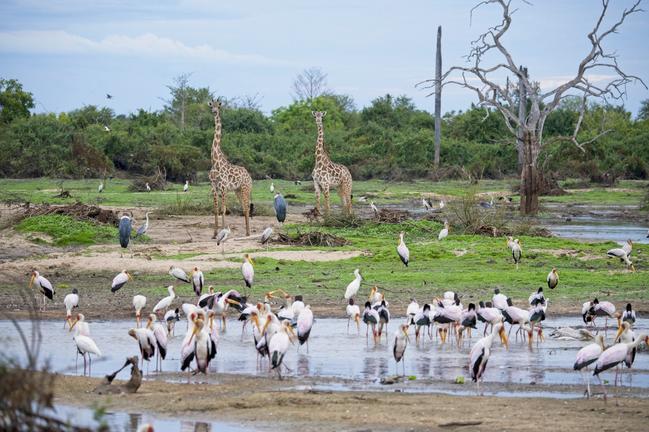

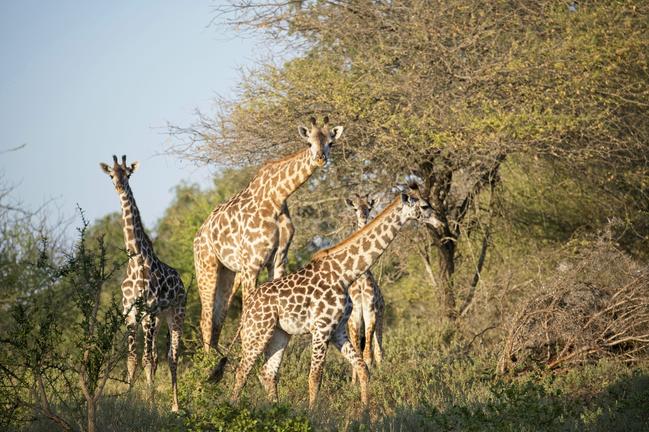

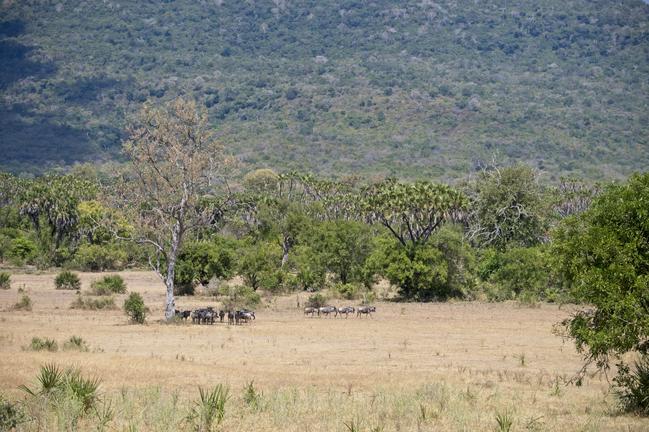
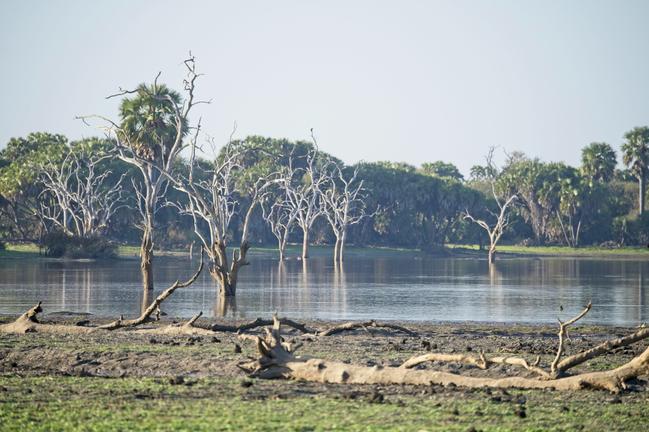


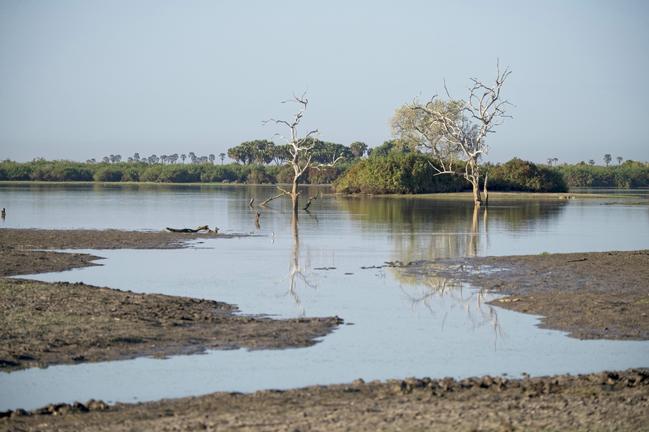
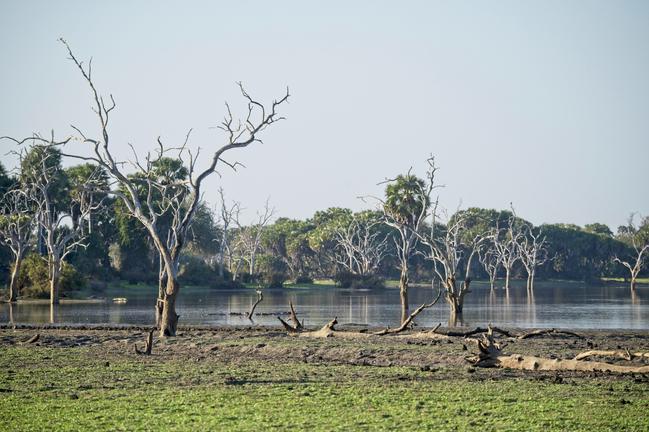
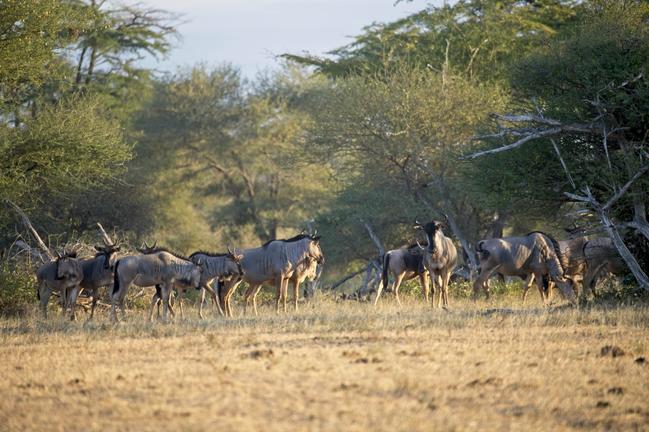

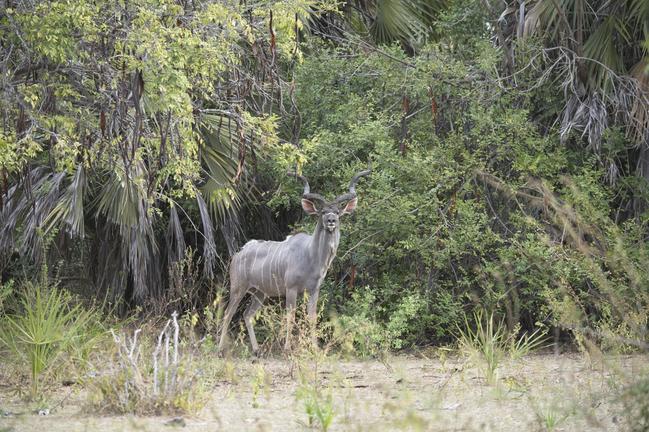
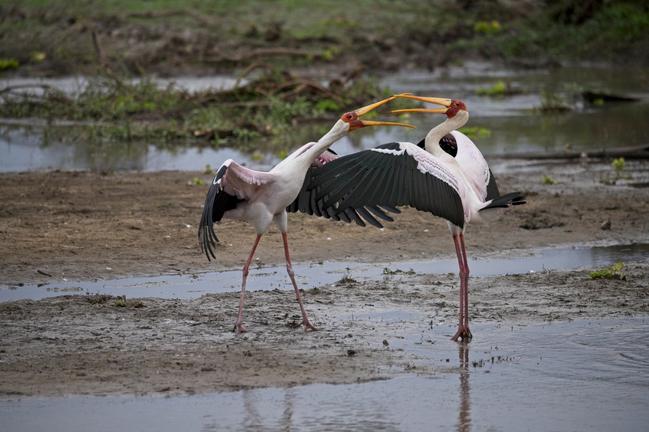
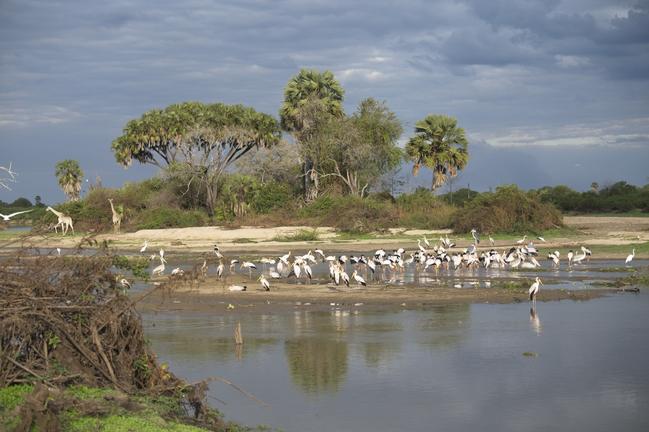
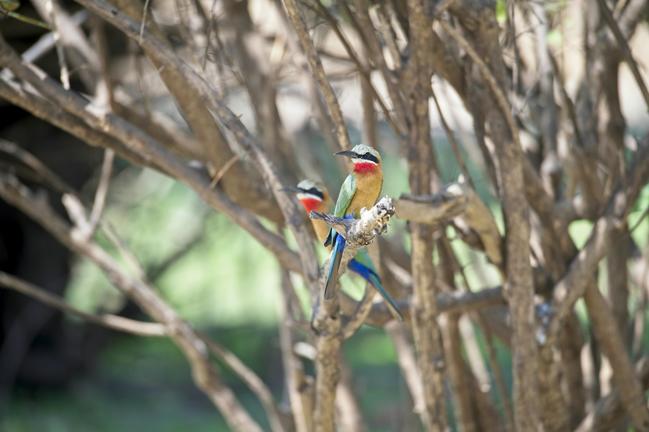
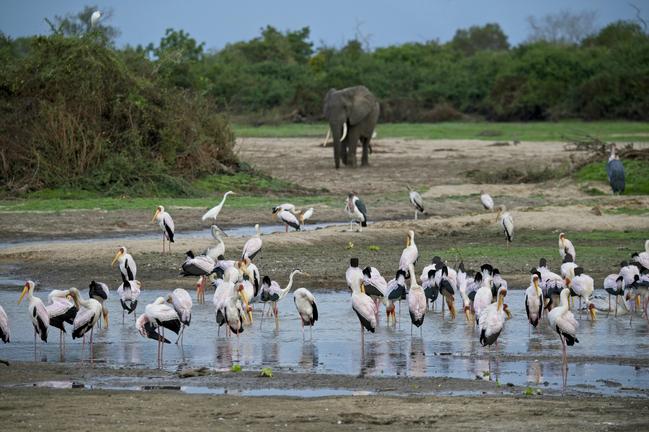

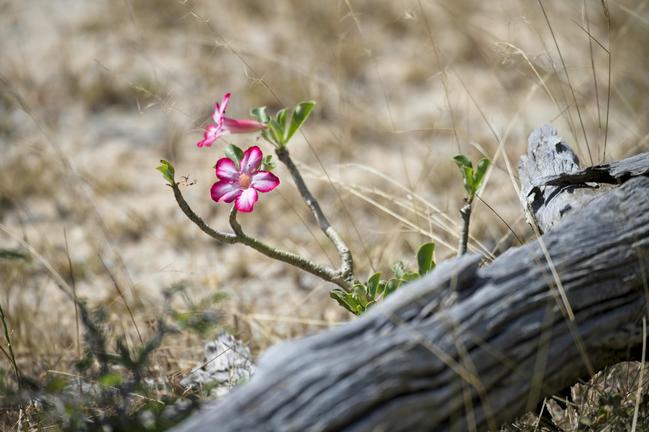
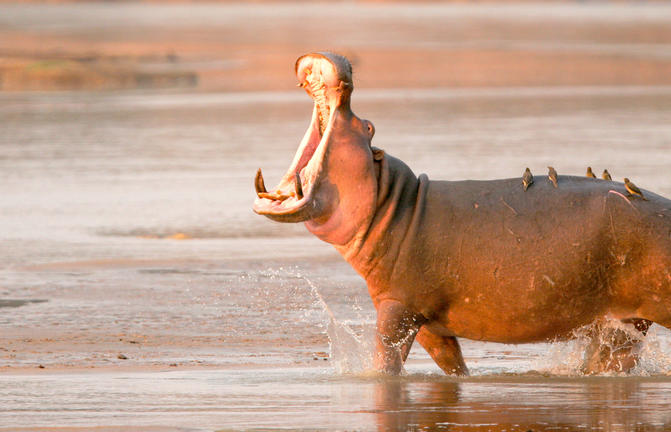
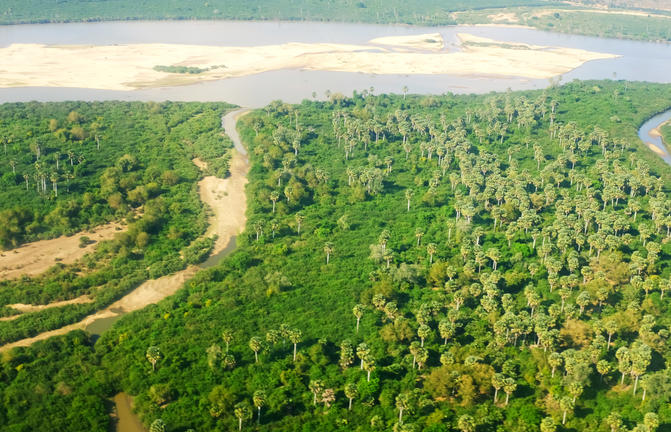


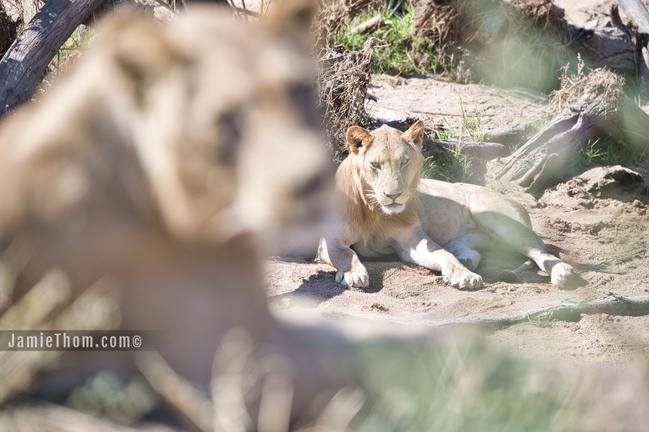
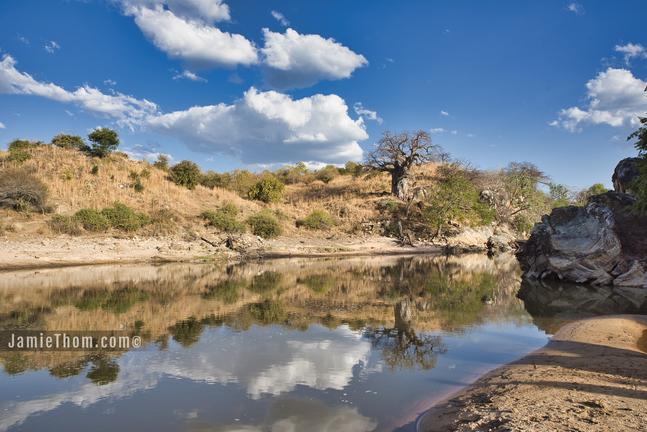

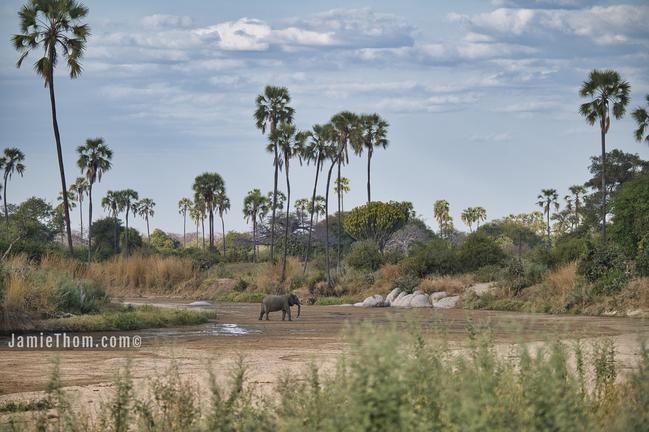
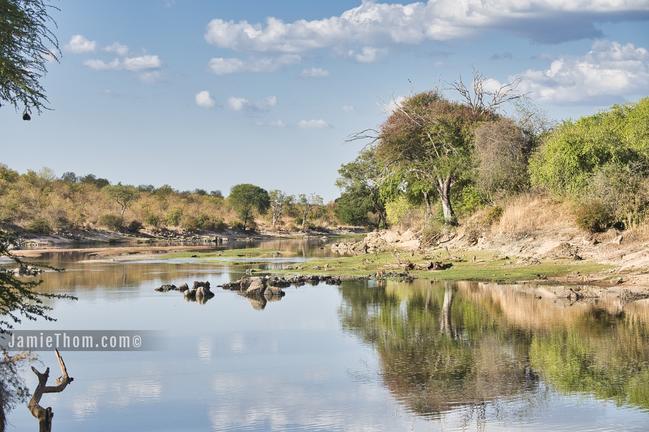

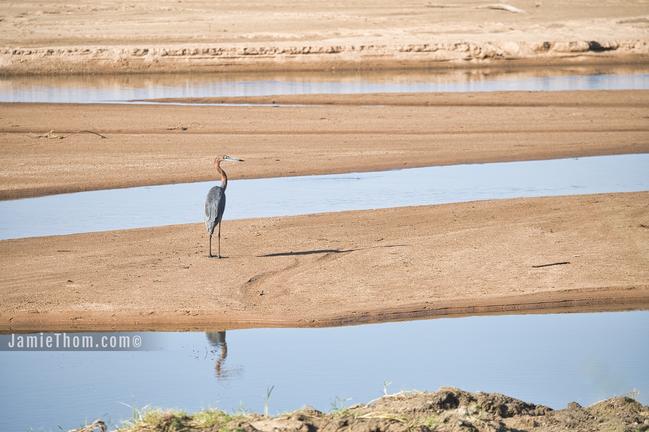
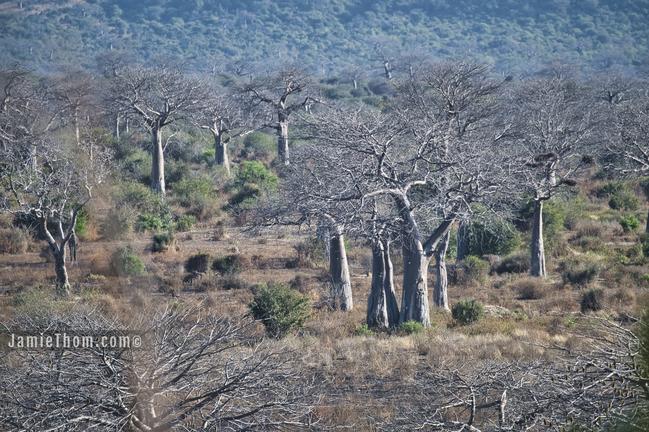

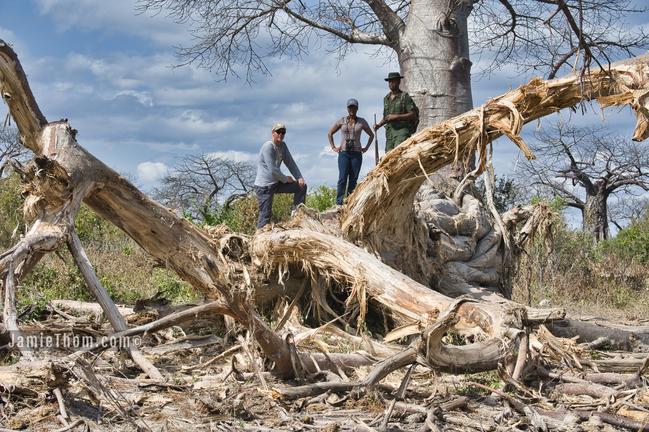
Following its recent expansion, Ruaha is currently East Africa’s biggest national park and the second-largest on the African continent. It is also Tanzania’s most sizeable elephant haven and home to a profusion of bird species, including kingfishers, plovers, egrets, hornbills and sunbirds. Crocodiles and hippos thrive in the Great Ruaha River, which flows along the sanctuary’s eastern border and in the dry season between July and November, animals flock to the last remaining water sources, presenting an exceptional wildlife spectacle. There are a number of accommodation options available but some close for the wet season in March and April.
Please view a brief video from our recent trip to see what Ruaha is all about - https://www.youtube.com/watch?v=hShYHxCNZME
Situated on the western coast of Zanzibar Island, off the mainland of Tanzania, Stone Town is a historic port town and the cultural heart of the Zanzibar Archipelago. Recognised as a UNESCO World Heritage Site, it is renowned for its labyrinth of narrow streets, intricately carved wooden doors and centuries-old buildings that reflect African, Arab, Indian and European influences. Visitors can explore bustling markets, visit historic palaces and local museums, and discover the town's rich trading and maritime history within a vibrant urban setting. The waterfront is particularly atmospheric in the late afternoon, when locals gather at Forodhani Gardens, and traditional dhows sail across the Indian Ocean. Stone Town also serves as the gateway to Zanzibar's beaches, spice farms and marine excursions, making it a convenient starting point for exploring the island.