Windhoek, Namibia’s capital, lies in the heart of the country amid the rolling Khomas Highlands, where wide skies and dry savannah frame a compact, orderly city. It blends German colonial heritage with contemporary African identity, creating a calm, understated atmosphere rather than a bustling metropolis. Landmarks such as Christuskirche and the Tintenpalast sit alongside modern civic buildings, while lively markets and cafés reveal everyday Namibian life. Visitors can explore museums, stroll shaded streets, or use the city as a gateway to the surrounding wilderness and safari regions. The air is often dry and clear, carrying the scent of dust and jacaranda blossoms, while distant hills glow at sunset. Windhoek offers a gentle introduction to Namibia’s landscapes and culture, with space, light and quiet defining its appeal.


Set between the rolling dunes of the Namib Desert and the icy Atlantic coastline, Swakopmund is a relaxed seaside town in western Namibia known for its German colonial architecture, cool coastal climate, and adventurous spirit. Palm-lined streets, historic buildings, and ocean fog create an atmosphere unlike anywhere else in the country. Travellers visit for desert activities such as quad biking, sandboarding, and scenic flights over vast dunes and shipwreck-strewn shores. Cafés, bakeries, and small museums add to the town's laid-back charm, though the Atlantic waters are brisk rather than tropical. With its striking desert-meets-ocean setting and mix of adventure and history, Swakopmund is one of Namibia's most distinctive destinations.


The small headland of Cape Cross lies on western Namibia’s Skeleton Coast, roughly 60 kilometres north of Henties Bay. The historic area was landed on by the Portuguese in 1486, and they erected a stone cross here in honour of the Portuguese King, however, this cross was replaced by the German settlers in the 1800’s. Cape Cross best known for its extraordinary breeding colony of Cape fur seals and has been made a reserve. With the abundance of fish swimming in the cold Benguela current, the seals have plenty to snack on, and they also enjoy lying and playing out in the sun. From a 200-metre-long walkway, visitors can watch the seals at play and learn about them through the area’s information points.


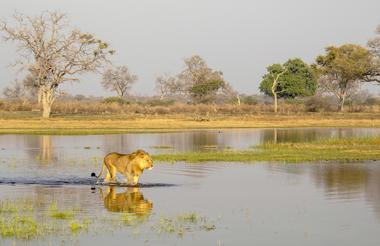
Situated along the southern boundary of Etosha National Park in northwestern Namibia, Etosha South encompasses the park's southern safari region and a collection of private game reserves and lodges. The park is accessed via Andersson Gate, placing visitors within easy reach of renowned waterholes and excellent wildlife viewing. Lions, elephants, giraffes, white and black rhinos, and a wide variety of antelope are among the species commonly seen. Guided 4×4 game drives are the main attraction, with half- and full-day safaris available, some including picnic lunches in the bush.


Situated east of Etosha, bordering Fisher's Pan, Onguma Game Reserve is one of Namibia's best-kept secrets. The reserve offers visitors the opportunity to experience Africa in all her beauty and diversity. Onguma Game Reserve features over 35 480 hectares of protected land scattered with a variety of wildlife including plains game, black rhino, kudu, giraffe, zebra, lion, cheetah, leopard and more than 300 bird species. The seasonal rains attract thousands of migrating birds to the Fisher’s Pan wetland area. The neighbouring Etosha National Park is home to a rich array of wildlife, including 4 of the Big 5. Visitors can enjoy game drives, guided walks and rhino research drives within the private reserve as well as wildlife safaris into Etosha National Park to view abundant game in the largest national park in Namibia.


Flowing from the highlands of Angola and tracing the border with Namibia, the Okavango River is southern Africa’s fourth-longest river system and a lifeline of remarkable biodiversity. Before entering Botswana to form the famed Okavango Delta, it passes the scenic Popa Falls rapids, where visitors can take in the sound of rushing water against lush riverbanks. The surrounding landscapes are rich with wildlife, supporting over 70 fish species and more than 400 bird species, making the region a favourite for anglers and birders alike. Travellers can enjoy tranquil boat cruises, explore riverside reserves, or visit Rundu, the relaxed capital of Kavango East, where daily life unfolds along the water’s edge.
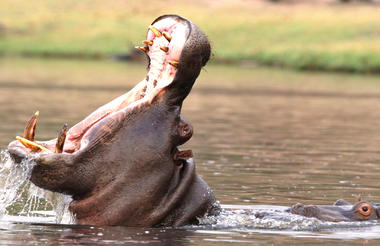

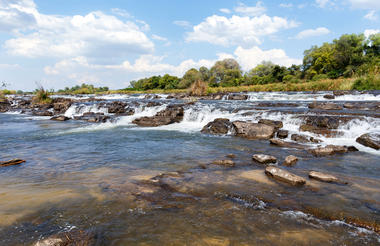
Set roughly 200 kilometres east of Rundu on the southeastern banks of the great Okavango River, the small village of Divundu is a wonderful destination from which to explore the river, game parks and national reserves of the area. Visitors can enjoy fishing or bird watching boat safaris, or visit the Mahango Game Park, which is home to herds of elephant as well as hippo, buffalo, giraffes, antelope, and many other animals. The spectacular Popa Falls, a dramatic series of cascades - are a popular must-see attraction. Divundu is also the perfect base for adventures in Botswana and the Okavango Delta.
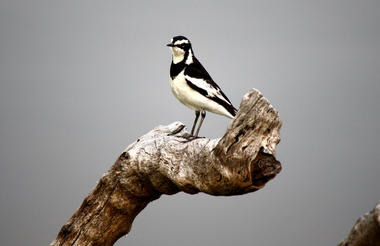
Stretching over 6200 square kilometres in northeast Namibia, the Bwabwata National Park includes the Caprivi Game Park and the Mahango Game Reserve which extends along the narrow Caprivi strip. The park functions as a wildlife sanctuary and practices community-engaged conservation, which visitors can take part in. It has been dubbed the 'People's Park', as the local Caprivian people live in harmony with the land and the animals. With an ever-growing wildlife population, the park is home to many animals including elephant, leopard, lion, buffalo, wildebeest, crocodile, and red lechwe. Avid birdwatchers will be thrilled to find over 330 bird species in the area. Visitors can look forward to excellent game viewing, boat safaris, nature walks and camping under the brilliantly clear Namibian night sky.


Savuti, also known as Savute, lies in the heart of Botswana’s renowned Chobe National Park and is one of the country’s most fascinating wildlife destinations. This dynamic wilderness features vast open savannahs, ancient rocky outcrops, and the remnants of a historic marsh fed by the enigmatic Savuti Channel. Famous for its unpredictable wet and dry cycles, the landscape is constantly changing, creating unique habitats for a remarkable variety of wildlife. Wild dogs hunt along the dry riverbed where crocodiles once swam, highlighting the area’s ever-shifting nature. Visitors can encounter large herds of elephants, Cape buffalo, zebra, and wildebeest, as well as predators such as lions, cheetahs, hyenas, black-backed jackals, and bat-eared foxes. Savuti is also home to abundant birdlife, antelope species, tsessebe, kudu, and many other iconic African animals.


As previously described


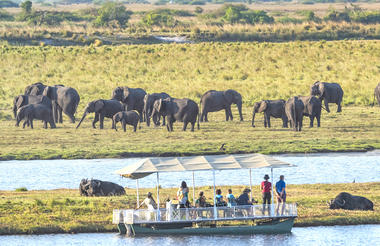
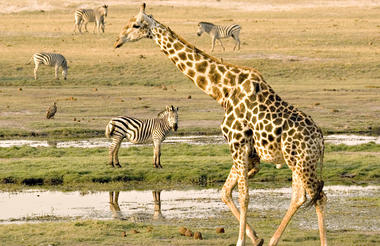
In northern Botswana, where the Chobe River winds through broad floodplains and woodland, Chobe National Park protects one of Africa’s most celebrated wildlife regions. Renowned for its vast elephant population, the park offers exceptional game viewing, particularly along the riverbanks where herds gather to drink, bathe and cross the water. Boat safaris provide a distinctive perspective, bringing visitors close to hippos, crocodiles and abundant birdlife, while traditional game drives reveal lion, leopard, buffalo and a variety of antelope. The atmosphere is wild and immersive, with the sounds of trumpeting elephants, calling fish eagles and water lapping against riverbanks carrying across the landscape. Chobe combines remarkable wildlife density with beautiful river scenery, creating a safari experience that is both dramatic and accessible.

As previously described


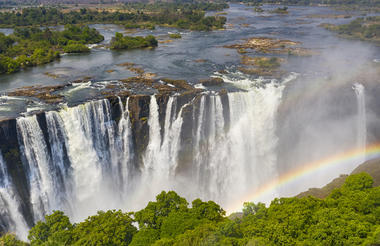
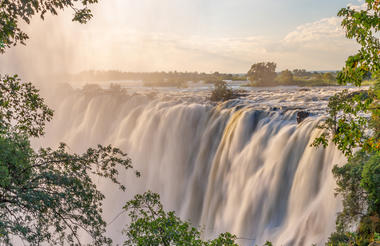
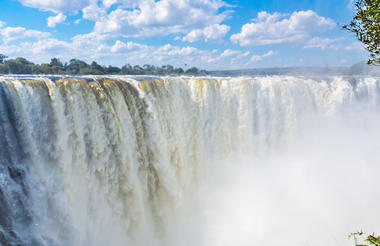
Known locally as Mosi-oa-Tunya—“The Smoke That Thunders”—Victoria Falls is one of the world’s great natural landmarks. Straddling the Zambezi River between Zambia and Zimbabwe, it forms a vast curtain of water that fills the air with mist and sound. The Zimbabwean side grants the most dramatic views, where mist rises like ghostly curtains and rainbows arc through the spray. Measuring about 1,708 metres across, it is regarded as the largest single continuous sheet of falling water on Earth. The adjacent town of Victoria Falls provides a convenient base for exploring the region, with a wide range of activities from scenic flights and microlight trips to white-water rafting, bungee jumping, kayaking, and safaris into Chobe National Park.