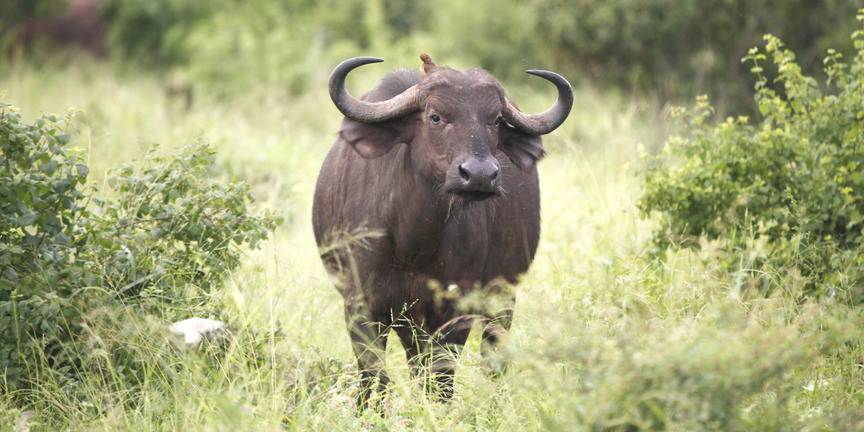
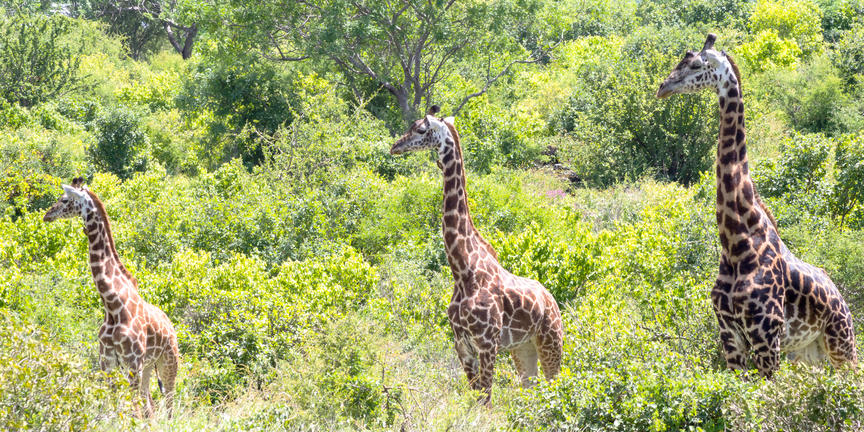
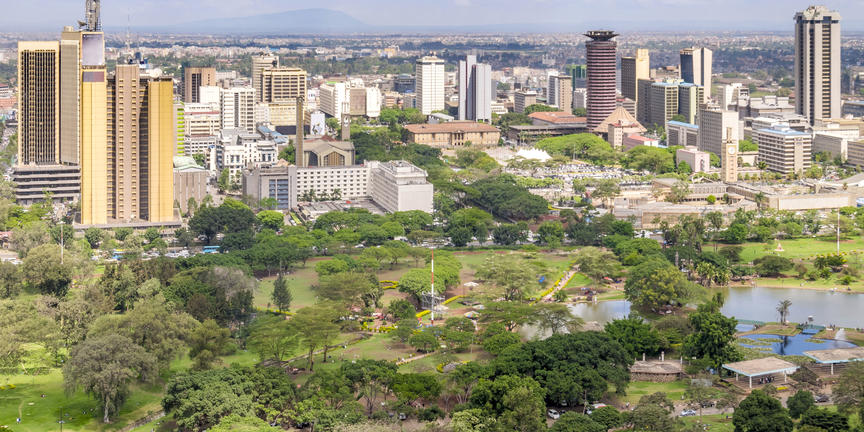
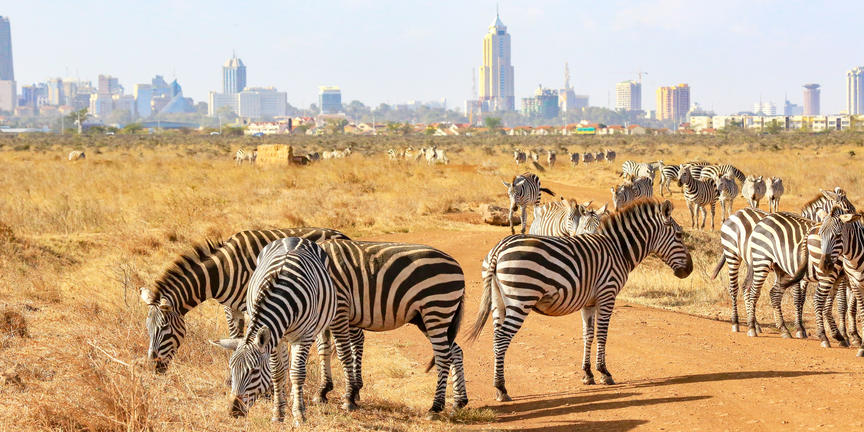
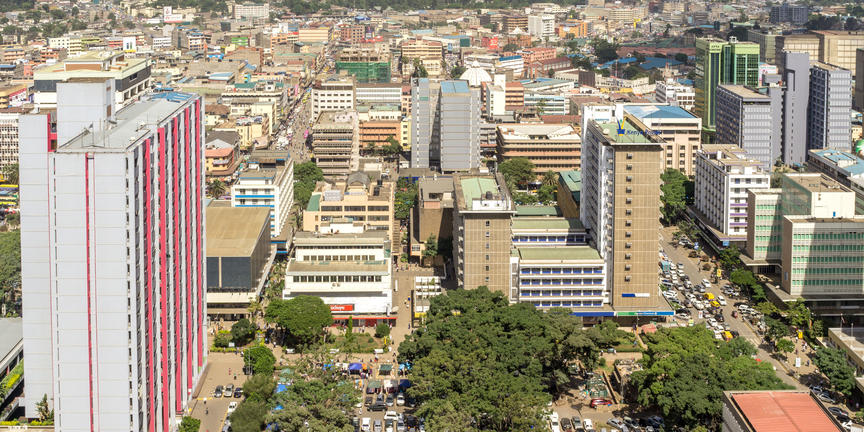
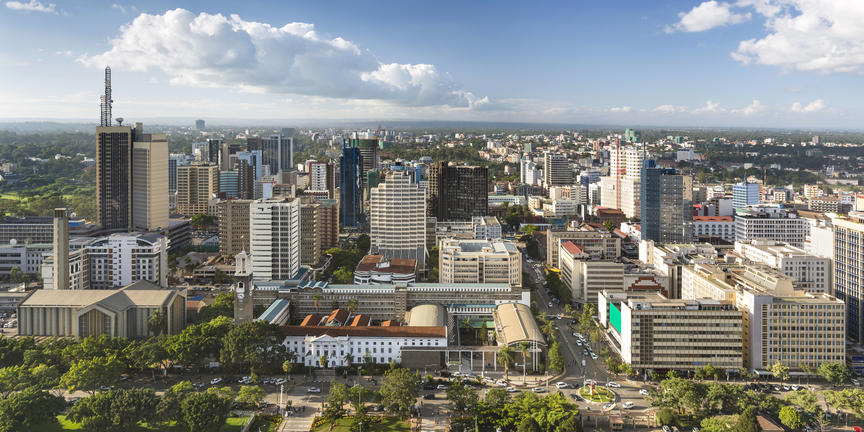
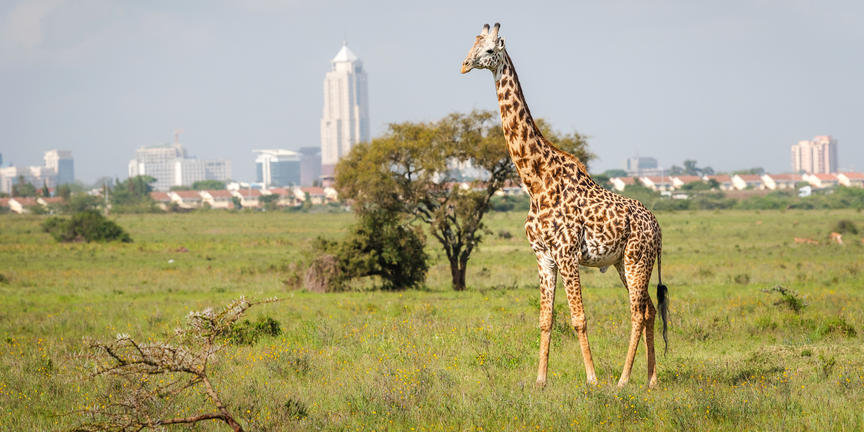
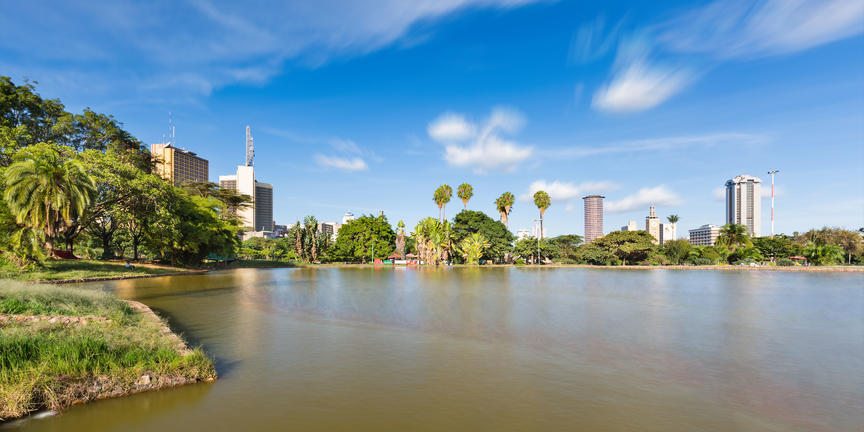
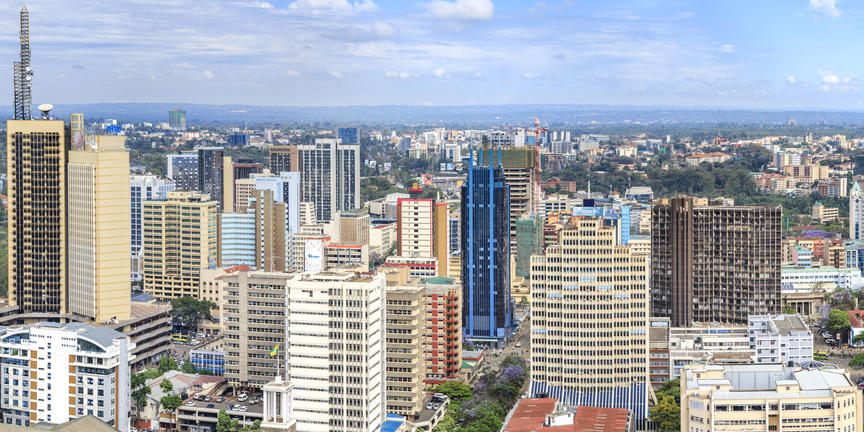
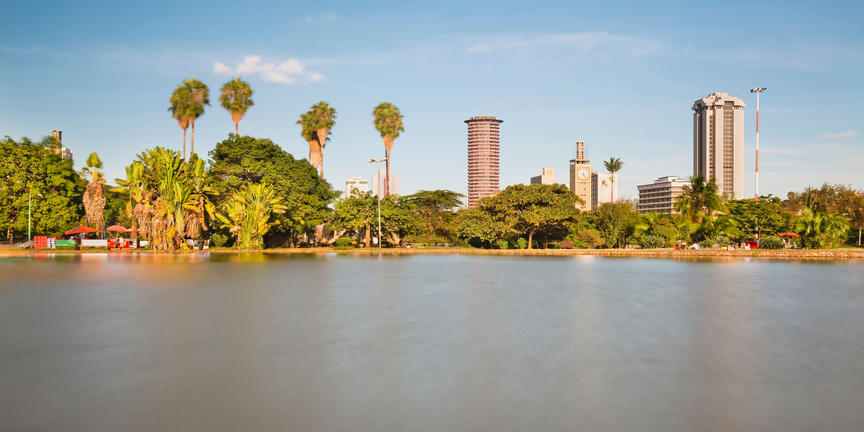
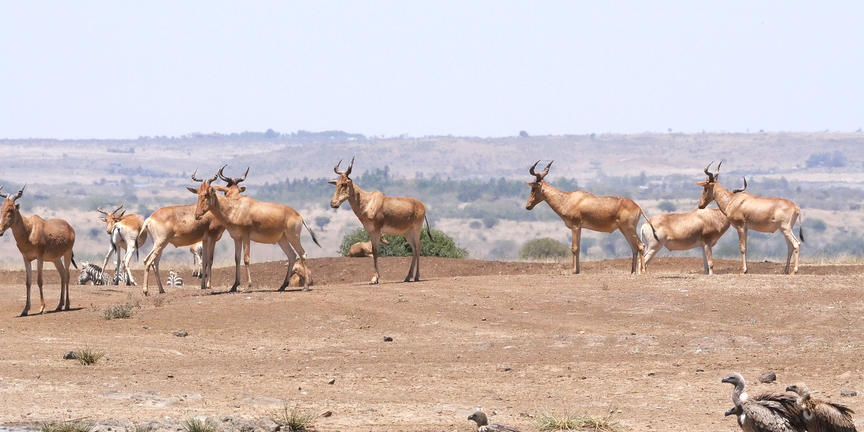
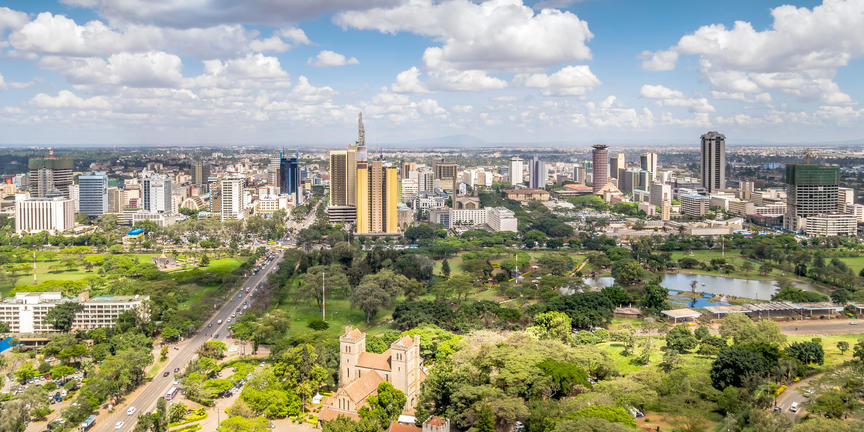
Widely regarded as one of East Africa’s most dynamic and cosmopolitan cities, Nairobi sits along the Nairobi River and serves as Kenya’s capital and largest urban centre, acting as a major gateway for safari travel across the country. The city features a growing café culture, active nightlife, and cultural landmarks such as the National Museum of Kenya and the Karen Blixen Museum. Just outside the city centre lies Nairobi National Park, where wildlife, including lions, giraffes, and buffalo, roam against a backdrop of skyscrapers — one of the rare cases in the world where a major national park borders a capital city. Visitors also often stop at the David Sheldrick Wildlife Trust elephant orphanage for close encounters with rescued calves.
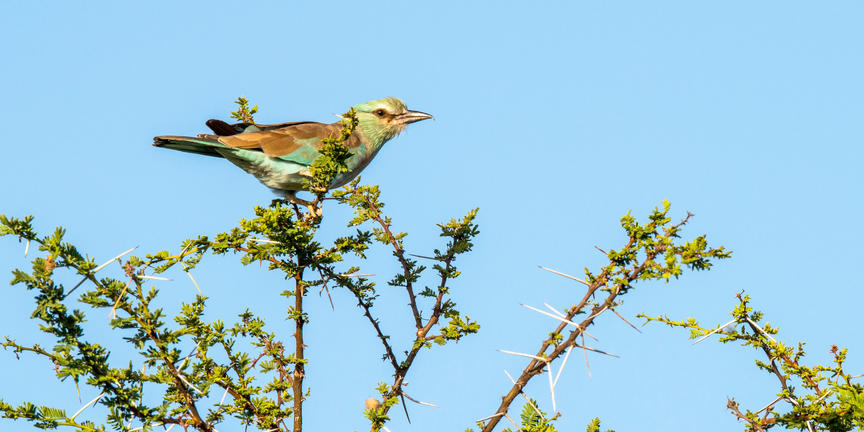
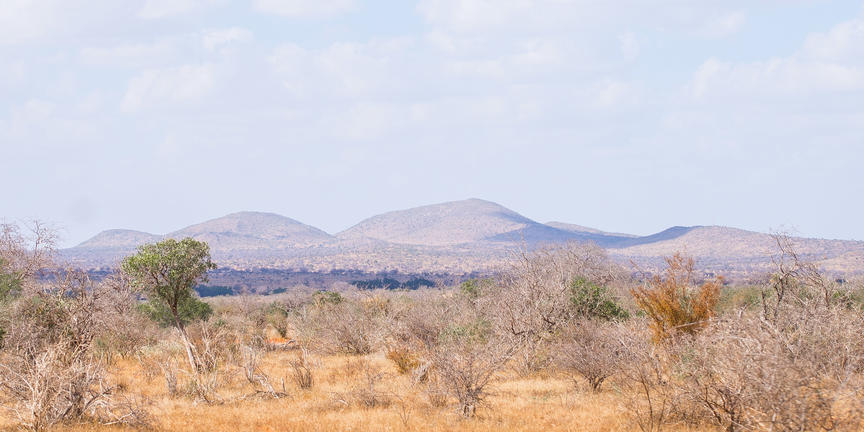
Situated east of Meru, in beautiful Kenya, Meru National Park is one of the most popular parks in Kenya. Covering over 800 square kilometres, this park is wild and beautiful featuring diverse scenery with lush swamplands, thick jungle, vast savannah, and no less than thirteen rivers. Game to view includes some of the less regularly sighted animals like oryx, lesser kudu, duiker, dik-dik and over 300 species of birds have been recorded. It is here that Else the famous lion from the book and movie ‘Born Free’ lived out the latter part of her life and is buried. Visitors can soak up the spectacular views of Mount Kenya, spot game along the Tana River and view the cascading Adamson’s Falls.
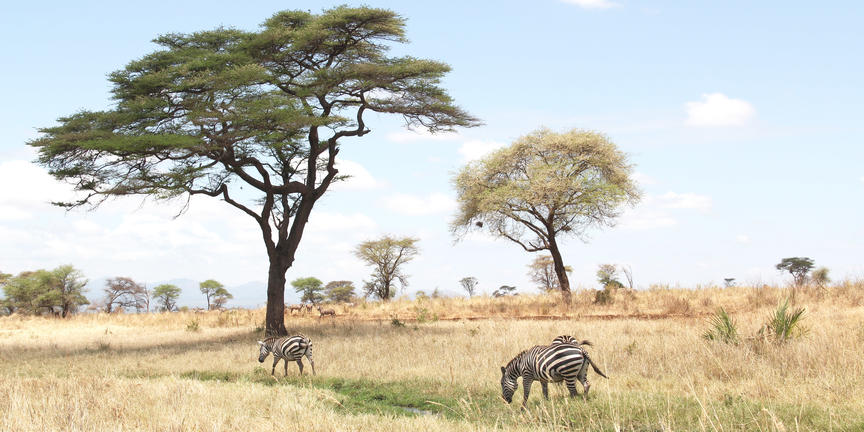
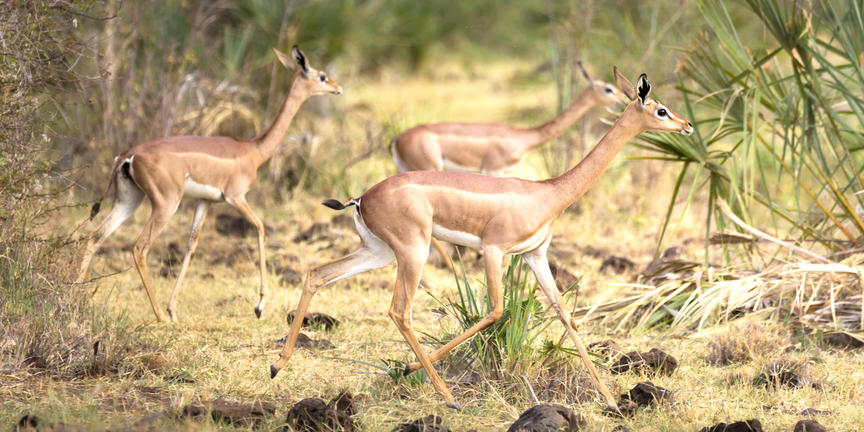
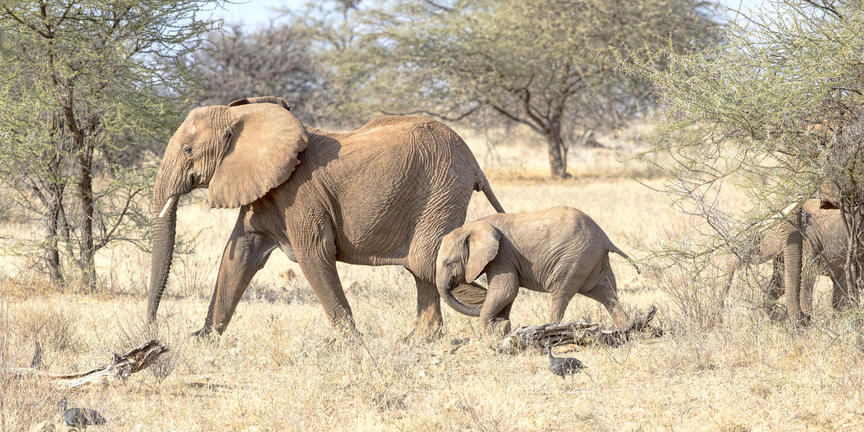
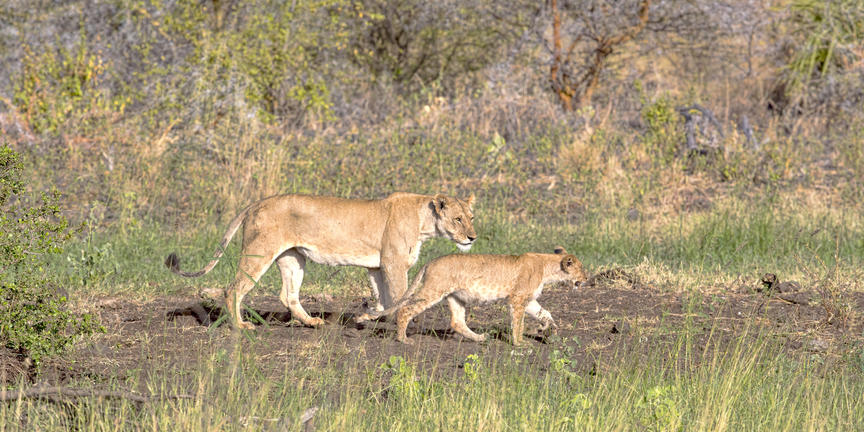
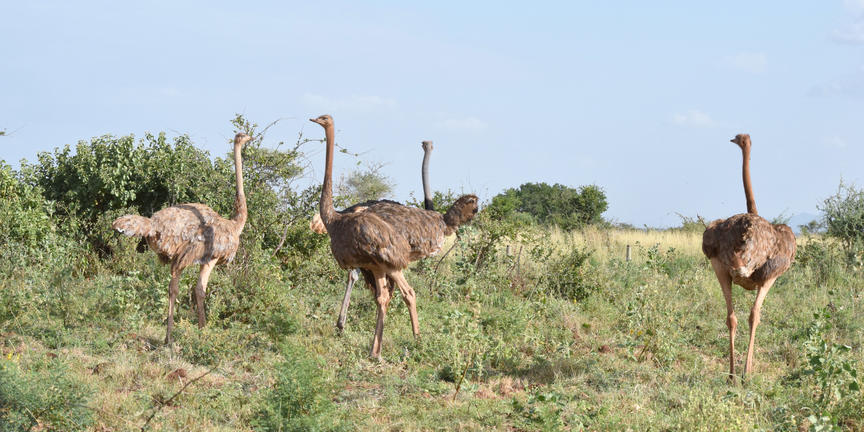
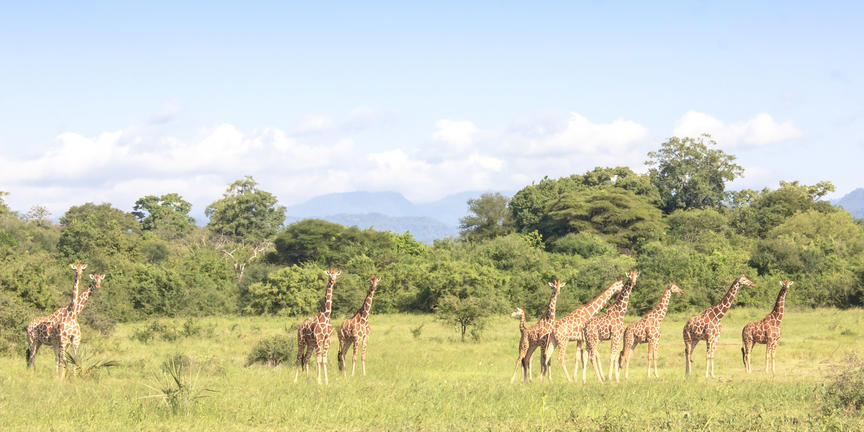
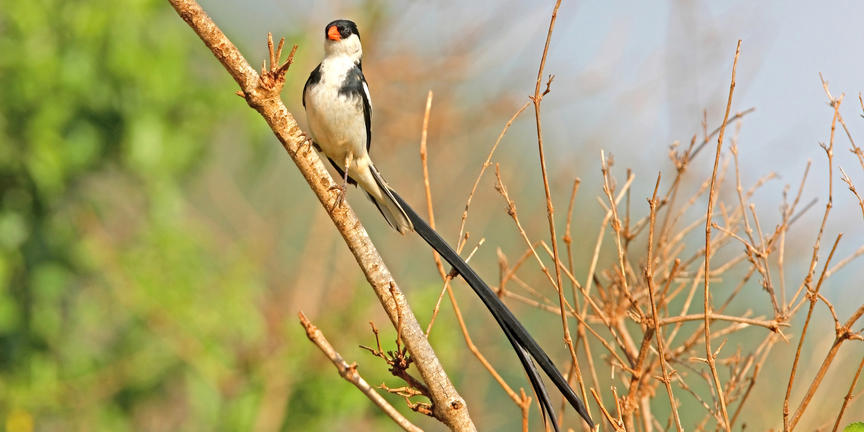
Spanning over thousands of hectares of vast open savannah grasslands in northern Kenya, Lewa Wildlife Conservancy is home to the world’s largest population of Grevy’s zebra. Renowned as a pioneer and leader in responsible tourism, Lewa Wildlife Conservancy actively advances and develops community engagement and wildlife conservation. It has been declared a UNESCO World Heritage Site and serves as an important sanctuary for a large selection of wildlife including the endangered black rhino as well as the white rhino. Lewa offers visitors the opportunity to have close encounters with these prehistoric creatures against an unspoilt backdrop, making it one of Kenya’s top game-viewing destinations. Boasting one of the highest wildlife densities in Kenya, the park is also inhabited by elephants, lions, buffalo, wild dogs, giraffes, cheetahs, and over 400 bird species.
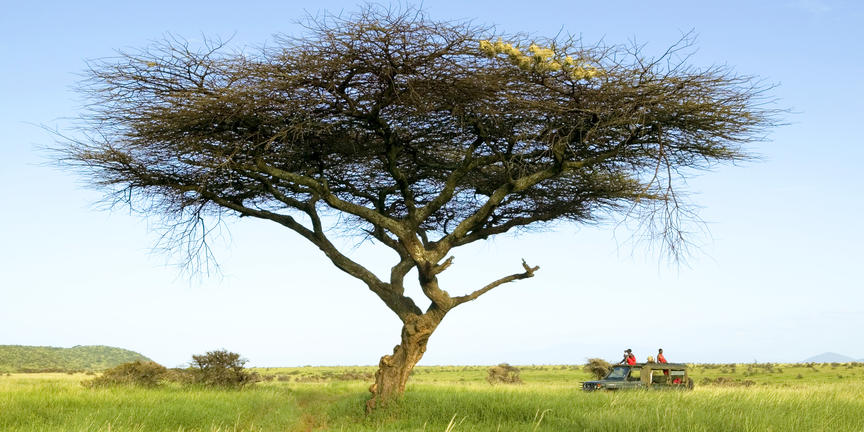
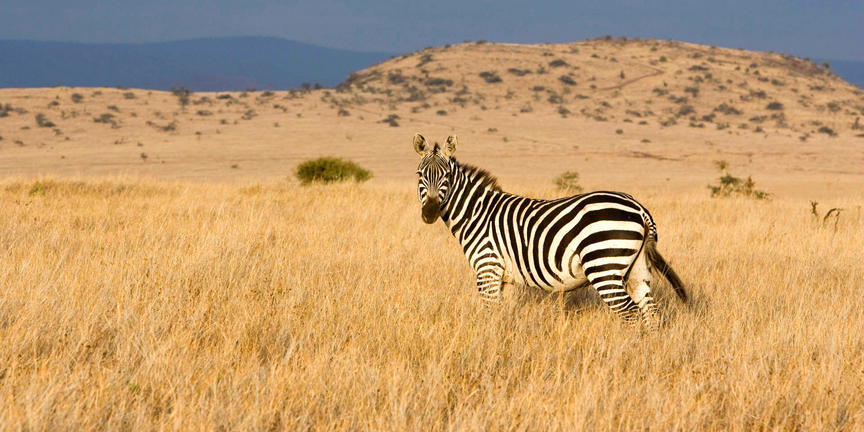
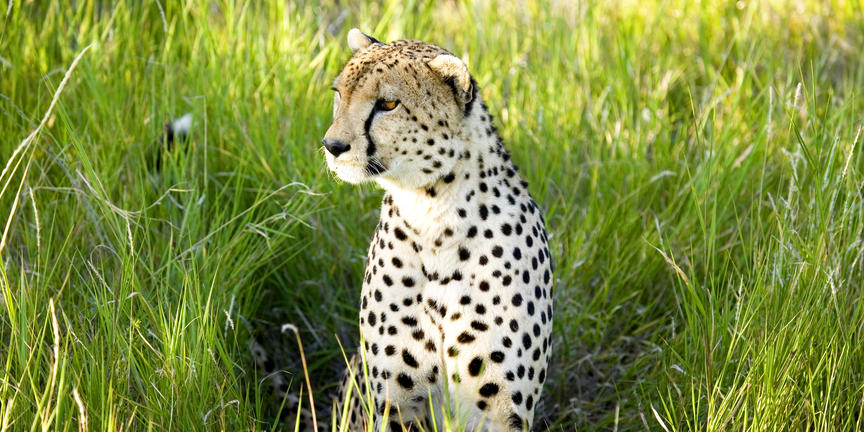
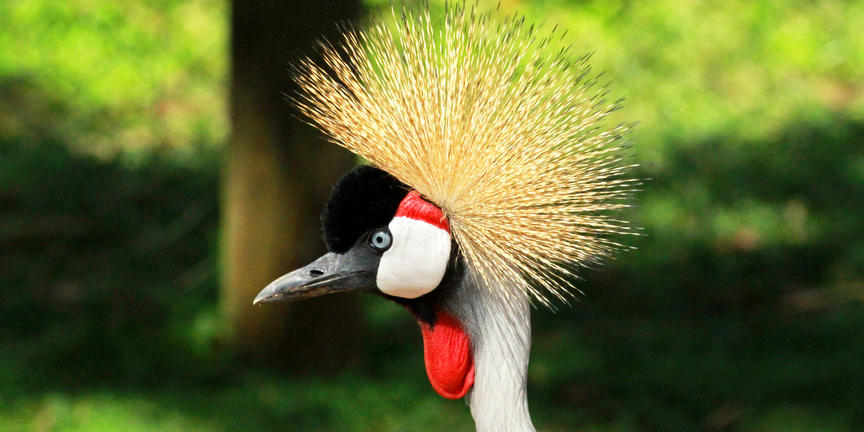
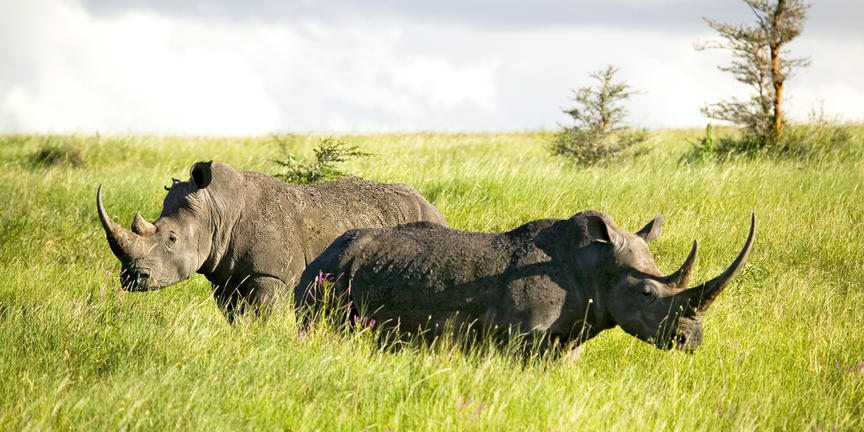
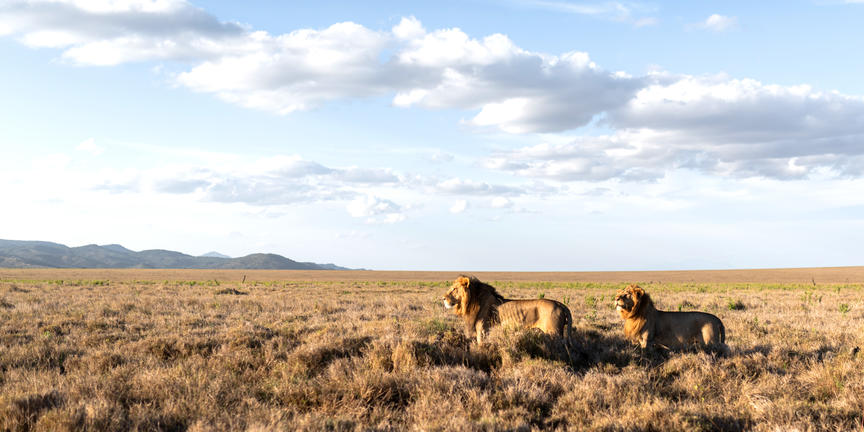
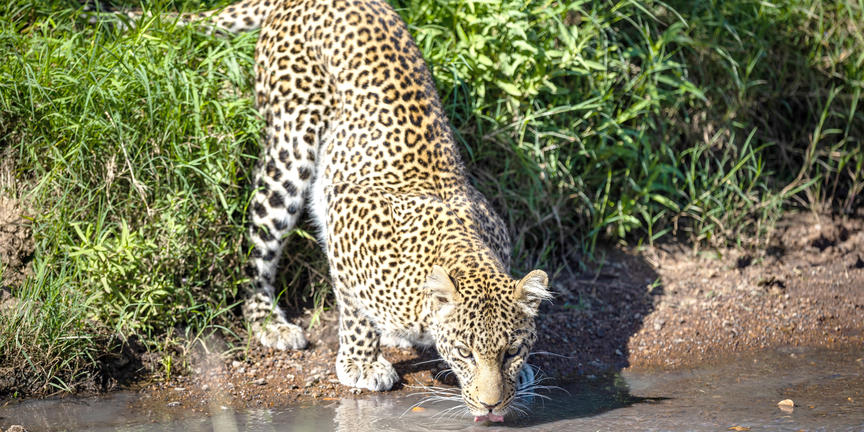
The Olare Motorogi Conservancy is an 85 square kilometre expanse of prime private wilderness in southwest Kenya; part of the Maasai Mara-Serengeti ecosystem and wildlife dispersal zone. The conservancy lies immediately to the northwest of the main Maasai Mara Reserve. Tourism is limited to a maximum of 94 beds which maximizes the client's wilderness experience and minimizes the environmental impact of tourism. Open hills provide a habitat for a diverse range of grazers, including giraffes, zebras, hartebeests, and warthogs. These herds attract large numbers of predators, including lions, cheetahs, hyenas, and jackals. In between the hills run a number of small seasonal streams, fringed by stretches of forest which are home to a broader range of species including baboons, elephants, buffaloes, hippos, and leopards.
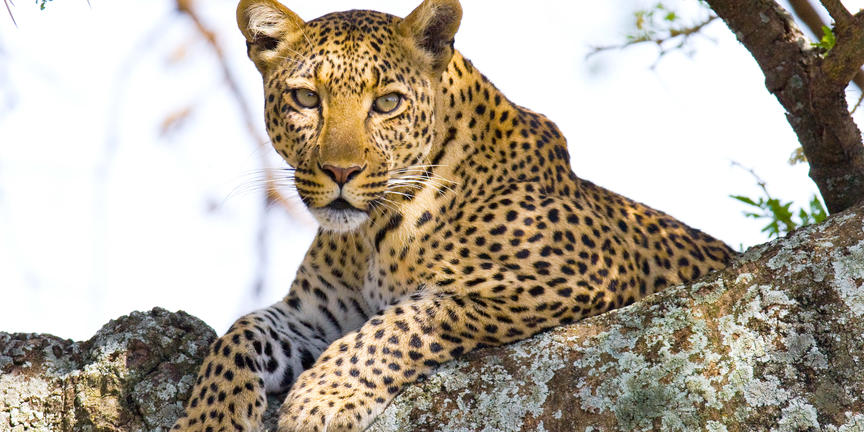
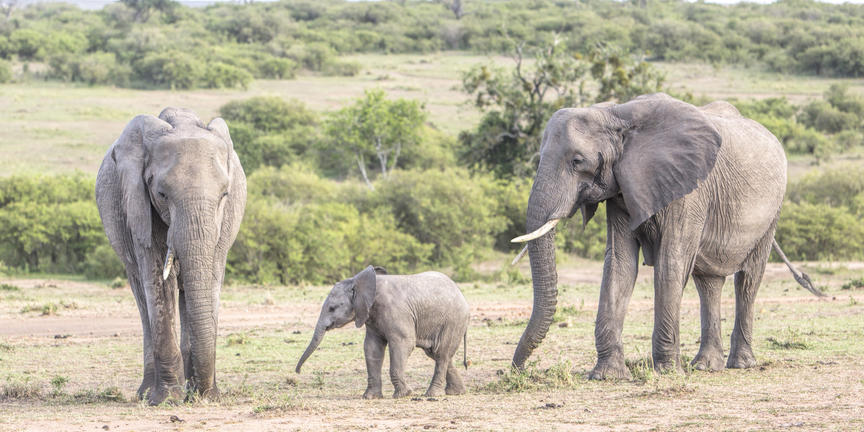
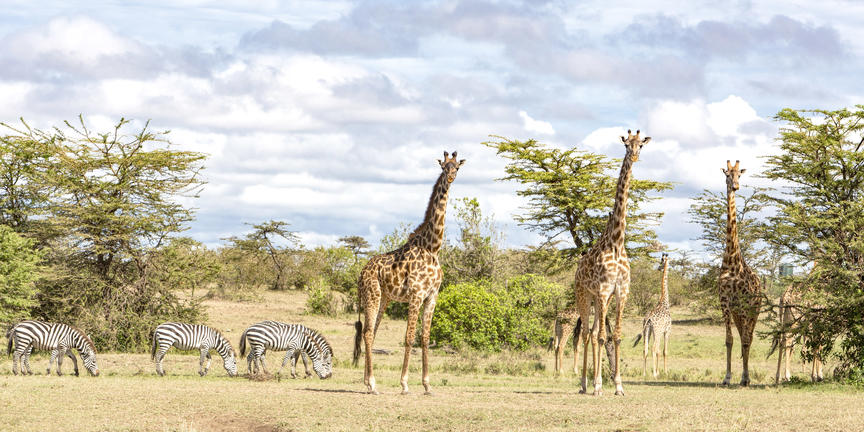
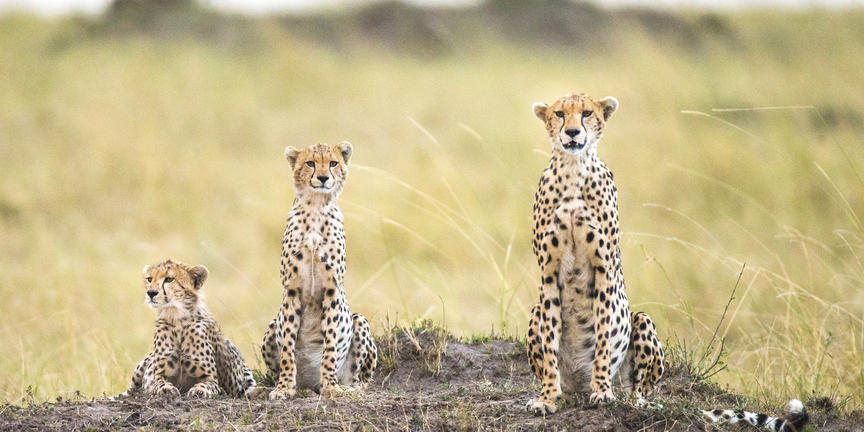
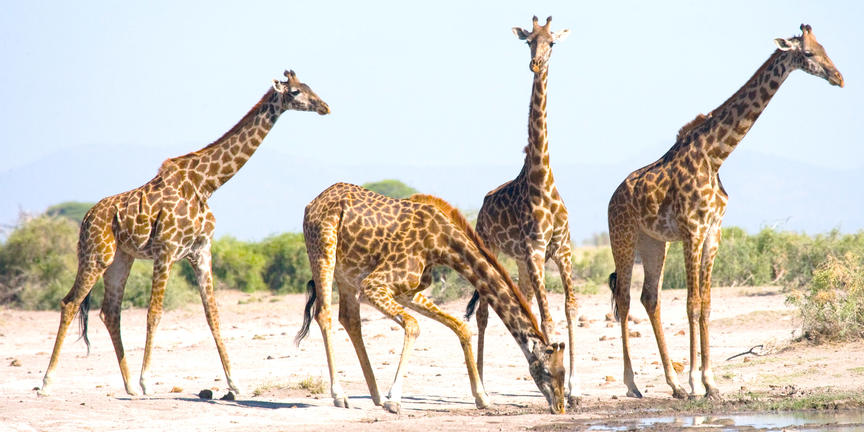
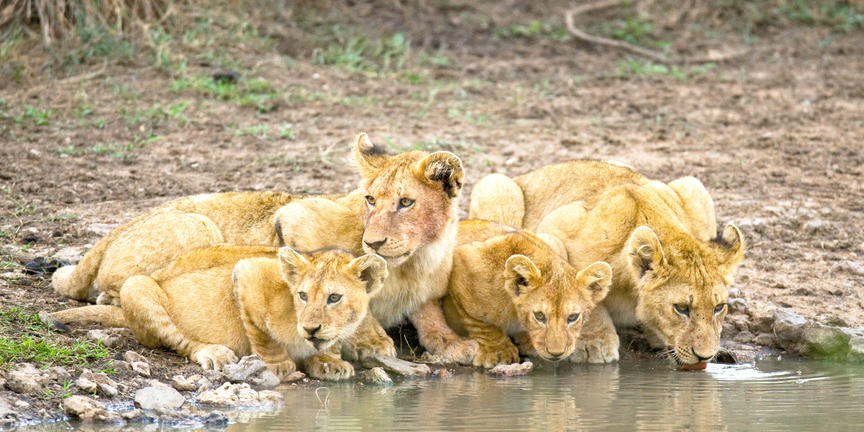
Situated between Tsavo West National Park and Amboseli National Park in southern Kenya, Chyulu Hills National Park protects an important water catchment area and a remarkably diverse landscape. This unique habitat features expansive grasslands, rolling forested hills, and rugged volcanic cones and craters, all set against the magnificent backdrop of Mount Kilimanjaro. The park is renowned for its scenic beauty, unspoilt wilderness, and excellent opportunities for outdoor adventure. Visitors can enjoy camping, mountain climbing, horse riding, nature walks, and exceptional birdwatching. Wildlife commonly seen in the area includes elephants, bushbuck, eland, leopards, bush pigs, reedbuck, buffalo, and giraffes. The park also supports a variety of smaller mammals and bird species. A highlight of any visit is the opportunity to explore the Chyulu lava tube system, which includes one of the longest lava tubes in the world.