


The Lower Zambezi is one of those places we never tire of returning to. Set opposite Zimbabwe’s famous Mana Pools Reserve, the national park follows a broad and beautiful stretch of the Zambezi River, backed by the escarpment and cut through with channels, floodplains and wonderful winterthorn woodland.
The wildlife is excellent, but what really makes the Lower Zambezi special is the sheer volume of it and the way it seems to be woven into the landscape. Elephants are everywhere, often in large herds, moving between the woodland and the river, feeding beneath the trees, gathering at the water or crossing channels in front of you. Buffalo can be seen in impressive numbers, hippo are constantly present along the river, and lion and leopard are both regularly encountered. Wild dogs also move through the area and the birdlife is superb.
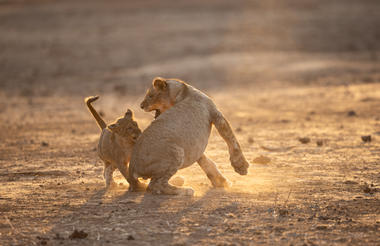
There is something about the light here too. Early and late in the day it filters through the winterthorn trees, catching dust, leaves and animals as they move through the woodland, while behind it all the Zambezi escarpment rises in the distance. It gives the park a very distinctive feel and, for us, is a big part of why the Lower Zambezi is so photogenic.
The variety of ways to experience the area adds another dimension. Game drives can take you deep into the woodland and floodplains, while boating gives you a completely different view of the park from the river. You can stop on a sandbank for lunch, spend time watching elephants at the water’s edge, enjoy excellent tiger fishing, or simply drift back towards camp at the end of the day with the escarpment behind you.
For us, the Lower Zambezi is about the combination of wildlife, water, light and landscape. There is always something happening, often on quite a grand scale, but it never feels hurried. It is one of Zambia’s great wildlife areas and a place that always seems to deliver something memorable.


The Busanga Plains, located in the north of the Kafue National Park, is a remarkable grassland that seems to curve with the horizon.
The atmosphere, rawness, and drama of Busanga are unmatched, and no Kafue safari is complete without taking in the panoramic views of the plains. It is a mix of grass plains formed from a seasonal wetland habitat with a unique ecosystem that cannot be found anywhere else in Zambia. The swampy area is home to many niches and nuances, and it is fascinating to explore the edges where Sitatunga, a rare antelope species, can be seen amongst the towering reeds.
Seasonal floodwaters fed by numerous streams flow through and under these swamps, transforming most of the Busanga Plains' 750 square kilometers into a wetland similar to the Okavango Delta. This flooding supports a vast population of water-adapted Red Lechwe, hippos, and a plethora of fish that attract fish eagles, storks, and pelicans. The sky fills with swirling towers of black open-billed storks, here to harvest the freshwater snails that are a key species to the Busanga ecosystem.
The plains are also home to Acacia thorn trees, palms, and mighty fig trees, providing a potential shady spot for the iconic Busanga Lions. Cheetahs are sometimes seen preying on the numerous Oribi population, while the treeline of the plains and some of the larger islands are perfect habitats for leopards. Other predators and smaller omnivores include Serval, Civet, several Moongose species, and African Wild Cat.
The Busanga Plains are also home to a variety of large mammals such as Blue Wildebeest, magnificent Sable, Puku, Kudu, Reed Buck, Bush Buck, sharps grysbok, Duiker, Zebra, and approachable Roan Antelope.
The staggering number and variety of birdlife alone makes Busanga an incredibly interesting place to visit, even for those who aren't bird enthusiasts.


Kafue National Park, the oldest and largest in Zambia, covers an expansive 22,400 square kilometers. This description focuses on the Northern Kafue, excluding the remarkable Busanga Plains, which we have detailed separately. The park is enriched by the Lufupa, Lunga, and Kafue rivers, creating a vast network of waterways that support an abundant array of wildlife. Renowned for its diverse array of animal and birdlife, the park may boast the highest species variety of any African National Park. It is home to 20 different antelope species, including the Sable, Roan, Red Lechwe, Reedbuck, and Defassa Waterbuck. The park's predator population is significant, with lions widespread across the area. Leopard density studies by Musekese Conservation have revealed numbers exceeding expectations, and cheetah sightings are common, often in open woodlands and clearings.
Endangered wild dogs are also present throughout the park, with their population on the rise. The park's diverse wildlife also includes Elephants, Hippos, Buffalos, Zebras, Hyenas, and more. With relatively few visitors, Kafue National Park offers an authentic, undisturbed safari experience, perfect for those seeking an adventurous engagement with nature. Its landscapes are rich in wildlife and serenity, making it a remarkable destination.
Northern Kafue features diverse landscapes including savanna and miombo woodlands, characterized by small-leafed trees and a dense understory. This environment provides a sanctuary for browsers such as kudus and predators like leopards. Clearings, locally known as Dambo's, attract wildlife to the lush grazing available in these wet, open pans.
The woodland habitat is also dominated by miombo woodland, offering cover and food for a variety of animals. Along the Kafue River and its tributaries, the riverine habitat flourishes with flora and fauna, including species like baboons, vervet monkeys, various birds, African fish eagles, and kingfishers. These riverbanks are also prime locations for sighting Leopards and Lions, drawn to the water and the cool river breeze.
In conclusion, Kafue National Park presents a rich tapestry of habitats, each supporting unique ecosystems and hosting a wide array of wildlife. This diversity renders it an exceptional destination for those eager to explore and appreciate the natural beauty of Zambia.


