Located in southwestern Africa, Namibia boasts a well-developed infrastructure, some of the best tourist facilities in Africa, and an impressive list of breathtaking natural wonders. Visitors can explore the capital of Windhoek and discover the lovely coastal town of Swakopmund, which boasts remnants of the country’s German influence, reflected in its architecture, culture, cuisine, and the annual Oktoberfest celebrations. To properly appreciate this extraordinary country, you will have to venture out of the cities to explore the remarkable natural landscapes Namibia has to offer. These include: the impressive Fish River Canyon; the vast Etosha National Park teeming with abundant wildlife, such as lions, desert-adapted elephants and the Hartmann's Mountain Zebra; the hauntingly beautiful Kalahari Desert; and, ofcourse, the Namib Desert stretching for over 2000 km along the magnificent Atlantic Coast. Namibia is an ideal destination for travellers seeking an unforgettable African experience in a uniquely beautiful, untamed wilderness.
The Zambezi Region, also known as the Caprivi Strip, is the name given to the little finger of Namibia that extends eastwards between Angola and Botswana all the way across to Zimbabwe and creates the only spot on the planet where four countries meet. The region lies in the middle of one of Africa’s largest and most well-known game-viewing areas. The abundance of water supplied by the Zambezi, Okavango, Kwando and Chobe Rivers sustains a large variety of animal and bird species. There are four Namibian reserves and no fences preventing the animals from moving between the countries. Visitors can enjoy abundant game-viewing opportunities and soak up the natural splendour of this scenic region.


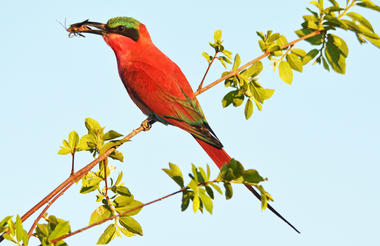
Flowing from the highlands of Angola and tracing the border with Namibia, the Okavango River is southern Africa’s fourth-longest river system and a lifeline of remarkable biodiversity. Before entering Botswana to form the famed Okavango Delta, it passes the scenic Popa Falls rapids, where visitors can take in the sound of rushing water against lush riverbanks. The surrounding landscapes are rich with wildlife, supporting over 70 fish species and more than 400 bird species, making the region a favourite for anglers and birders alike. Travellers can enjoy tranquil boat cruises, explore riverside reserves, or visit Rundu, the relaxed capital of Kavango East, where daily life unfolds along the water’s edge.


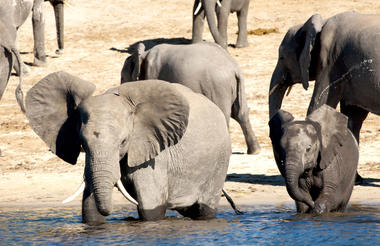
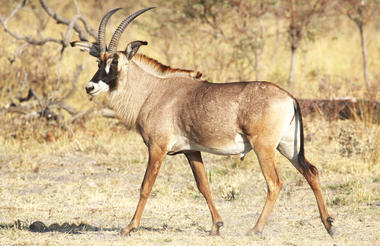
The Kavango region lies in northeastern Namibia and includes the western part of the Caprivi Strip to the northeast. The region is largely separated from Angola by the magnificent Kavango River, which dominates the area and is essential to the local Kavango people’s survival. This magnificent river and the surrounding thickly wooded savannah provides a striking contrast with the other more arid areas of Namibia. Bordering the Kavango River is the Mahango Game Reserve. Visitors can look forward to exploring this impressive reserve, featuring riverine forests, broad floodplains, and majestic baobab trees. This pristine natural environment forms an ideal habited for an astonising array of wildlife including large herds of elephant, a number of rare game species, and over four hundred species of bird.


Situated on the northern edges of Namibia, East Caprivi or Itenge is situated in the corner of the Namibian panhandle known as the Caprivi Strip. This off-the-beaten-track destination is made up of vast floodplains, sparkling lakes and lush swamplands dotted with diverse wildlife and an array of bird species. Caprivi East is mostly river country, bounded by the Kwando, Zambezi, Linyanti, and Chobe rivers. The best time to spot a variety of game is the dry winter months of June to October when visitors can spot elephants, buffalo, hippo, zebra, kudu and impala, as well as crocodile, baboon and warthog. Caprivi East is an excellent destination for bird lovers to spot plovers, egrets, herons, and cranes.