Dar es Salaam, Tanzania’s largest city, principal port, and former capital, is a vibrant coastal metropolis that serves as the country’s economic, transport, and cultural hub. Situated along the Indian Ocean and positioned on key maritime trade routes, the city blends modern development with a rich history reflected in its diverse architecture and bustling markets. Visitors can explore cultural attractions such as the National Museum and House of Culture, stroll through the city's Botanical Gardens, or experience the lively atmosphere of Oyster Bay. Dar es Salaam also serves as a gateway to some of Tanzania’s most popular destinations, including Pemba Island and Zanzibar’s Unguja Island, as well as nearby national parks and beautiful stretches of coastline.
Following its recent expansion, Ruaha is currently East Africa’s biggest national park and the second-largest on the African continent. It is also Tanzania’s most sizeable elephant haven and home to a profusion of bird species, including kingfishers, plovers, egrets, hornbills and sunbirds. Crocodiles and hippos thrive in the Great Ruaha River, which flows along the sanctuary’s eastern border and in the dry season between July and November, animals flock to the last remaining water sources, presenting an exceptional wildlife spectacle. There are a number of accommodation options available but some close for the wet season in March and April.
Please view a brief video from our recent trip to see what Ruaha is all about - https://www.youtube.com/watch?v=hShYHxCNZME


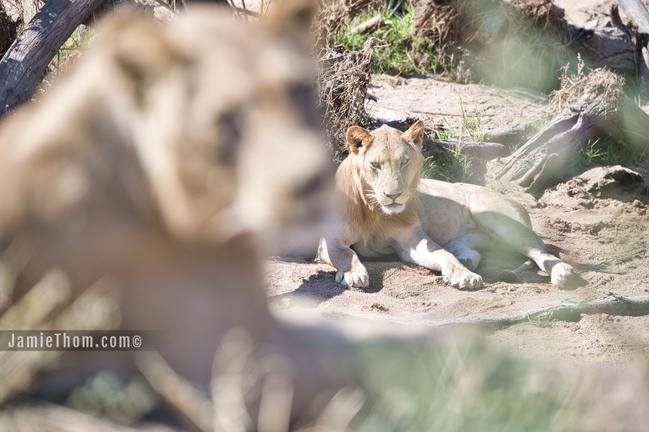
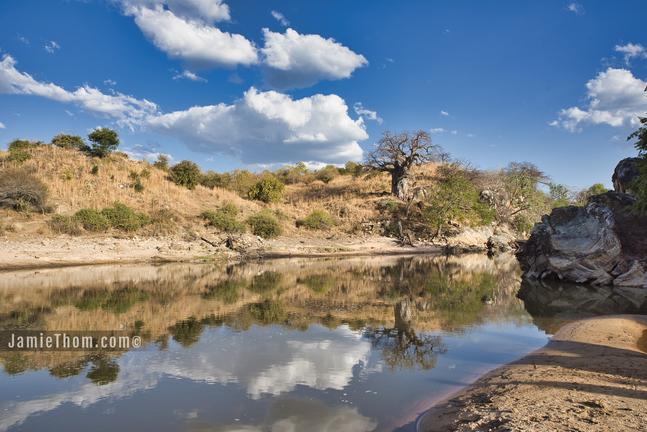

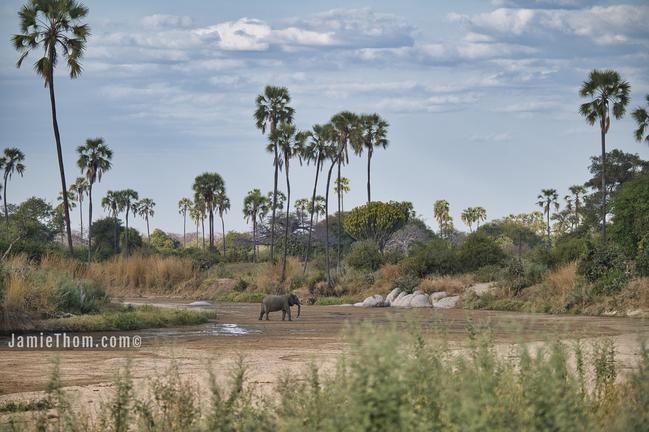
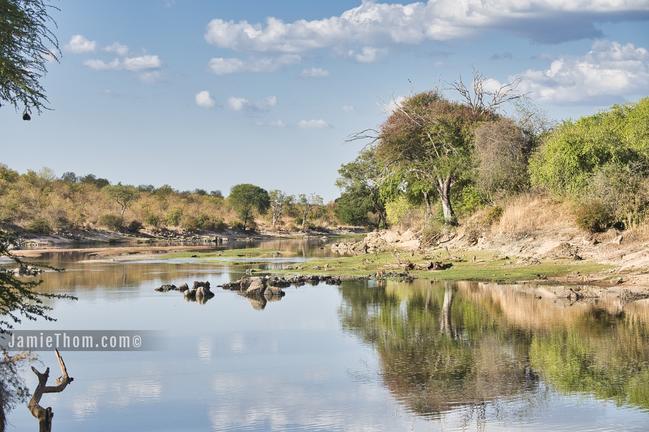

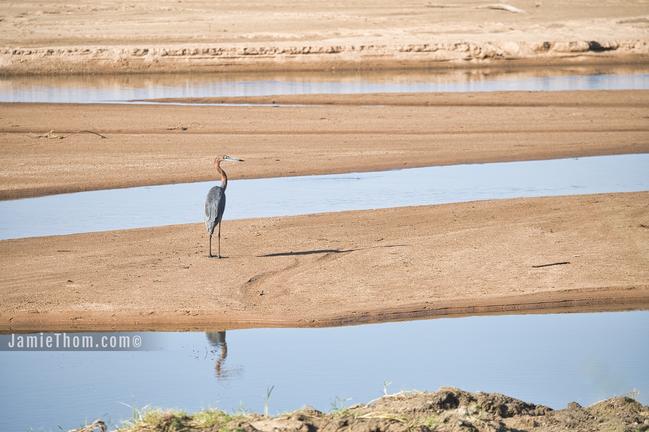
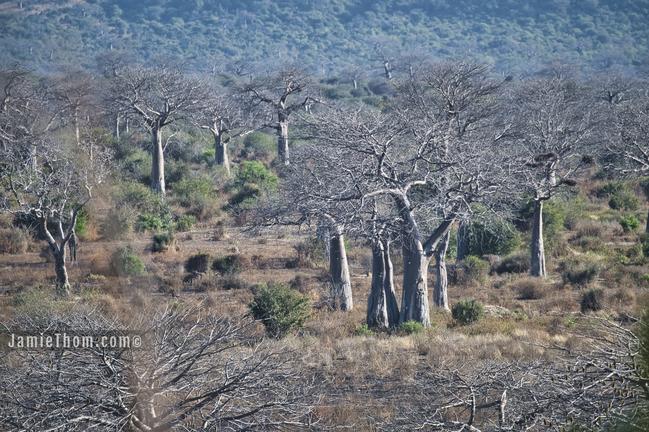

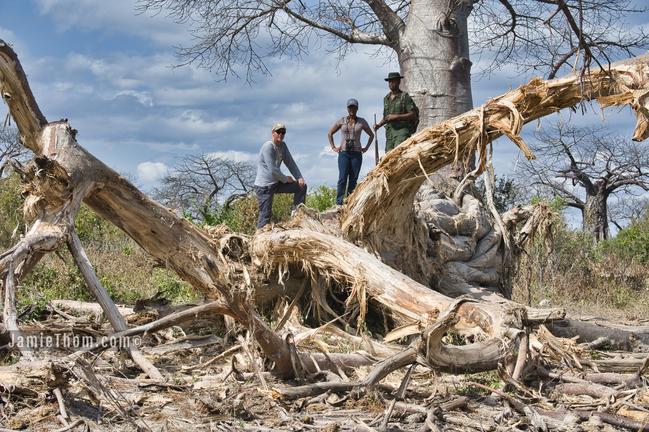
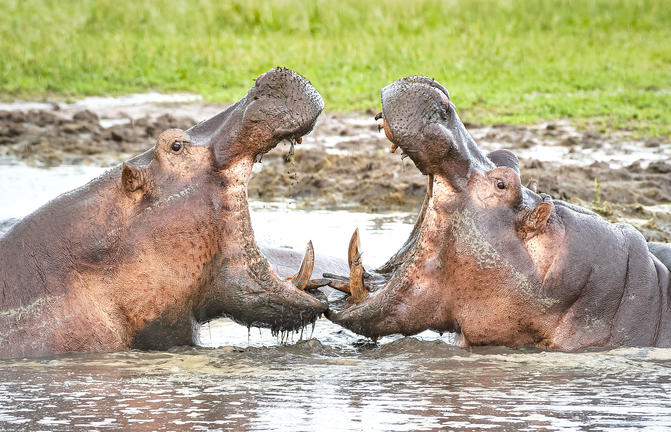


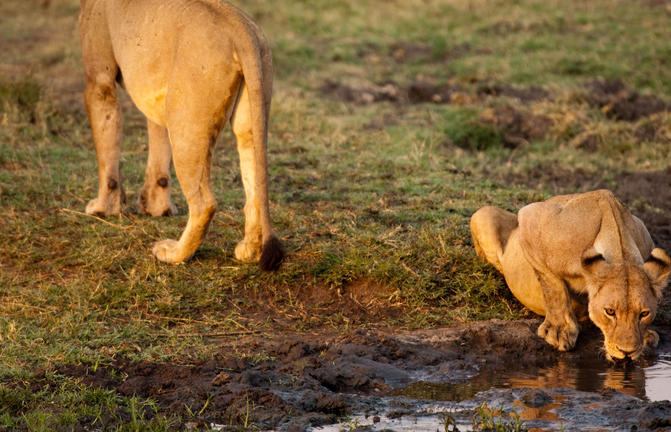

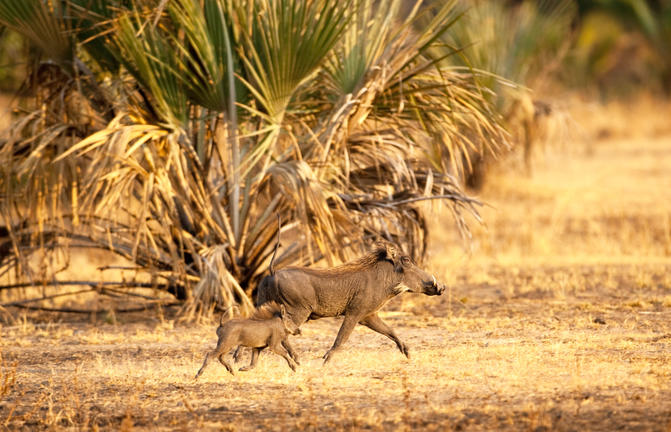
Located in western Tanzania, the remote Katavi National Park is a captivating stop along the western tourist route. Encompassing Lake Katavi, the Katuma River, and picturesque Lake Chala, Katavi National Park encompasses roughly 4500 square kilometres of unspoiled Tanzanian woods, savannah and wetlands. This park is the third-largest in the country and is home to the world’s largest herds of buffalo. Katavi boasts a wide array of bird and animal life, including leopards, elephants, zebras, lion,s and the densest hippo and crocodile populations in the country.
The mountainous terrain of the Mahale National Park is home to some of Africa’s last surviving wild chimps, and trekking in search of these endearing primates is one of the main attractions of the reserve. Other highlights include on-foot game safaris that take in the park’s diverse wildlife, hiking up the 2,460-metre Mount Nkungwe – the highest of the Mahale mountain range’s six peaks – and fishing and snorkelling in Lake Tanganyika on the park’s western border.