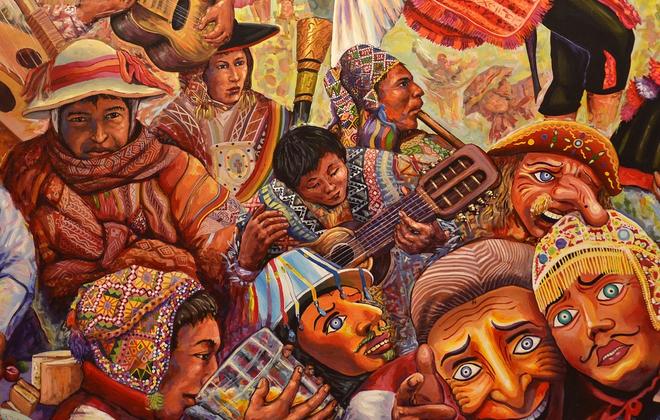
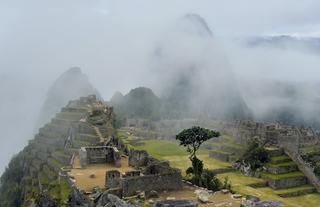
Peru is most famous for the sacred archaeological site of Machu Picchu – visited each year by scores of intrepid hikers who brave the Inca Trail’s arduous slopes to explore the age-old ruins. The country’s attractions extend far beyond the mystical allure of this legendary location and include palm-fringed beaches, quaint Andean villages and archaeological treasures that predate Machu Picchu by hundreds of years – all imbued with the nation’s rich melange of indigenous and colonial cultures. Equally enticing are the exotic reaches of Peru’s Amazon rainforest; Lima’s superb eateries, exquisite architecture and effervescent nightlife; the glittering, mountain-ringed waters of Lake Titicaca; and the vibrant city of Cusco, referred to by the Incas as ‘the centre of the world’.
Peru’s capital is a fantastic city to tour, dotted with a multitude of cultural sites and beautifully preserved architecture. Founded by the conquistador Francisco Pizarro in 1535, Lima was first named ‘City of Kings’ – a biblical reference to the ‘Three Wise Men of the East’ – before its name was changed by the Spanish colonialists. The most significant historical buildings are located around the Plaza Mayor, the most notable being the Government Palace, where one can still observe the changing of the guard performed by the Húsares de Junín. The beautiful Cathedral and the various small palaces and colonial balconies also play also their part in the beauty of the city. Another highlight is the famed Larco Herrera Museum, documenting the millennial cultures that preceded the Inca civilization and containing a priceless collection of pre-Columbian artifacts, including some of South America's finest pre-Inca erotic pottery.


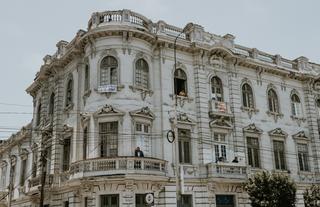
Paracas is a coastal town in Peru's Ica region, where the Pacific Ocean meets a stark coastal desert. It is a nature and adventure destination centred on the Paracas National Reserve, a vast protected area of desert landscapes, dramatic cliffs, beaches and rich marine ecosystems. Travellers can take boat trips around the Ballestas Islands to see sea lions, Humboldt penguins and abundant seabirds, while the reserve offers spectacular viewpoints, the red-sand shores of Playa Roja, and opportunities for hiking, cycling, wildlife watching, kitesurfing and windsurfing. The mysterious Candelabra geoglyph adds a cultural dimension and is visible from the sea en route to the islands. Paracas' striking combination of desert scenery, marine wildlife, watersports and rugged coastline gives it a distinctive character on Peru's southern coast.


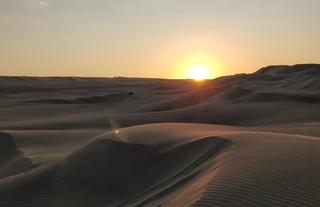
The hamlet of Huacachina is located in southwestern Peru, about five kilometers from the city of Ica. Set on a small lagoon surrounded by desert dunes, it seems almost otherworldly - a tiny spot of paradise amidst a rolling sea of sand. Lore has it that the oasis was created when a beautiful princess was discovered by a young hunter while having her bath there. She fled in alarm, leaving behind a pool of bathwater. Travellers can visit the lakeshore statue that commemorates the legend, enjoy a tranquil row boat ride on the lagoon, sample the local eateries, or go sandboarding or dune buggying. The town of Paracas lies roughly an hour’s drive away on Peru’s west coast and is the launching point for trips to the Ballestas Islands, where you can see rare Humboldt penguins and the mysterious ‘Candelabra’ carving - a vast, ancient geoglyph etched into a cliff face.


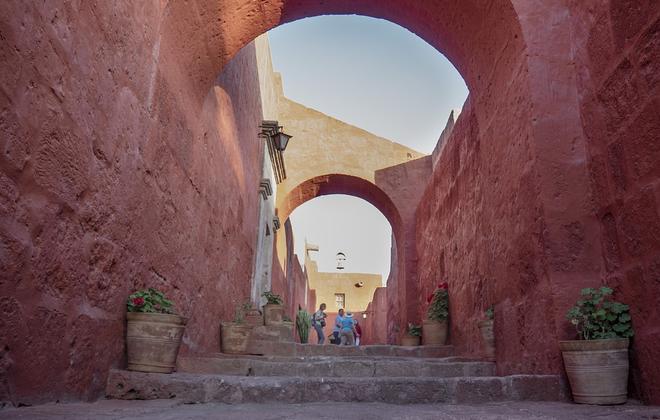
The gorgeous city of Arequipa is a perfect blend of ancient architectural treasures and modern buildings, blessed with an average of 300 days of sunny weather a year. It is also known as ‘The White City’ – a nickname that stems from its numerous white buildings, which form a striking contrast with the green surroundings. It is Peru’s most elegant city and the best place to visit if you’re a foodie on the hunt for fine dining opportunities, with an array of fabulous restaurants offering spicy local specialities such as rocoto relleno, chupe de Camarones and ocopa. This city has an illustrious history and its distinctive traditions make it a truly unique Peruvian destination.


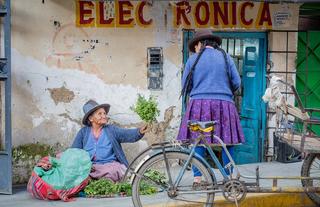
Set on the shores of glistening Lake Titicaca, on the Altiplano of Peru, this large city is dubbed the ‘folklore capital' of the country, well known for its traditional music and dance. It is also famous for its incredible collection of floating islands - man-made islands created from reeds, which exhibit the unique survivalist culture that has been alive here since pre-Incan times. Other highlights include visits to the atmospheric, historical Church of San Pedro, the gorgeous Sistine Chapel of the Americas, and a stroll along the boardwalk on the shoreline of Lake Titicaca. Active types should take on the challenge to climb up the 700 steps to the Kuntur Wasi viewpoint, which is presided over by a massive metal condor sculpture, for the reward of breathtaking vistas across the city and Lake Titicaca beyond.



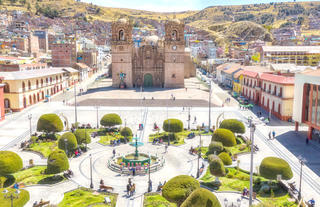
Once called the ‘Navel of the World’ by the Incas, Cusco rises in the southern Andes of Peru, where colonial grandeur meets the enduring stonework of the Inca Empire. A UNESCO World Heritage Site, it serves as the main gateway to Machu Picchu, the Sacred Valley, and surrounding ruins. At its centre, the Plaza de Armas—once Huacaypata—remains alive with cafés, arcades, and the 16th-century Cusco Cathedral, built from Sacsayhuamán’s stones. Nearby, the San Blas district unfolds with whitewashed adobe houses, blue balconies, and workshops where artisans craft metalwork, woodcarvings, and sacred art. Across the city, layers of history reveal themselves in landmarks such as the Korikancha, the Inca street of Hatun Rumiyoc with its twelve-angled stone, the Museum of Colonial Art, and the ancient shrines and water temples scattered through the surrounding hills.