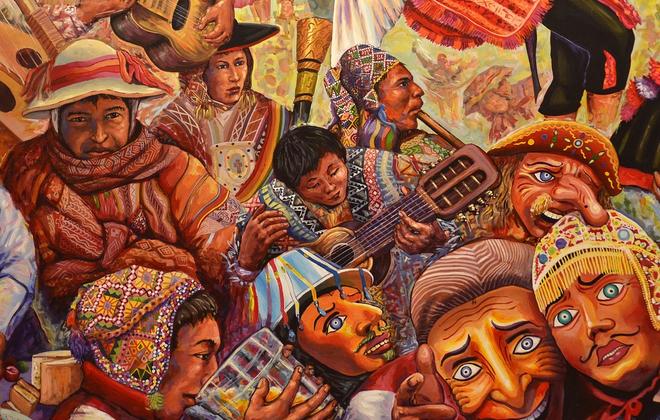
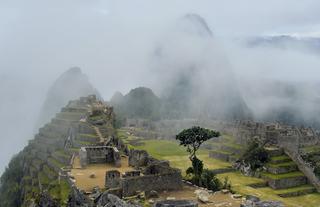
Peru is most famous for the sacred archaeological site of Machu Picchu – visited each year by scores of intrepid hikers who brave the Inca Trail’s arduous slopes to explore the age-old ruins. The country’s attractions extend far beyond the mystical allure of this legendary location and include palm-fringed beaches, quaint Andean villages and archaeological treasures that predate Machu Picchu by hundreds of years – all imbued with the nation’s rich melange of indigenous and colonial cultures. Equally enticing are the exotic reaches of Peru’s Amazon rainforest; Lima’s superb eateries, exquisite architecture and effervescent nightlife; the glittering, mountain-ringed waters of Lake Titicaca; and the vibrant city of Cusco, referred to by the Incas as ‘the centre of the world’.
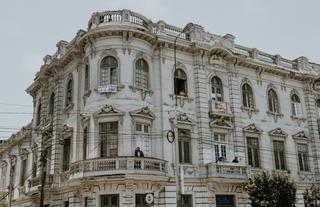
Peru’s capital is a fantastic city to tour, dotted with a multitude of cultural sites and beautifully preserved architecture. Founded by the conquistador Francisco Pizarro in 1535, Lima was first named ‘City of Kings’ – a biblical reference to the ‘Three Wise Men of the East’ – before its name was changed by the Spanish colonialists. The most significant historical buildings are located around the Plaza Mayor, the most notable being the Government Palace, where one can still observe the changing of the guard performed by the Húsares de Junín. The beautiful Cathedral and the various small palaces and colonial balconies also play also their part in the beauty of the city. Another highlight is the famed Larco Herrera Museum, documenting the millennial cultures that preceded the Inca civilization and containing a priceless collection of pre-Columbian artifacts, including some of South America's finest pre-Inca erotic pottery.


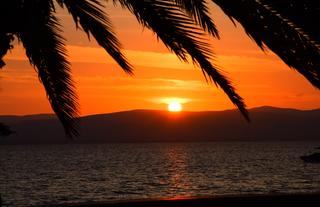
Paracas is a coastal town in Peru's Ica region, where the Pacific Ocean meets a stark coastal desert. It is a nature and adventure destination centred on the Paracas National Reserve, a vast protected area of desert landscapes, dramatic cliffs, beaches and rich marine ecosystems. Travellers can take boat trips around the Ballestas Islands to see sea lions, Humboldt penguins and abundant seabirds, while the reserve offers spectacular viewpoints, the red-sand shores of Playa Roja, and opportunities for hiking, cycling, wildlife watching, kitesurfing and windsurfing. The mysterious Candelabra geoglyph adds a cultural dimension and is visible from the sea en route to the islands. Paracas' striking combination of desert scenery, marine wildlife, watersports and rugged coastline gives it a distinctive character on Peru's southern coast.


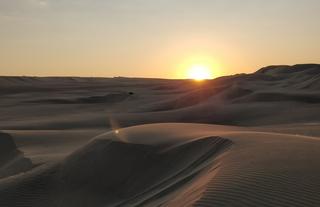
The hamlet of Huacachina is located in southwestern Peru, about five kilometers from the city of Ica. Set on a small lagoon surrounded by desert dunes, it seems almost otherworldly - a tiny spot of paradise amidst a rolling sea of sand. Lore has it that the oasis was created when a beautiful princess was discovered by a young hunter while having her bath there. She fled in alarm, leaving behind a pool of bathwater. Travellers can visit the lakeshore statue that commemorates the legend, enjoy a tranquil row boat ride on the lagoon, sample the local eateries, or go sandboarding or dune buggying. The town of Paracas lies roughly an hour’s drive away on Peru’s west coast and is the launching point for trips to the Ballestas Islands, where you can see rare Humboldt penguins and the mysterious ‘Candelabra’ carving - a vast, ancient geoglyph etched into a cliff face.


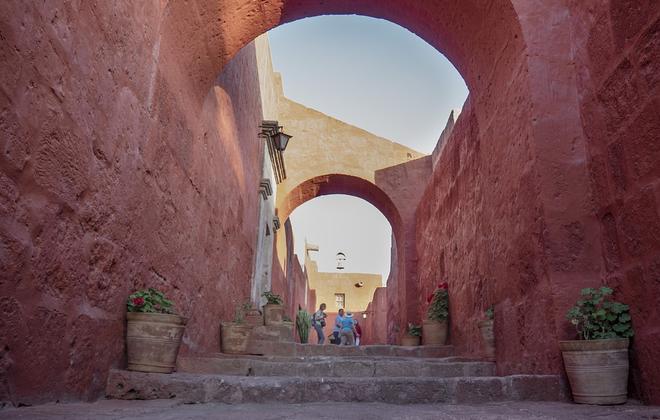
Arequipa ligt in het zuiden van Peru, in de Andes onder de imposante Misti vulkaan. Het staat bekend als de „Witte Stad” en is een culturele bestemming die bekend staat om zijn koloniale architectuur, kenmerkende keuken en dramatische vulkanische landschappen. Het historische centrum, dat op de werelderfgoedlijst van UNESCO staat, bevat elegante gebouwen gemaakt van witte vulkanische steen, sfeervolle pleinen en het opmerkelijke Santa Catalina-klooster, een kleurrijk complex van smalle straatjes en vredige kloosters. Bezoekers kunnen genieten van panoramische uitzichten vanaf het uitkijkpunt Yanahuara, traditionele wijken verkennen en regionale specialiteiten zoals rocoto relleno proeven bij lokale picanterías. Arequipa dient ook als toegangspoort tot de spectaculaire Colca-kloof, waar reizigers door het Andeslandschap kunnen wandelen en kunnen uitkijken naar Andescondors die boven de vallei zweven. De mix van geschiedenis, gastronomie en buitenavontuur maakt het tot een onvergetelijke Peruaanse bestemming.


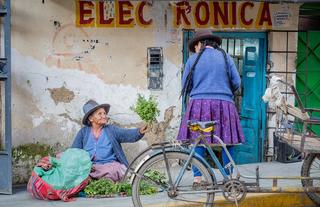
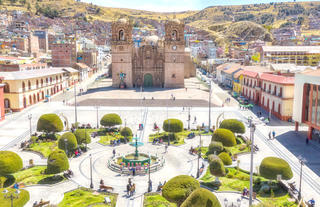
Deze grote stad, gelegen aan de oevers van het glinsterende Titicacameer, aan de Altiplano van Peru, wordt genoemd de 'folklorekapitaal' van het land, bekend om zijn traditionele muziek en dans. Het staat ook bekend om zijn ongelooflijke collectie drijvende eilanden - door de mens gemaakte eilanden gemaakt van riet, die de unieke survivalistische cultuur vertonen die hier al sinds de pre-Incaanse tijd leeft. Andere hoogtepunten zijn een bezoek aan de sfeervolle, historische kerk van San Pedro, de prachtige Sixtijnse Kapel van Amerika en een wandeling langs de promenade aan de kust van het Titicacameer. Actieve types moeten de uitdaging aangaan om de 700 treden op te klimmen naar het uitkijkpunt Kuntur Wasi, dat wordt geleid door een massief metalen condorsculptuur, voor de beloning van adembenemende vergezichten over de stad en het Titicacameer erachter.
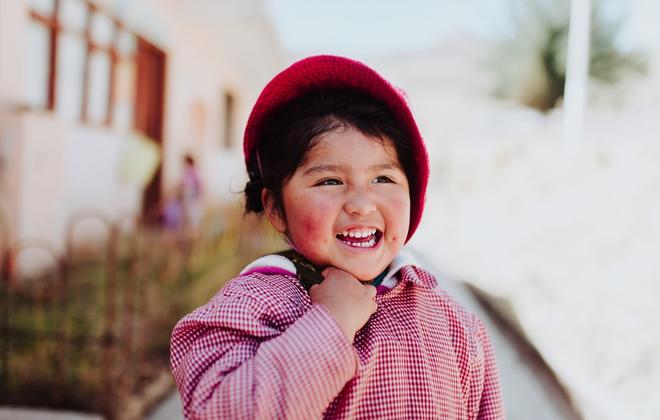


Once called the ‘Navel of the World’ by the Incas, Cusco rises in the southern Andes of Peru, where colonial grandeur meets the enduring stonework of the Inca Empire. A UNESCO World Heritage Site, it serves as the main gateway to Machu Picchu, the Sacred Valley, and surrounding ruins. At its centre, the Plaza de Armas—once Huacaypata—remains alive with cafés, arcades, and the 16th-century Cusco Cathedral, built from Sacsayhuamán’s stones. Nearby, the San Blas district unfolds with whitewashed adobe houses, blue balconies, and workshops where artisans craft metalwork, woodcarvings, and sacred art. Across the city, layers of history reveal themselves in landmarks such as the Korikancha, the Inca street of Hatun Rumiyoc with its twelve-angled stone, the Museum of Colonial Art, and the ancient shrines and water temples scattered through the surrounding hills.