


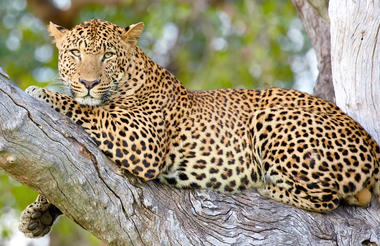
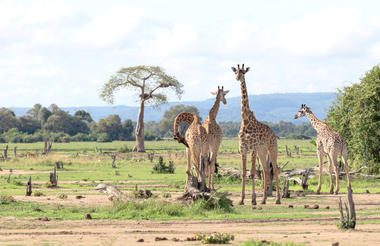
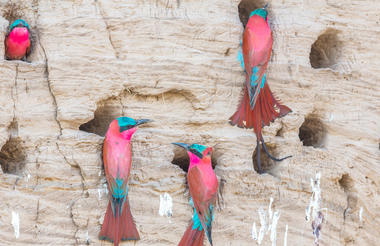
Bordering the Luangwa River in eastern Zambia, South Luangwa National Park is one of Africa’s most celebrated wildlife destinations, renowned for its unspoilt wilderness, exceptional biodiversity, and successful conservation efforts. The park supports thriving populations of elephant, lion, leopard, buffalo, hippo, giraffe, and numerous antelope species, along with more than 400 bird species. Widely regarded as the birthplace of the walking safari, South Luangwa offers visitors the rare opportunity to explore the bush on foot under the guidance of experienced armed guides, providing an intimate perspective of the surrounding wildlife and ecosystems. Traditional game drives, seasonal boating, and outstanding opportunities for photography and birdwatching further enhance the experience. Combined with the scenic Luangwa River, the park delivers one of Africa’s most authentic and unforgettable safari adventures.
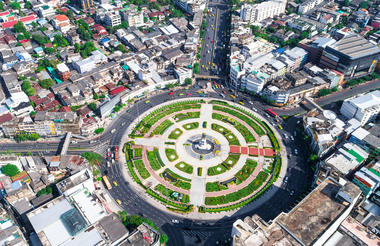
Situated on Zambia’s central plateau, Lusaka is the country’s cosmopolitan capital, known for its vibrant atmosphere, modern development, and dynamic urban character. As Zambia’s economic, political, and transport hub, Lusaka combines modern development with a rich cultural heritage. Wide, tree-lined boulevards are lined with hotels, guest houses, restaurants, cafés, shopping centres, and entertainment venues, reflecting the city’s dynamic character. Visitors can explore attractions such as the Henry Tayali Art Gallery, which showcases contemporary Zambian art, and the National Museum, which highlights the country’s history and culture. Other popular sites include the Lilayi Elephant Nursery, dedicated to the rescue and rehabilitation of orphaned elephants, and several bustling local markets. Nature enthusiasts should not miss Munda Wanga Environmental Park, home to a wildlife sanctuary, botanical gardens, recreational facilities, and an environmental education centre, offering a peaceful escape from the city's energetic pace.
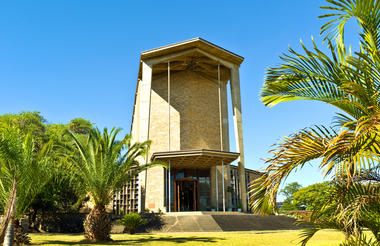
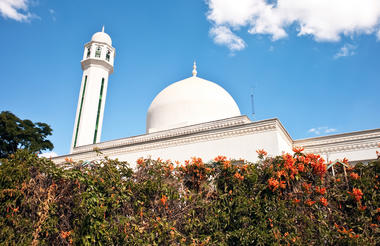
Zambia’s flourishing border town, Livingstone, or Maramba, is situated in the South Province of the country. The British colonial city is a tourism centre for the nearby Victoria Falls, Mosi-oa-Tunya National Park, and the Zambezi River. Continuously growing, this romantic destination is rich in culture and history, with a host of adrenaline-infused experiences to choose from including bungee jumping, abseiling, gorge swinging, white water rafting, kayaking, canoeing, and jet boating. For visitors seeking a more relaxed experience, there are countless other activities on offer too. Visit the fascinating Livingstone Museum, take a helicopter flight over the roaring fall, or experience a superb game drive in the UNESCO-listed Mosi-oa-Tunya National Park, home to African elephants, hippopotamus, and an impressive variety of bird species.
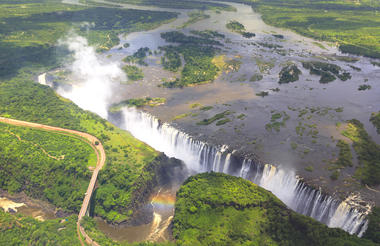

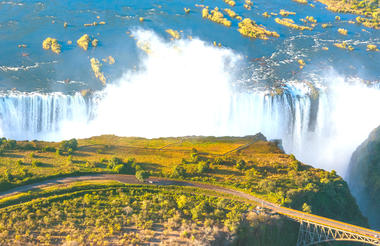
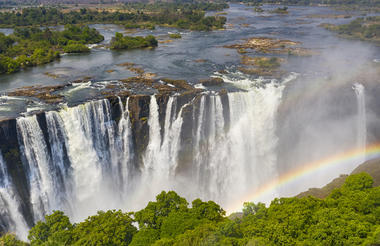
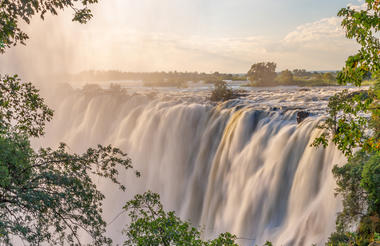
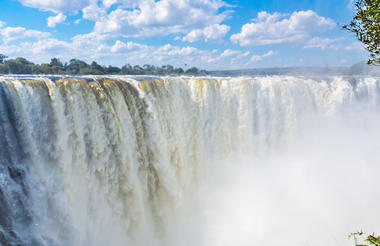
Known locally as Mosi-oa-Tunya—“The Smoke That Thunders”—Victoria Falls is one of the world’s great natural landmarks. Straddling the Zambezi River between Zambia and Zimbabwe, it forms a vast curtain of water that fills the air with mist and sound. The Zimbabwean side grants the most dramatic views, where mist rises like ghostly curtains and rainbows arc through the spray. Measuring about 1,708 metres across, it is regarded as the largest single continuous sheet of falling water on Earth. The adjacent town of Victoria Falls provides a convenient base for exploring the region, with a wide range of activities from scenic flights and microlight trips to white-water rafting, bungee jumping, kayaking, and safaris into Chobe National Park.
Windhoek, Namibia’s capital, lies in the heart of the country amid the rolling Khomas Highlands, where wide skies and dry savannah frame a compact, orderly city. It blends German colonial heritage with contemporary African identity, creating a calm, understated atmosphere rather than a bustling metropolis. Landmarks such as Christuskirche and the Tintenpalast sit alongside modern civic buildings, while lively markets and cafés reveal everyday Namibian life. Visitors can explore museums, stroll shaded streets, or use the city as a gateway to the surrounding wilderness and safari regions. The air is often dry and clear, carrying the scent of dust and jacaranda blossoms, while distant hills glow at sunset. Windhoek offers a gentle introduction to Namibia’s landscapes and culture, with space, light and quiet defining its appeal.


