
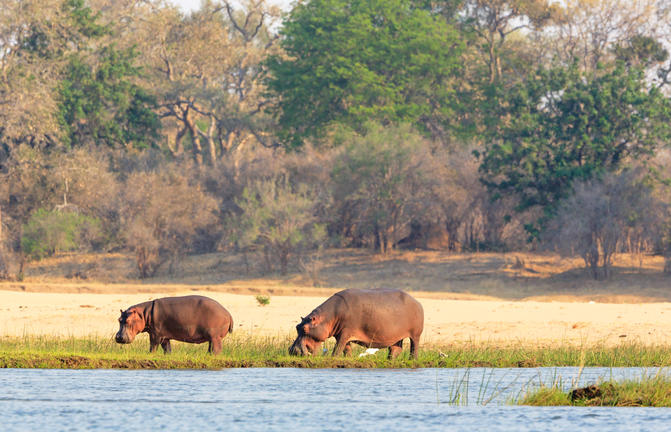
Lower Zambezi National Park is one of Zambia’s premier safari destinations, located in the southeastern part of the country along the northern banks of the mighty Zambezi River, directly opposite Zimbabwe’s Mana Pools National Park. Together, these two protected areas form a vast transboundary wilderness teeming with wildlife.
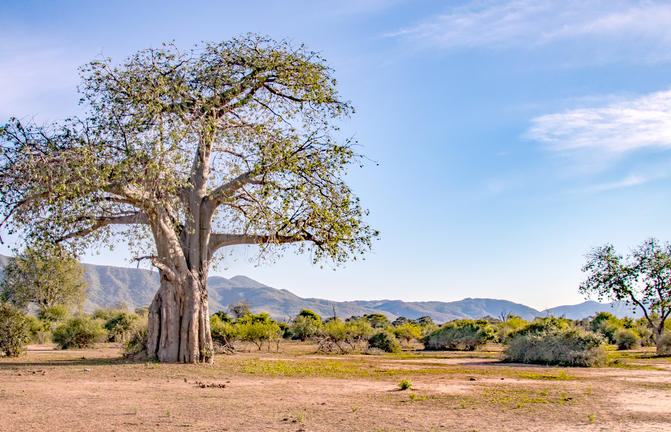
The park covers over 4,000 square kilometres of pristine terrain, stretching from the dramatic Zambezi escarpment down to lush floodplains and river channels. This combination of rugged hills, thick woodland, and open grassland near the river creates diverse habitats that support an impressive range of wildlife.
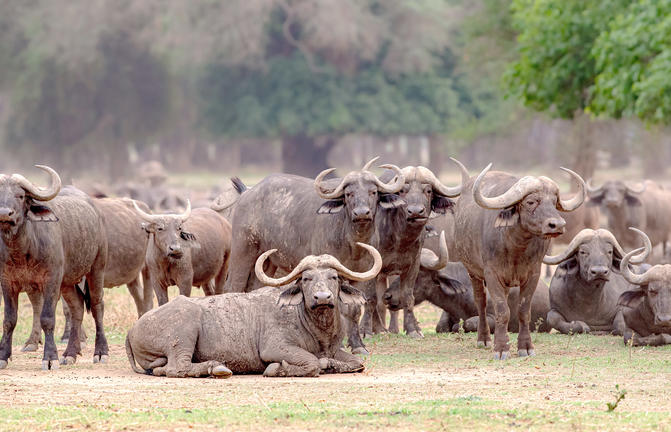
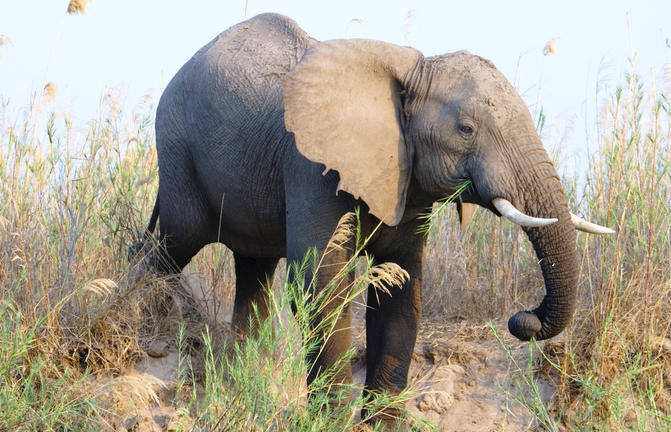
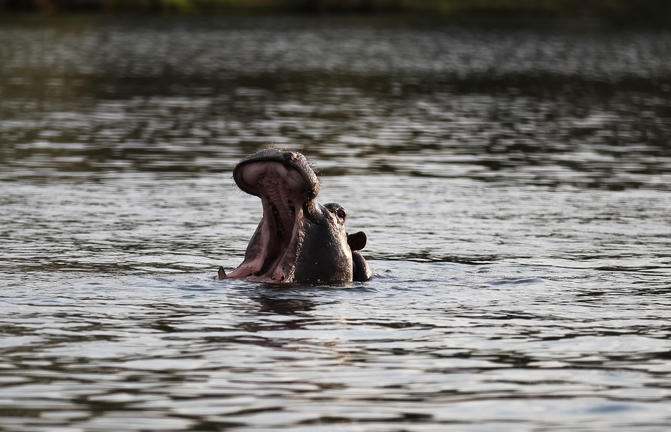
Large herds of elephant and buffalo are common, often seen congregating along the riverbanks. Lion, leopard, and African wild dog are key predators in the area, while hippos and crocodiles are ever-present in the Zambezi’s waters. Plains game like impala, kudu, waterbuck, and zebra thrive here, and birdlife is exceptional, with hundreds of species recorded, especially near the river and in the surrounding woodlands.
The camps and lodges in the Lower Zambezi are typically small, intimate, and beautifully integrated into the landscape. Most are seasonal and constructed with a light footprint, from rustic fly-camps to more luxurious tented lodges. Their remote locations offer an authentic safari experience, with comfort and exceptional guiding at the heart of every stay.
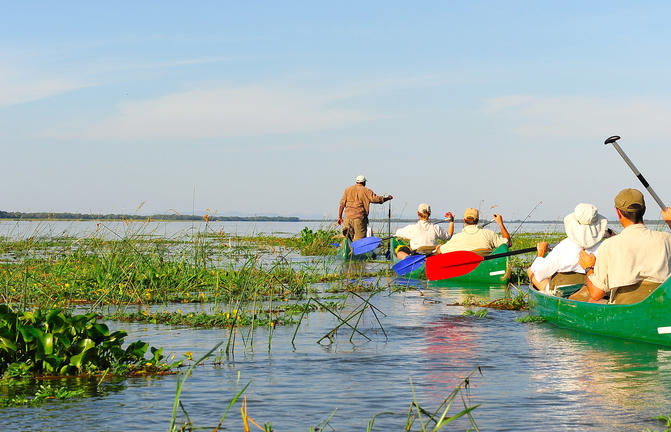
Activities in the park are varied and take full advantage of the diverse terrain. Guests can enjoy: Day and night game drives, Walking safaris led by expert guides, Canoe safaris along quiet channels, Boat cruises on the Zambezi for birding and sunset views, Catch-and-release fishing, particularly for tigerfish
This mix of land and water-based exploration makes the Lower Zambezi a dynamic and adventurous safari destination—ideal for travellers seeking both excitement and tranquillity in one of Africa’s most scenic wildernesses.
Visiting the Lower Zambezi and staying in one of our chosen camps makes a direct contribution to Conservation Lower Zambezi (CLZ) - a non-profit organisation committed to the protection of wildlife and to the sustainable use of natural resources in the Lower Zambezi in Zambia.
Since its humble beginnings with basic support to the wildlife authority, CLZ has grown and increased its activities and efforts in the Lower Zambezi. Not only has CLZ’s support to DNPW increased substantially over the years, the organisation now also runs an Environmental Education Programme (2004), a Village Scout Unit (2013) and a Community Development Programme (2013), as well as this CLZ hosts the annual Safari Guides Training courses and exams for the Lower Zambezi (2001).
https://youtu.be/oAflLYT1KME?si=73tk0z3I1QXfa-_Z
South Luangwa National Park is one of Africa’s finest wildlife destinations, located in eastern Zambia along the winding Luangwa River, which forms the lifeblood of the park. Covering over 9,000 square kilometres, the park is renowned for its rich biodiversity, varied habitats, and excellent game-viewing opportunities.
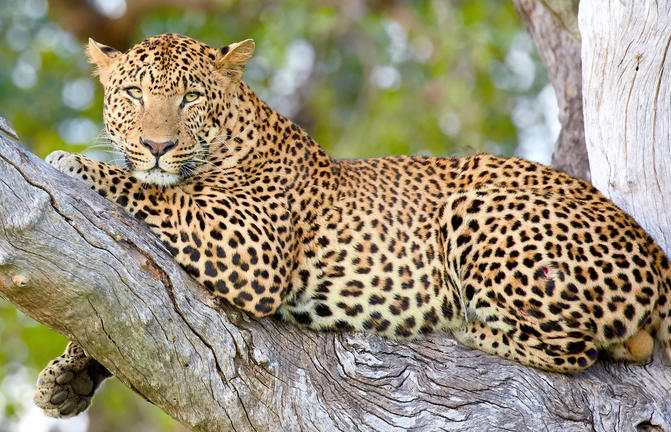
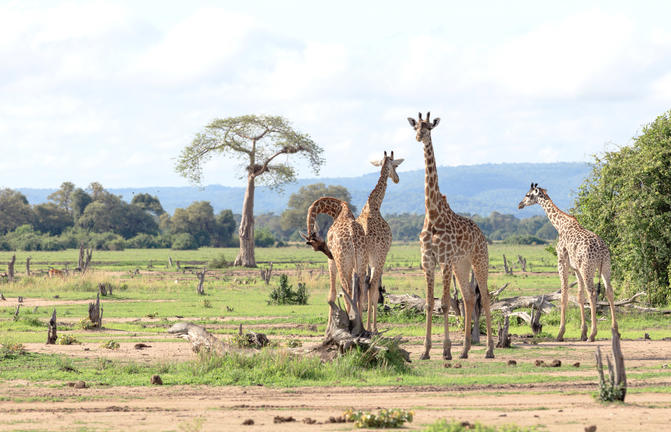
The park is best known for its large populations of elephant, buffalo, hippo, and giraffe (specifically the endemic Thornicroft’s giraffe), along with abundant zebra, impala, and puku. It is also one of the best places in Africa to see leopards, which are commonly spotted on night drives. Lions are regularly seen, often in large prides, and wild dogs are present, though less predictable. Birdlife is outstanding, especially in the green season, with over 400 species recorded.
Activities in South Luangwa are diverse, with the park famously known as the birthplace of the walking safari. Today, it remains one of the best places for guided walking safaris, alongside day and night game drives, birding and photographic safaris
The lodges and camps in South Luangwa range from rustic bushcamps deep in the park—often accessible only on foot—to luxury lodges along the river with excellent facilities. Many are small and owner-run, offering personalised service and top-quality guiding. These camps are typically built to blend into their natural surroundings, providing an immersive and authentic safari experience.
With its combination of rich wildlife, iconic landscapes, and exceptional guiding, South Luangwa offers one of Africa’s most rewarding and authentic safari adventures.





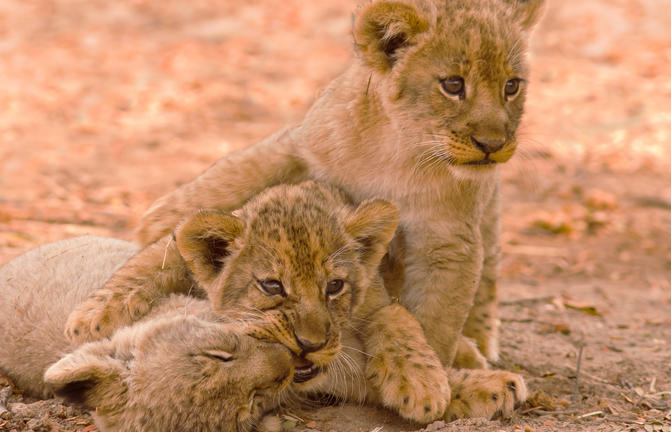
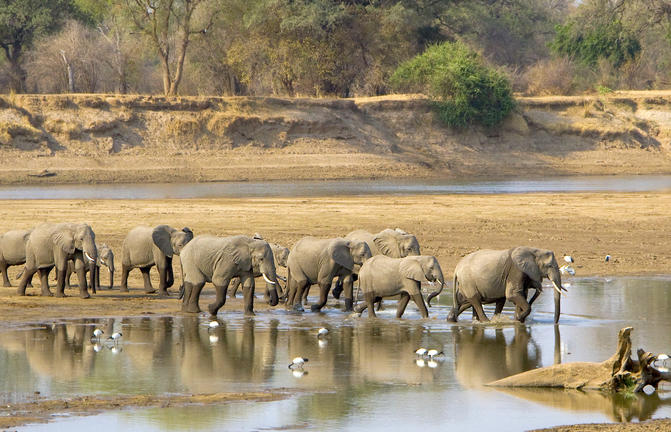
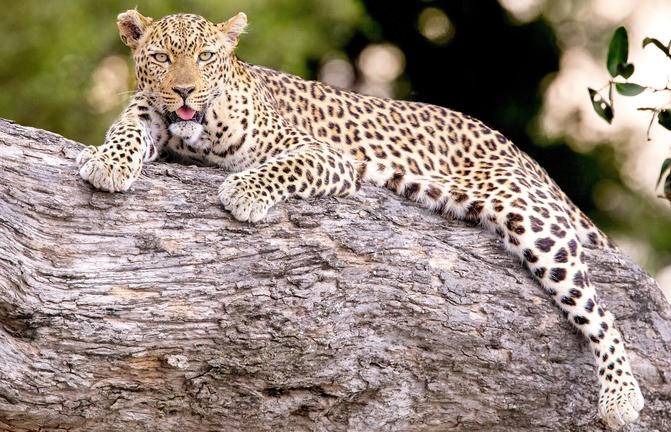
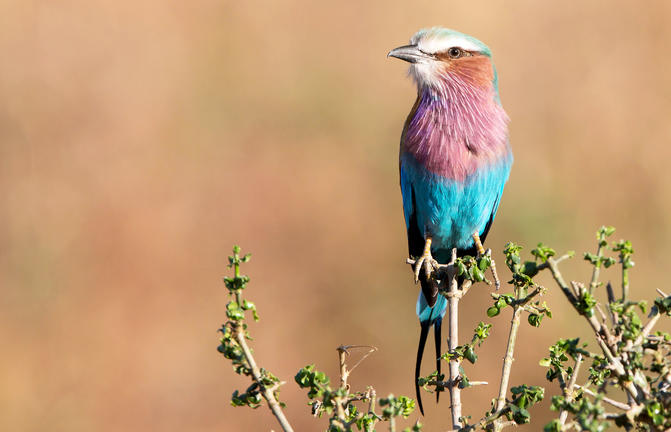
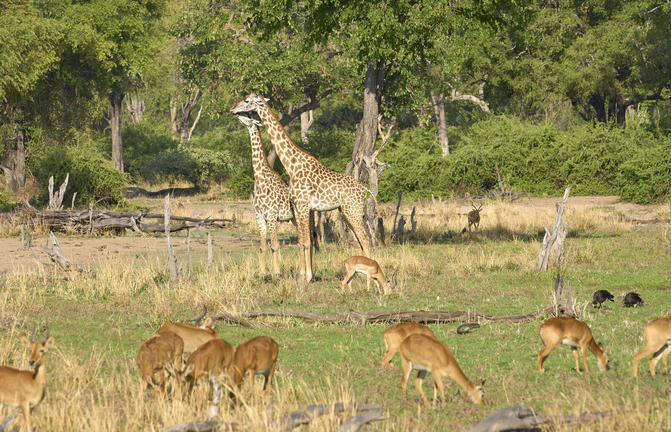
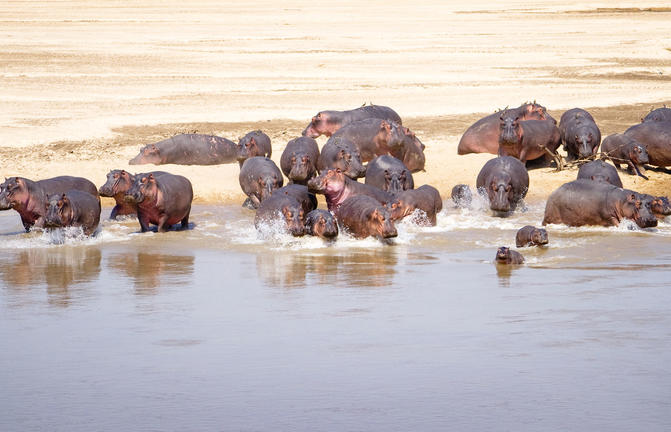
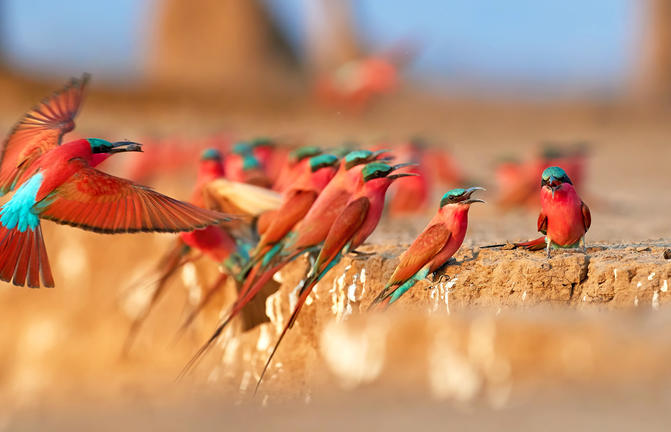
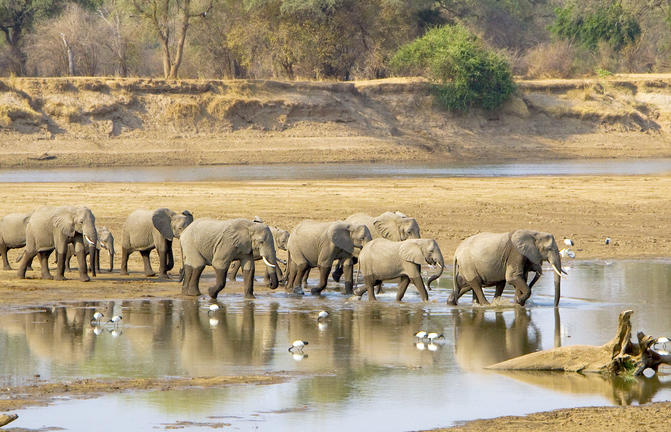
Found in the oldest section of Africa's Great Rift Valley, North Luangwa National Park is the most northern of the three national parks found in the Luangwa Valley. The Luangwa River has shaped this unique landscape over millennia that many regard as “The Real Africa.”
Founded as a game reserve in 1938, this remote 4,636km² tract of land was re-gazetted to become a national park in 1972. The North Luangwa protected ecosystem has now grown to over 22,000km² of virtually untouched landscapes, with the National Park at its heart.
The ecosystem is home to a unique and diverse species community and is one of the last large undisturbed regions in central Africa. As the only in park Zambia boasting the Big 5, it offers one of the most spectacular settings for game viewing experiences in Zambia, if not the entire continent.
Founded in 1986, the North Luangwa Conservation Programme’s mission is to protect the North Luangwa ecosystem, its wildlife and its people. The ecosystem itself also contains immense water resources, being the source for four out of the six perennial tributaries of the great Luangwa River – one of Africa’s few remaining undammed rivers.
During the 1960s, Zambia’s black rhino population, at almost 12,000 individuals, was the third-largest in Africa, with the North Luangwa ecosystem alone harbouring between 500-2,000. However, after two decades of heavy poaching, Zambia’s black rhinos were hurtling towards extinction. By 1998, several years after the last confirmed sightings, black rhinos were officially declared extinct in Zambia.
Thanks to the dedicated efforts of the North Luangwa Conservation Programme (NLCP), poaching was brought under control in Zambia, and by 2001 a proposal was put forward to reintroduce black rhino to the National Park. NLCP successfully managed the reintroduction of 25 black rhinos in four phases from 2003-2010. During 2003, the first five black rhinos were translocated to the Park; ten more arrived in 2006, five more in 2008, and another five in 2010 – once again establishing a viable population of black rhino in Zambia! A final pair of bulls, descended from a genetically valuable population in Zimbabwe’s Zambezi Valley, were transferred to the Park during 2018 to bolster the new population’s genetic diversity. At the time of writing, no poaching has occurred in the Park and the population is one of the most prolific on the African continent, having been recognised as a Key 2 population, i.e. with numbers lying between 50 and 100 individuals.
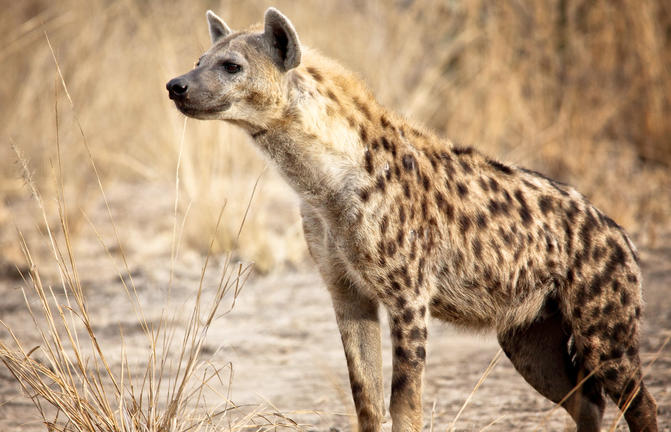
Tourists can only access this magnificent private park via a safari operator like Conservation Safari Company, who can take them on exciting walking safaris through the park, where visitors will find themselves surrounded by pristine wilderness. North Luangwa provides a sanctuary for a plethora of wildlife, including buffalo, lion, hyena, wildebeest, bushbuck, zebra, warthog, baboon, puku, elephant, leopard, hartebeest, reedbuck and eland.
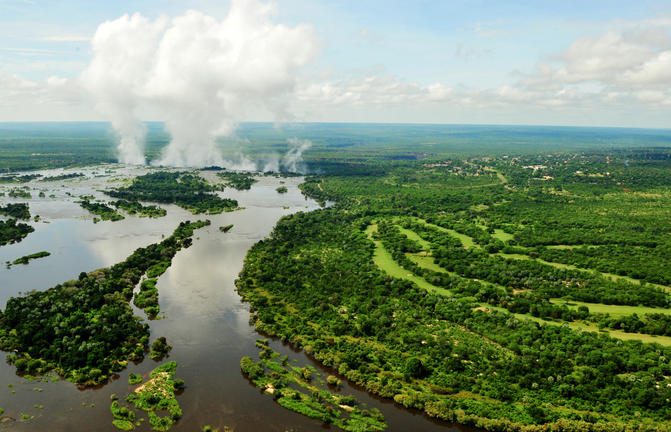
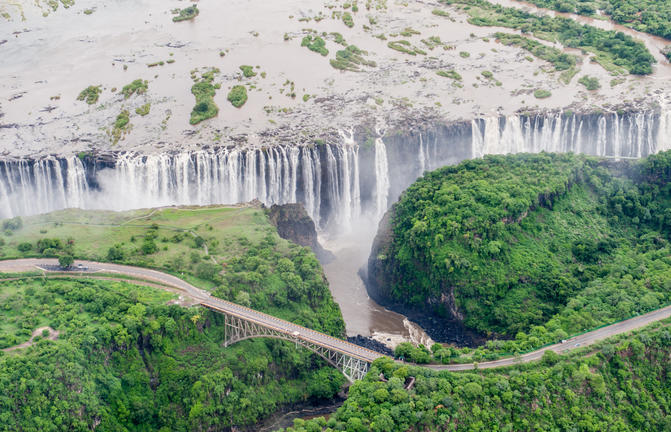
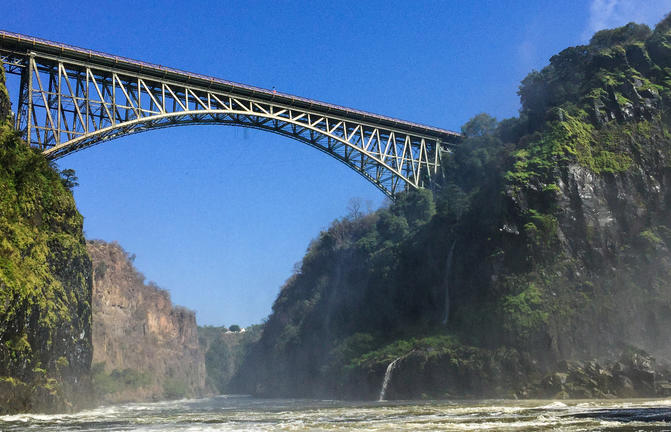
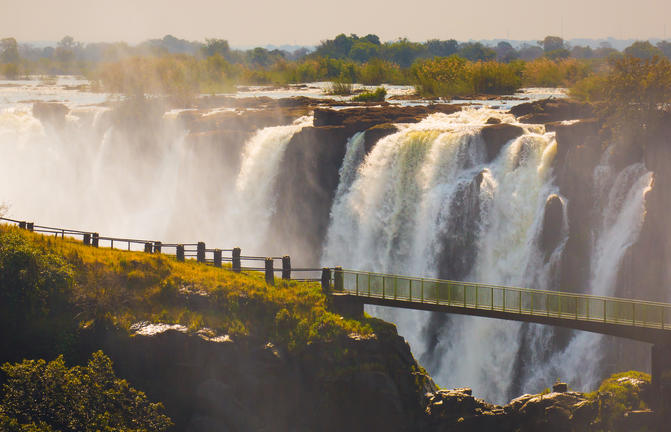
Situated on the Zambia–Zimbabwe border along the Zambezi River, Victoria Falls is experienced from the Zambian side within Mosi-oa-Tunya National Park, where walkways trace the cliff edge above a vast basalt gorge. Knife Edge Bridge pushes visitors into the spray line for a close view of the Main Falls, a continuous curtain of water, and the Eastern Cataract, where the flow breaks into narrower channels across the far side. Rainbow Falls, the highest section of the cascade, often reveals shifting arcs of colour in fine mist when light breaks through the spray. The Boiling Pot viewpoint looks directly into a deep whirlpool where the river is forced into the Batoka Gorge. Upstream, boat access reaches Livingstone Island, a rocky outcrop on the lip of the falls, and the seasonal Devil’s Pool, a natural rock pool at the edge of Victoria Falls that becomes safely accessible during low water when river levels drop and currents weaken. Activities extend beyond the rim, including white-water rafting through gorge rapids, kayaking, ziplining across the chasm, bungee jumping from the bridge, bridge swings, sunset cruises, game viewing along the riverbanks, and visits to the local market.







Situated in the northwestern corner of Botswana, the Okavango Delta is a World Heritage Site as it is the largest inland delta in the world. The magnificent Okavango River sprawls out over the dry sands of the Kalahari Desert forming this flourishing waterlogged oasis featuring countless meandering waterways and crystal clear lagoons studded with water lilies, as well as fertile floodplains and reeded islands inhabited with abundant wildlife. The Okavango Delta stretches over an impressive15000 square kilometres. Visitors can enjoy a number of wonderful activities such as game viewing, fishing, bird watching or taking an authentic guided Mokoro excursion through this wetland paradise in a traditional dugout canoe. Commonly spotted animals include: lion, rhino, leopard, giraffe, hippos, elephants, crocodiles and countless species of bird.
Situated on the southern edge of the Okavango Delta in northwestern Botswana, Maun is a laid-back safari town known as the gateway to one of Africa’s most remarkable wilderness regions. Dusty streets, scattered palms, and the slow-moving Thamalakane River give the town a relaxed frontier atmosphere, where safari vehicles and small bush planes are part of daily life. Travellers come to experience mokoro excursions through reed-lined delta channels, scenic flights above shimmering floodplains, and wildlife safaris into nearby game reserves. While Maun itself is functional rather than polished, its blend of local culture, open landscapes, and close access to untamed wilderness makes it an atmospheric and rewarding base for exploring the Okavango region.