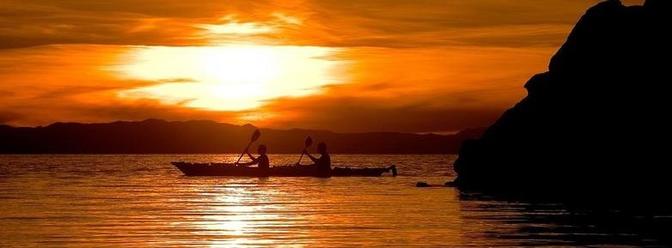
Idyllically located in the spectacular Matobo Hills, the renowned Matobo National Park is known for its rich human history, its remarkably diverse flora and fauna and its magnificent rugged terrain. This unspoiled natural wilderness features a range of massive red-tinged, granite boulders interspersed with gorgeous wooded valleys making it a dream destination for hikers, climbers and nature lovers alike. The reserve is compact, easily accessible and is home to an impressive range of African wildlife including the highly endangered black and white rhinoceros, zebra, wildebeest, giraffe, cheetah, hippo, warthog and crocodile as well as Africa's largest concentration of leopard and black eagles. This unforgettable national park serves as an ideal stopover for travellers heading to the popular tourist sites of Hwange and the majestic Victoria Falls.
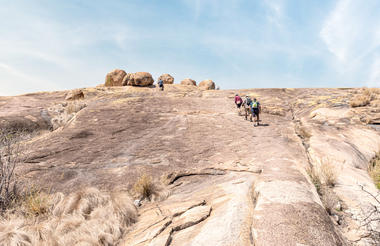
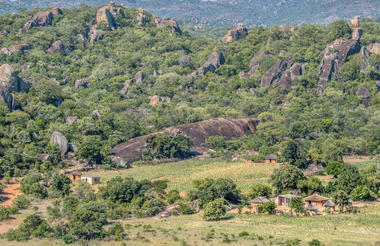
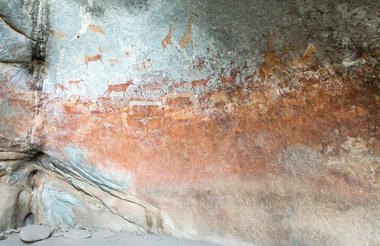
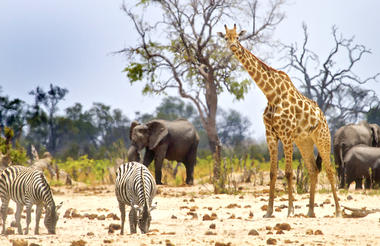
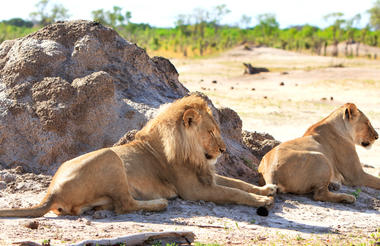
Situated in western Zimbabwe, the Hwange National Park is the country's biggest reserve, home to a profusion of wildlife, including giraffe, lion, zebra and approximately 40 000 elephants. It provides a sanctuary for all the country’s endangered species, including a population of wild dogs thought to be among the most sizeable surviving groups on the continent. The park’s magnificent terrain ranges from desert dunes, savannah lands and mopane woodlands to rocky outcrops and sparse forests. Visitors can look forward to game drives, guided walks or horse riding safaris. Other highlights include: the Bumbusi National Monument and the Nyamandhlovu Pan.
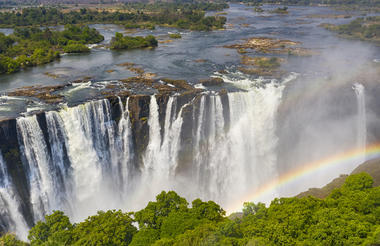
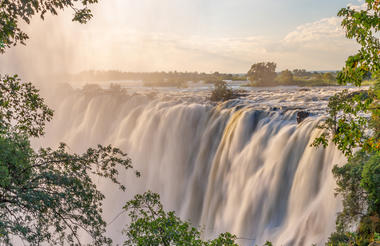
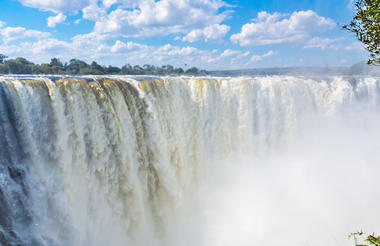
Known locally as Mosi-oa-Tunya—“The Smoke That Thunders”—Victoria Falls is one of the world’s great natural landmarks. Straddling the Zambezi River between Zambia and Zimbabwe, it forms a vast curtain of water that fills the air with mist and sound. The Zimbabwean side grants the most dramatic views, where mist rises like ghostly curtains and rainbows arc through the spray. Measuring about 1,708 metres across, it is regarded as the largest single continuous sheet of falling water on Earth. The adjacent town of Victoria Falls provides a convenient base for exploring the region, with a wide range of activities from scenic flights and microlight trips to white-water rafting, bungee jumping, kayaking, and safaris into Chobe National Park.
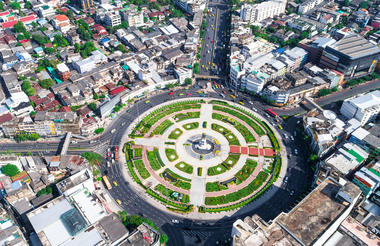
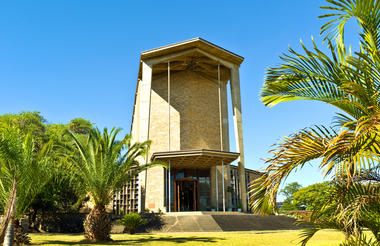
Situated on Zambia’s central plateau, Lusaka is the country’s cosmopolitan capital, known for its vibrant atmosphere, modern development, and dynamic urban character. As Zambia’s economic, political, and transport hub, Lusaka combines modern development with a rich cultural heritage. Wide, tree-lined boulevards are lined with hotels, guest houses, restaurants, cafés, shopping centres, and entertainment venues, reflecting the city’s dynamic character. Visitors can explore attractions such as the Henry Tayali Art Gallery, which showcases contemporary Zambian art, and the National Museum, which highlights the country’s history and culture. Other popular sites include the Lilayi Elephant Nursery, dedicated to the rescue and rehabilitation of orphaned elephants, and several bustling local markets. Nature enthusiasts should not miss Munda Wanga Environmental Park, home to a wildlife sanctuary, botanical gardens, recreational facilities, and an environmental education centre, offering a peaceful escape from the city's energetic pace.
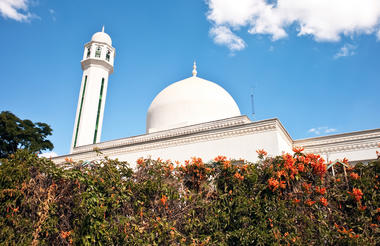
Bordering the Luangwa River in eastern Zambia, South Luangwa National Park is one of Africa’s most celebrated wildlife destinations, renowned for its unspoilt wilderness, exceptional biodiversity, and successful conservation efforts. The park supports thriving populations of elephant, lion, leopard, buffalo, hippo, giraffe, and numerous antelope species, along with more than 400 bird species. Widely regarded as the birthplace of the walking safari, South Luangwa offers visitors the rare opportunity to explore the bush on foot under the guidance of experienced armed guides, providing an intimate perspective of the surrounding wildlife and ecosystems. Traditional game drives, seasonal boating, and outstanding opportunities for photography and birdwatching further enhance the experience. Combined with the scenic Luangwa River, the park delivers one of Africa’s most authentic and unforgettable safari adventures.
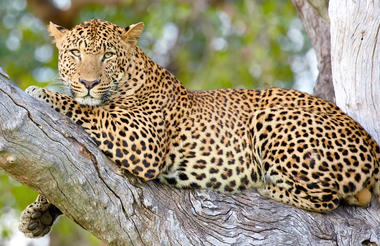
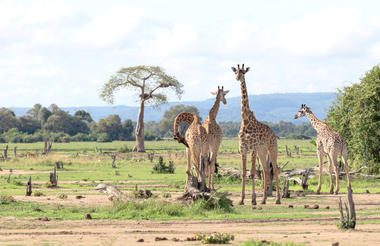
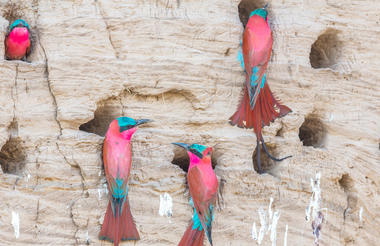
At 1,050 metres above sea level in Malawi's central region, Lilongwe bridges traditional and modern Africa within its dual cityscape. The Old Town, characterised by bustling markets, small shops, and historic golf clubs, contrasts sharply with the organised structure of the New Town, a hub of embassies, government ministries, and modern infrastructure. Lilongwe's lush green spaces, particularly the Lilongwe Nature Sanctuary, provide an urban oasis that rehabilitates injured animals while promoting environmental education. The Kamuzu Mausoleum, built of marble and granite, is the final resting place of Malawi's first president, with pillars bearing his principles of unity, loyalty, obedience, and discipline. The Parliament Building, located near Capital Hill, houses the government's operations and is an example of modern Malawian architecture. Other sights worth seeing include a day trip to the Kumbali Cultural Centre, offering the opportunity to view traditional Malawian dancing and drumming, as well as an excursion to Chongoni Rock Art Area featuring one of the densest clusters of rock art in Central Africa.
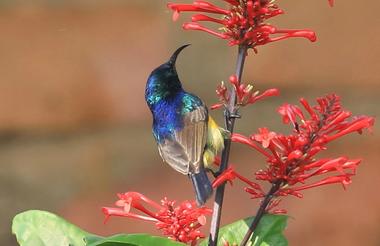
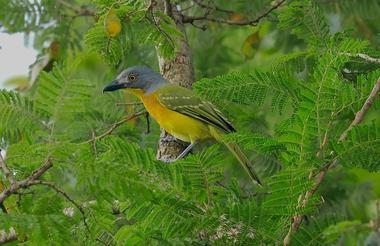

Liwonde National Park lies along the Shire River in southern Malawi. One of the country's premier safari destinations, it is celebrated for its abundant wildlife, scenic river landscapes and successful conservation initiatives. The park is home to large populations of elephants, hippos and crocodiles, while black rhinos, cheetahs and lions have been successfully reintroduced. Boat safaris offer close-up wildlife encounters, complemented by game drives through floodplains, mopane woodlands and open grasslands. Liwonde is also one of Malawi's leading birdwatching destinations, with more than 400 recorded species, and its palm-fringed riverbanks create striking scenery for photographers and nature lovers alike.
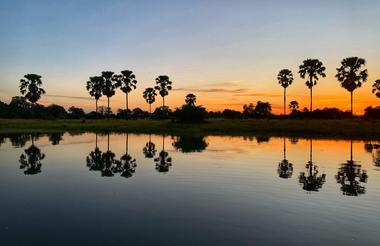
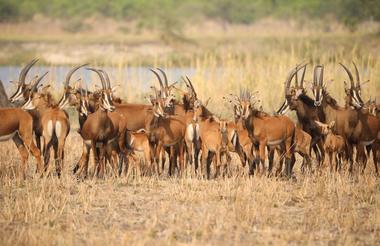

Mumbo Island is a secluded eco-paradise set within the crystal-clear waters of Lake Malawi National Park. Covering just one square kilometre, this uninhabited island is blanketed in pristine miombo woodland, dotted with ancient fig and baobab trees that create a peaceful natural setting. The surrounding lake offers exceptional opportunities for swimming, snorkelling, kayaking, and paddleboarding among colourful cichlid fish found only in Lake Malawi. Nature lovers may also spot the island's resident Spotted-necked Otters, known for their playful and inquisitive behaviour. With no roads, vehicles, or permanent settlements, Mumbo provides an authentic wilderness experience focused on relaxation and nature. The island's sole lodge is constructed from sustainable natural materials, blending seamlessly into the landscape and offering an environmentally conscious retreat in one of Malawi's most beautiful locations.