
Saruni Wild


Bush Dining
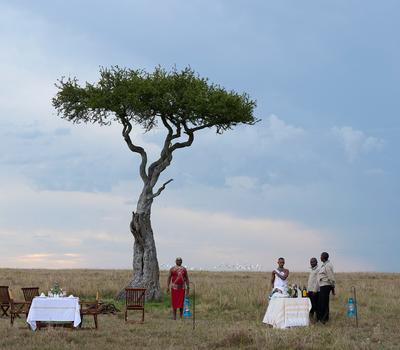
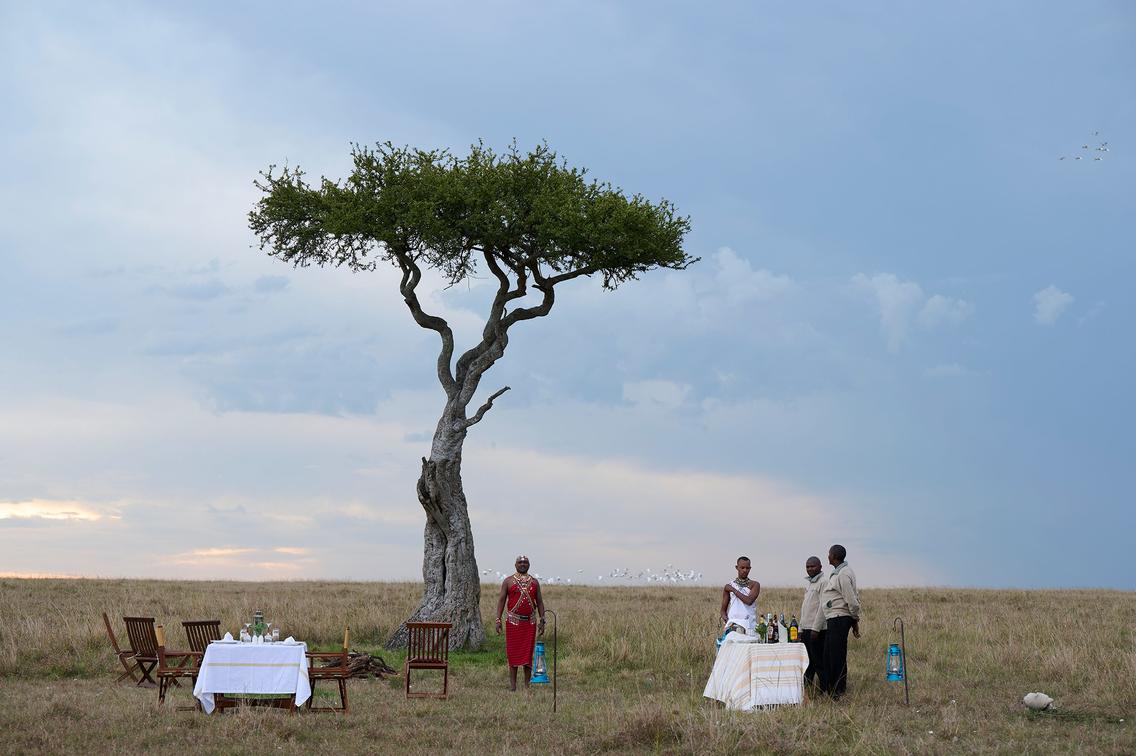
Some of our favourite moments happen away from camp entirely. We know a few secret spots deep in the forest, or along the Mara River overlooking what we've come to call our hippo beach, where a beautifully laid table appears as if from nowhere, and a gourmet meal unfolds in the middle of the wilderness.
Bush breakfast, lunch, or dinner, tell us what you're in the mood for. We'll take care of the rest.

Day and Night Game Drives
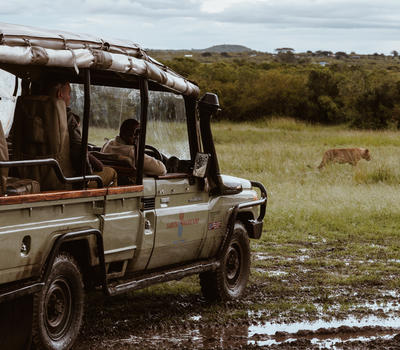
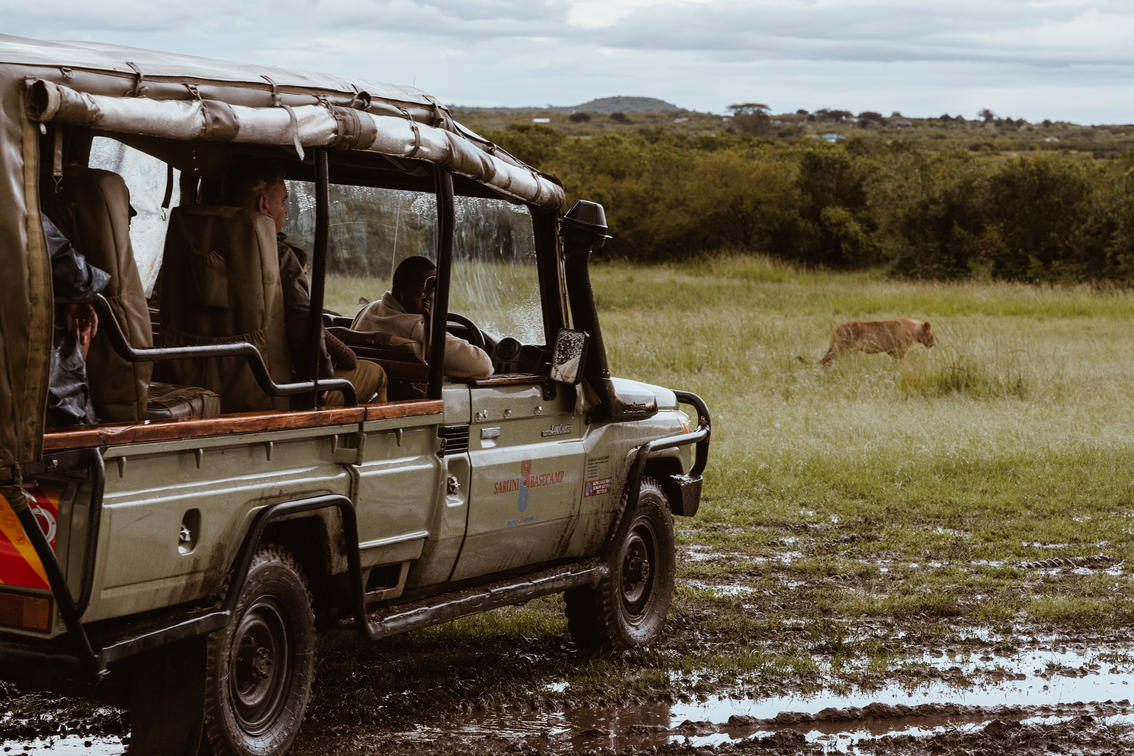
Our safaris move at the pace of the wilderness, and led by guides who read this landscape like a familiar text. Fully open Land Rovers, a dedicated guide and tracker, and a quiet commitment to taking you where other vehicles don't go.
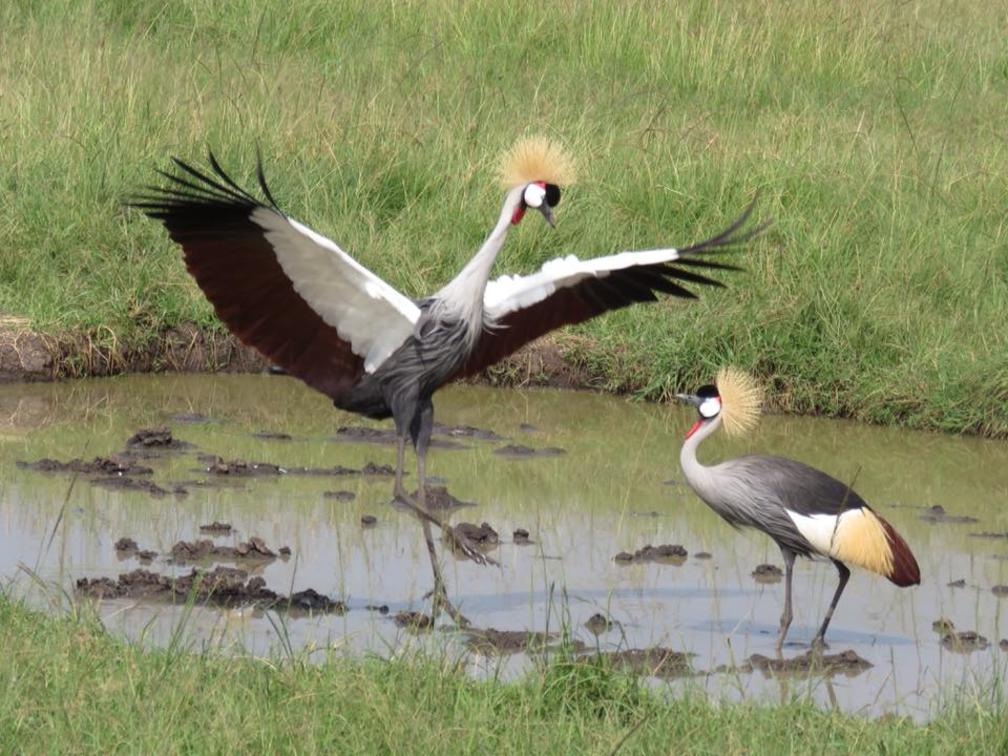
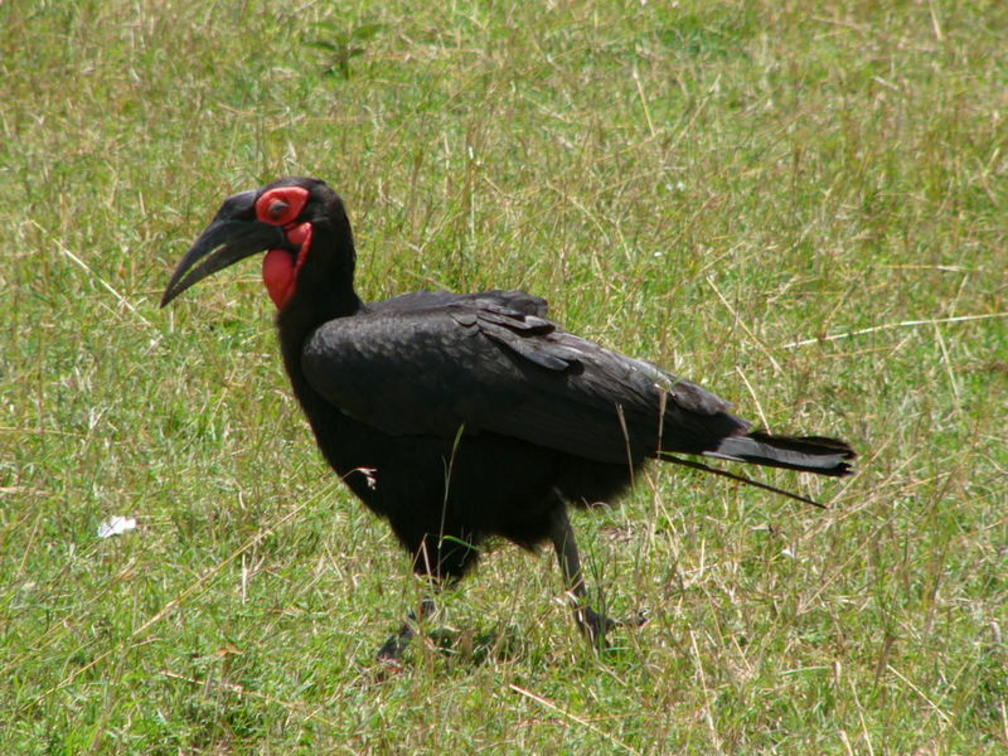
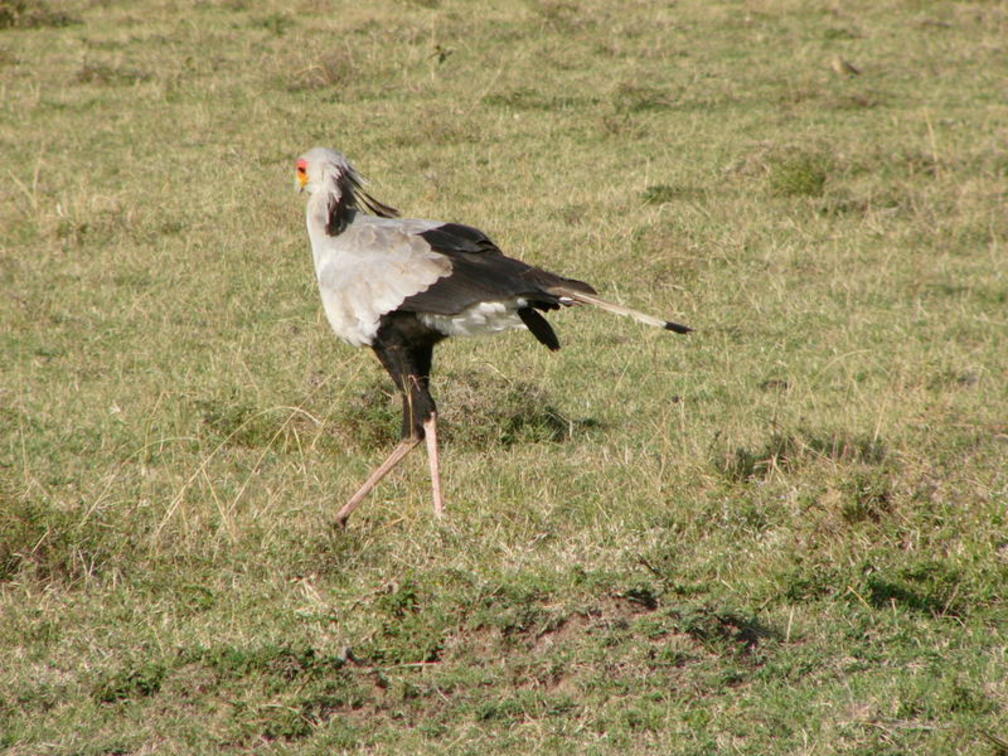
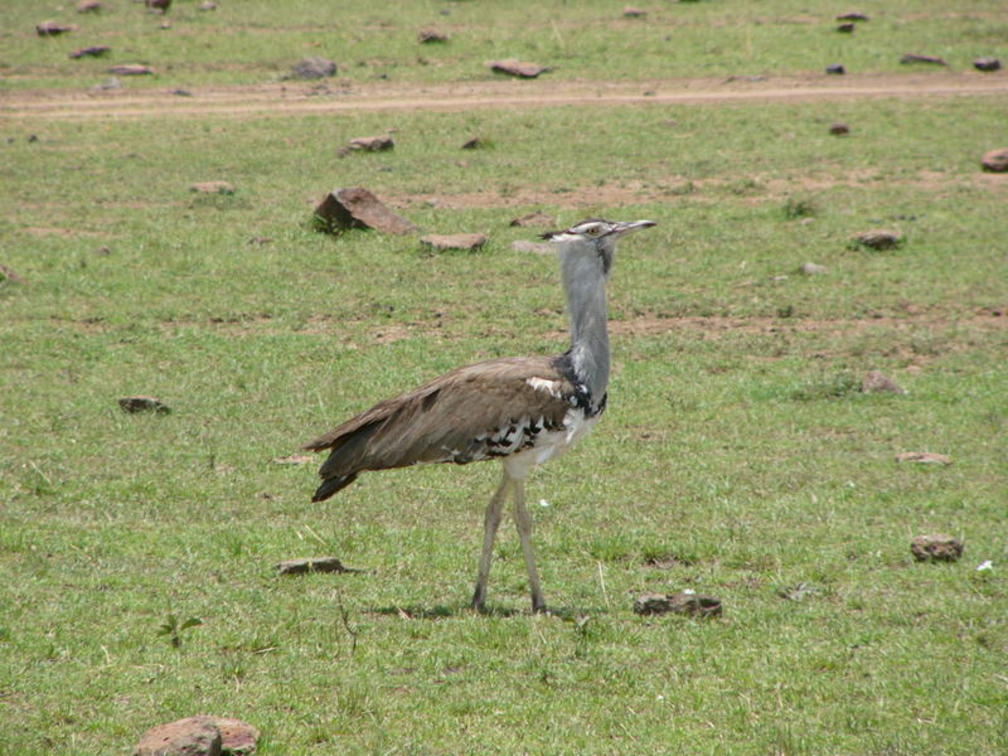
For birders, our guides identify species by call and song as readily as by sight among 500 plus recorded species, there is always something new to find. The best moments happen at the edges of the day. Early mornings when the bush stirs to life, and late afternoons that end with sundowners somewhere out on the plains; surrounded, as our guides like to say, by everything.
Birdwatching
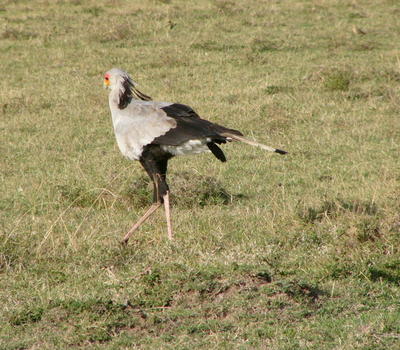
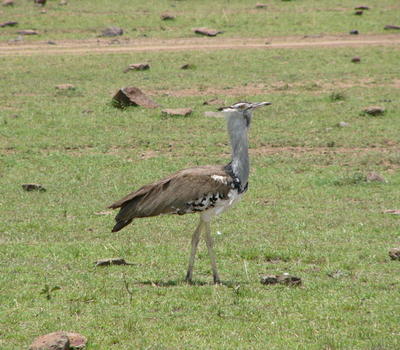
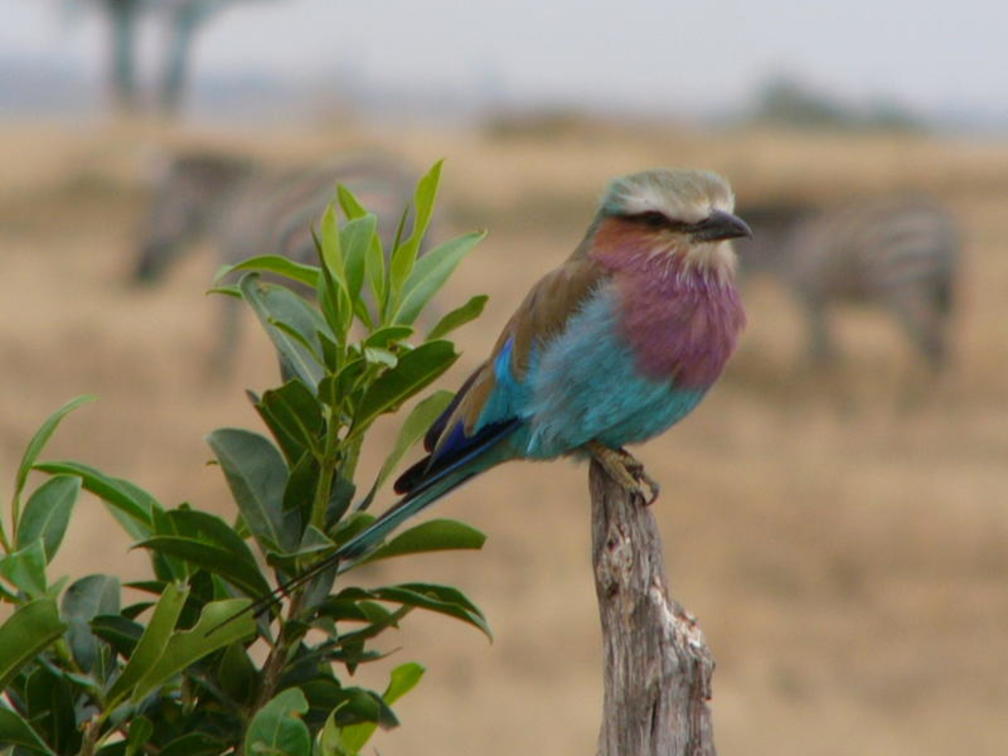
For those who find as much joy in a rare bird sighting as in a lion encounter, the Mara delivers. Species are abundant, often out in the open, and wonderfully cooperative for photographers.
Our guides are birdwatchers by both instinct and training — field guides always to hand in the vehicle, but more often than not, it's their own knowledge that gets there first.



Guided Bush Walks
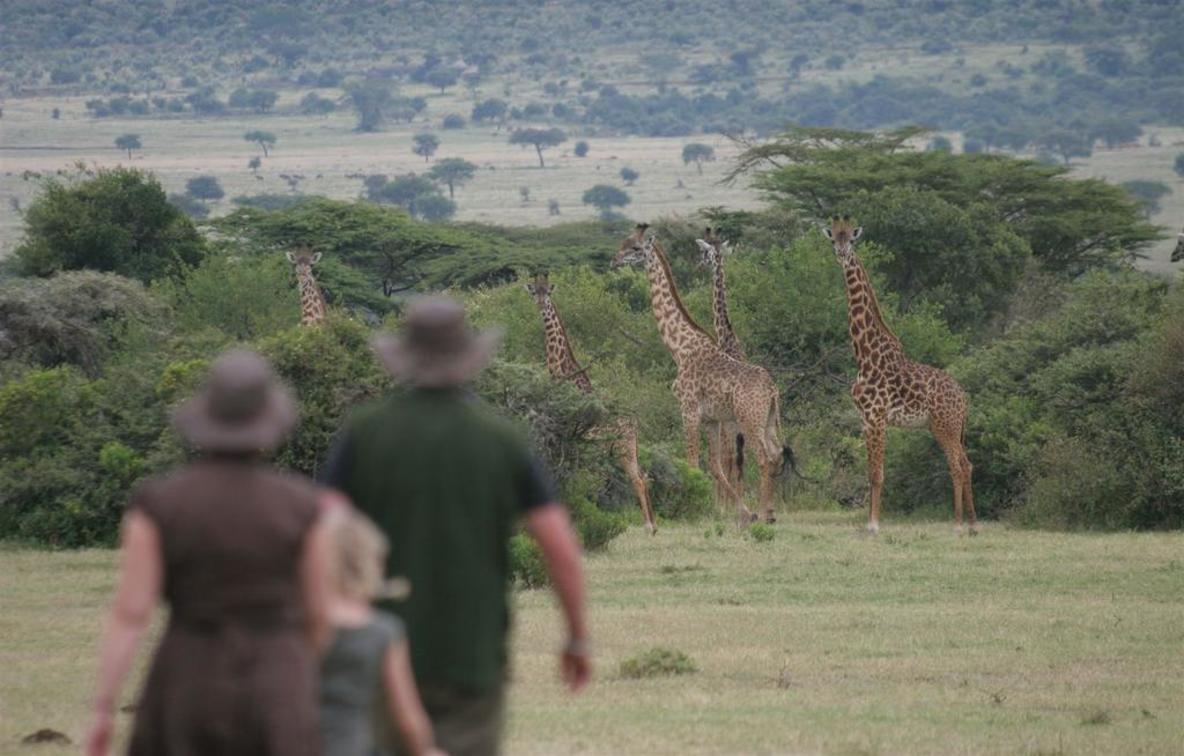
There is something about experiencing the Mara on foot that a game drive simply cannot replicate. Walking alongside Maasai warriors through the valleys and plains surrounding Saruni Mara, accompanied by a vehicle for support, you encounter the wilderness at a completely different scale.

Stargazing
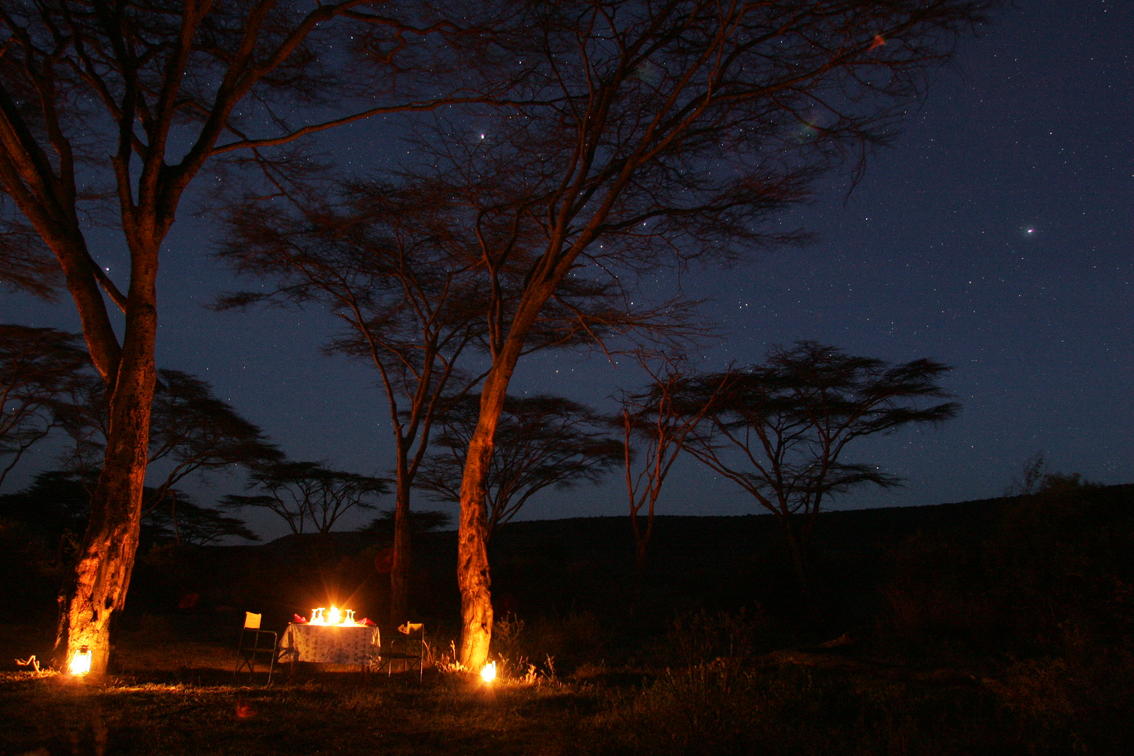
When darkness settles over the Mara plains, a different kind of spectacle begins. The skies above Saruni Wild are unpolluted and unobscured vast, brilliant, and impossible to take for granted. Pull up a chair. The night up here has a way of making everything else feel very far away.
Warriors Academy
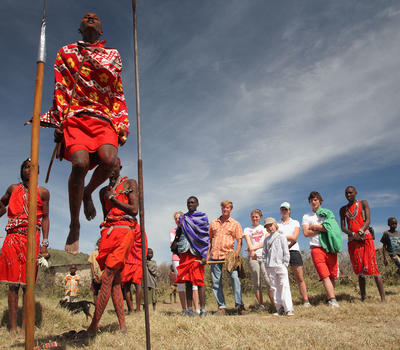
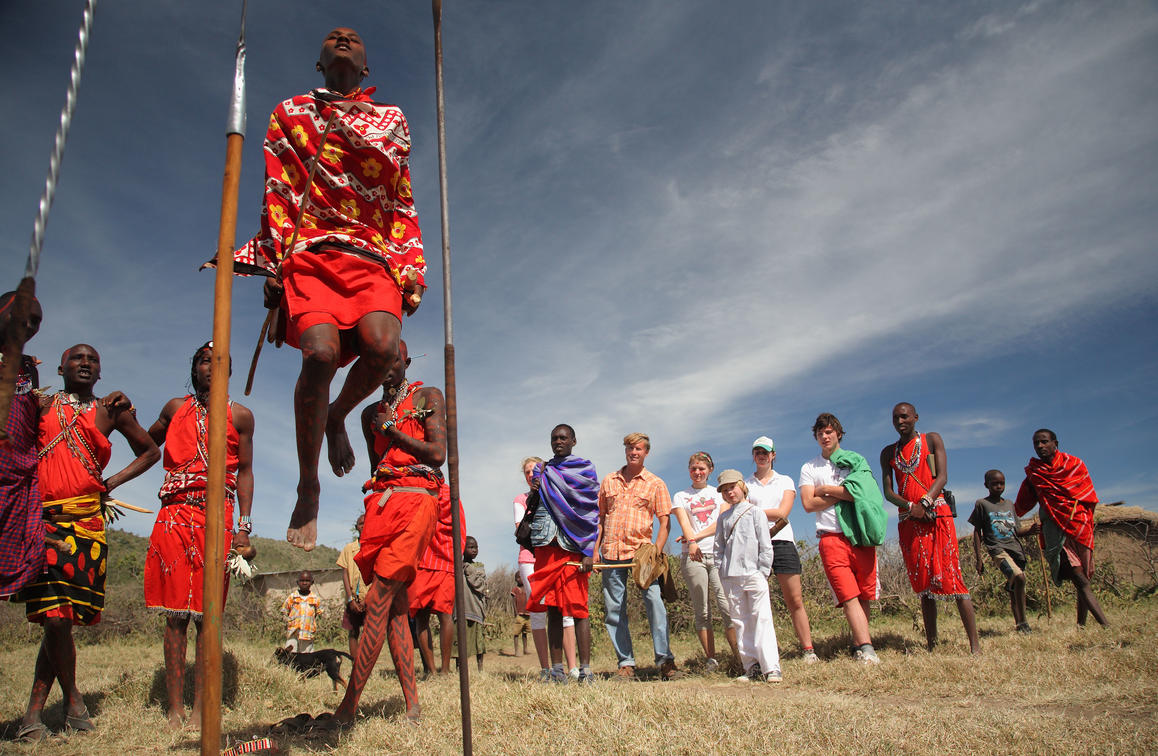
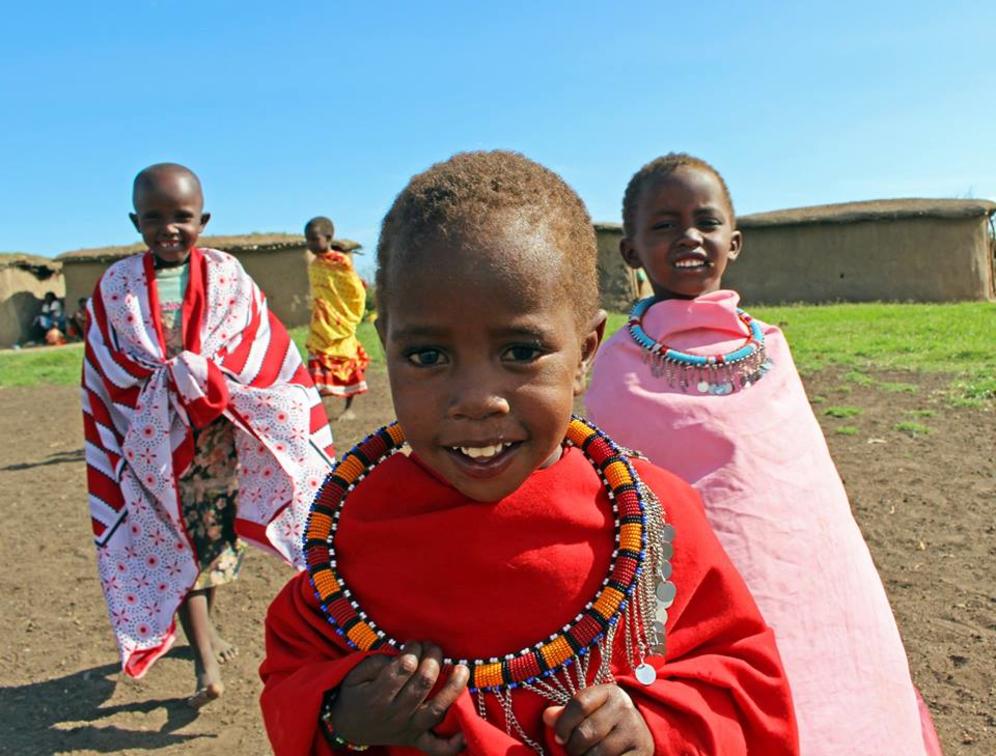
The Warriors Academy is unlike anything else we offer. Designed for families, parent-and-child duos, or small groups, it's an immersive one-to-three day experience led by Maasai Moran — warriors who share their ancient knowledge of this landscape with a generosity and depth that stays with guests long after they've left.
This is the Maasai Mara as the Maasai themselves experience it. Track elephant and leopard on foot, learn bush survival skills, visit a traditional village, tend cattle and goats, and handle the tools like bow, arrows, spear that have defined life here for generations. All of it woven together with folklore, song, and stories told around a fire.
Combined with regular safari activities and tailored to your group's interests and pace, the Warriors Academy reframes everything you thought you knew about the wilderness.
Sundowners
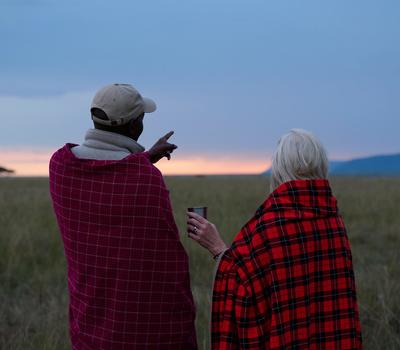
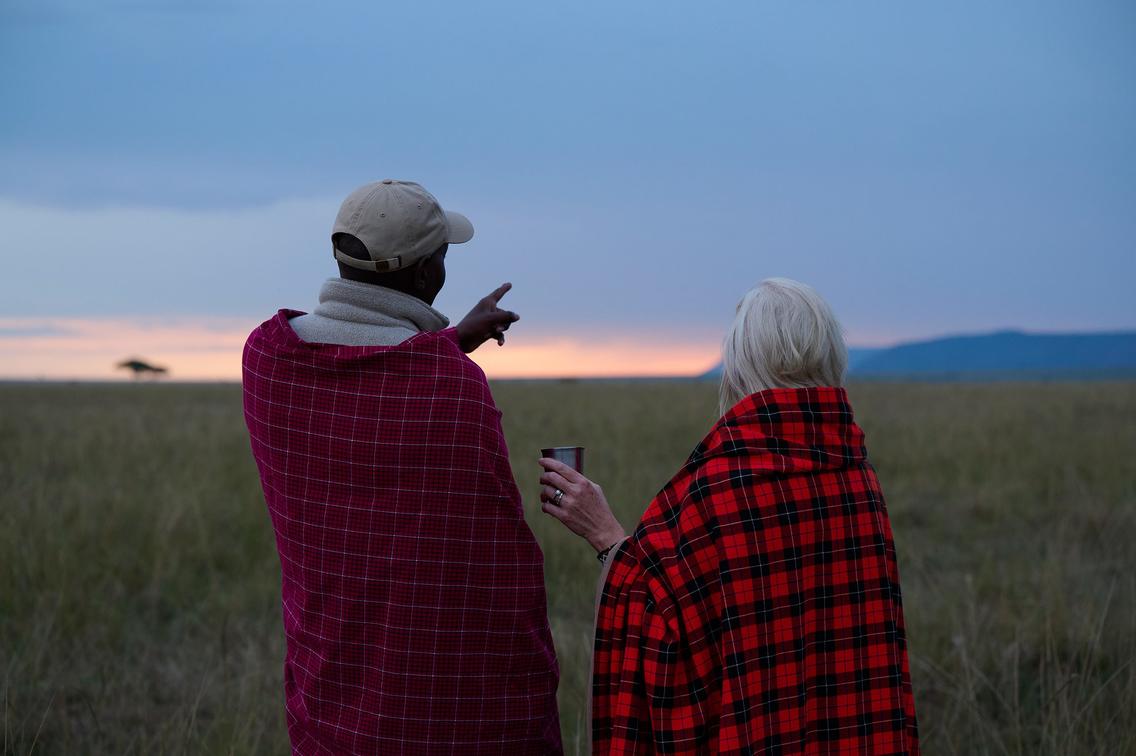
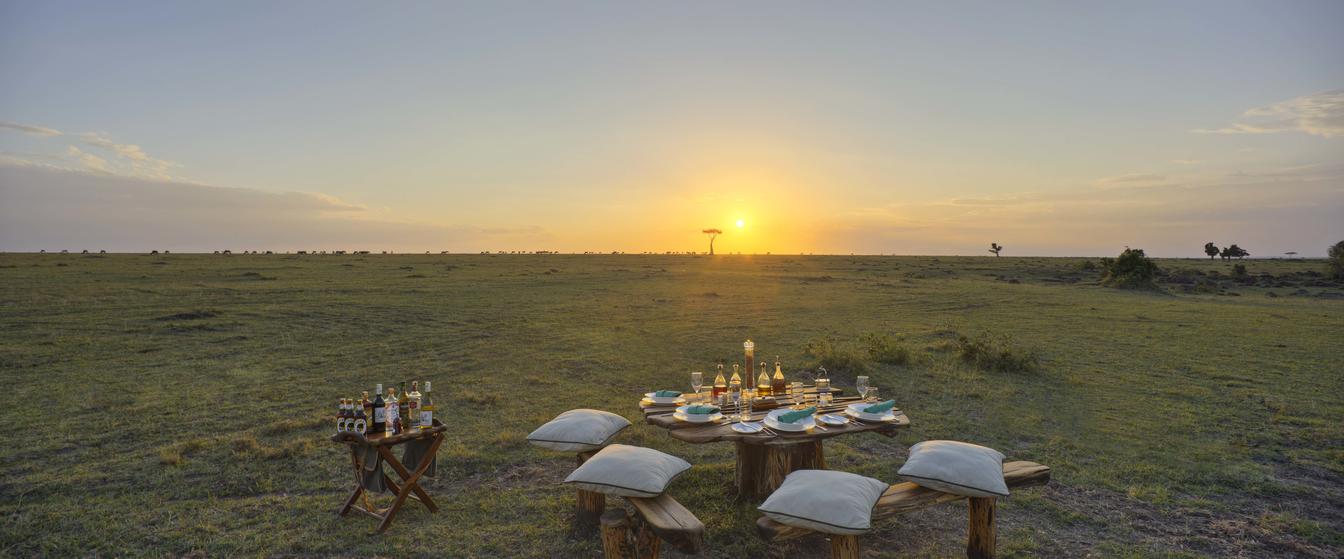
The sundowner is a well-deserved drink at the end of a long day on safari to ‘salute’ the African sun as it is setting. We drive you to secret corners and on top of the highest peak in the Mara-Serengeti ecosystem and serve you your favourite drink along with a selection of scrumptious ‘bitings’; small snacks to whet your appetite ahead of the delicious dinner which awaits.

Cultural Visit to Local Village Market
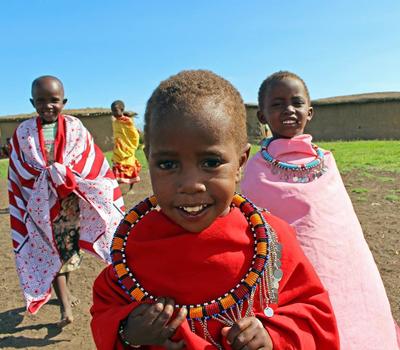
A short drive from camp, the weekly Aitong market offers a rare and unhurried glimpse into how the Maasai move between two worlds traditions intact, yet fully engaged with modern life. Locals gather from across the Mara region to trade livestock, catch up with neighbours, and go about the quiet rhythms of community life.
Hot Air Ballooning
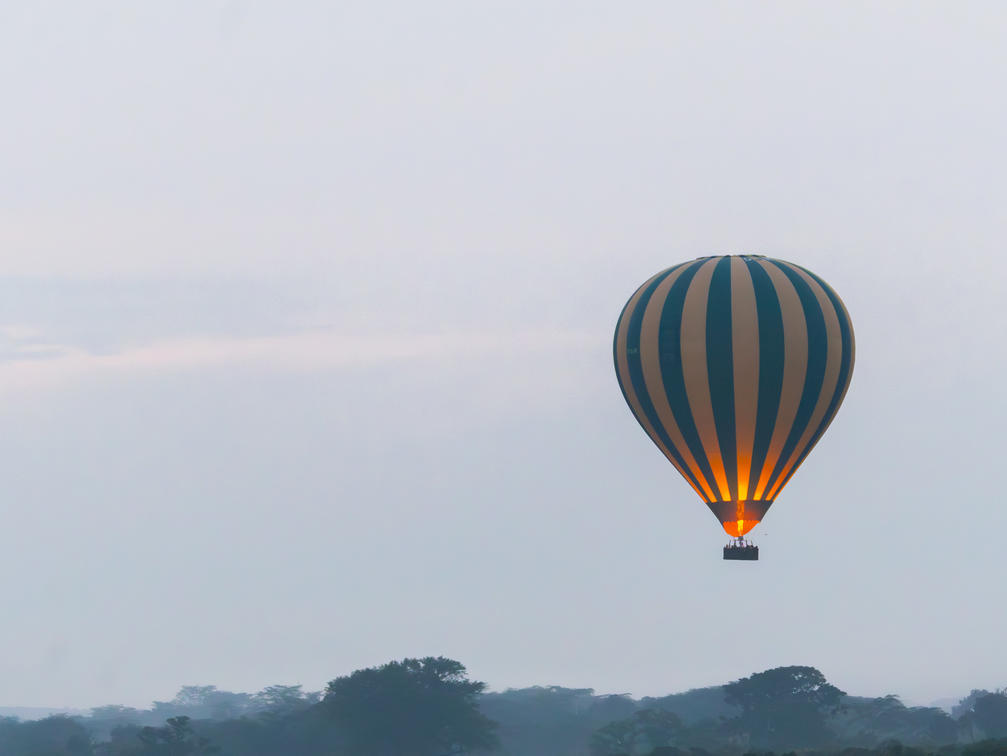
There is only one way to truly grasp the scale of the Great Migration and that's from above. A hot-air balloon ride over the Mara plains offers a perspective that words struggle to do justice to, drifting silently over one of nature's most extraordinary spectacles as the sun climbs over the horizon.
Rhino Sanctuary Visit
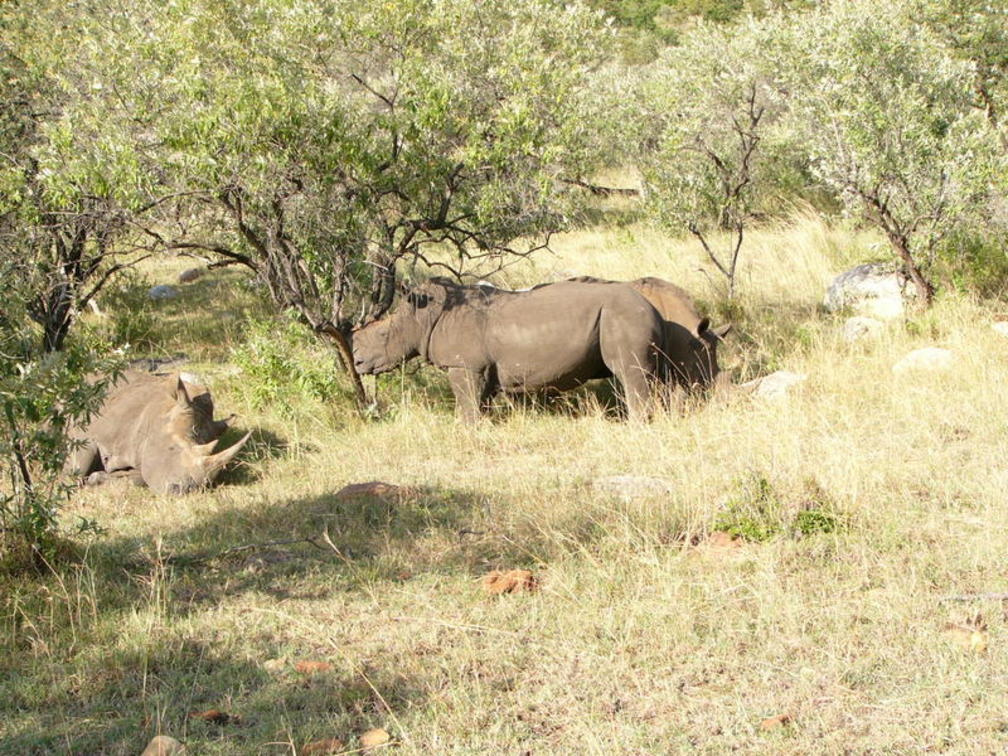
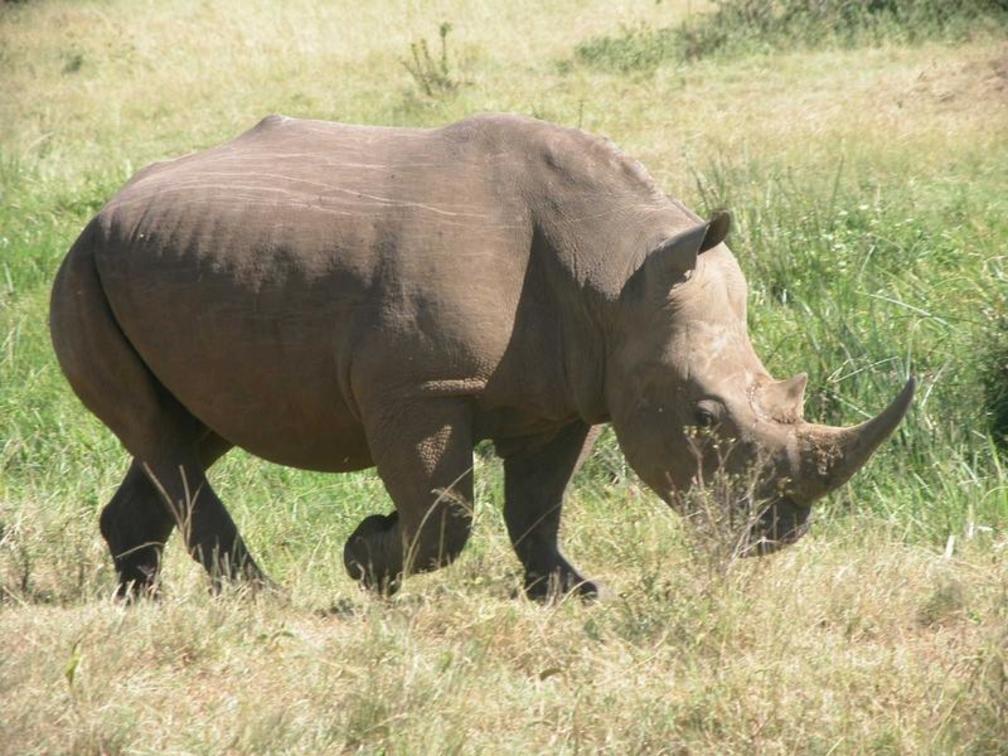
Located in the Olchorro Conservancy, about 30 minutes from Saruni Wild, this is a conservation project employing staff from the local community that has been protecting white rhino for the past 20 years. Rhino roam freely on the slopes of the mountain and the unique attraction of this project is approaching the rhino on foot in complete safety, whilst guided by a local ranger.


Weddings & Blessings
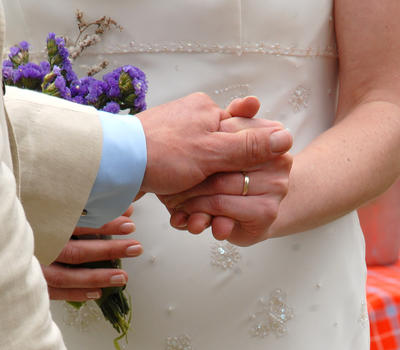
For those who want to mark their commitment somewhere truly unforgettable, a Maasai wedding ceremony in the heart of the Mara is an experience like no other. Whether you are renewing your vows or planning to marry in Kenya, the ceremony unfolds in the presence of Maasai elders, women, and warriors in a village steeped in tradition, or on a hilltop with the endless landscape stretching out around you.

Drive to Kilileoni
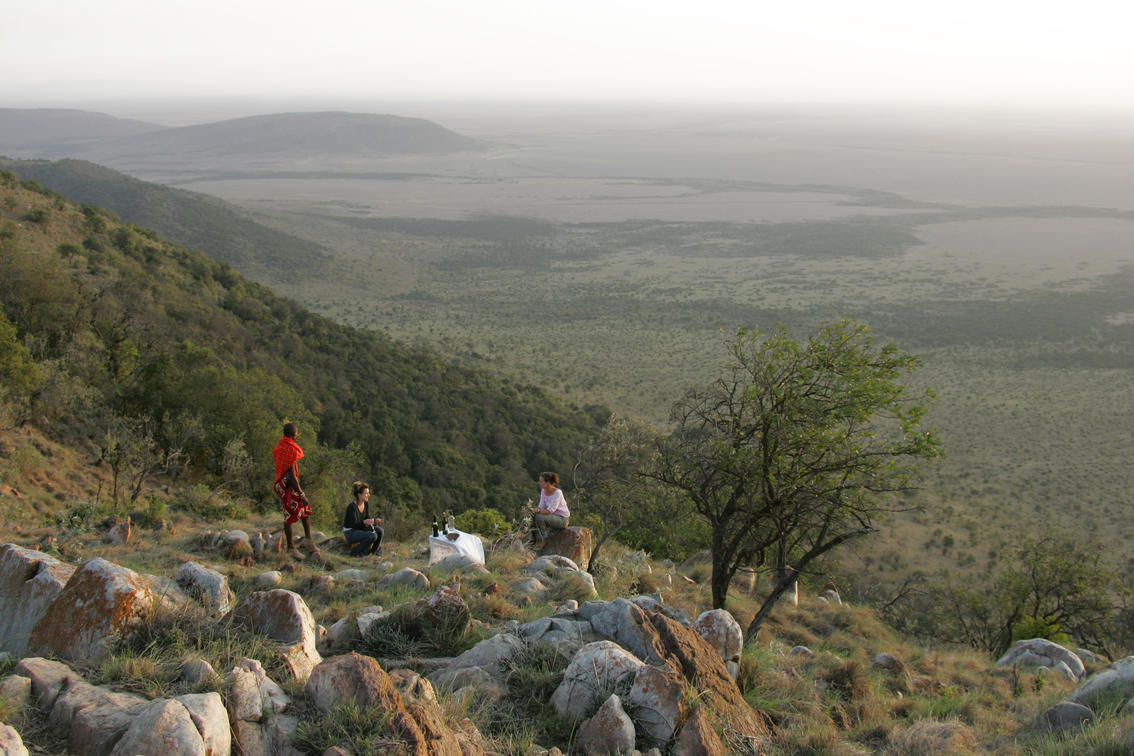
Drive to Kilileoni, the highest peak in the Mara-Serengeti ecosystem, where at the top guests can enjoy a panoramic view over the Mara plains and forests with the Tanzanian border visible on the horizon. During the ascent, guests can encounter rare antelope species that live at high altitude and once they reach the peak, they may chance across elephant and buffalo grazing. It is one of the least explored and most spectacular corners of the Masai Mara. Guests will need to allow half a day at a minimum to best experience this unique drive.

The Masai Wellbeing Space
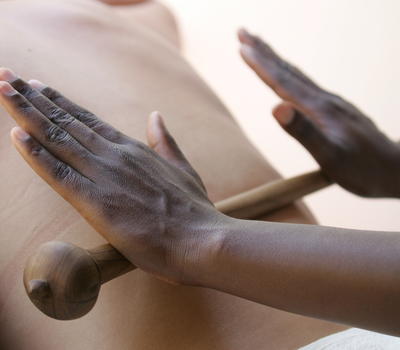
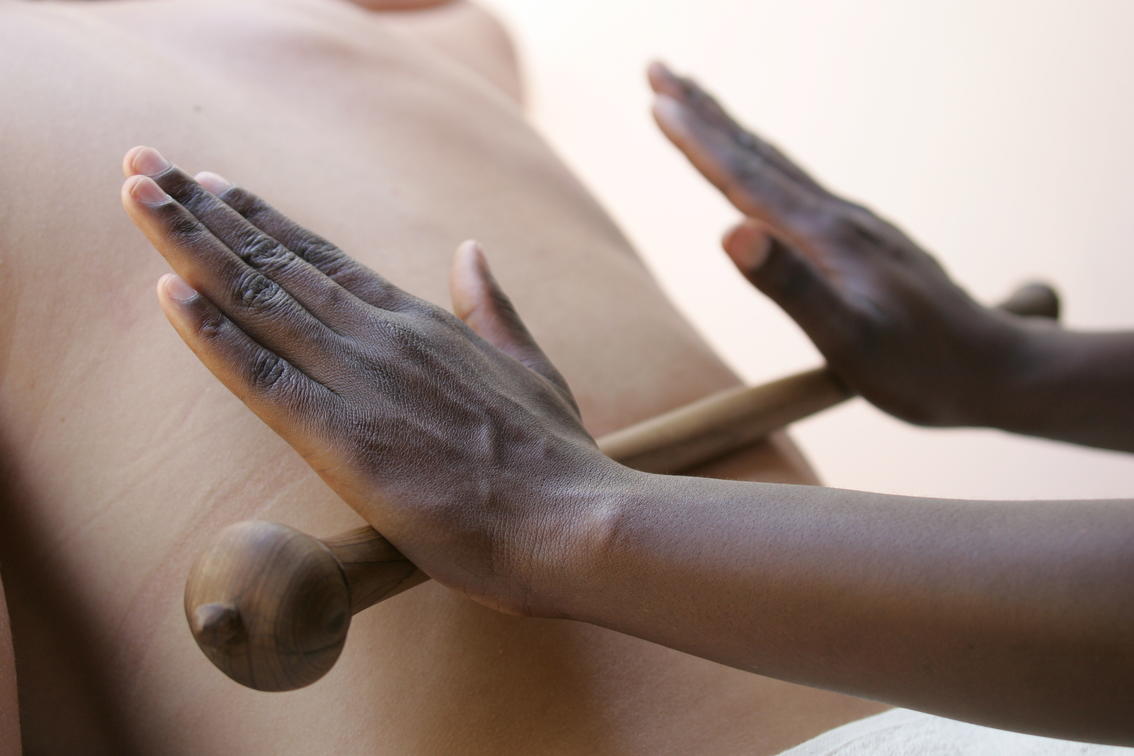
Our Wellbeing Space is a unique feature in the Masai Mara: in the most serene and relaxing environment, our guests enjoy massage and wellness treatments under the supervision of highly trained staff. The techniques combine sophisticated methods developed at Centro Benessere Stresa with ancient Masai wisdom and knowledge. For instance, we use Olsinoni leaves (Lippia Javanica) for their detoxifying and purifying properties. Also we use pure gel from Usuguru (Aloe Kedongensis) and compresse of Olleleshwa leaves (Tarchonantus Canphorantus) to remove skin impurities and to improve the natural regeneration of the cells. In pedicare we complement more traditional products with Ol-Emoran leaves (Hoslundia Opposita).
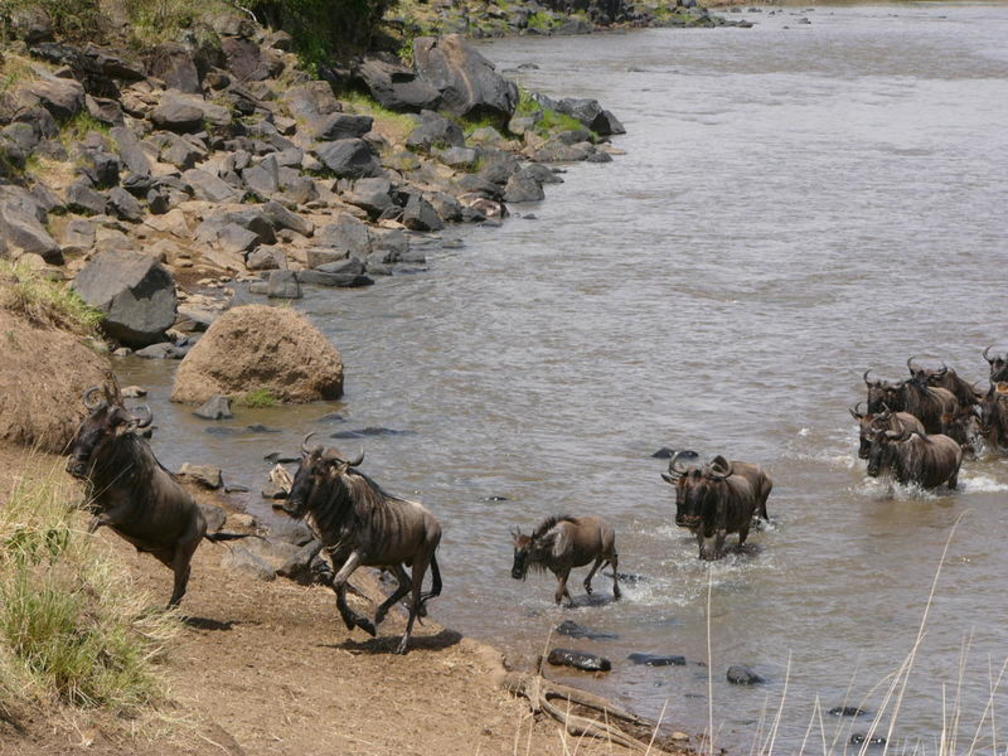
The Great Migration - The Greatest Show On Earth
"The Masai Mara and adjoining Loita Plains form the northermost part of the 25,000km Serengeti-Mara ecosystem. The Mara receives the highest rainfall (1000mm average, 1200mm a year at Musiara) of the entire ecosystem. Rain falls here throuht the year, with peaks usually in December, January and April. Plenty of grass remains after the Serengeti plains to the South have dried up. This beneficient ecosystem supports a wildebeest population of at least 600,000. Together with the associated herds of 200,000 zebra and 350,000 Thomson gazelle, they form a vast assemblage of ungulates whose annual movements trough the ecosystem is known as "The Migration". The sight of hundreds of thousands of these animals moving together through the seas of grass must rank as the greatest wildlife spectacle on earth.
The wildebeest herds congregate during the wettest part of the year in the short-grass plains of the Serengeti ecosystem, where there is sweet new grass and rainwater pools. There they give birth - most of the females calving within a few week in what has become known world over as "The Rut". Early in the dry season, the pools in the short-grass plains dry up and the wildebeest stream en masse through the longer plains and o n to the Western Corridor. As their food supply diminishes, the herds move into the northen Serengeti woodlands and the Masai Mara. Zebra follow similar, but not quite identical, movements. Thomson's gazelle also migrate, but o nly as far as the edge of the woodlands. The routes taken by the herds vary from year to year but the general pattern of the migration remains the same.
Once in the woodlands the herds spread out but keep moving in response to rainfall and the availability of forage. The first wildebeest usually arrive in the Mara in June or July and most remain there until late October or early November. Slowly at first, but increasing momentum, the wildebeest leave the Mara by various routes as they follow the rains back south. The annual incursion of the great herds into the Mara is a comparatively recent phenomenon. Prior to 1969, a few wildebeest "spilled over" from the Serengeti in very dry years, but most of the wildebeest found in the Mara belonged to a completely separate population, the Loita population. The Loita wildebeest, commonly referred to as the "residents", perform seasonal movements between the Loita plains in the wet season and the Mara in the dry months. Following the tremendous increase in the Serengeti herds in the 1960s and 70s, the Mara is now dry season refuge for up to 600,000 Serengeti wildebeest as well as about 25,000 Loita animals."
(From The Official Guidebook to the Masai Mara Ecosystem, by Friends of Conservation).


Follow Us


