Set within the rugged mountains of the Western Cape, the Cederberg is a remote wilderness of burnt-orange rock formations, ancient San rock art, and wide valleys scented with fynbos after rain. The atmosphere is quiet and elemental, shaped by dramatic cliffs, star-filled skies, and long stretches of untamed landscape. Travellers come for hiking through sandstone trails, swimming in natural rock pools, and discovering formations such as the Maltese Cross and Wolfberg Arch. Rooibos tea farms and small rural communities add a distinctly local character to the region. While summer days can be intensely hot and distances between attractions are considerable, the Cederberg rewards visitors with solitude, crisp mountain air, and a rare sense of stillness far from South Africa’s busier destinations.


Rising from the beautiful Drakensberg Mountains in Lesotho, forming part of the international border between South Africa and Namibia, the Orange River is the longest river in South Africa. The Orange River Basin extends into Namibia and northern Botswana. The river snakes its way through one of Southern Africa’s harshest environments bringing life to an area of sheer rugged beauty. Aside from vineyards in the desert the river also creates a mobile playground from which to explore the area. This spectacular river created the diamond dune fields along Namibia's coast, by washing diamonds downstream from the Kimberly region over millions of years. Visitors can look forward to excellent whitewater rafting, canoeing, and kayaking, as well as wonderful river cruises which allow excellent views of the surroundings.


Set on the Trans-Namib Railway in the ǁKaras region of southern Namibia, the town of Keetmanshoop is known as the capital of southern Namibia. Founded in 1860, the quaint oasis is a living slice of history. German colonial architecture is dotted around the town and the local museum, housed in an old church, provides interesting insight into the town’s heritage. Just a short drive out of town, the Quiver Tree Forest is a sea of spikes and twisted trunks, while the neighbouring ‘Giant’s Playground’ is an evocative expanse of strange rock formations. Both offer superb opportunities for photography, particularly at sunset.


Deep within Namibia’s Namib Desert, Sossusvlei is a striking landscape of towering red sand dunes, among the highest in the world, pale salt pans and immense open skies. Part of the Namib-Naukluft National Park, it has a remote, almost otherworldly atmosphere shaped by silence, shifting light and extreme desert conditions. Visitors can climb famous dunes such as Big Daddy or Dune 45 at sunrise, when the sand glows orange and shadows stretch dramatically across the valley floor. Nearby Deadvlei, with its blackened camel thorn trees standing against white clay and rust-coloured dunes, offers one of southern Africa’s most distinctive desert scenes. The dry heat, the soft crunch of sand underfoot and the vast sense of space create a powerful atmosphere, though early starts and challenging temperatures are part of exploring this remarkable region.


Stretching almost 50000 square kilometres across the red-orange sands of the Namib Desert over the Naukluft Mountains to the east, the Namib-Naukluft National Park is Africa’s biggest wildlife reserve and the fourth largest in the world. Despite the unforgiving conditions, it is inhabited by a plethora of desert-adapted animals, including reptiles, buck, hyenas, jackals, insects and a variety of bird species. One of the main attractions of the park are the ancient dunes of Sossusvlei, home to some of the tallest dunes in the world rising over 300 metres from the desert floor. This magnificent landscape features rolling dunes, rugged moonscapes, lagoons, wetlands and mudflats. Visitors can look forward to a number of impressive sights including: the picture-perfect Dune 45, standing 170 metres high; the Welwitschia Plains, otherworldly lunar terrain dotted with the endemic plants; and the Dead Vlei, a photographer's dream.
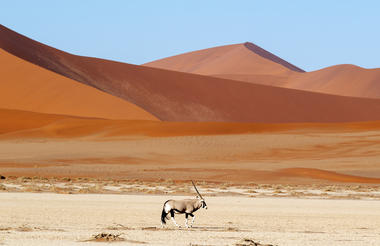


Set between the rolling dunes of the Namib Desert and the icy Atlantic coastline, Swakopmund is a relaxed seaside town in western Namibia known for its German colonial architecture, cool coastal climate, and adventurous spirit. Palm-lined streets, historic buildings, and ocean fog create an atmosphere unlike anywhere else in the country. Travellers visit for desert activities such as quad biking, sandboarding, and scenic flights over vast dunes and shipwreck-strewn shores. Cafés, bakeries, and small museums add to the town's laid-back charm, though the Atlantic waters are brisk rather than tropical. With its striking desert-meets-ocean setting and mix of adventure and history, Swakopmund is one of Namibia's most distinctive destinations.


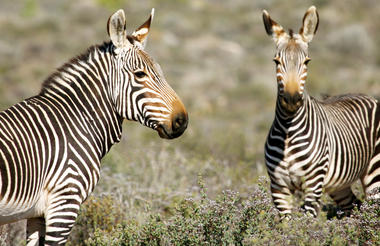
Situated in northwestern Namibia, the Brandberg, meaning 'Fire Mountain', Massif is Namibia’s highest peak, at its zenith, the Königstein (King’s Stone), standing at a whopping 2573 metres above sea level. Named for the vivid shade of orange it sometimes turns at sunset, this is undoubtedly the main highlight of the region. The Brandberg has been sacred to the San people for centuries. The Tsisab Ravine at its base is permeated with over 45 000 ancient San rock paintings, including the famous ‘White Lady’. Visitors flock here to view this unique bushman painting, said to be over 2000 years old. Other popular drawcards include its untouched natural beauty and its free-roaming wildlife such as mountain zebra, kudu, springbok, and desert elephant.
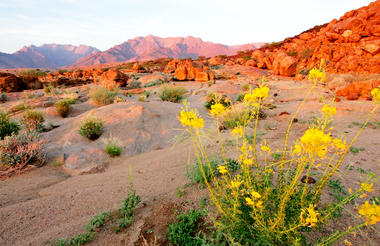
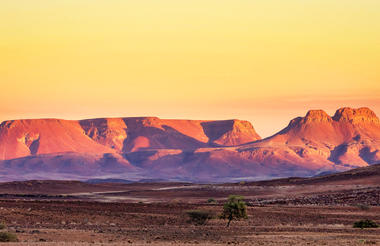
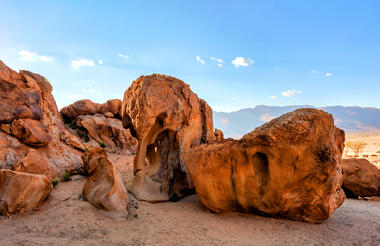
Located just south of the boundary of Etosha National Park in northwestern Namibia, Etosha South makes up the southern region of this wild paradise. The area is comprised of a collection of world class private game reserves. The national park can be accessed via the southern entrance at Andersson’s Gate. Visitors can catch a glimpse of a variety of wildlife including: lion, giraffe, elephant, white and black rhino, and a multitude of plains game. Popular activities include: enjoying an open 4x4 safari with an expert guide, half day or full day drives with the option of a picnic lunch with wine on the full day game drive.
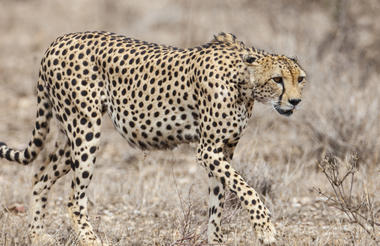
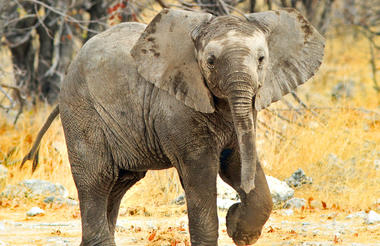
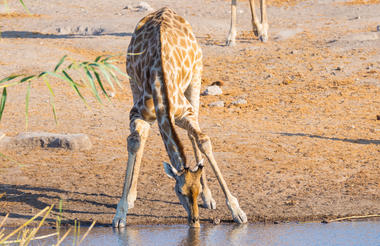
Tsumeb is the largest town in the Oshikoto region and the closest urban centre to the renowned Etosha National Park. It has been dubbed Namibia's 'Gateway to the North'. Tsumeb is also known for the famous Tsumeb Mine, and as having the greatest number of minerals in one place in the world. The region is rich in exquisite semi-precious gemstones which can be seen in their full glory at the Tsumeb Museum. Visitors can stop in at the Arts & Crafts Centre, the Tsumeb Cultural Village, and the Old Mine, which documents Namibia's rich history, before making their way to the famous Etosha natural area. Don't miss the opportunity to take in the town's raw and beautiful scenery in a different way: go skydiving with the Tsumeb Flying Club for a thrill of a lifetime.
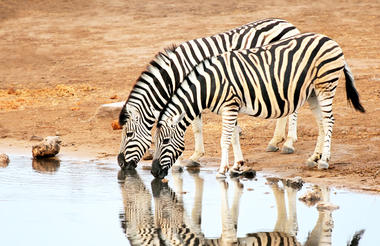
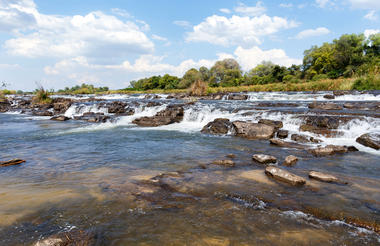
Set roughly 200 kilometres east of Rundu on the southeastern banks of the great Okavango River, the small village of Divundu is a wonderful destination from which to explore the river, game parks and national reserves of the area. Visitors can enjoy fishing or bird watching boat safaris, or visit the Mahango Game Park, which is home to herds of elephant as well as hippo, buffalo, giraffes, antelope, and many other animals. The spectacular Popa Falls, a dramatic series of cascades - are a popular must-see attraction. Divundu is also the perfect base for adventures in Botswana and the Okavango Delta.
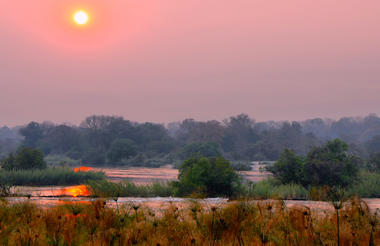
Situated on the southern edge of the Okavango Delta in northwestern Botswana, Maun is a laid-back safari town known as the gateway to one of Africa’s most remarkable wilderness regions. Dusty streets, scattered palms, and the slow-moving Thamalakane River give the town a relaxed frontier atmosphere, where safari vehicles and small bush planes are part of daily life. Travellers come to experience mokoro excursions through reed-lined delta channels, scenic flights above shimmering floodplains, and wildlife safaris into nearby game reserves. While Maun itself is functional rather than polished, its blend of local culture, open landscapes, and close access to untamed wilderness makes it an atmospheric and rewarding base for exploring the Okavango region.


The Khwai area of the Okavango lies along the northern boundary of the Moremi Game Reserve. Khwai Community Area has unfenced boundaries allowing wildlife to move freely between the woodlands in the wet season when water is plentiful and back to permanent rivers and lagoons in the dry season. The Khwai area offers the same wildlife experience as the Moremi Game Reserve with the added advantage of being a private concession, which means the ability to do walking safaris and night drives. Don't miss the opportunity to soak up beautiful views of the scenic landscape and spot an array of wildlife.


Situated 180 kilometres north of Francistown, the small village of Nata is a popular stopover between Maun and Kasane along the ‘game drive route’ (there is often a chance to catch a glimpse of wildlife along the way). The unique surrounding landscapes feature white sand, tall termite mounds, and Mokolwane palm trees. The Nata Sanctuary is a particular highlight for avid bird watchers, where lucky visitors can be rewarded with large flocks of Flamingos and Pelicans, which breed here each year. The town is also a perfect base for exploring the legendary and spectacular Makgadikgadi Pans, where quad biking and four-wheel-drive tours can be enjoyed.
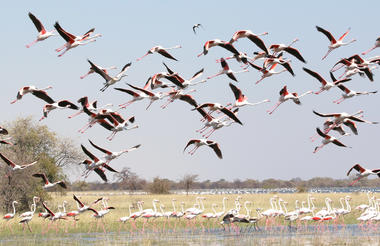
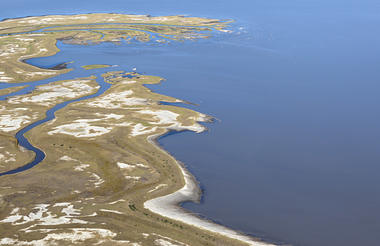
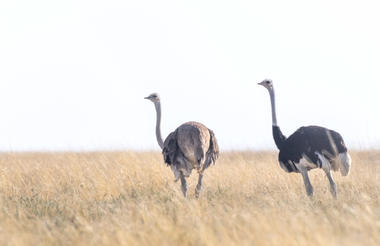
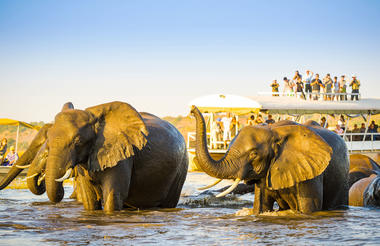
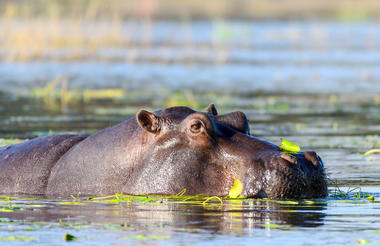
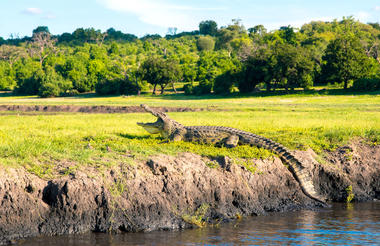
Situated in northeastern Botswana on the banks of the Chobe River, the town of Kasane is the main gateway to Chobe National Park and one of southern Africa's premier safari destinations. Renowned for its exceptional wildlife viewing, Kasane offers game drives and river cruises where visitors can encounter large herds of elephants, buffalo, hippos, and crocodiles, as well as abundant birdlife. Its location near the borders of Botswana, Namibia, Zambia and Zimbabwe also makes it a convenient base for exploring the wider region. Golden sunsets reflected on the river, the sounds of wildlife and a relaxed safari atmosphere combine to make Kasane an unforgettable destination for nature lovers.
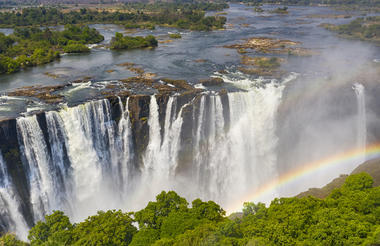
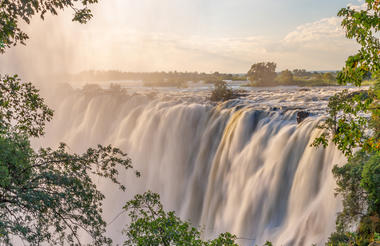
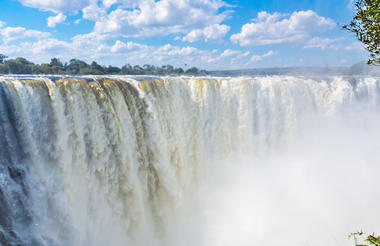
Known locally as Mosi-oa-Tunya—“The Smoke That Thunders”—Victoria Falls is one of the world’s great natural landmarks. Straddling the Zambezi River between Zambia and Zimbabwe, it forms a vast curtain of water that fills the air with mist and sound. The Zimbabwean side grants the most dramatic views, where mist rises like ghostly curtains and rainbows arc through the spray. Measuring about 1,708 metres across, it is regarded as the largest single continuous sheet of falling water on Earth. The adjacent town of Victoria Falls provides a convenient base for exploring the region, with a wide range of activities from scenic flights and microlight trips to white-water rafting, bungee jumping, kayaking, and safaris into Chobe National Park.