



Tanzania - Africa's Best Safari Destination - Home of the Serengeti National Park & the Roof Top of Africa, Mt Kilimanjaro
The name Tanzania evokes visions of sweeping savannahs filled with thundering wildebeest herds, mist-shrouded rainforests alive with monkeys and birds, and vast plains where Africa’s greatest wildlife roams free. From the snow-capped peak of Mount Kilimanjaro to the palm-fringed beaches of Zanzibar, Tanzania is a country of breathtaking contrasts and unparalleled natural beauty.
With its warm-hearted people, diverse cultures, and world-class destinations, Tanzania stands as one of Africa’s most captivating travel experiences — a place where adventure, relaxation, and discovery meet in perfect harmony.
Location and Geography
Situated in East Africa, Tanzania is bordered by Kenya and Uganda to the north, Rwanda, Burundi, and the Democratic Republic of Congo to the west, and Mozambique, Malawi, and Zambia to the south. To the east lies the glittering Indian Ocean, home to the idyllic Zanzibar Archipelago.
Covering nearly 950,000 square kilometres, Tanzania is one of Africa’s largest countries, encompassing vast plains, volcanic highlands, lush forests, and tranquil lakes — including Lake Victoria, Lake Tanganyika, and Lake Nyasa. This geographical diversity supports a remarkable array of wildlife, ecosystems, and cultures.
Top Attractions and Experiences
Tanzania offers travellers four main experiences, each distinct yet equally unforgettable:
1. Safari Adventures
Home to some of Africa’s most legendary parks, Tanzania’s northern and southern safari circuits offer unrivalled game viewing.
Serengeti National Park: Witness the Great Wildebeest Migration, one of the planet’s most extraordinary natural spectacles.
Ngorongoro Crater: Explore this UNESCO World Heritage Site teeming with wildlife in a spectacular volcanic setting.
Ruaha and Selous (Nyerere) National Parks: Discover vast, remote wilderness areas where elephants, lions, and leopards roam freely.
2. The Spice Islands of Zanzibar
Just off Tanzania’s coast lies Zanzibar, an enchanting island paradise of turquoise seas, coral reefs, and historic towns.
Relax on white-sand beaches in Nungwi, Paje, and Jambiani.
Explore Stone Town, a UNESCO-listed cultural treasure of winding alleys, carved doors, and spice markets.
Dive into world-renowned coral reefs, or sail on a traditional dhow into a golden sunset.
3. Mount Kilimanjaro
Rising to 5,895 metres, Mount Kilimanjaro is Africa’s highest peak and one of the world’s most iconic trekking destinations.
Climbers ascend through distinct ecological zones — from lush rainforest to alpine desert — before reaching the snow-capped Uhuru Peak, the “Roof of Africa.”
4. Marine and Coastal Adventures
Beyond Zanzibar, the Mafia and Pemba Islands offer spectacular diving and snorkelling in crystal-clear waters rich with marine life. The Tanga Coelacanth Marine Park provides sanctuary for rare species like the prehistoric coelacanth and gentle dugongs.
People and Culture
Tanzania’s true beauty extends beyond its landscapes — it lies in its people. Home to more than 120 ethnic groups, including the Maasai, Chaga, Sukuma, and Hadzabe, Tanzania is a tapestry of languages, traditions, and beliefs.
Despite this diversity, Tanzanians share a strong sense of unity and peace, bound together by Swahili — the nation’s lingua franca. Visitors are greeted with warmth and hospitality, experiencing the “Hakuna Matata” spirit that defines the country’s easy-going charm.
Local cuisine is a reflection of this cultural blend: from spiced coconut curries on the coast to nyama choma (grilled meat) and ugali (maize porridge) in the interior. Food, music, and storytelling are woven into daily life, enriching every travel experience.
Best Time to Visit
Dry Season (June – October): Ideal for safaris and mountain treks. Wildlife congregates around water sources, offering excellent game viewing.
Green Season (November – May): Perfect for birdwatching and lush landscapes. The calving season (January–February) in the Serengeti is particularly rewarding for photographers and wildlife enthusiasts.
Why Visit Tanzania
Tanzania is Africa in its purest form — wild, beautiful, and deeply soulful. Whether you’re watching elephants cross the Serengeti, exploring coral reefs off Zanzibar, or summiting Africa’s highest mountain, every moment feels timeless and awe-inspiring.
Add to that the warmth of the Tanzanian people and the rich blend of cultures, and you have a destination that captures the heart of every traveller.
With such an abundance of experiences — from safari plains to island retreats — the hardest part of your journey will simply be deciding where to go first.
Key Highlights
Serengeti National Park – Home of the Great Wildebeest Migration
Ngorongoro Crater – UNESCO World Heritage Site and wildlife sanctuary
Mount Kilimanjaro – Africa’s highest peak and iconic hiking destination
Zanzibar Archipelago – Historic Stone Town and idyllic beaches
Selous (Nyerere) National Park – One of Africa’s largest protected reserves
Warm, Welcoming People – Over 120 ethnic groups living in harmony
Arusha – The Safari Capital of Northern Tanzania
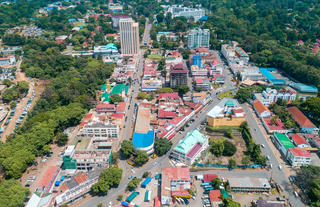
Resting at the foot of Mount Meru, the sprawling city of Arusha is often called the “Safari Capital” of Northern Tanzania. This vibrant hub serves as the perfect gateway to Tanzania’s iconic Northern Safari Circuit, offering easy access to some of the most famous wildlife destinations on the continent — including Serengeti National Park, Ngorongoro Crater, Tarangire, and Lake Manyara.
Blessed with a temperate climate, lush surroundings, and majestic mountain views, Arusha is more than a transit city — it’s a destination in its own right, offering cultural charm, adventure, and a taste of authentic Tanzanian life.
Location – Northern Tanzania
Arusha lies in northeastern Tanzania, approximately 90 kilometres (1.5 hours) southwest of Kilimanjaro International Airport and about 80 kilometres west of Moshi.
Perched at an elevation of 1,400 metres above sea level, the city enjoys cool, spring-like weather year-round and sits between Mount Kilimanjaro to the east and Ngorongoro Highlands to the west.
Its prime location makes it the starting point for most safaris across northern Tanzania and a convenient stopover for travellers en route to Mount Kilimanjaro or Zanzibar.
Unique Features
Gateway to the Northern Safari Circuit: Arusha is the launching point for trips to Serengeti, Ngorongoro, Tarangire, and Lake Manyara National Parks, making it the safari capital of East Africa.
Proximity to Two Great Mountains: The city sits beneath Mount Meru — Africa’s fifth-highest peak — and within sight of the snow-capped Mount Kilimanjaro, Africa’s tallest.
Arusha National Park: Just 30 minutes from the city, this underrated park features lush forests, alpine meadows, volcanic craters, and abundant wildlife, including giraffes, colobus monkeys, and flamingos.
Cultural Melting Pot: Home to Maasai, Meru, and other Tanzanian communities, Arusha offers rich cultural experiences, bustling markets, and friendly hospitality.
Activities in the Area
Arusha offers something for every traveller — from wildlife adventures to cultural immersion and mountain trekking:
Game Drives & Safaris: Use Arusha as your base to explore Serengeti, Ngorongoro Crater, Tarangire, and Lake Manyara — all within a few hours’ drive.
Arusha National Park: Take a day trip to this beautiful park for walking safaris, canoeing on Momella Lakes, and wildlife spotting beneath the slopes of Mount Meru.
Climb Mount Meru: Trek to the summit of Mount Meru (4,566 m), Africa’s fifth-highest mountain, for panoramic views of Kilimanjaro and the Rift Valley.
Cultural Tours: Visit Maasai villages, craft markets, and local farms to learn about Tanzanian traditions and crafts.
Coffee Tours: Explore the coffee plantations surrounding Arusha, where you can follow the process from bean to cup and sample Tanzania’s finest brews.
City Exploration: Stroll through Arusha Central Market, visit the Cultural Heritage Centre, or relax in one of the city’s cafés overlooking Mount Meru.
Day Trips: Enjoy excursions to Kilimanjaro National Park, Materuni Waterfalls, or nearby hot springs for a refreshing escape.
Travel Information
How to Get There
By Air:
Kilimanjaro International Airport (JRO) is the main gateway, located about 45 km (1 hour) from Arusha.
Alternatively, Arusha Airport (ARK) handles domestic flights from Dar es Salaam, Zanzibar, and Serengeti.By Road:
Arusha is well connected by highway to Moshi (80 km), Kilimanjaro, Tarangire, and Ngorongoro. Shuttle services also operate to Nairobi, Kenya (approximately 5–6 hours).
Travel Distances
Kilimanjaro International Airport → Arusha: ~1 hour (45 km)
Arusha → Moshi: ~1.5 hours (80 km)
Arusha → Tarangire National Park: ~2 hours (120 km)
Arusha → Lake Manyara National Park: ~2.5 hours (125 km)
Arusha → Ngorongoro Conservation Area: ~3.5 hours (190 km)
Arusha → Serengeti National Park (Central): ~6 hours (320 km)
Best Time to Visit
Dry Season (June – October & December – February):
Perfect for safaris and trekking, with clear skies and good wildlife visibility.Wet Season (March – May & November):
The city and its surroundings are lush and green, ideal for photography, birdwatching, and cultural tours.
Why Include Arusha in Your Tanzania Safari Itinerary
Arusha is the heartbeat of Tanzania’s safari adventures — a place where wildlife, culture, and mountains converge.
Its strategic location, vibrant atmosphere, and accessibility make it an essential stop for anyone exploring Northern Tanzania.
Whether you’re preparing to climb Mount Kilimanjaro, embark on a Serengeti safari, or simply relax amid mountain views and coffee aromas, Arusha offers the perfect balance of adventure and comfort.
Key Attractions
Mount Meru – Tanzania’s second-highest peak and a rewarding climb
Arusha National Park – giraffes, flamingos, forests, and craters
Serengeti & Ngorongoro Crater – world-famous safari destinations nearby
Cultural Heritage Centre – Tanzanian art, crafts, and history
Coffee Plantations – guided tours and tastings
Maasai Villages – cultural interaction and handicrafts
City Markets & Restaurants – local cuisine and vibrant culture


Lake Manyara National Park - Home of the Tree Climbing Lions
Lake Manyara National Park is a compact yet breathtakingly diverse safari destination, set at the base of the Great Rift Valley escarpment in northern Tanzania. Covering about 330 square kilometres, nearly 75% of which is occupied by the vast soda lake, the park is one of Tanzania’s most picturesque and ecologically rich reserves. Despite its modest size, Lake Manyara teems with wildlife, birdlife, and spectacular scenery — making it a must-visit stop on Tanzania’s Northern Safari Circuit.
Location and Ecosystems
Situated approximately 125 kilometres west of Arusha (a 2.5-hour drive), Lake Manyara lies conveniently between Tarangire National Park and the Ngorongoro Crater, forming part of the famous Northern Safari route. The park’s diverse ecosystems include lush groundwater forests nourished by underground springs, open grasslands, acacia woodlands, swampy floodplains, and the expansive alkaline lake itself.
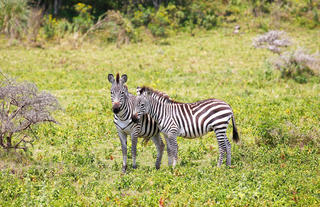
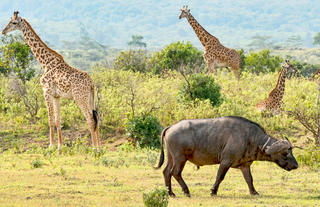
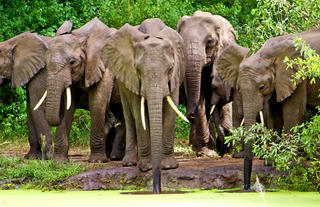
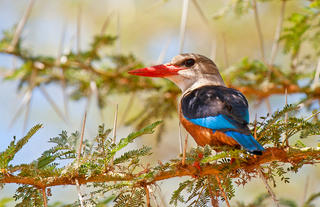
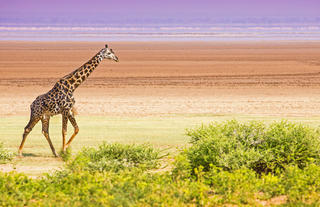
This incredible range of habitats supports a remarkable array of species — from baboons, elephants, and hippos to zebras, wildebeest, and giraffes. Over 400 bird species have been recorded here, making Lake Manyara a paradise for ornithologists and photographers alike.
Unique Features
Lake Manyara is best known for its tree-climbing lions, one of Africa’s rarest wildlife behaviours, offering an extraordinary sight for visitors. The park is also famous for its large elephant herds, diverse birdlife, and dramatic topography, with the Rift Valley escarpment rising steeply behind the lake to form an awe-inspiring backdrop.
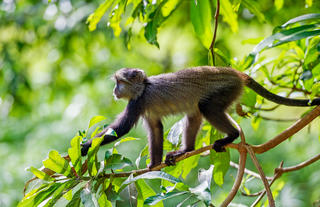
Whether you’re exploring the forest canopies alive with monkeys, the flamingo-filled shoreline, or the grassy plains dotted with buffalo and wildebeest, Lake Manyara delivers a true microcosm of Tanzania’s natural beauty.
The Great Rift Valley Escarpment
One of the park’s defining natural features is the 400-metre-high Rift Valley Escarpment, which towers over the lake below. Formed some 20–25 million years ago when the earth’s crust began to tear apart, this monumental geological formation runs the length of East Africa and is so vast it can even be seen from space.
The escarpment’s steep slopes and foothills support a wide range of vegetation and micro-ecosystems, from dense forests to grassy floodplains. Together with the soda lake and surrounding wetlands, these habitats sustain an incredible diversity of flora and fauna, making Lake Manyara a living showcase of nature’s resilience and complexity.
Excursions and Activities in Lake Manyara National Park
There’s much more to Lake Manyara than game drives — the park offers a variety of immersive activities for travellers seeking deeper experiences in nature and culture:
Night Game Drive: Experience the magic of the African bush after dark and encounter nocturnal species such as civets, genets, porcupines, and bush babies.
Canopy Walk / Treetop Walkway: Walk across suspended bridges up to 18 metres above the forest floor for panoramic views of the lush canopy and abundant birdlife.
Mountain Bike Tour: Explore the park’s surroundings and local communities by bike, perfect for adventurous travellers.
Cultural Tour – Mto wa Mbu: Visit the vibrant nearby village to experience local markets, banana farms, and traditional crafts.
Visit the Maasai Tribe: Discover the customs, dress, and traditions of Tanzania’s iconic pastoral people.
Visit the Hadzabe Tribe: Meet one of Africa’s last remaining hunter-gatherer tribes near Lake Eyasi for an authentic cultural encounter.
Travel Information
How to Get There
By Road: Lake Manyara National Park is about 125 km (2.5 hours) west of Arusha, accessible by well-paved roads. It’s ideally located between Tarangire and Ngorongoro, making it easy to combine with other safari destinations.
By Air: Regular scheduled flights connect Arusha, the Serengeti, and Zanzibar to Lake Manyara Airstrip, located just outside the park entrance — ideal for travellers on fly-in safaris.
Travel Distances
Arusha → Lake Manyara: 2.5 hours
Lake Manyara → Tarangire: 1 hour
Lake Manyara → Ngorongoro: 1 hour
Lake Manyara → Serengeti: 3.5 hours
Best Time to Visit
Dry Season (July – October): The best time to see large mammals such as elephants, giraffes, and lions as they gather near the lake and water sources.
Wet Season (November – June): Ideal for birdwatching, when migratory species arrive and the park is lush and green. Expect to see flamingos, pelicans, fish eagles, hornbills, hammertops, and bee-eaters.
Why Include Lake Manyara in Your Tanzania Safari
Lake Manyara National Park offers a perfect blend of scenery, wildlife, and accessibility. Its close proximity to Arusha, exceptional biodiversity, and variety of activities make it an ideal start or finish to any Northern Circuit safari.
Compact yet full of life, Lake Manyara allows travellers to experience a complete safari in just one day — from forest to floodplain, from flamingos to lions. Whether you’re a birdwatcher, wildlife enthusiast, or first-time safari-goer, this park promises an unforgettable encounter with Tanzania’s natural splendour.
Key Attractions
Tree-Climbing Lions – a rare and unforgettable sight
Large Elephant Herds and diverse wildlife including giraffes, hippos, and buffalo
Birdwatcher’s Paradise – flamingos, pelicans, storks, and raptors in abundance
Hot Springs (Maji Moto) – geothermal activity near the southern end of the lake
Rift Valley Escarpment Views – dramatic panoramas perfect for photography





Ngorongoro Crater – The World’s Largest Intact Caldera
Ngorongoro Crater is often called “Africa’s Garden of Eden” — a breathtaking natural amphitheatre teeming with wildlife. Formed from the collapse of a massive volcano over two million years ago, this UNESCO World Heritage Site is one of the most spectacular safari destinations in Africa. Covering about 260 square kilometres and standing at 2,200 metres above sea level, the crater floor supports one of the densest concentrations of wildlife found anywhere on Earth.
Location and Ecosystems - Northern Safari Circuit of Tanzania
The Ngorongoro Conservation Area lies in northern Tanzania, about 180 kilometres (3.5–4 hours’ drive) west of Arusha. It forms part of the famed Northern Safari Circuit, connecting Tarangire, Lake Manyara, and the Serengeti.
The crater’s varied ecosystems include lush grasslands, swamps, acacia woodlands, and a soda lake (Lake Magadi) that attracts flamingos and other waterbirds. Surrounding the crater rim are montane forests that host elephants, leopards, and a rich variety of birds. The mix of high-altitude terrain, fertile plains, and permanent water sources creates an ideal environment for both predators and prey.
Unique Features
Ngorongoro is the world’s largest intact volcanic caldera, with walls rising up to 600 metres high. It’s home to over 25,000 large mammals, including the Big Five — lion, elephant, buffalo, leopard, and the endangered black rhino.
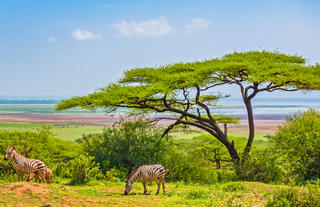
This is one of the few places in Africa where you can spot rhinos grazing alongside wildebeest, zebras, gazelles, and hyenas within the same sweeping landscape. The crater also provides refuge for hippos, flamingos, and numerous raptor species.
Beyond wildlife, Ngorongoro has deep cultural significance. The Maasai people still live and graze their cattle within the conservation area, maintaining traditions that coexist with wildlife in a rare example of sustainable living.
Excursions and Activities in Ngorongoro Crater
Game Drives: Descend 600 metres into the crater for one of the most dramatic safari experiences in the world.
Walking Safari: Explore the crater rim or nearby highlands with an armed ranger — ideal for spotting smaller fauna and enjoying panoramic views.
Birdwatching: Over 500 species recorded, including flamingos, crowned cranes, ostriches, and secretary birds.
Cultural Visits: Visit a Maasai boma to learn about traditional life, cattle herding, and the tribe’s coexistence with wildlife.
Empakaai and Olmoti Crater Hikes: Discover nearby volcanic craters surrounded by montane forests and scenic viewpoints.
Travel Information
How to Get There
By Road: The crater is about 180 km (3.5–4 hours) west of Arusha, accessible via a well-maintained tarmac road passing through Lake Manyara. The drive offers scenic views of the Rift Valley and Maasai villages.
By Air: Daily scheduled flights from Arusha, Serengeti, and Zanzibar land at Lake Manyara Airstrip (1 hour away), with road transfers up to the crater rim. Charter flights also land at Ngorongoro Airstrip for easy access.
Travel Distances
Arusha → Ngorongoro Crater: ~3.5–4 hours
Arusha → Arusha National Park: ~40 minutes
Arusha → Tarangire National Park: ~2 hours
Tarangire → Lake Manyara: 1 hour
Lake Manyara → Ngorongoro Crater: 1 hour
Lake Manyara → Serengeti: 3.5 hours
Best Time to Visit
Dry Season (July – October): The best time for game viewing, as animals gather on the open plains and grass is shorter. Visibility is excellent, and most roads are accessible.
Wet Season (November – June): The crater becomes lush and green, ideal for photography and birdwatching. Flamingos fill Lake Magadi, and the landscape is alive with newborn animals during the calving season (January–March).
Why Include Ngorongoro Crater in Your Tanzania Safari
Ngorongoro Crater offers one of the most iconic safari experiences in the world. Its combination of dramatic scenery, abundant wildlife, and cultural heritage makes it an essential stop on any Northern Tanzania itinerary.
Whether you’re witnessing lions on the crater floor, spotting endangered black rhinos, or taking in the breathtaking views from the rim, Ngorongoro delivers a once-in-a-lifetime safari experience unlike any other.
Key Attractions
The Big Five – lion, leopard, elephant, buffalo, and black rhino
Lake Magadi – flamingos and hippos in the soda lake
Ngorongoro Crater Rim Viewpoints – panoramic vistas and photography spots
Maasai Villages – cultural encounters and traditional pastoral life
Empakaai & Olmoti Craters – scenic hiking opportunities
Dense Wildlife Populations – one of the highest in Africa


Karatu – Gateway to the Ngorongoro Highlands
Nestled in the lush green hills of Tanzania’s northern highlands, the charming town of Karatu is a bustling hub and favourite stopover for travellers en route to the Ngorongoro Crater and Serengeti National Park.
Presided over by the majestic Ol Deani Volcano, Karatu offers a refreshing change of pace — a welcoming rural town surrounded by fertile farmland, coffee plantations, and traditional villages that showcase the beauty of everyday Tanzanian life.
With its vibrant markets, colourful local culture, and proximity to top safari destinations, Karatu is the perfect place to relax between game drives or to experience authentic community-based tourism.
Location – Northern Tanzania
Karatu lies in Tanzania’s Arusha Region, approximately 150 kilometres (about 3 hours) west of Arusha City on the main road leading to the Ngorongoro Conservation Area and Serengeti. It sits at an elevation of roughly 1,400 metres, enjoying a cool, temperate climate and beautiful views of the surrounding Ngorongoro Highlands and Rift Valley escarpment. The town’s convenient location makes it an ideal base for exploring the nearby national parks, cultural sites, and coffee farms of northern Tanzania.
Unique Features
Gateway to Ngorongoro and Serengeti: Karatu serves as the final stop before entering the Ngorongoro Conservation Area, making it a strategic resting point for safari travellers.
Set Beneath Ol Deani Volcano: The town is overlooked by the dramatic Ol Deani Volcano, whose fertile slopes are home to coffee plantations, small farms, and dense forest.
Cultural and Agricultural Heartland: Surrounded by vibrant villages, Karatu offers a genuine glimpse into rural Tanzanian life — from bustling open-air markets to traditional crafts and local cuisine.
Pleasant Climate and Scenery: The area’s highland elevation creates a mild, comfortable climate ideal for walking, cycling, and outdoor exploration.
Activities in the Area
Karatu is much more than a safari stopover — it’s a destination full of charm and character, offering a mix of cultural, culinary, and outdoor experiences:
Cultural Tours: Visit nearby Iraqw and Mbulu villages to learn about local customs, crafts, and farming practices.
Coffee Plantation Tours: Explore lush coffee farms to see how beans are cultivated and roasted, finishing with a freshly brewed cup.
Ngorongoro Forest Walks: Take a guided walk through the Ngorongoro Forest, where you may spot monkeys, birds, and hidden waterfalls or caves.
Market Visits: Wander through Karatu’s colourful market, alive with traders selling fresh produce, crafts, fabrics, and local artwork.
Biking and Hiking: Cycle or hike through scenic farmlands and rolling hills, taking in stunning views of the Rift Valley.
Local Brewery Tour: Sample locally brewed beer and meet the artisans behind one of Karatu’s best-loved community ventures.
Home Visits: Enjoy a traditional Tanzanian meal in a family home and learn about local daily life.
Travel Information
How to Get There
By Road: Karatu is located 150 km (about 3 hours) west of Arusha via a good tarmac road that passes through Mto wa Mbu and leads to the Ngorongoro Gate.
By Air: The nearest airstrips are Lake Manyara Airstrip (approx. 30 minutes away) and Ngorongoro Airstrip for chartered flights from Arusha, Serengeti, or Zanzibar.
Travel Distances
Arusha → Karatu: ~3 hours (150 km)
Karatu → Lake Manyara National Park: ~25 minutes (20 km)
Karatu → Ngorongoro Crater: ~1 hour (40 km)
Karatu → Serengeti (Ndutu Area): ~2.5 hours (120 km)
Karatu → Tarangire National Park: ~2 hours (120 km)
Best Time to Visit
Dry Season (June – October & December – February): Best for outdoor exploration, village tours, and hiking, with clear skies and easy road access.
Wet Season (March – May & November): The highlands are lush and green, ideal for photography and cultural experiences, though rainfall can make roads muddy.
Why Include Karatu in Your Tanzania Safari Itinerary
Karatu is more than a stopover — it’s a destination that offers a window into the heart of rural Tanzania.
Its proximity to the Ngorongoro Crater, Lake Manyara, and Serengeti, combined with its vibrant culture, welcoming atmosphere, and scenic highland beauty, make it a rewarding addition to any Northern Circuit itinerary.
Whether you’re hiking beneath Ol Deani, browsing the market, or enjoying fresh coffee overlooking the hills, Karatu promises a genuine, relaxed, and enriching Tanzanian experience.
Key Attractions
Ngorongoro Conservation Area – gateway to the world’s largest volcanic caldera
Ol Deani Volcano – scenic backdrop and hiking spot
Coffee Plantations – tours and tastings
Ngorongoro Forest – guided walks and waterfalls
Karatu Market – colourful local shopping and crafts
Iraqw Cultural Tours – traditional homesteads and heritage experiences
Local Brewery – taste Tanzania’s highland craft beer




Stone Town – The Cultural Heart of Zanzibar
Situated on the western coast of Zanzibar’s Unguja Island, Stone Town is a UNESCO World Heritage Site and the oldest part of Zanzibar City. This historic town serves as the island’s cultural and architectural heart — a captivating blend of African, Arab, Indian, and European influences shaped over centuries of trade and exchange.
Location
Stone Town lies along the western shoreline of Unguja, overlooking the turquoise waters of the Indian Ocean. Its strategic coastal position made it one of the most important trading ports in East Africa during the 19th century, particularly in the spice and slave trades.
Unique Features
- Historic Architecture - The town’s narrow, winding alleys are lined with grand Arab-style houses, intricate wooden carved doors, and beautifully aged coral stone buildings. Many structures date back to the 19th century and showcase Zanzibar’s multicultural legacy.
- Cultural Heritage - Stone Town’s unique identity reflects the centuries-long interaction between Swahili, Arab, Indian, and European cultures. This vibrant mix is visible in its architecture, cuisine, music, and local customs. The influence of Omani sultans, Indian merchants, and British colonials is woven into the town’s fabric, making it a living monument to East Africa’s maritime history.
- Cultural Landmarks - The town boasts a wealth of iconic sites including the House of Wonders — the first building in East Africa to feature running water and electricity — the Old Fort, the Sultan’s Palace, and Forodhani Gardens, where locals and travellers gather each evening for Zanzibar’s famous night market.
- Religious Diversity - Stone Town is home to over fifty mosques, six Hindu temples, and two cathedrals (Catholic and Anglican), each offering insight into Zanzibar’s deep spiritual and multicultural heritage.
Activities in the Area
Walking Tours: Explore the maze-like streets with a local guide to uncover hidden courtyards, historic sites, and vibrant markets.
Spice Tours: Visit aromatic distilleries and spice farms to learn why Zanzibar is called the Spice Island.
Cultural Excursions: Visit the Old Slave Market, Freddie Mercury’s House, and the Palace Museum to discover Zanzibar’s fascinating past.
Dhow Cruises: Sail into the sunset aboard a traditional dhow, gliding across the tranquil Indian Ocean.
Island Visits: Take a short boat ride to Changuu (Prison) Island to see its pristine beaches and giant Aldabra tortoises.
Travel Information
How to Get There
By Air: Daily flights connect Stone Town with Dar es Salaam, Arusha, and several international destinations.
By Sea: Regular ferries link Dar es Salaam to Zanzibar City (approximately 2 hours).
Best Time to Visit
Dry Season (June – October): Best for exploring the town on foot and enjoying coastal activities.
Short Rains (November – December): Pleasant weather with fewer tourists.
Why Visit Stone Town
Stone Town is a living museum — a place where history breathes through its architecture, culture, and people. Whether you’re exploring ancient alleys, sampling fragrant spices, or cruising into the sunset, the town offers a timeless journey through Zanzibar’s soul.
Key Attractions
House of Wonders
The Sultan’s Palace
The Old Fort & Forodhani Gardens
Changuu (Prison) Island
The Old Slave Market
Spice Tours & Markets
Sunset Dhow Cruises


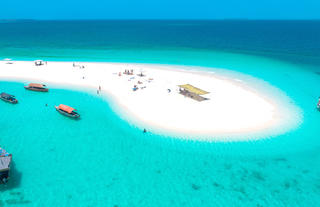

Dongwe – Zanzibar’s Serene Coastal Paradise
Located on the eastern coast of Zanzibar’s main island, Unguja, near the picturesque village of Paje, Dongwe is a tranquil seaside resort town known for its endless white-sand beaches, crystal-clear waters, and laid-back tropical charm. Just one hour’s drive from Stone Town, this idyllic destination is the perfect blend of luxury and natural beauty, offering visitors an unforgettable beach-island escape surrounded by lush vegetation and vibrant marine life.
Location
Dongwe lies along Zanzibar’s southeastern coastline, about 55 kilometres east of Stone Town, in the Michamvi Peninsula region. Overlooking the turquoise waters of the Indian Ocean, the town is bordered by dense tropical vegetation and an offshore coral reef that protects the lagoon, creating calm, shallow waters ideal for swimming, snorkelling, and diving.
Its convenient location makes it a popular stop for travellers exploring Zanzibar’s east coast, especially those staying near Paje, Bwejuu, or Michamvi.
Unique Features
Pristine, Secluded Beaches: Dongwe’s coastline is famed for its powdery white sands and clear blue waters, offering one of Zanzibar’s most peaceful and scenic stretches of beach.
Vibrant Marine Life: The offshore coral reef is home to colourful tropical fish, sea turtles, and other fascinating marine species, making it a paradise for snorkelers and divers.
Dolphin Encounters: The area is known for wild dolphin sightings, with boat tours offering the opportunity to swim alongside these graceful creatures.
Tropical Ambiance: Surrounded by lush palm forests and tranquil turquoise lagoons, Dongwe offers a perfect setting for rest and relaxation.
Stylish Beach Resorts: A selection of luxury and boutique lodges dot the coastline, featuring world-class hospitality, oceanfront dining, and rejuvenating spa experiences.
Activities in the Area
Dongwe offers a wonderful balance of adventure, relaxation, and culture, making it a must-visit along Zanzibar’s eastern coast:
Snorkelling & Diving: Explore coral gardens teeming with marine life just off the reef.
Swim with Wild Dolphins: Take a guided morning boat excursion for an unforgettable experience.
Beach Relaxation: Unwind on tranquil beaches or enjoy sunset cocktails overlooking the ocean.
Forest Excursions: Visit the nearby Jozani-Chwaka Bay National Park, home to the rare Zanzibar red colobus monkey.
Cultural Tours: Visit nearby fishing villages or spice plantations to experience authentic Zanzibari life.
Water Sports: Try kayaking, kite surfing (in nearby Paje), or stand-up paddleboarding.
Dining Experiences: Savour local seafood and Swahili cuisine, rich with Zanzibar’s famous spices.
Travel Information
How to Get There
By Road: Dongwe is about one hour (55 km) from Stone Town or Zanzibar International Airport, accessible by a scenic coastal drive through lush rural landscapes.
By Air: Fly into Abeid Amani Karume International Airport (ZNZ) near Stone Town, followed by a private transfer or taxi to Dongwe.
Travel Distances
Stone Town → Dongwe: ~55 km / 1 hour
Dongwe → Paje: ~10 km / 15 minutes
Dongwe → Michamvi Peninsula: ~15 km / 20 minutes
Dongwe → Jambiani: ~12 km / 20 minutes
Dongwe → Nungwi (north coast): ~90 km / 2 hours
Best Time to Visit
Dry Season (June – October): Ideal for beach holidays, diving, and dolphin tours.
Short Dry Season (January – February): Warm and calm seas perfect for water activities.
Green Season (March – May & November): Fewer visitors, lush landscapes, and quieter beaches.
Why Include Dongwe in Your Zanzibar Itinerary
Dongwe is one of Zanzibar’s most serene and unspoilt coastal destinations, ideal for travellers seeking tranquillity with a touch of luxury. Its proximity to Paje and Jozani Forest, combined with stunning beaches, world-class resorts, and marine adventures, makes it a perfect addition to any Zanzibar itinerary. Whether you’re swimming with dolphins, exploring coral reefs, or simply relaxing under swaying palms, Dongwe offers the quintessential Indian Ocean escape.
Key Attractions
Dongwe Beach
Coral Reef & Marine Life
Swim with Dolphins
Jozani-Chwaka Bay Forest Reserve
Water Sports & Diving Excursions
Luxury Beach Resorts & Spas
Traditional Zanzibari Cuisine & Spice Tours
Nearby Villages of Paje & Michamvi


