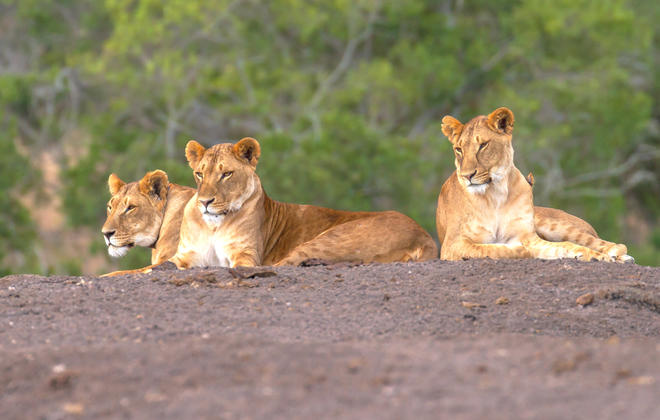
Kenya – A Safari Destination Second only to Tanzania
Resting within the magnificent Great Rift Valley and crowned by the snow-capped summit of Mount Kenya, this remarkable country is a land of dramatic contrasts and timeless African beauty. From the golden savannahs of the Maasai Mara to the tropical shores of the Indian Ocean, Kenya captures the very essence of Africa — wild, colourful, and full of life.
Renowned for its world-class wildlife, rich cultures, and breathtaking scenery, Kenya offers travellers an unforgettable blend of adventure, relaxation, and discovery.
Location and Geography
Located in East Africa, Kenya is bordered by Tanzania to the south, Uganda to the west, South Sudan to the northwest, Ethiopia to the north, and Somalia to the east. The country’s diverse landscapes include sweeping savannah plains, the forested highlands of the central plateau, the dramatic escarpments of the Great Rift Valley, and an idyllic Indian Ocean coastline.
At the heart of the country lies Nairobi, the vibrant capital known as “the safari capital of the world.” To the north rise the arid deserts of Turkana and Samburu, while to the south stretch fertile farmlands and vast wildlife reserves teeming with game.
Top Attractions and Experiences
Kenya offers travellers an incredible range of experiences that combine wildlife, culture, and coastal beauty:
1. Safari Adventures
Kenya’s national parks and reserves rank among the best in Africa.
Maasai Mara National Reserve: Famous for the Great Wildebeest Migration and home to the iconic “Big Five.”
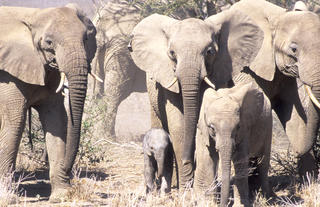
Amboseli National Park: Set against the backdrop of Mount Kilimanjaro, offering unforgettable elephant sightings.
Samburu, Tsavo, and Meru National Parks: Untamed landscapes with rare species and fewer crowds.
2. Mount Kenya and the Highlands
A UNESCO World Heritage Site and Africa’s second-highest mountain, Mount Kenya offers superb trekking through alpine forests and glacier-carved valleys. The surrounding highlands are lush and fertile, dotted with coffee estates, tea plantations, and colonial lodges.
3. The Coast and Islands
Kenya’s tropical coastline stretches for over 500 kilometres, lined with golden beaches and warm turquoise waters.
Mombasa and Diani Beach: Blend vibrant Swahili culture with modern beach resorts.
Lamu Island: A UNESCO-listed heritage town of narrow streets, dhow sails, and centuries-old architecture.
Watamu and Malindi: Offer excellent diving, snorkelling, and coral-reef exploration.
4. Cultural Encounters
Kenya’s cultural mosaic features more than 70 ethnic groups, including the Maasai, Samburu, Kikuyu, Turkana, and Swahili peoples. Visitors can experience traditional dances, colourful markets, and homestays that showcase Kenya’s warmth and hospitality.
People and Culture
Kenya’s people are its greatest treasure. United by the Swahili language and a shared sense of national pride, Kenyans embody the spirit of “Harambee” — pulling together in community and cooperation.
The nation’s diversity is reflected in its cuisine, music, and traditions: from spicy coastal curries to roasted nyama choma, rhythmic Afro-beat music, and timeless storytelling around evening fires. Kenya’s fusion of modern urban life and deep-rooted heritage creates a culture that is both vibrant and authentically African.
Best Time to Visit
Dry Season (June – October): Ideal for wildlife viewing, as animals gather near water sources and grasslands are open for easy spotting.
Green Season (November – May): Lush landscapes and superb birdwatching; baby animals fill the plains after the rains.
Coastal Season: The Indian Ocean beaches are at their best from December to March and July to October, when seas are calm and clear.
Why Visit Kenya
Kenya is a land of breathtaking beauty, abundant wildlife, and cultural richness. Whether witnessing the Great Migration in the Maasai Mara, diving among coral reefs off Lamu, or trekking beneath the shadow of Mount Kenya, every journey reveals another facet of this extraordinary country.
Its welcoming people, diverse ecosystems, and seamless blend of adventure and relaxation make Kenya one of Africa’s most inspiring destinations — a place where the spirit of safari was born.
Key Highlights
Maasai Mara National Reserve – The stage for the Great Wildebeest Migration
Amboseli National Park – Iconic elephants beneath Mount Kilimanjaro
Mount Kenya – Africa’s second-highest peak and UNESCO World Heritage Site
Lamu Island – Historic Swahili culture and tranquil island life
Diani Beach – Pristine coastline with world-class resorts and coral reefs
Warm, Welcoming People – Over 70 ethnic groups living in harmony
Nairobi – The Heartbeat of East Africa
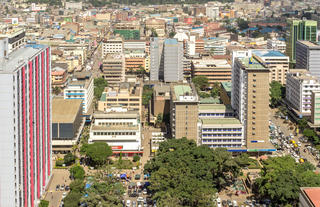
Situated along the Nairobi River, the bustling capital of Kenya is East Africa’s most cosmopolitan and dynamic city. Known as the “Green City in the Sun,” Nairobi seamlessly blends urban sophistication with wild, natural beauty — where modern skyscrapers and leafy avenues sit side by side with open savannah.
As Africa’s fourth-largest city, Nairobi serves as the gateway to Kenya’s world-famous safari destinations, offering both international connectivity and a wealth of local attractions. Whether you’re here to begin your safari adventure or soak up its vibrant urban culture, Nairobi promises a unique mix of energy, wildlife, and history.
Location – Central Kenya
Located in south-central Kenya, Nairobi sits at an altitude of 1,795 metres (5,889 ft), giving it a mild, spring-like climate year-round. The city lies roughly 480 kilometres inland from the Indian Ocean and is easily accessible from major African and global hubs.
Its strategic location makes it the perfect starting point for exploring Kenya’s renowned national parks — including Amboseli, Masai Mara, and Samburu — all within a few hours’ journey.
Unique Features
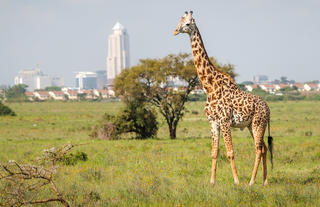
The World’s Only Urban National Park: Just 20 minutes from the city centre, Nairobi National Park is home to lions, buffaloes, giraffes, rhinos, and more, offering an extraordinary contrast between wildlife and city skyline.
Cultural & Historical Landmarks: From the Karen Blixen Museum, once home to the famed author of Out of Africa, to the Nairobi National Museum, which showcases Kenya’s heritage, the city is rich in cultural experiences.
Vibrant Urban Life: Nairobi’s café culture, art scene, and nightlife are among the best in Africa, with trendy restaurants, live music venues, and open-air markets adding to its cosmopolitan flair.
Wildlife Conservation Hub: The city hosts some of Africa’s most influential conservation organisations, including the David Sheldrick Wildlife Trust and Giraffe Centre.
Activities in the Area
Nairobi offers a fascinating mix of urban attractions, wildlife encounters, and cultural experiences:
Nairobi National Park: Enjoy a game drive where you can spot lions, rhinos, zebras, and buffalo against the backdrop of the city skyline.
David Sheldrick Wildlife Trust: Visit the world-renowned elephant and rhino orphanage to see rescued calves being fed and cared for — a truly heartwarming experience.
Giraffe Centre: Get up close to endangered Rothschild’s giraffes and even feed them by hand.
Karen Blixen Museum: Step back in time at the colonial home of the author of Out of Africa, located in Nairobi’s leafy suburb of Karen.
Nairobi National Museum: Explore Kenya’s cultural and natural heritage, from prehistoric fossils to tribal artefacts and art.
Kazuri Beads Women’s Cooperative: Witness the making of beautiful handcrafted ceramic beads and pottery, supporting local artisans.
Dining & Nightlife: Experience Nairobi’s eclectic restaurant scene, rooftop bars, and live music, ranging from Swahili flavours to international fusion.
Shopping & Markets: Browse Maasai Market for crafts and souvenirs, or explore Village Market and Two Rivers Mall for contemporary shopping.
Travel Information
How to Get There
By Air: Nairobi is served by Jomo Kenyatta International Airport (NBO), located 15 km southeast of the city centre, with direct flights from major global cities.
Wilson Airport handles domestic and charter flights to safari destinations such as Masai Mara, Amboseli, and Samburu.By Road: The city is well-connected by highway to Mombasa, Nakuru, and Arusha (Tanzania).
Travel Distances
Nairobi → Nairobi National Park: ~20 minutes (10 km)
Nairobi → Amboseli National Park: ~4 hours (240 km)
Nairobi → Lake Nakuru National Park: ~3 hours (160 km)
Nairobi → Masai Mara National Reserve: ~5–6 hours (270 km)
Nairobi → Arusha (Tanzania): ~5 hours (270 km)
Best Time to Visit
Dry Season (June – October & January – February): Best for sightseeing and wildlife viewing, with clear skies and minimal rain.
Wet Season (March – May & November – December): Ideal for lush scenery, birdwatching, and fewer crowds, though city traffic can be heavier during rains.
Why Include Nairobi in Your African Safari Itinerary
Nairobi is more than just Kenya’s capital — it’s the pulse of East Africa, where the spirit of the wild meets modern urban life.
From lion sightings just minutes from the city to vibrant markets, museums, and conservation centres, Nairobi perfectly balances adventure, culture, and comfort.
It’s the ideal launching pad for Kenya’s legendary safaris, yet also a destination worth lingering in — full of energy, diversity, and unforgettable encounters.
Key Attractions
Nairobi National Park – world’s only urban game reserve
David Sheldrick Wildlife Trust – elephant & rhino orphanage
Giraffe Centre – feed endangered Rothschild’s giraffes
Karen Blixen Museum – literary and colonial history
Nairobi National Museum – art, culture, and heritage exhibits
Kazuri Beads Factory – handmade crafts supporting women
Maasai Market – colourful crafts and souvenirs
Nairobi Nightlife & Dining – vibrant restaurants and live music



Masai Mara National Reserve – Kenya’s Iconic Safari Heartland
The Masai Mara National Reserve is one of Africa’s most spectacular wildlife destinations, a vast expanse of savannah, acacia woodland, and rolling plains that captures the essence of Kenya’s safari heritage. Covering over 1,500 square kilometres in the country’s southwestern region, the reserve forms the northern extension of Tanzania’s Serengeti ecosystem, together creating one of the most productive and celebrated wildlife areas on Earth.
The Masai Mara’s sweeping landscapes teem with life year-round — from massive herds of plains game to apex predators — and it remains the stage for one of nature’s most breathtaking spectacles: the Great Wildebeest Migration.
Location and Ecosystem – Southwestern Kenya
The Masai Mara National Reserve lies about 270 kilometres (5–6 hours’ drive) west of Nairobi, within Narok County, bordering Serengeti National Park to the south. The reserve’s diverse ecosystem includes open grasslands, riverine forests, and acacia-dotted savannahs, all sustained by the Mara and Talek Rivers that meander through the park.
The fertile plains and permanent water sources attract an incredible concentration of wildlife, making the Mara one of the most reliable year-round game-viewing destinations in Africa.
Unique Features
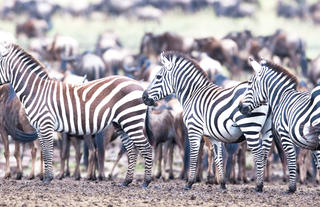
The Great Wildebeest Migration: Often called the “Greatest Wildlife Show on Earth,” this natural phenomenon sees around 1.7 million wildebeest, accompanied by hundreds of thousands of zebras and gazelles, cross the Mara River between July and September from the Serengeti in search of greener pastures.
Big Five Territory: The reserve is home to elephant, lion, leopard, buffalo, and rhino, offering one of the best chances in Africa to see all five in one place.
Predator Paradise: Lions, cheetahs, leopards, and hyenas thrive here, with frequent sightings — especially during the migration when prey is abundant.
The Mara River: Flowing through the reserve, it is home to hippopotamuses, crocodiles, and dramatic river crossings during the migration.
Rich Birdlife: With over 450 recorded species, the Mara is a birdwatcher’s paradise, featuring lilac-breasted rollers, ostriches, crowned cranes, and raptors like the martial eagle.
Masai Culture: The surrounding Maasai communities maintain their traditional pastoral lifestyle, offering cultural visits that reveal the deep connection between people, cattle, and land.
Activities in the Area
The Masai Mara offers a range of unforgettable safari experiences suitable for all types of travellers:
Game Drives: Experience early morning and sunset safaris across the plains in search of lions, elephants, and wildebeest herds.
Hot Air Balloon Safaris: Drift above the Mara at sunrise for a breathtaking aerial view of the landscapes and wildlife below.
Walking Safaris: Accompanied by Maasai guides, explore the bush on foot for an intimate look at the ecosystem’s smaller wonders.
Cultural Visits: Visit a Maasai manyatta (village) to learn about local traditions, beadwork, and the community’s coexistence with wildlife.
Birdwatching: Discover the park’s rich avifauna along the rivers and woodlands, home to rollers, eagles, vultures, and waterfowl.
Photography Safaris: The Mara’s vast skies, golden light, and dramatic animal interactions make it a paradise for wildlife photographers.
Travel Information
How to Get There
By Road: Approximately 270 km (5–6 hours) west of Nairobi, accessible via Narok or Sekenani Gate. The journey offers scenic views of the Great Rift Valley.
By Air: Daily scheduled flights from Nairobi’s Wilson Airport to Mara’s airstrips (Keekorok, Ol Kiombo, Musiara, etc.) take about 45 minutes.
Travel Distances
Nairobi → Masai Mara: ~270 km / 5–6 hours
Masai Mara → Lake Nakuru: ~5 hours (250 km)
Masai Mara → Serengeti National Park (via Isebania Border): ~3 hours
Masai Mara → Amboseli National Park: ~6–7 hours (400 km)
Best Time to Visit
Dry Season (July – October): Peak of the Great Migration, offering spectacular game viewing and river crossings.
Wet Season (November – June): Lush landscapes, fewer tourists, and excellent year-round resident wildlife viewing — ideal for birdwatching.
Why Include Masai Mara in Your African Safari
The Masai Mara National Reserve is Kenya’s flagship safari destination — a place where the rhythms of the wild play out in breathtaking drama. From the thunder of the Great Migration to the quiet moments of sunrise over the plains, the Mara delivers some of the most intense, authentic, and beautiful wildlife encounters on the continent.
Whether you come for photography, adventure, or simply to witness nature in its purest form, the Masai Mara stands as the ultimate expression of Africa’s untamed spirit.
Key Attractions
The Great Wildebeest Migration (July – September)
Big Five and Predator Sightings Year-Round
Mara River – Crocodiles and Hippos
Over 450 Bird Species
Hot Air Balloon Safaris
Cultural Visits to Maasai Villages
Scenic Plains and Golden Savannah Landscapes
Connection to Serengeti National Park (Tanzania)


Nakuru – The Heart of Kenya’s Rift Valley Highlands
Set on the shores of Lake Nakuru in the Great Rift Valley, Nakuru is a lively and fast-growing city that beautifully blends nature, culture, and commerce. As the capital of Nakuru County and one of Kenya’s most important urban centres, the city offers easy access to some of the country’s most remarkable natural and historical attractions while retaining its warm, small-city charm.
Location – Rift Valley, Central Kenya
Nakuru lies about 160 kilometres northwest of Nairobi, connected by the modern A104 highway. Resting at an elevation of roughly 1,850 metres, the city enjoys a pleasant climate and serves as a strategic gateway to Lake Nakuru National Park, Menengai Crater, and other Rift Valley wonders.
Its location makes it a convenient base for exploring both the central highlands and western Kenya.
Unique Features
Vibrant City in the Valley
Nakuru has grown from a railway outpost into a cosmopolitan hub with a mix of modern shopping malls, lively markets, hotels, and restaurants. Visitors can enjoy Kenyan cuisine, cultural festivals, and friendly hospitality in a setting that feels both urban and laid-back.
Gateway to Natural Attractions
Just outside town lies the Menengai Crater, a vast volcanic caldera offering hiking trails and panoramic views of the Rift Valley. The city also borders Lake Nakuru National Park, renowned for its rhinos, flamingos, and other wildlife.
Rich History and Heritage
The Hyrax Hill Prehistoric Site, located a few kilometres from town, provides a fascinating glimpse into Kenya’s ancient past with excavated artefacts and early settlement remains dating back millennia.
Activities around Nakuru
Hike the Menengai Crater: Climb to the rim of this ancient volcano for sweeping views and descend to its forested floor for guided nature walks.
Explore Nakuru Town: Visit bustling markets for souvenirs, crafts, and fresh local produce, or relax in one of the city’s vibrant cafés.
Visit Hyrax Hill Museum: Learn about the area’s prehistoric heritage through well-curated exhibits and archaeological finds.
Wildlife Excursions: Take a short drive to Lake Nakuru National Park to see rhinos, lions, giraffes, and abundant birdlife.
Cultural Experiences: Engage with local communities to experience traditional cuisine, music, and daily Kenyan life.
Travel Information
By Road: Nakuru is 2.5–3 hours from Nairobi via the A104 highway, with frequent public and private transport options.
By Air: Naishi Airstrip and Nakuru Airfield serve charter flights and regional connections.
Travel Distances
Nairobi → Nakuru: ~160 km / 2.5–3 hours
Nakuru → Menengai Crater: ~10 km / 20 minutes
Nakuru → Hyrax Hill: ~4 km / 10 minutes
Best Time to Visit
Dry Season (June – September & December – February): Comfortable temperatures and clear skies make this ideal for hiking, sightseeing, and outdoor activities.
Wet Season (March – May & October – November): The landscapes around Nakuru turn lush and green, and local cultural life thrives — perfect for travellers seeking a more relaxed, authentic experience.
Why Visit Nakuru
Nakuru offers an inspiring mix of urban energy, cultural heritage, and natural beauty. Whether you’re exploring its markets, hiking ancient volcanic trails, or using the city as a base for safaris and lake excursions, Nakuru provides a welcoming and convenient stop in the heart of Kenya’s Rift Valley.
With its friendly locals, rich history, and easy access to major attractions, Nakuru stands as one of Kenya’s most rewarding inland destinations.
Key Attractions
Menengai Crater – Dramatic volcanic landscapes and panoramic views
Hyrax Hill Museum – Archaeological site tracing Kenya’s ancient past
Lake Nakuru National Park – Nearby wildlife haven and birdwatcher’s paradise
Bustling Markets & Local Cuisine – Authentic Rift Valley culture
Warm, Welcoming People – A true reflection of Kenya’s hospitality


Shaba National Reserve – The Land of Lions and Lava Landscapes
Neighbouring the striking Samburu National Reserve in northern Kenya, Shaba National Reserve is a wild, remote, and enchantingly beautiful destination defined by its volcanic terrain, arid savannahs, and the iconic Ewaso Ng’iro River. Rising dramatically from the surrounding plains, the extinct Mount Shaba volcano forms the reserve’s heart, giving the area a rugged, otherworldly character that sets it apart from other northern parks.
Famed as one of the homes of Elsa the lioness from Joy Adamson’s Born Free, Shaba is steeped in both natural splendour and cultural heritage. Its vast open spaces, striking landscapes, and exceptional wildlife encounters make it a must-visit destination for travellers seeking authentic wilderness experiences in Kenya’s north.
Location and Ecosystem – Northern Kenya
Situated in Isiolo County, Shaba National Reserve covers an area of approximately 239 square kilometres and forms part of the trio of adjoining reserves alongside Samburu and Buffalo Springs. The reserve lies about 340 kilometres (6–7 hours’ drive) north of Nairobi, with the Ewaso Ng’iro River marking its southern boundary.
The reserve’s ecosystem is a mosaic of dry acacia woodland, doum palm groves, riverine forests, and volcanic rock outcrops, with patches of grassland nourished by underground springs. Despite the harsh climate, this combination of habitats supports a surprising diversity of wildlife, birdlife, and plant species.
Unique Features
Mount Shaba Volcano: The extinct Mount Shaba, rising from the plains, dominates the landscape with its lava-strewn slopes and panoramic viewpoints — a striking reminder of the area’s volcanic origins.
‘Born Free’ Heritage: Shaba gained fame as one of the homes of Joy and George Adamson and Elsa the lioness, the stars of Born Free. Visitors can visit the Joy Adamson Museum, which celebrates her pioneering conservation work.
Ewaso Ng’iro River: Flowing along the reserve’s edge, this life-giving river sustains wildlife and creates a lush riverine corridor of acacia, fig, and tamarind trees contrasting with the surrounding arid plains.
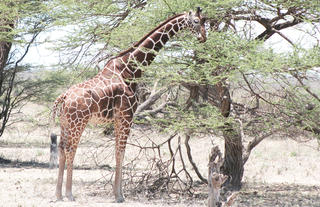
Northern Kenya’s Rare Species (The Samburu Special Five): Shaba is home to reticulated giraffe, Grevy’s zebra, Beisa oryx, Somali ostrich, and gerenuk — unique species adapted to the dry, open environment.
Spectacular Scene: Shaba’s landscape blends rugged volcanic rock, red-earth plains, and oases of palm-fringed springs, creating one of the most photogenic wildernesses in Kenya.
Cultural Richness: The reserve lies within Samburu territory, where traditional villages preserve age-old pastoralist culture and customs.
Activities in the Area
Shaba National Reserve offers a range of exciting experiences for nature lovers, photographers, and culture seekers alike:
Game Drives: Discover the Samburu Special Five and other wildlife including lion, leopard, elephant, cheetah, buffalo, dik-dik, and warthog, often seen along the Ewaso Ng’iro River.
Cultural Visits: Visit nearby Samburu villages to experience traditional life, beadwork, and dancing ceremonies — an authentic glimpse into northern Kenya’s culture.
Birdwatching: Spot some of the 350 bird species recorded in the reserve, including vultures, starlings, bustards, hornbills, and bee-eaters.
Hiking & Nature Walks: Explore the lava-strewn hillsides and rocky outcrops with local guides for stunning views of the surrounding plains.
Visit the Joy Adamson Museum: Learn about Joy Adamson’s wildlife conservation legacy and her connection to Shaba and Born Free.
Photography:Capture the contrast between black volcanic rock, golden grasslands, and emerald riverbanks, set beneath vast open skies.
Travel Information
How to Get There
By Road: Shaba is approximately 340 km (6–7 hours) north of Nairobi, accessible via Isiolo town and the A2 highway. The route is best travelled in a 4x4 vehicle.
By Air: Charter and scheduled flights from Nairobi’s Wilson Airport land at Shaba Airstrip, approximately 1 hour away by air.
Travel Distances
Nairobi → Shaba National Reserve: ~340 km / 6–7 hours
Shaba → Buffalo Springs: ~30 minutes drive
Shaba → Samburu National Reserve: ~45 minutes drive
Shaba → Mount Kenya National Park: ~4 hours (200 km)
Best Time to Visit
Dry Season (June – October & January – February): Ideal for wildlife viewing as animals gather along the river and springs. Roads are also most accessible during this time.
Wet Season (March – May & November – December): The scenery becomes lush and green, and birdlife flourishes, though access can be more challenging.
Why Include Shaba National Reserve in Your Kenya Safari
Shaba National Reserve is the perfect destination for travellers seeking seclusion, scenic splendour, and rich wildlife encounters away from the crowds. Its volcanic beauty, unique northern species, and cultural depth make it an inspiring addition to any safari itinerary.
From watching elephants at the Ewaso Ng’iro River to exploring the landscapes that inspired Born Free, Shaba invites visitors to experience Kenya’s wild northern frontier in its purest form.
Key Attractions
Mount Shaba Volcano – Extinct and Majestic Landmark
Home of Elsa the Lioness & Joy Adamson Museum
The Samburu Special Five – Unique Northern Species
Ewaso Ng’iro River & Riverine Forests
Over 350 Bird Species
Volcanic Outcrops & Lava Plains
Cultural Encounters with Samburu Communities
Connection to Buffalo Springs & Samburu Reserves


Ol Pejeta Conservancy – A Haven for Rhinos and the Big Five
Resting at the foothills of Mount Kenya and the Aberdare Mountain Range, the Ol Pejeta Conservancy in Laikipia County, central Kenya, is one of Africa’s most successful models of wildlife conservation. Spanning 360 square kilometres, it is the largest black rhino sanctuary in East Africa and one of Kenya’s most inspiring private reserves.
A pioneering example of sustainable tourism, Ol Pejeta seamlessly blends wildlife protection, community development, and cattle ranching, creating a sanctuary where both nature and people thrive. Visitors can encounter Africa’s Big Five, learn about vital conservation efforts, and explore the stunning landscapes of central Kenya in an unforgettable setting.
Location – Central Kenya, Laikipia County
Ol Pejeta Conservancy is located in Laikipia County, about 200 kilometres (3.5–4 hours) north of Nairobi, between Mount Kenya to the east and the Aberdare Range to the west. Its high-altitude location gives it a cool, temperate climate and panoramic views of snow-capped peaks and rolling savannah.
The conservancy’s position within the Laikipia Plateau places it at the heart of Kenya’s northern wildlife corridor, connecting Mount Kenya National Park to Samburu and beyond.
Unique Features
Largest Black Rhino Sanctuary in East Africa: Home to more than 150 black rhinos, Ol Pejeta plays a crucial role in protecting one of Africa’s most endangered species.
Last Remaining Northern White Rhinos: The conservancy is home to the world’s last two northern white rhinos, cared for under 24-hour armed protection and pioneering assisted reproduction programs.
Chimpanzee Sanctuary: The Sweetwaters Chimpanzee Sanctuary, established with the Jane Goodall Institute, provides a refuge for rescued and orphaned chimpanzees — the only one of its kind in Kenya.
Big Five & Beyond: Alongside rhinos, visitors can see lion, leopard, elephant, buffalo, and a host of other wildlife including zebra, giraffe, cheetah, hyena, hippo, and antelope species.
Conservation Innovation: Ol Pejeta integrates livestock farming with wildlife conservation, supporting both biodiversity and the livelihoods of local communities.
Activities in the Area
Ol Pejeta offers one of the most diverse safari experiences in Kenya, combining wildlife adventure with education and community engagement:
Game Drives: Experience thrilling day and night game drives to spot the Big Five, predators, and nocturnal species such as aardvark and serval.
Guided Bush Walks: Enjoy walking safaris with expert guides to track animals on foot and learn about the ecosystem’s plants and smaller creatures.
Rhino & Chimpanzee Encounters: Visit the Northern White Rhino enclosure and Sweetwaters Chimpanzee Sanctuary to learn about groundbreaking conservation work.
Horseback Safaris: Explore the plains on horseback, riding alongside rhinos and other wildlife in a truly unique experience.
Lion Tracking: Join researchers in the field to help track and monitor lion populations — an immersive and educational adventure.
Cycling Safaris: For the adventurous, cycle through designated areas of the conservancy surrounded by incredible scenery.
Cultural Visits: Meet local Laikipia Maasai and Pokot communities and see how wildlife conservation supports local livelihoods.
Photography & Sundowners: Enjoy panoramic views of Mount Kenya, ideal for photography and evening sundowners in the wild.
Travel Information
How to Get There
By Road: Ol Pejeta is located about 200 km (3.5–4 hours) north of Nairobi via Nanyuki along the A2 Highway. The roads are paved and well-maintained.
By Air: Nanyuki Airstrip is just 20 minutes from the conservancy’s main gate, with daily scheduled flights from Nairobi’s Wilson Airport (approx. 45 minutes).
Travel Distances
Nairobi → Ol Pejeta Conservancy: ~3.5–4 hours (200 km)
Nanyuki → Ol Pejeta Conservancy: ~30 minutes (17 km)
Ol Pejeta → Mount Kenya National Park: ~1 hour (50 km)
Ol Pejeta → Samburu National Reserve: ~3.5 hours (180 km)
Best Time to Visit
Dry Season (June – October & January – February): Excellent for game viewing, with animals congregating around water sources and clear skies for Mount Kenya views.
Wet Season (November – May): The conservancy is lush and green, ideal for birdwatching, photography, and fewer crowds, though roads may be muddy at times.
Why Include Ol Pejeta Conservancy in Your African Safari Itinerary
Ol Pejeta Conservancy is not just a safari destination — it’s a beacon of modern conservation and a place where travellers can directly contribute to protecting endangered species.
Its combination of the Big Five, the last northern white rhinos, and groundbreaking conservation initiatives makes it one of the most meaningful and memorable safari experiences in Africa.
Set against the backdrop of Mount Kenya, Ol Pejeta offers an unforgettable blend of wildlife encounters, sustainability, and community spirit — a true reflection of Kenya’s natural and cultural heritage.
Key Attractions
Northern White Rhino Sanctuary – home to the last two of their kind
Black Rhino Conservation – East Africa’s largest sanctuary
Sweetwaters Chimpanzee Sanctuary – rescue centre for chimpanzees
Big Five Game Viewing – abundant wildlife and predators
Horseback & Walking Safaris – unique and immersive experiences
Lion Tracking & Night Drives – conservation-based adventures
Mount Kenya Views – spectacular backdrop to the savannah
Community & Cultural Tours – insight into Laikipia’s people and projects