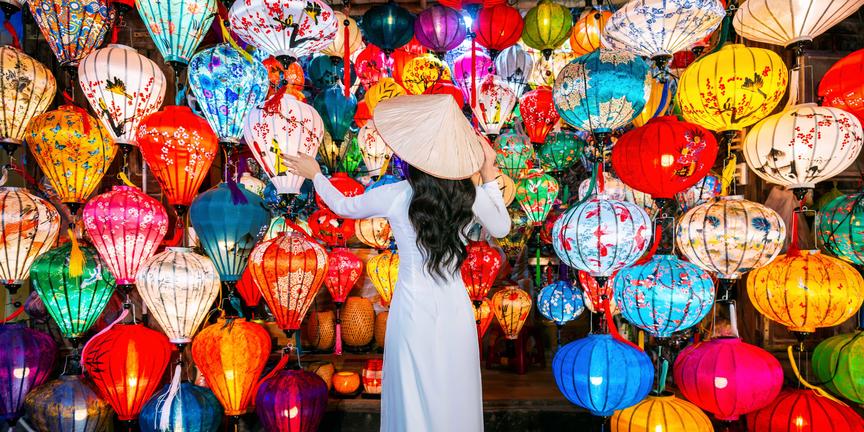
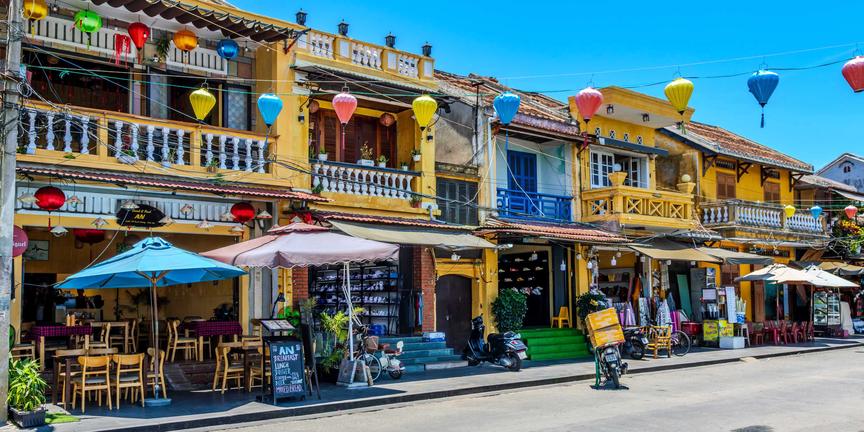
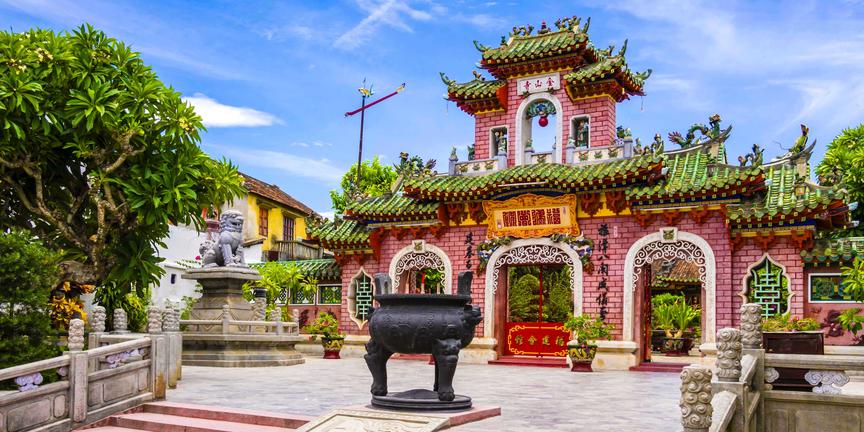
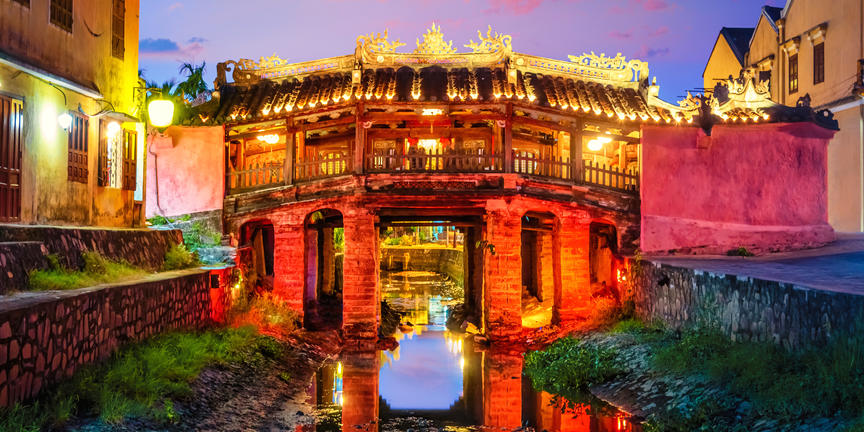
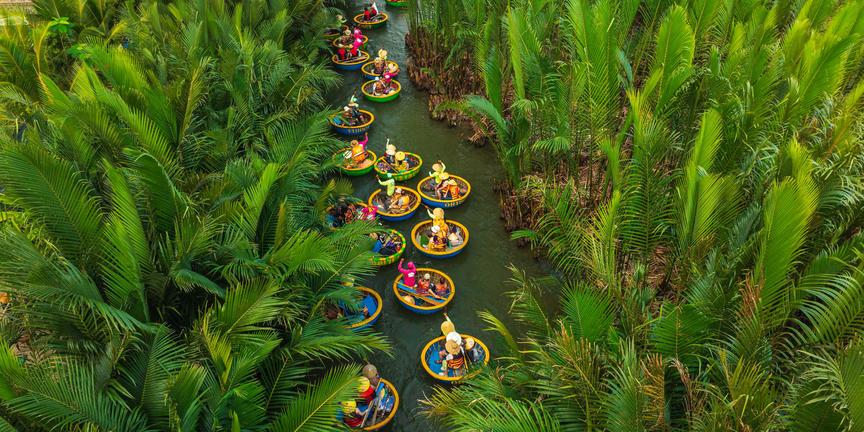
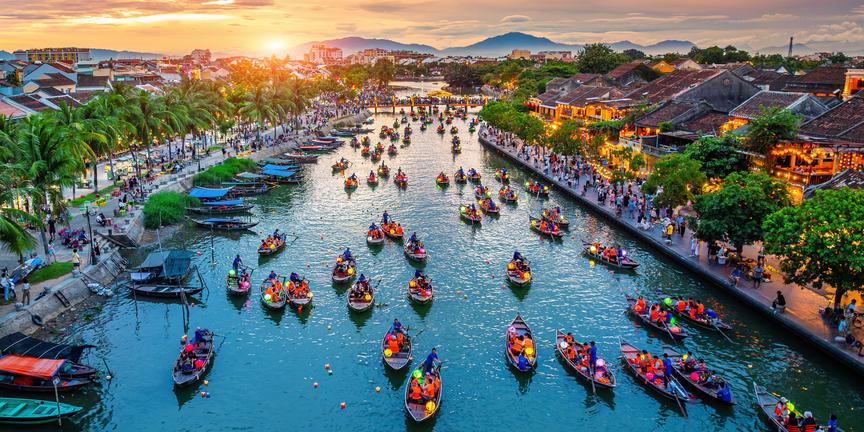
Hoi An is a historic riverside town on Vietnam's central coast, around 30 kilometres south of Da Nang. Once a prosperous trading port, the town is home to a remarkably well-preserved Old Town designated as a UNESCO World Heritage Site, with ochre-coloured buildings, ornate temples, wooden merchant houses and atmospheric lantern-lit streets. The town offers a distinctive blend of Vietnamese, Chinese and Japanese influences, reflected in its architecture, cuisine and traditions. Travellers can wander the narrow lanes, explore the bustling market, take a boat along the Thu Bon River or cycle through the surrounding countryside and rice paddies. Hoi An is also known for its tailors, making it popular for custom-made clothing, while nearby An Bang Beach offers an opportunity to combine cultural sightseeing with time on the coast.
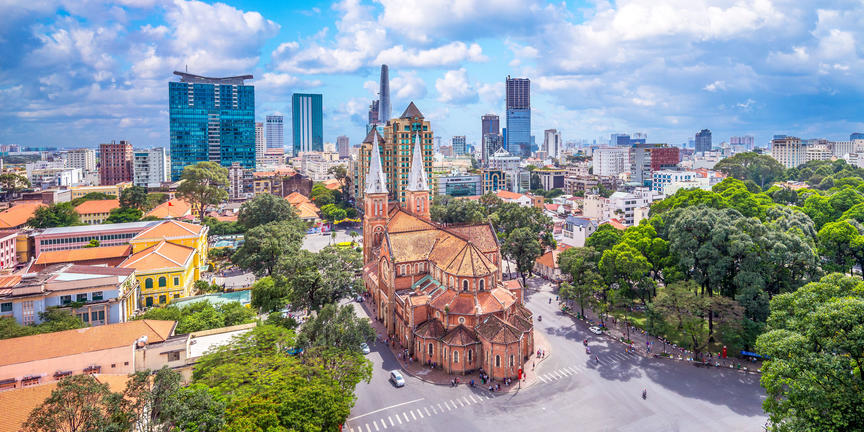
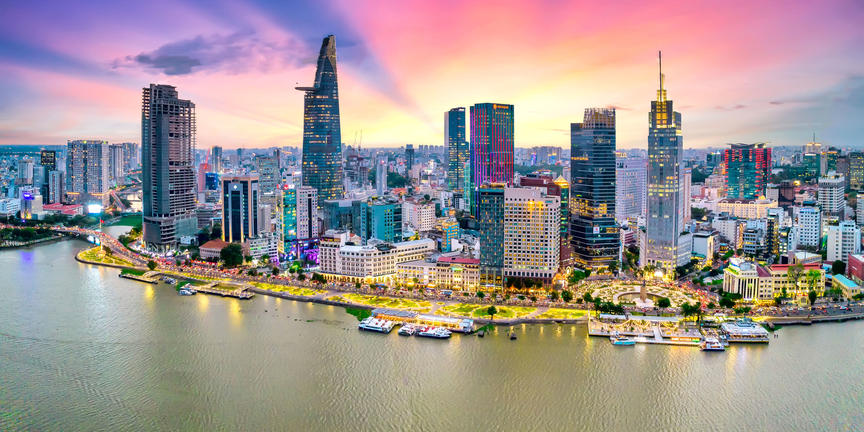
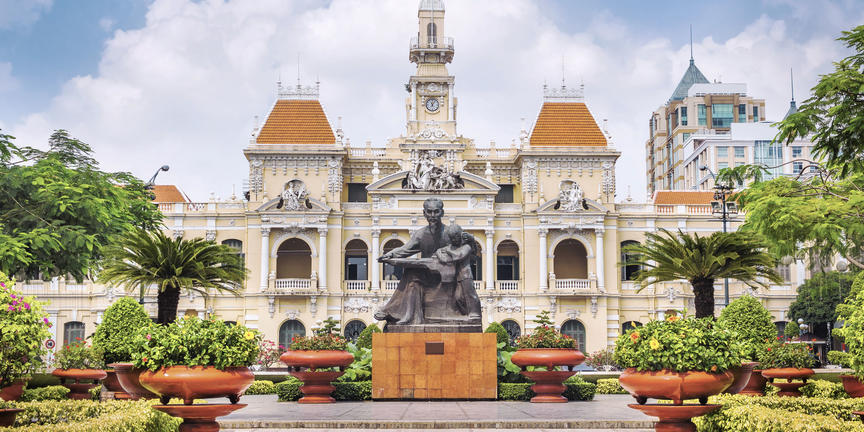
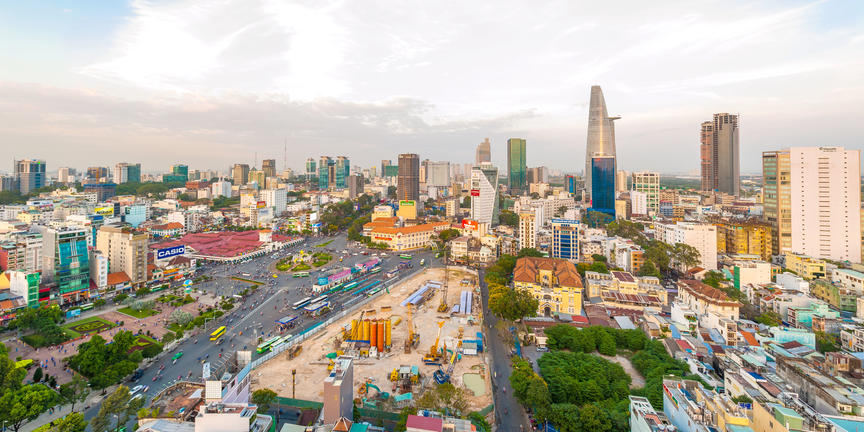
Located in southern Vietnam, Ho Chi Minh City (formerly Saigon) is the country’s largest city and a vibrant destination known for its energy, history, culture and cuisine. Tourists are drawn to its lively streets, bustling markets and fascinating mix of historic landmarks and modern city life. At Ben Thanh Market, visitors can browse stalls selling everything from food, sweets and spices to souvenirs, clothing and custom-made suits. Nha Hang Ngon offers the chance to sample traditional Vietnamese street food in a relaxed, leafy garden setting. Other highlights include the striking Notre-Dame Basilica, the Jade Emperor Pagoda with its intricate statues and woodcarvings, and the thought-provoking War Remnants Museum. Visitors can also explore Khanh Van Nam Vien Pagoda, regarded as Vietnam’s only pure Taoist temple, adding another fascinating dimension to the city’s rich cultural heritage.


Vietnam’s coastal province of Ben Tre lies in the Mekong Delta, within the southern part of the country. Known for its charming waterfront, leisurely pace, and its interesting historical attractions, the town makes for an excellent holiday destination. Visit the colonial Ben Tre Museum in the capital to see artefacts and photos about Vietnam's revolutionary history, or wander through the beautiful Buddhist statues of the Vien Minh Pagoda. Cycle along the pretty riverside promenade, or take a boat tour around Turtle Islet. The island is famous for its delicious, sweet coconut candy, and visitors will be able to go 'candy tasting' (there are numerous flavours to try), and watch demonstrations. Make sure to sample the locally grown fresh fruit too. Animal lovers and twitchers will delight in the chance to visit the Vam Ho Bird Sanctuary, home to roughly 84 species of birds.
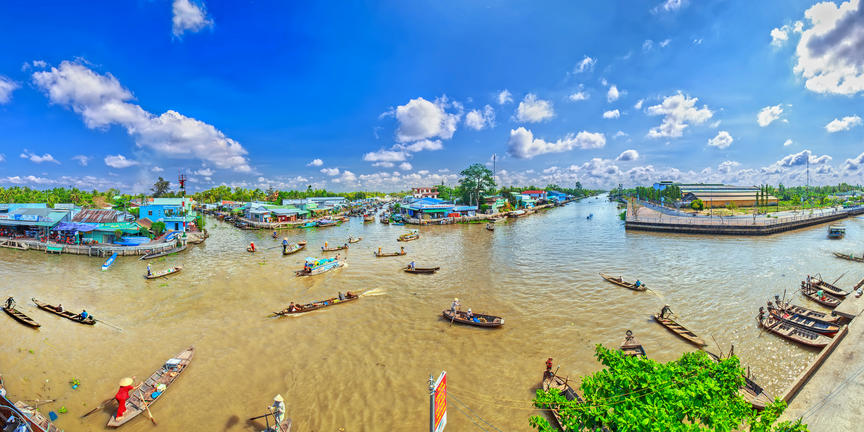
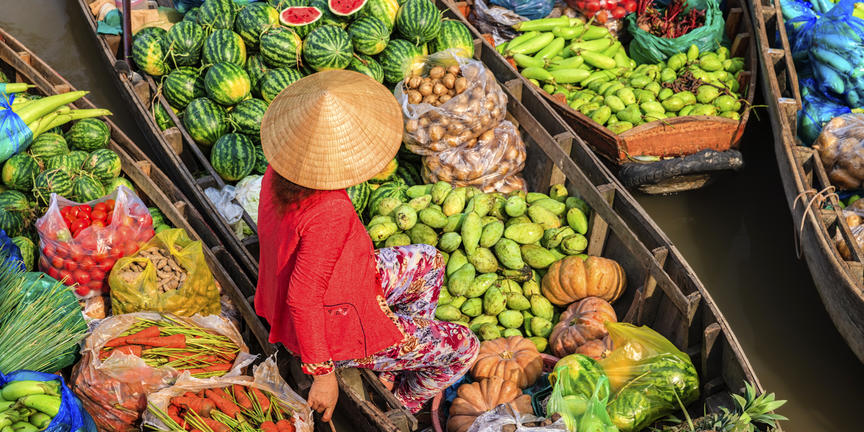

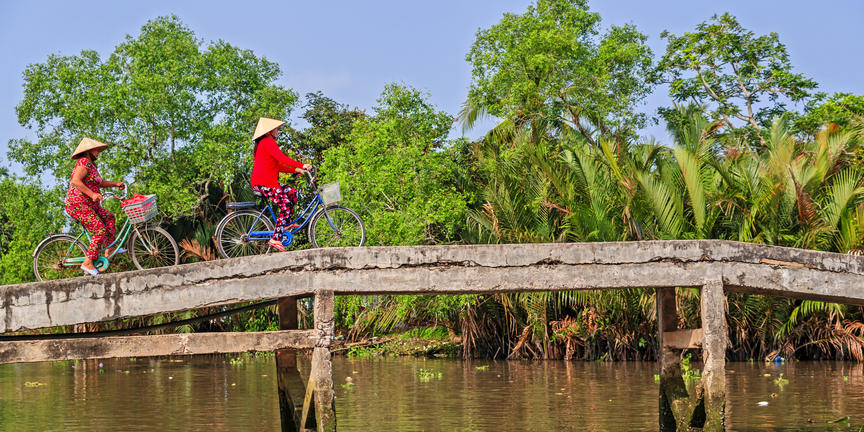
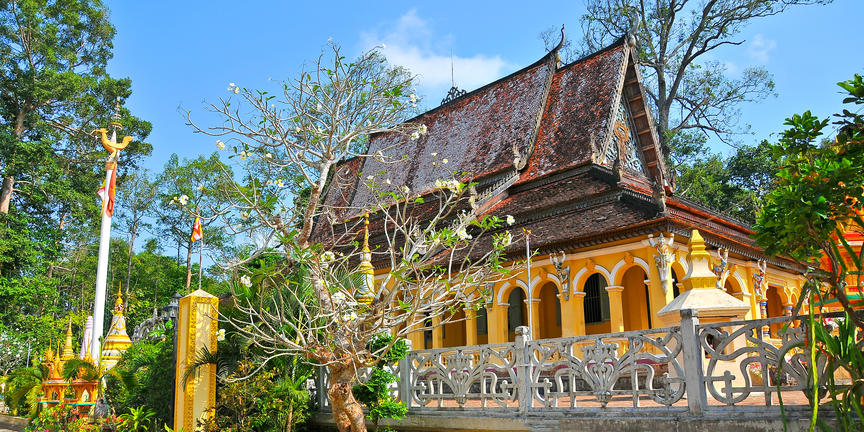

Set roughly halfway between My Tho and Can Tho in Vinh Long Province, Vinh Long is an idyllic town boasting gorgeous temples, a delightful floating market, and a wonderful island, as well as plenty of restaurants and services. The beautiful Co Chien River, lined by colourful orchards and farms, is home to the Cai Be Floating Market, where visitors can buy deliciously fresh produce and souvenirs while watching the sunrise, as part of a boat tour of the area. Cruises and tours also visit the pretty An Binh Island, where guests can also rent bicycles to explore. Culture enthusiasts should make sure to visit the fascinating Van Thanh Mieu (Temple of Literature) and the historic and rare Confucian Van Thanh Mieu Temple. While you’re here, make sure to try the local, freshly made sugarcane juice.
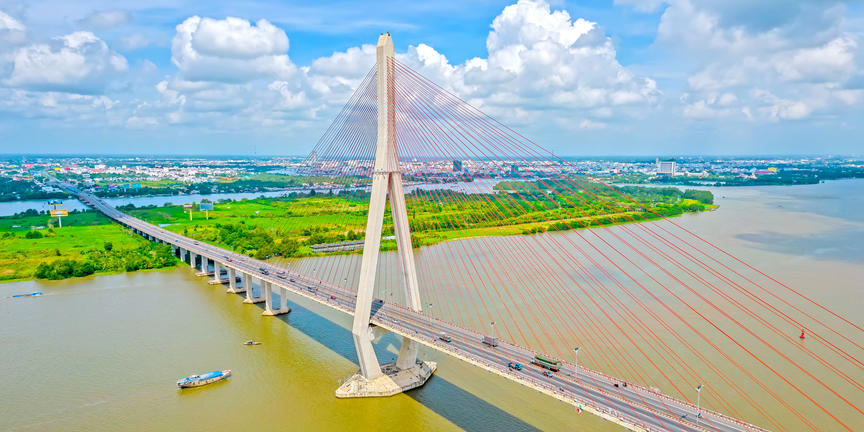
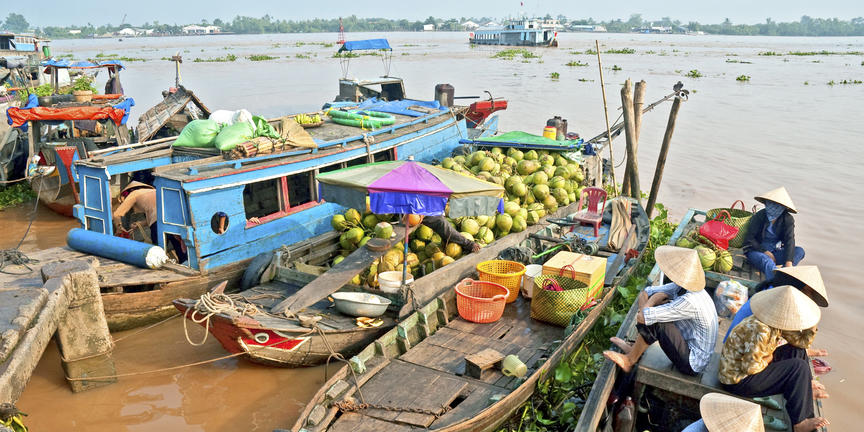
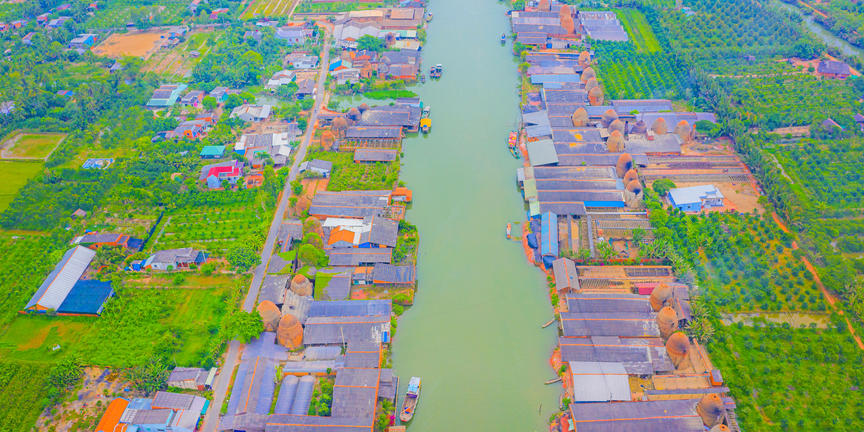
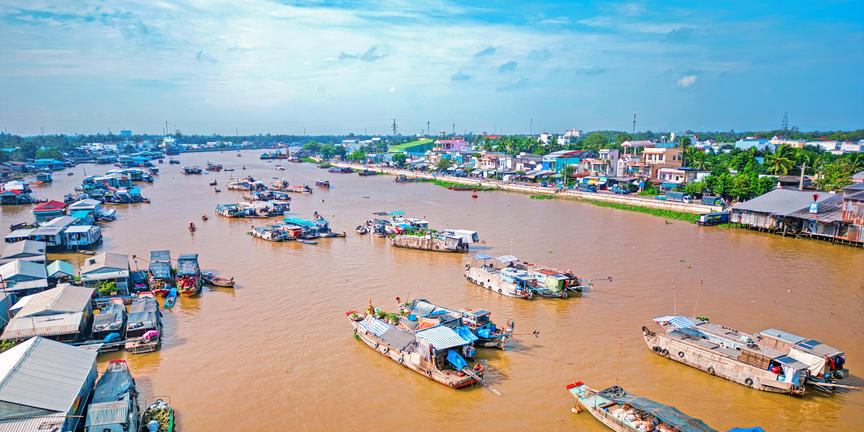
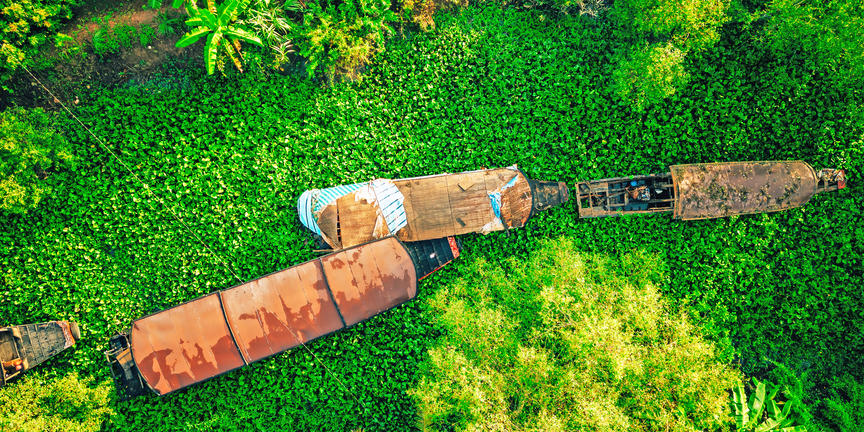
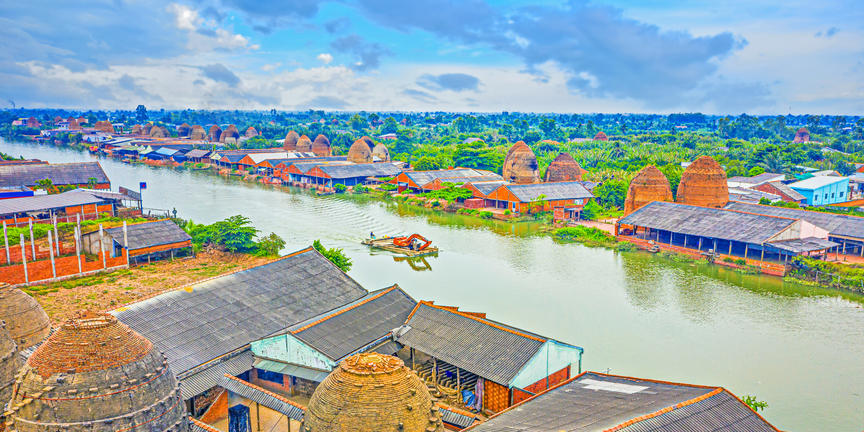
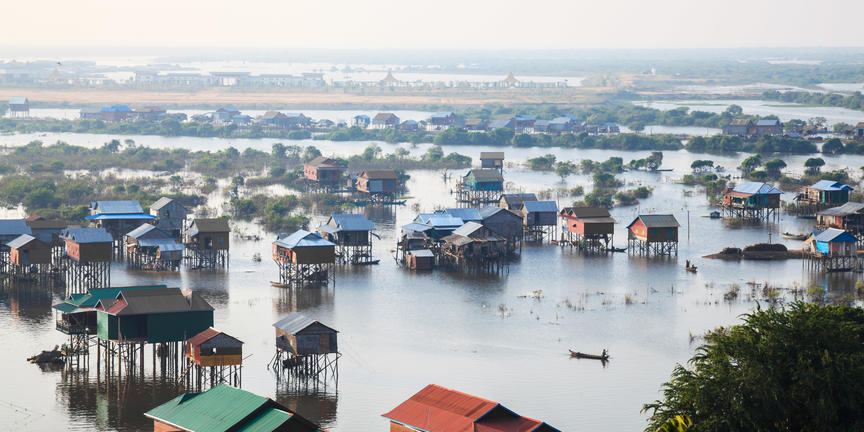
Tân Châu, located in An Giang Province along the banks of the Tiền River, is a riverside town known for its traditional crafts and cultural richness. Often called the “silk capital” of southern Vietnam, it is famous for Lãnh Mỹ A, a unique handwoven silk dyed with natural ebony fruit, once favoured by royalty and now treasured for its deep black sheen. The town offers a glimpse into authentic river life, with bustling floating markets, stilt houses, and boats weaving through its waterways. Visitors can explore weaving workshops, sample local delicacies, and enjoy the warm hospitality of the Mekong Delta. Surrounded by fertile fields and lotus ponds, Tân Châu combines artisan heritage with natural beauty, making it a charming stop for travellers seeking tradition and tranquillity.
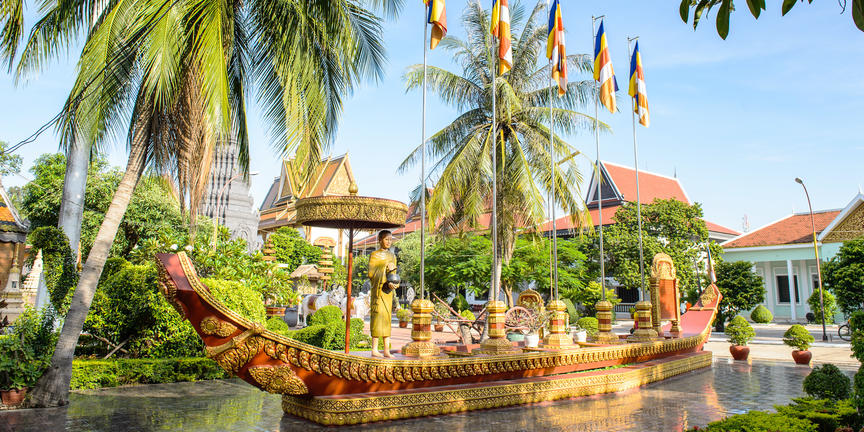
Located at the meeting of the Mekong and Tonle Sap rivers, Cambodia’s energetic capital, Phnom Penh, is known for its rich history, friendly locals and world-class food scene. The primary drawcard of the city its visible heritage - the National Museum of Cambodia features a millennium’s worth and more of an incredible Khmer design. The monumental Royal Palace, the official residence of King Sihamoni, houses the famous Throne Hall, used for coronations and ceremonies. Within the Royal Palace is the spectacular Silver Pagoda, named for its floor covered with five tons of gleaming silver. The Tonle Sap riverfront area provides a charming place to enjoy a meal and some fine French wine (an enduring colonial legacy), while the local nightclubs provide a fun time out on the town, complete with karaoke singers and stage dancers.
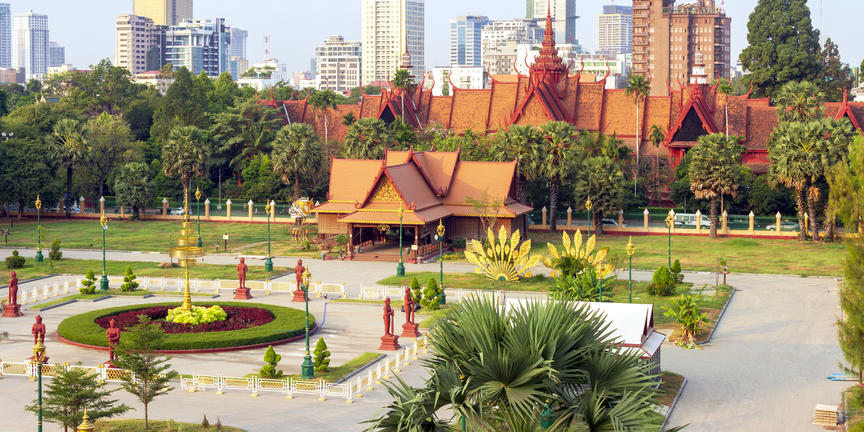
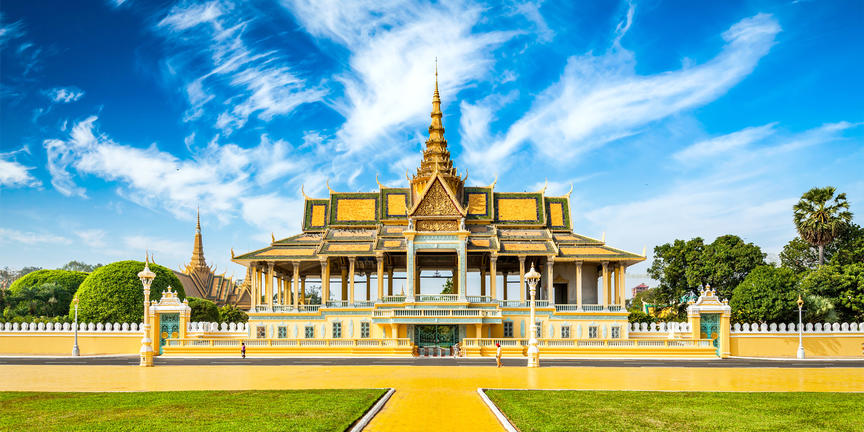
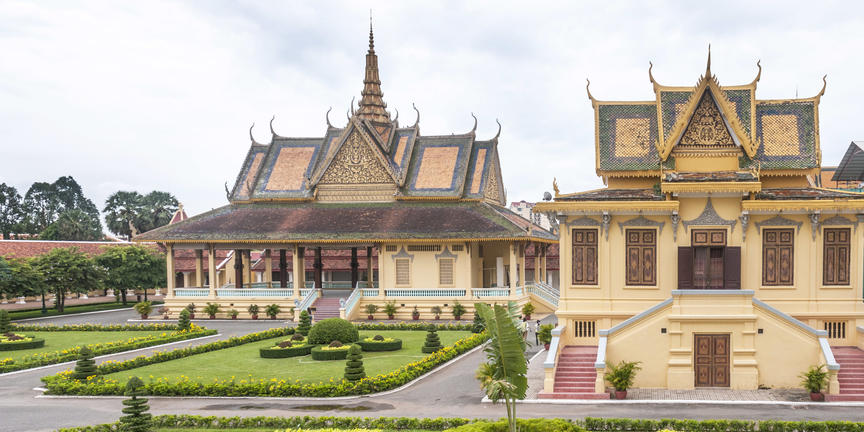
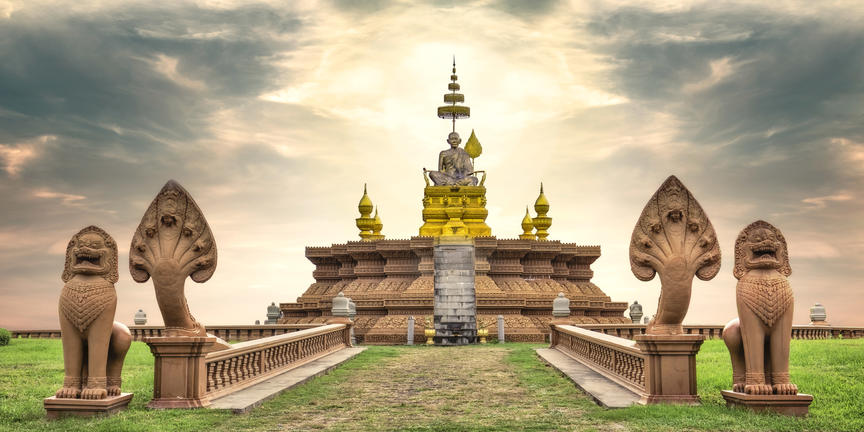
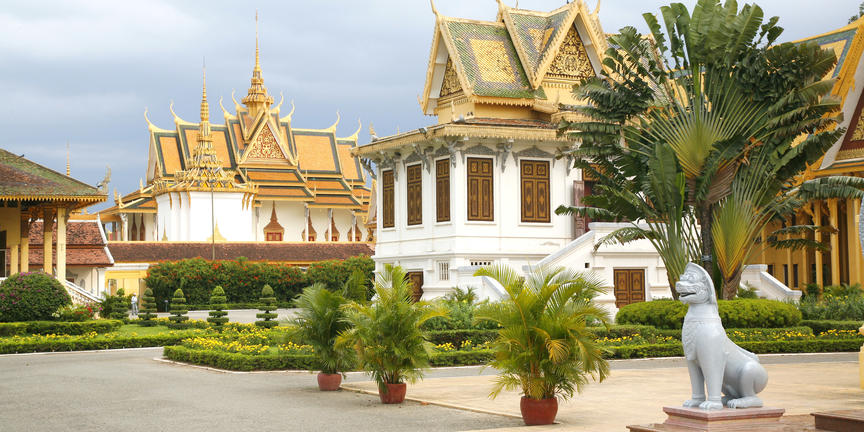
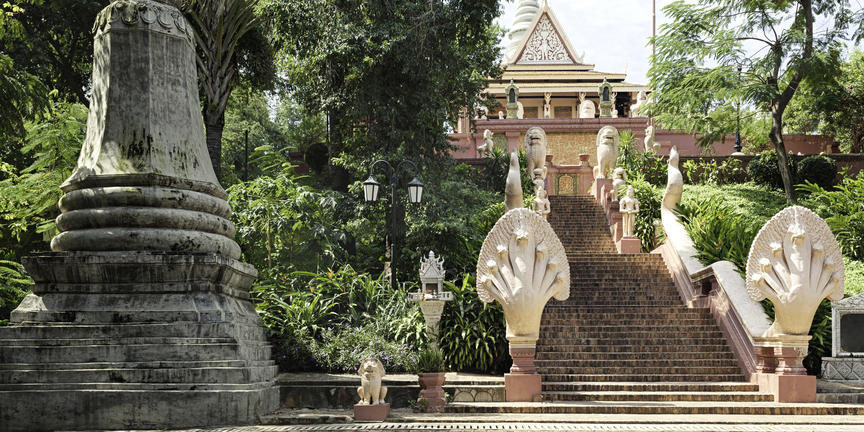
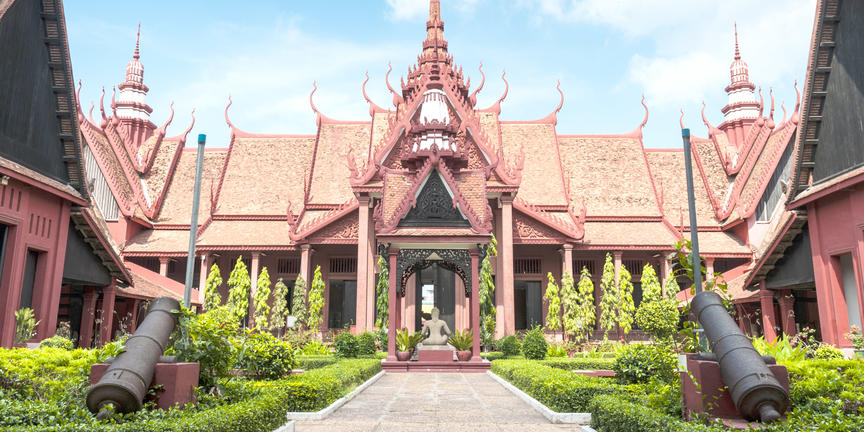
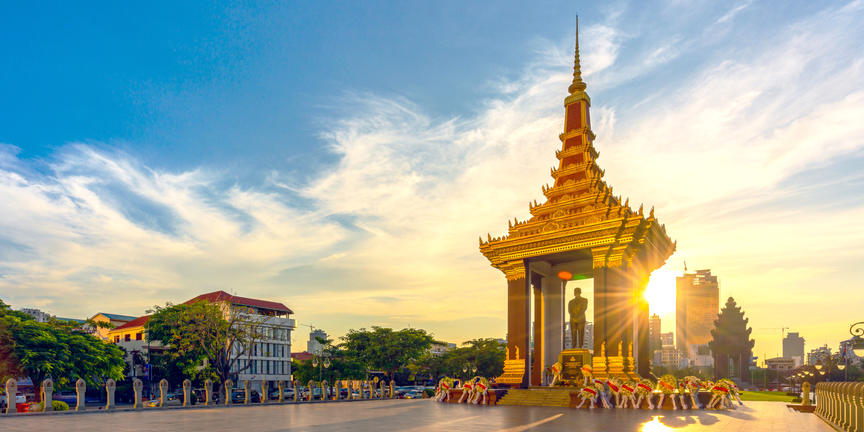
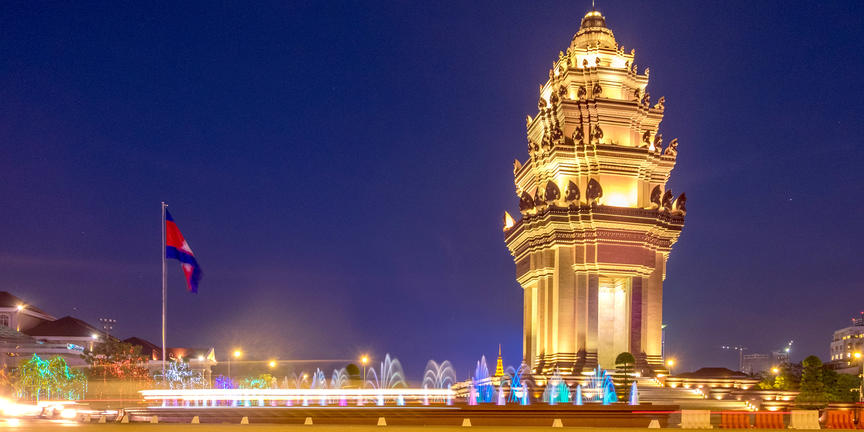
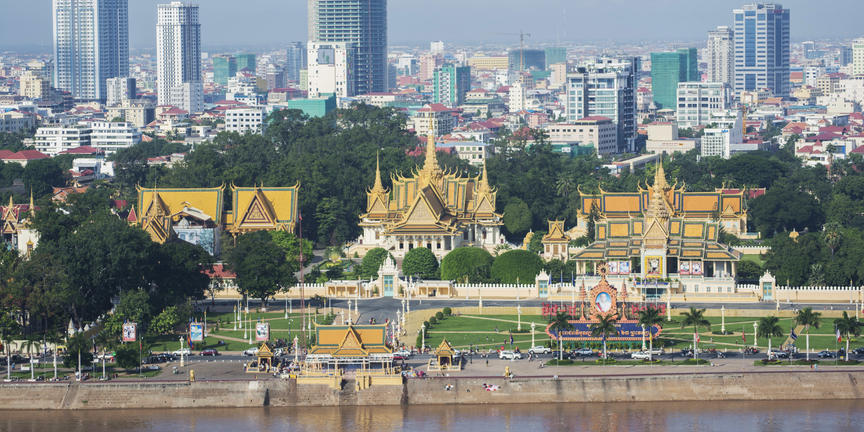
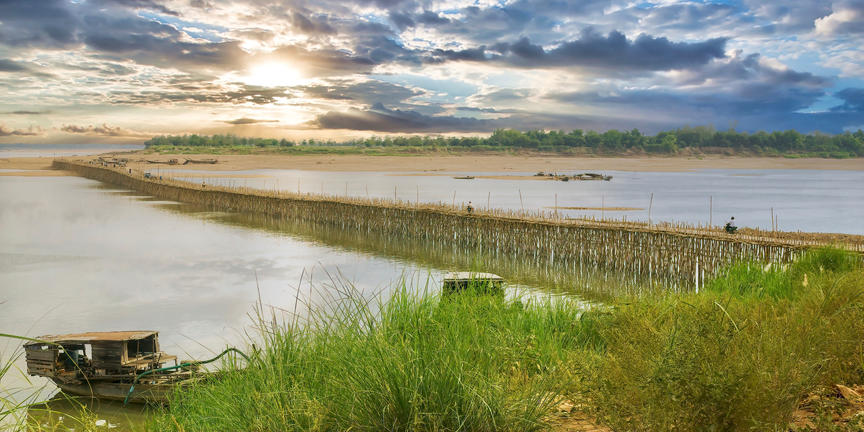
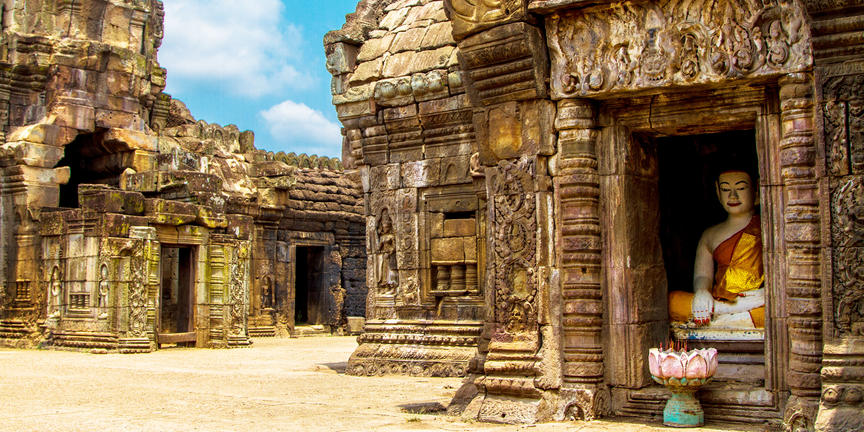
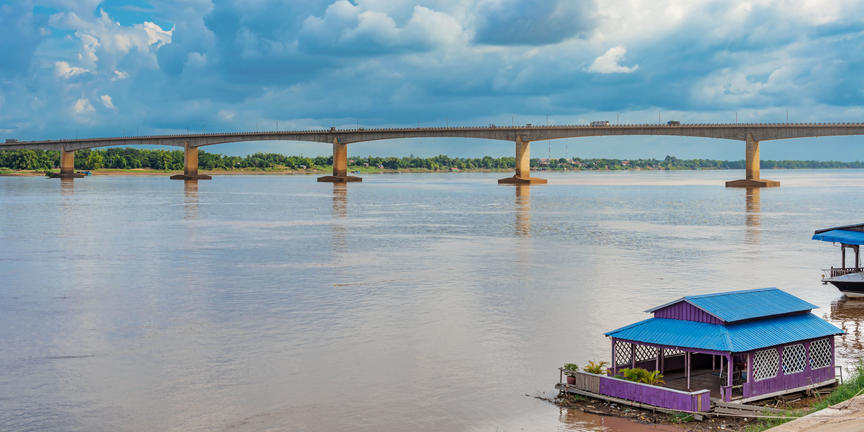
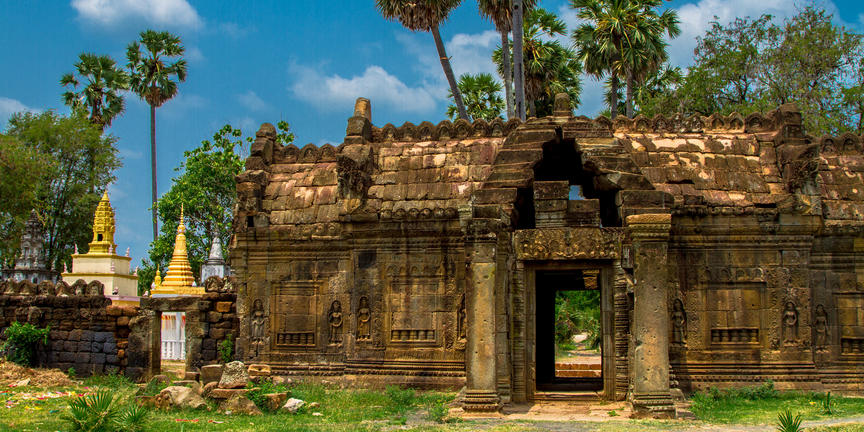
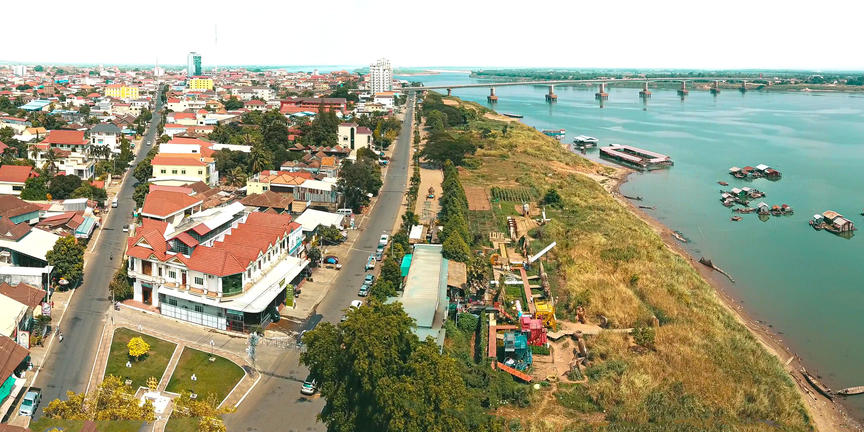
Named for the Cham Muslim residents who immigrated here centuries ago, Kampong Cham is one of eastern Cambodia’s largest urban centres and a key transit point for onward travel connections. It is nevertheless a laid-back city with a picturesque riverside setting and an evocative mish-mash of historical architecture – which includes traditional Chinese shophouses, elegantly weathered French colonial buildings, and the so-called ‘New Khmer Architecture’ that was developed in Cambodia’s 1960s heyday. Several ancient temples and shrines are dotted across the town’s surrounds, adding to the town’s timeless, mystical allure.
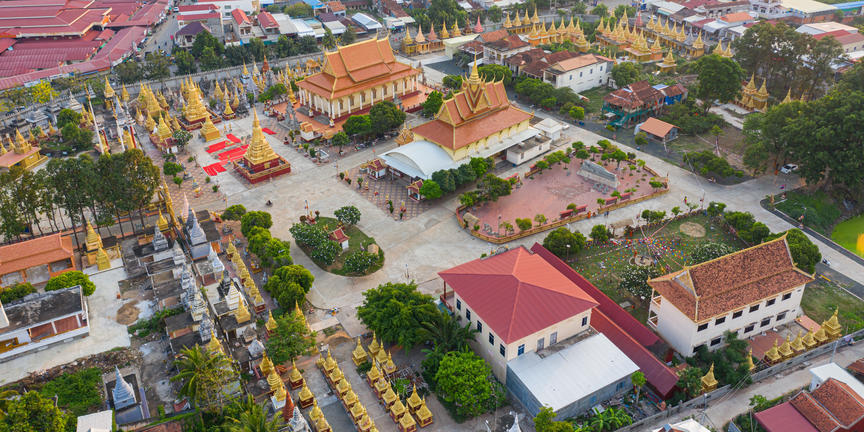
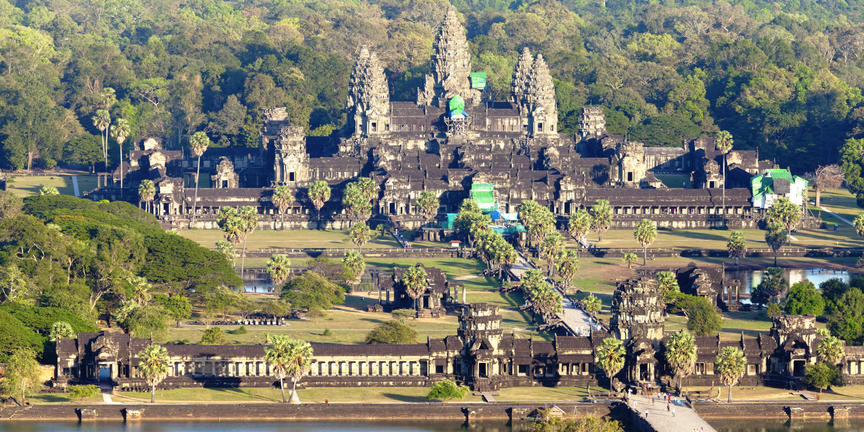
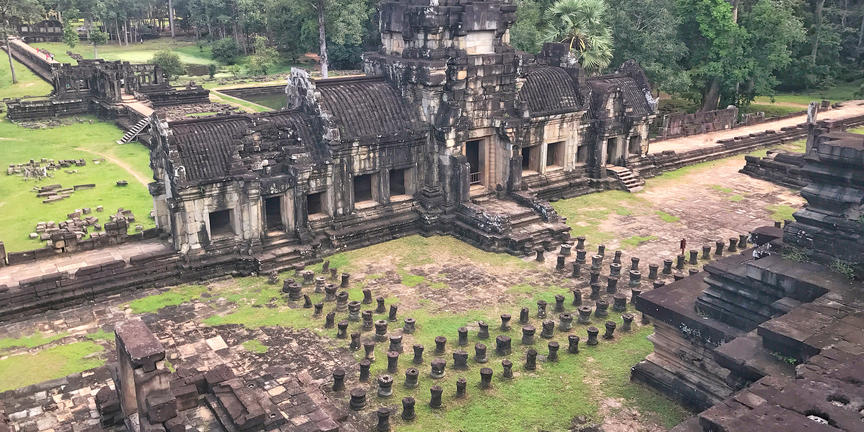
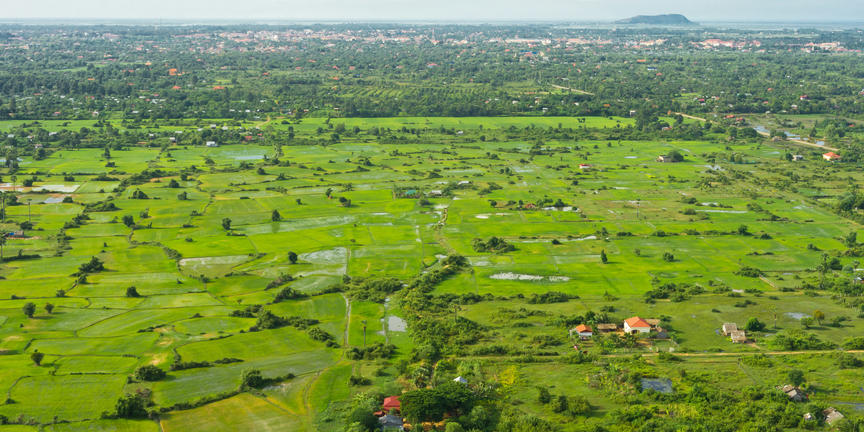
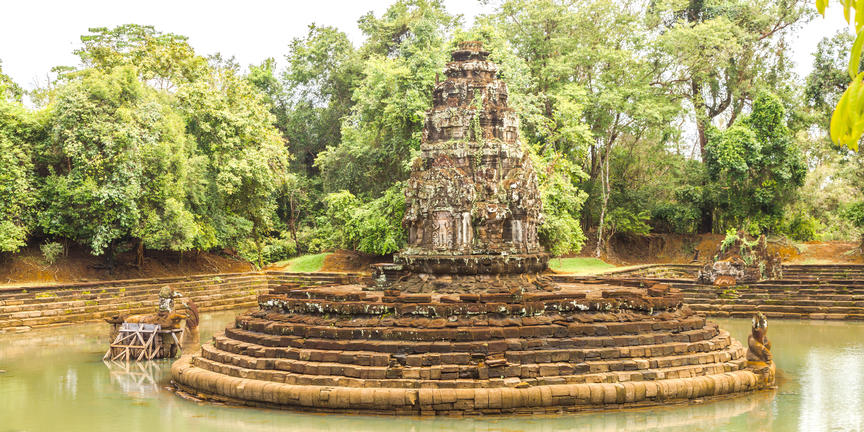
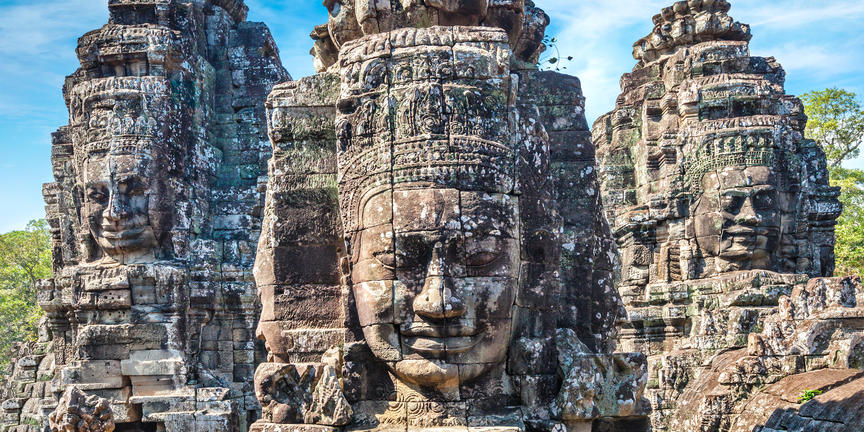
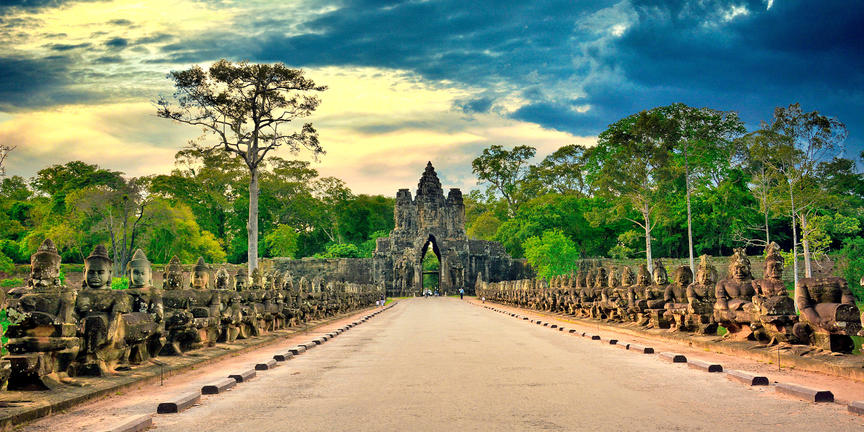
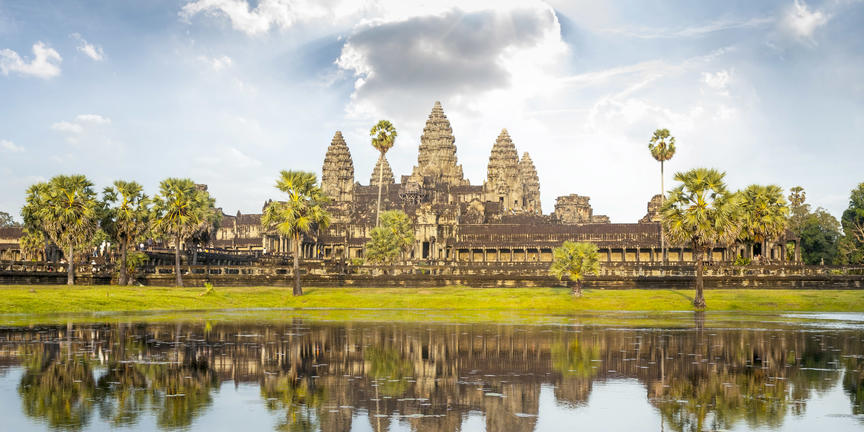
Best known as the gateway to the magnificent ancient temple complex of Angkor Wat, Siem Reap is a pleasant town with lovely French colonial and Chinese architecture and a laid-back ambience. The main attraction here is of course the Angkor complex. Covering an area larger than Paris, it encompasses scores of exquisite temple structures featuring intricately carved detail – dancing ladies and lotus flowers embellish the walls, five-headed naga (serpent deities) fan out from chunks of rock. Abandoned for unknown reasons thousands of years ago, it was rediscovered in 1860 by a French explorer, Henri Mahout, and has been Cambodia’s crowning glory ever since. Other attractions in and around Siem Reap include an array of arts and crafts shops, a cultural village that allows a glimpse into traditional local life, and a bird sanctuary on the outskirts of town.