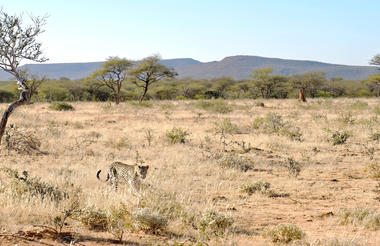
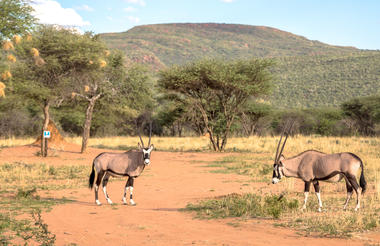
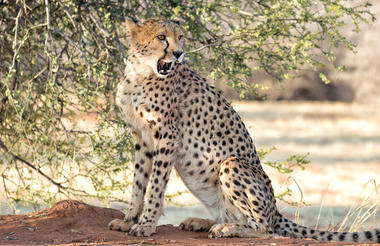
Windhoek, Namibia’s capital, lies in the heart of the country amid the rolling Khomas Highlands, where wide skies and dry savannah frame a compact, orderly city. It blends German colonial heritage with contemporary African identity, creating a calm, understated atmosphere rather than a bustling metropolis. Landmarks such as Christuskirche and the Tintenpalast sit alongside modern civic buildings, while lively markets and cafés reveal everyday Namibian life. Visitors can explore museums, stroll shaded streets, or use the city as a gateway to the surrounding wilderness and safari regions. The air is often dry and clear, carrying the scent of dust and jacaranda blossoms, while distant hills glow at sunset. Windhoek offers a gentle introduction to Namibia’s landscapes and culture, with space, light and quiet defining its appeal.


The best time to visit Sossusvlei is in the early morning. The park gates open at dawn and the golden light just after sunrise is perfect. Take along enough drinking water, sunscreen and a hat.
Situated in the largest conservation area in Africa (the Namib-Naukluft National Park), Sossusvlei is possibly Namibia’s most spectacular and best-known attraction. Characterized by the large red dunes that surround it, Sossusvlei is a large, white, salt and clay pan and is a great destination all year round. The dunes in this area are some of the highest in the world and provide photographic enthusiasts with wonderful images in the beautiful morning and evening light. Sossusvlei literally translates to “dead-end marsh”, as it is the place where the dunes come together preventing the Tsauchab River to flow any further, some 60km east of the Atlantic Ocean. However, due to the dry conditions in the Namib Desert the River seldom flows this far and the pan remains bone-dry most years.
Close to Sossusvlei, Deadvlei is a clay pan characterized by dark, dead camel thorn trees contrasted against the white pan floor. The pan was formed when the Tsauchab River flooded, and the abundance of water allowed camel thorn trees to grow. However, the climate changed, and the sand dunes encroached on the pan, blocking the river from reaching the area. The trees are estimated to be approximately 900 years old, however they have not decomposed due to the dry climate. Deadvlei is at least 1km walk from the parking lot so be sure to take drinking water with you.
Sesriem Canyon is located approximately 4.5km from the entrance gate of the Namib-Naukluft National Park. The Tsauchab River has shaped the Canyon over millions of years and it is one of the few places in the area that holds water all year round. The early Afrikaans explorers in the region named the canyon after the fact that they had to use six (“ses”) leather straps (“riem”) tied together to create a rope long enough to lower buckets into the canyon below, in order to fetch water.
Do not forget to carry enough water and protect yourself from the extreme sunlight.
Respect the delicate ecosystem of this region and be sure to stick to the path marked with stakes.
Since the dune area of Sossusvlei is only open during the day - from sunrise to sunset - you have to inquire about the exact opening hours.
The park entry fee can be paid at the NWR reception or at the 2x4 car park.
o Adults: N$ 280.00 per day
o Children under 16: N$ 180.00 per day
o Children under 8: free of charge
o Vehicles with fewer than 10 seats: N$ 60.00 per vehicle per day
A new, professionally guided hop-on / hop-off excursion service will operate daily from 07:00 to 17:00 from the 2x4 Parking area to Sossusvlei and Deadvlei.
• N$ 260 per adult
• N$ 130 per child under 12
Additional Visitor Services:
- A Ticket Sales Counter at the MEFT Gate Entrance
- A Refreshment Lounge at the 2x4 Parking Area


Set between the rolling dunes of the Namib Desert and the icy Atlantic coastline, Swakopmund is a relaxed seaside town in western Namibia known for its German colonial architecture, cool coastal climate, and adventurous spirit. Palm-lined streets, historic buildings, and ocean fog create an atmosphere unlike anywhere else in the country. Travellers visit for desert activities such as quad biking, sandboarding, and scenic flights over vast dunes and shipwreck-strewn shores. Cafés, bakeries, and small museums add to the town's laid-back charm, though the Atlantic waters are brisk rather than tropical. With its striking desert-meets-ocean setting and mix of adventure and history, Swakopmund is one of Namibia's most distinctive destinations.


Situated in the Kunene Region of northwestern Namibia, on the edge of the Huab Valley, Twyfelfontein is a remarkable archaeological and geological site renowned for its exceptional collection of ancient rock engravings. Designated a UNESCO World Heritage Site, it is home to more than 2000 petroglyphs created over thousands of years by hunter-gatherer communities, making it one of Africa's most significant concentrations of prehistoric rock art. Guided walks lead visitors through dramatic sandstone outcrops to view engravings depicting wildlife, human figures and symbolic motifs, while the surrounding desert landscape is known for its striking scenery and adapted wildlife, including desert elephants that occasionally roam the region. Nearby attractions include the Organ Pipes, Burnt Mountain and the Damara Living Museum.
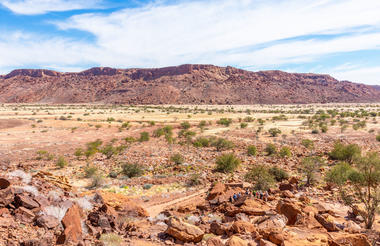
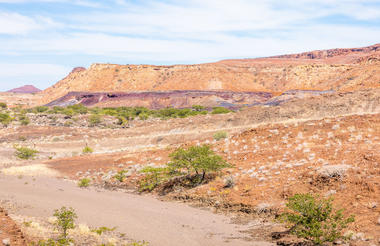
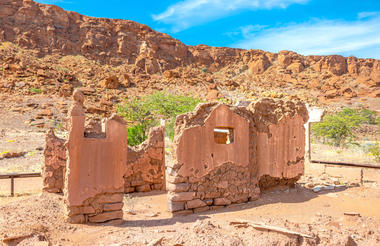
Ongava Game Reserve shares its southern boundary with Etosha National Park and is widely regarded as one of Namibia’s premier private wildlife reserves. Spanning approximately 30,000 hectares, it is internationally recognised for its conservation efforts, ecological research and immersive safari experiences. The landscape is defined by open savannah plains, scattered salt pans and a rich diversity of wildlife. Its location allows easy access into Etosha through Andersson’s Gate, making it an ideal base for combined safari experiences. Ongava is also known for its luxury lodges, thoughtfully designed using natural materials to blend into the surrounding environment. A highlight of the reserve is its healthy population of black and white rhino, offering guests exceptional viewing opportunities. Activities include guided game drives, night safaris, birdwatching and walking safaris, creating an intimate and rewarding encounter with Namibia’s wilderness.

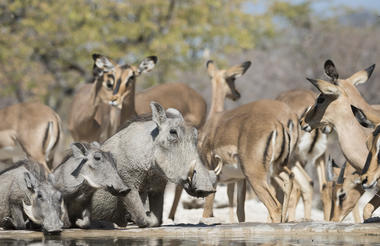
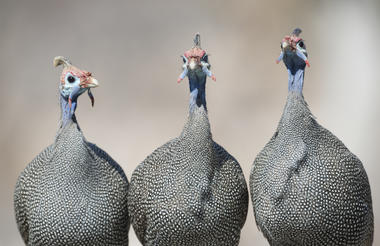
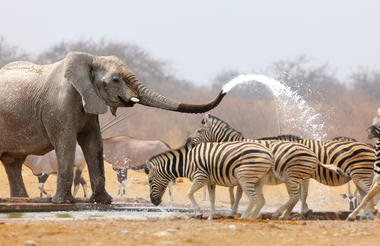
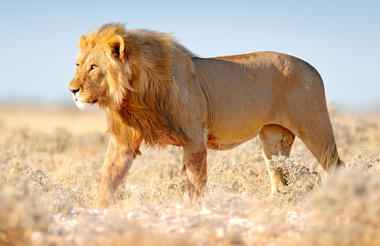
Located along the eastern boundary of Etosha National Park in northern Namibia, Etosha East is a rewarding safari destination known for its excellent wildlife viewing and convenient access to the park through the Von Lindequist Gate near Namutoni. Characterised by open savannah, mopane woodland and seasonal waterholes, the region attracts an abundance of wildlife, including elephant, lion, giraffe, zebra and a variety of antelope species. Visitors can enjoy self-drive or guided game drives, with the waterholes offering some of the best opportunities to observe animals gathering to drink, particularly during the dry season. Golden grasslands, distant birdsong and expansive African skies create an immersive safari experience in one of Namibia's most celebrated conservation areas.
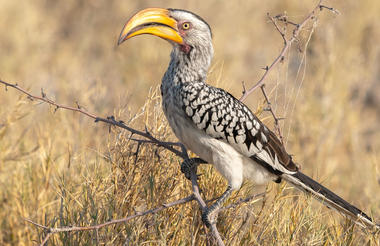
Situated between Namibia’s capital city of Windhoek and the renowned Etosha National Park, Okonjima Nature Reserve is a 22,000-hectare wilderness sanctuary celebrated for its conservation efforts and exceptional wildlife experiences. The reserve is home to the renowned AfriCAT Foundation, which focuses on the protection and rehabilitation of Namibia’s carnivores, particularly leopards, cheetahs, and other threatened species. Set against a backdrop of rolling plains, rocky outcrops, and acacia woodland, Okonjima offers visitors the opportunity to gain unique insight into conservation initiatives while enjoying outstanding game viewing. Activities include guided carnivore tracking excursions, leopard-spotting safaris, off-road night drives, birdwatching, and cultural experiences along the Bushmen Trail. Accommodation ranges from luxury lodges and private villas to intimate bush camps, providing a memorable base from which to explore this remarkable reserve.