


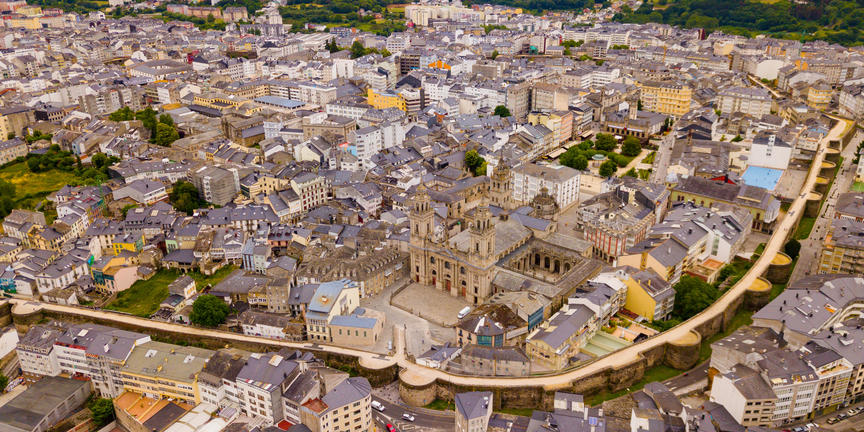
Santiago de Compostela is the capital of northwest Spain’s Galicia region and lies within the Coruna province. The endpoint of the legendary Camino de Santiago pilgrimage trail, this sprawling urban hub has been a sacred bastion of Christianity for thousands of years. The major cultural attraction here is the spectacular stone cathedral of the same name, with its elaborate facade, lofty spires, and opulent interior. The city’s old town emanates outwards from the cathedral and is home to a smorgasbord of shops, restaurants, and sidewalk cafes where you can mingle with Camino pilgrims or simply watch the city life go by. This is also the best place to soak up the unique Galacian culture - which has its own language, customs, and music. Make sure to visit the Centro Gallego de Arte Contemporáneo to see some superb contemporary Galacian art.

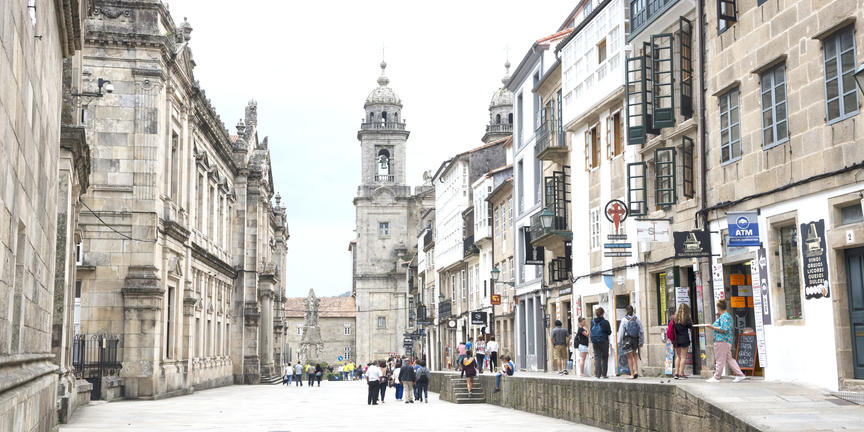

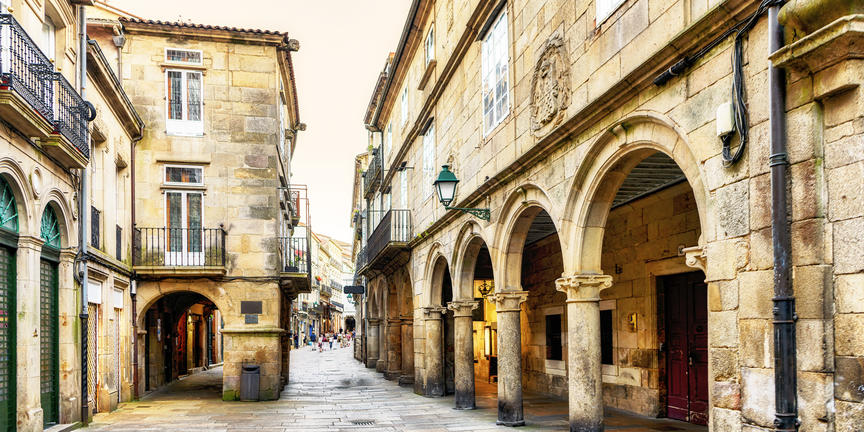


Sarria, a populous municipality in northwestern Spain’s Lugo Province, is one of the most popular locations to begin the famous St. James Way pilgrimage. The route from here to Santiago is the shortest for which participants are awarded the Pilgrim’s Certificate, and can be completed in a total of five days for those who are short on time. The town is also easily accessible, with various connections from all over the country. Sarria’s other primary claim to fame is its flourishing fine art and antique scene, and popular fairs. Heritage attractions include the 13th-century O Salvador Church, the tower of the Fortress of Sarria, and others. Active types and nature lovers will enjoy the opportunity to go hiking, horse riding, boating, and fishing in the picturesque surroundings.

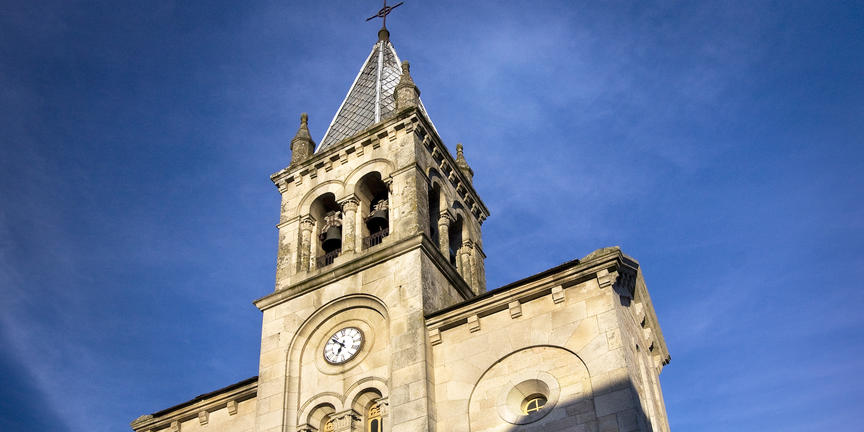
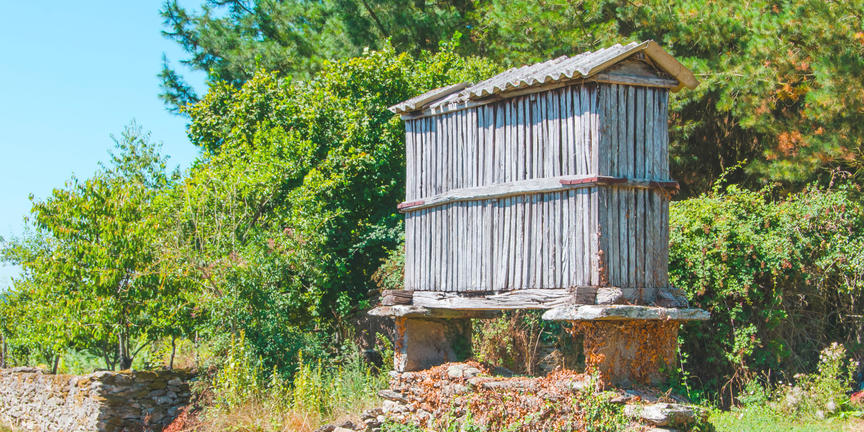

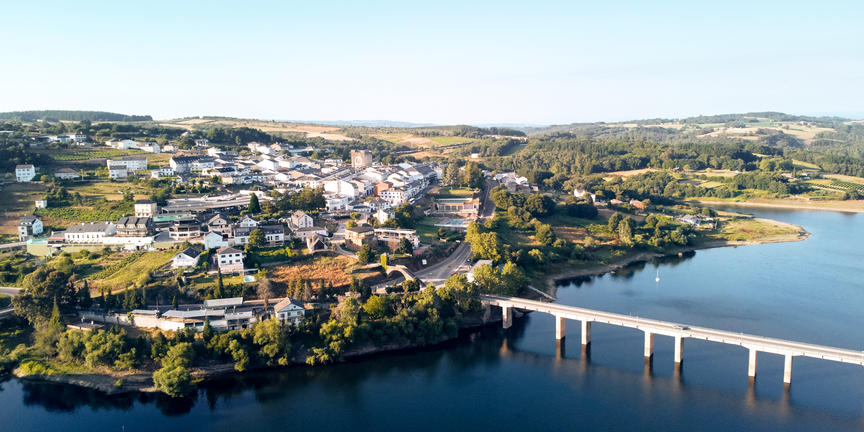
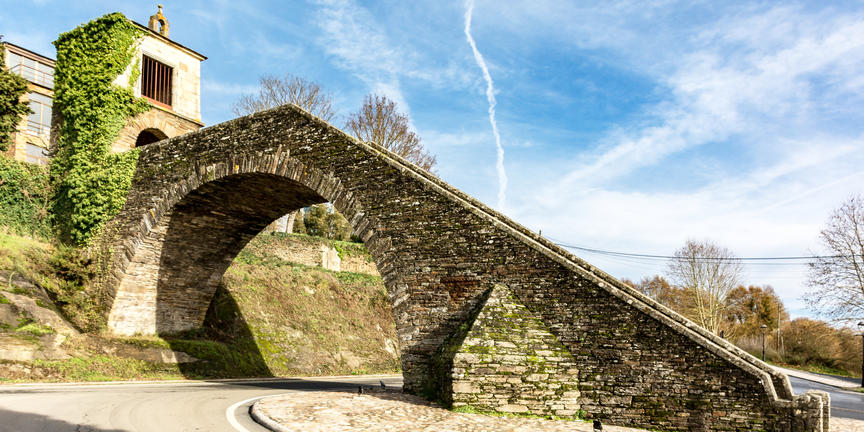
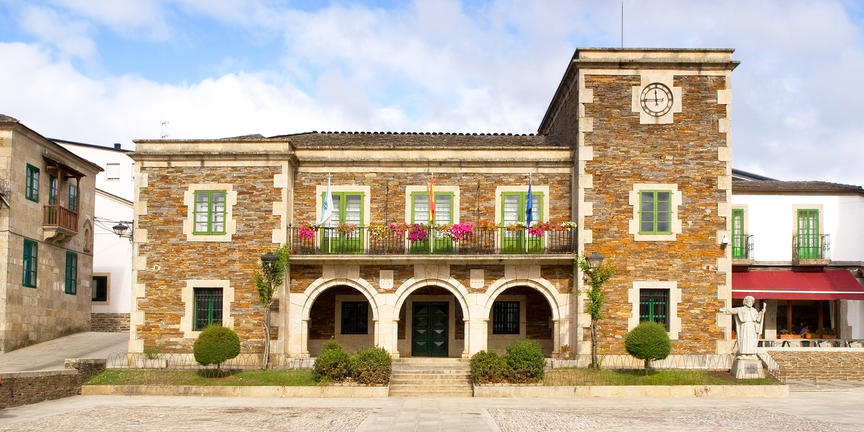
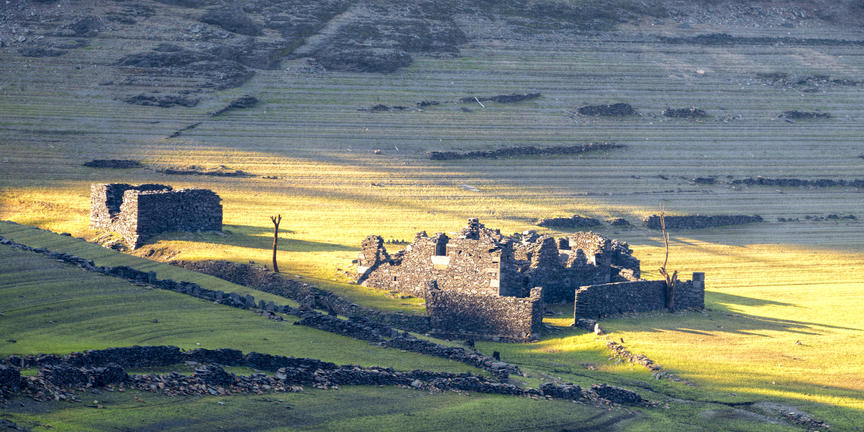
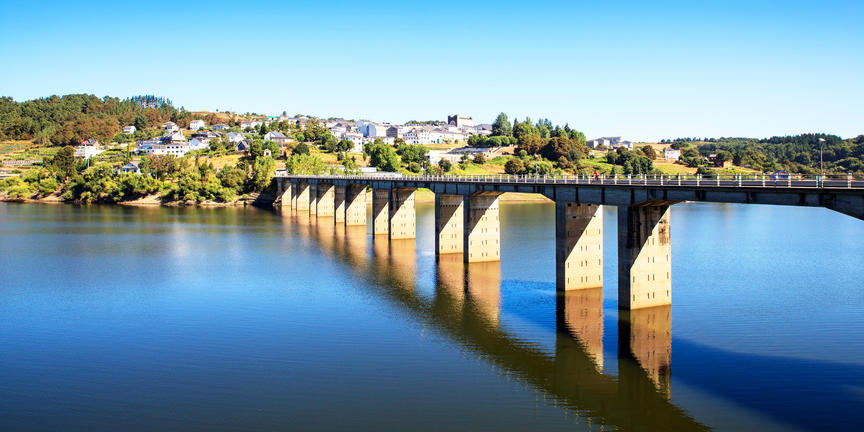
Portomarin is a fascinating town in Spain’s Lugo Province, set along the Way of St. James. The town as it stands today, atop a hill, was only built in the 1960s, while the original village, which dates back to medieval times, lies under the waters of the River Mino after the local reservoir flooded. Some important pieces of the old town were saved, namely the Romanesque church of San Pedro and the striking church fortress of San Nicolas, among a few others. The ruins of the original bridge - only a base and one arch - remain guard at the entrance to the new structure. Besides the curious stories and rich heritage surrounding this event, visitors will also delight in the chance to visit the many surrounding wine farms, or simply stay put in Portomarin to enjoy its famous locally produced brandy.
Located in Spain’s Lugo Province in the northwestern part of the country, the charming little village of Palas de Rei provides one of the optional final destinations along the famous St. James Way pilgrimage. Here, the Northern Camino and the Camino Primitivo merge with the French. While the town is adorned with numerous wonderful old buildings, several attractions stand out. The UNESCO-listed Pambre Castle is a must-see, as is the Church of San Salvador de Vilar de Donas, where visitors will marvel at the exquisite carvings and frescoes and wonder at the burial tombs of the knights. Set amid the scenic forests and rivers characteristic of the province, this is a fine location for walking or enjoying a leisurely meal with a view. Make sure to try the town’s legendary ‘pulpo a feira’ (octopus) and ‘melindres’ (a type of dessert).


Arzua, the last point for many travellers on the famous St. James Way, is situated in the A Coruna Province of northwestern Spain. The town is also significant as the meeting point between the French Way and the Northern Way, before making their way towards Santiago together. The landscapes here, characterised by thick forests and rolling hills, are lush and beautiful, and the town itself contains some wonderful historic churches as well as other interesting architecture. The town’s legendary cheese, which carries its name, has a mild yet tasty and creamy quality and has brought Arzua much acclaim - make sure to try it before you leave. Arzua is also known for having a reasonably extensive collection of shops, services, and restaurants in comparison with some of the other Camino stops.


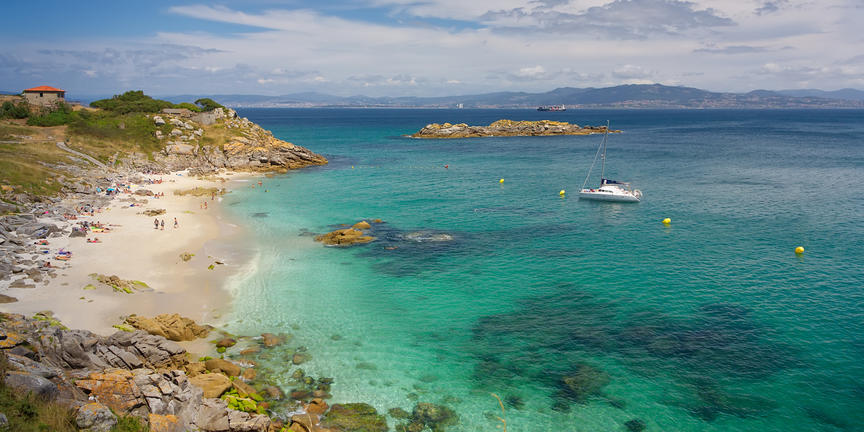
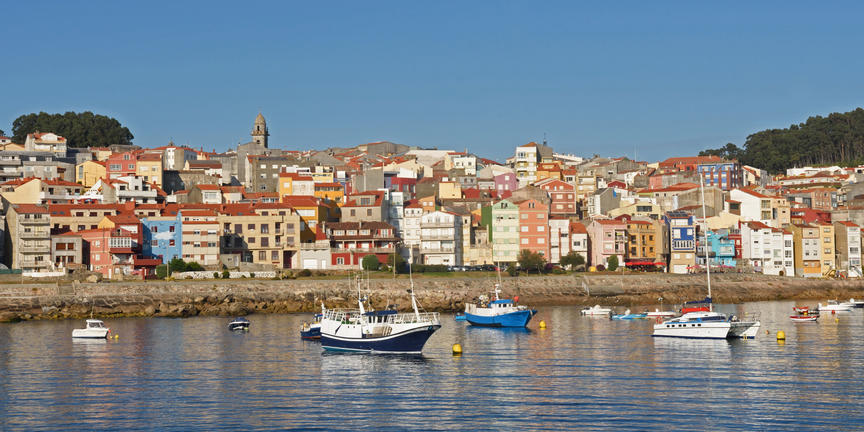
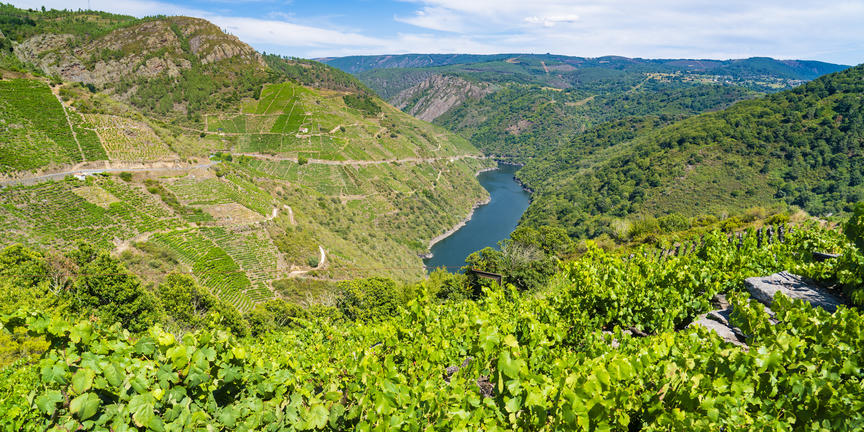
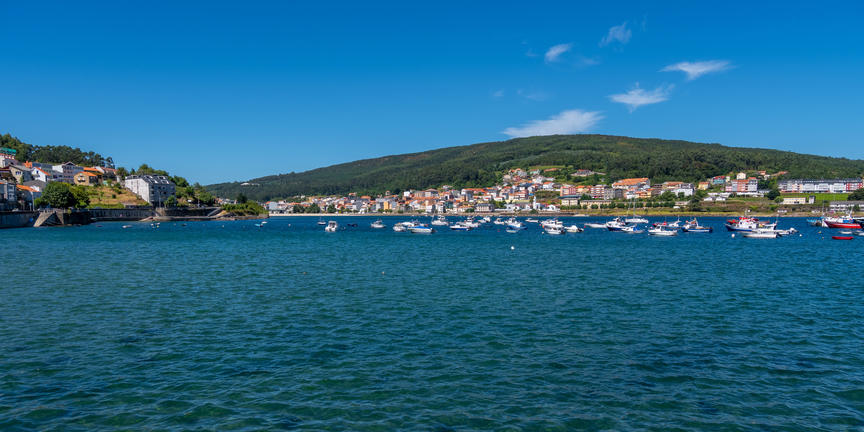
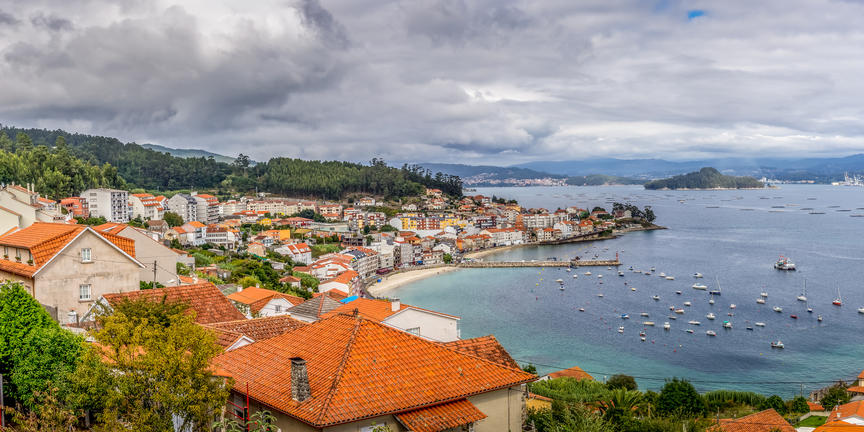
This laid back region of northern Spain has a breathtaking coast and one of Spain’s most sacred cities. Galicia is best known for its capital, Santiago de Compostela, which is the end point of the Camino de Santiago trail, which has been one of Christianity’s most important pilgrimages since the Middles Ages. Its magnificent cathedral, with its elaborate façade and exquisite stone sculptures, is a sight not to be missed. Head to the seaside town of Ponte Vedra to explore its atmospheric old quarter, to Cabo de Udra to see its boulder-strewn coast and glittering bays, and to the metropolis of Vigo for great shopping, nightlife and seafront vistas.



As previously described


