


Every country in the world displays some diversity, but South Africa, stretching from the lions in the Kruger National Park to the iconic Table Mountain in the Cape, takes some beating. Enjoy the Country’s sweeping valleys of the Winelands, Cape Town’s jumping nightlife, Namakwa’s springtime symphony of wildflowers or KwaZulu-Natal’s iSimangaliso Wetland Park which alone has five distinct ecosystems, attracting both zebras and dolphins - there is something here for any person with any interest of any age. Although the country has its fair share of problems, South Africans are some of the most upbeat, welcoming and humorous folk you’ll encounter anywhere, from farmers in the rural north who tell you to drive safely on those dirt roads, to Khayelitsha kids who wish you molo (‘good morning’ in Xhosa).

Surrounded by subtropical fruit orchards, Hazyview is a small farming town and a gateway to the southern part of the Kruger National Park and the Panorama Escarpment. The town and its spectacularly scenic surroundings, serve as a popular adventure capital with a remarkable array of exhilarating outdoor activities on offer to suit all ages, tastes and fitness levels. These include, among others: mountain biking, quad biking, ziplining, tubing, abseiling, and river rafting. Whether you are eager to hike the Panorama Route with its breathtaking views and impressive waterfalls, visit the Shangana Cultural Village, or horse ride along the banks of the magnificent Sabie River, Hazyview has something for just about everyone.
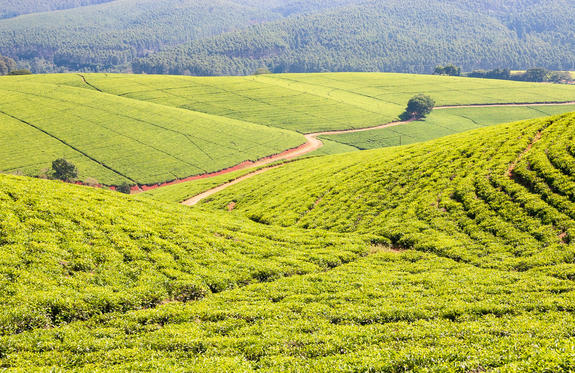
Tzaneen, nestled in South Africa’s Limpopo Province at the foot of the lush Magoebaskloof highlands, is a subtropical town surrounded by plantations, forests and mountain mist. Known as one of the country’s greenest regions, it is shaped by warm, humid air, abundant rainfall, and landscapes of banana groves, avocado orchards, and rolling hills. Visitors can explore nearby waterfalls, forest trails and the dramatic Magoebaskloof Pass, or enjoy the calm waters of Tzaneen Dam, where birdlife gathers along the shoreline. Small-town streets and local markets reflect a relaxed agricultural rhythm, with the scent of wet earth after summer rain and birdsong filling the air. Tzaneen offers a gentle, nature-led escape, best suited to travellers seeking scenery, outdoor exploration and a slower pace rather than urban attractions.
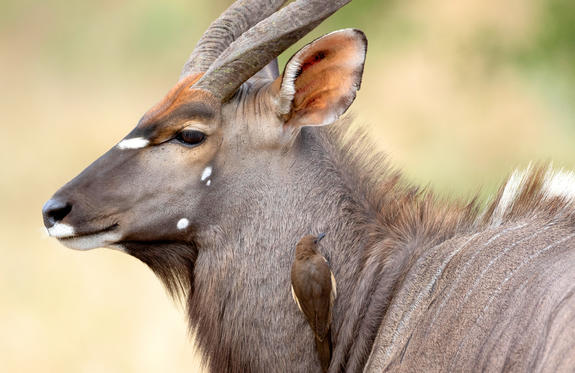
Situated in the northernmost reaches of South Africa’s renowned Kruger National Park, the Makuleke Contractual Park is a rich and diverse ecological region known for its exceptional wildlife and dramatic landscapes. Often referred to as the Pafuri Triangle, the area takes its name from the wedge-shaped tract of land formed by the confluence of the Limpopo and Luvuvhu rivers at the historic Crook’s Corner. Covering approximately 26,500 hectares of remote and unspoilt wilderness, the park encompasses riverine forests, floodplains, baobab-studded landscapes, and open woodlands. Its unique location creates a natural wildlife corridor that attracts an extraordinary variety of animals. Visitors may encounter large herds of elephant, buffalo, lion, leopard, rhinoceros, and numerous antelope species. The region is also a premier birdwatching destination, with more than 350 recorded bird species.
Despite recent and surprisingly rapid modernization, Botswana’s cities provide little in the way of tourist attractions. However, what the cities lack in excitement, the surrounding wilderness areas more than make up for in outstanding natural beauty. The country’s primary tourist draw card is undoubtedly the vast red expanse of the Kalahari desert and its remarkably beautiful Okavango Delta - the largest inland delta in the world provide a haven for an abundance of African wildlife. Other highlights include the impressive Makgadikgadi salt pans where visitors are privy to massive zebra migrations during the flood season; the Savuti plains which host large prides of lions; and the Tsodilo Hills where 4500 rock paintings form a unique record of human settlement over many millennia.

A hidden gem situated in Botswana, Mashatu is an award-winning game reserve spanning 42,000 hectares (103,000 acres) of privately owned, unfenced land in the conserved wilderness area known as the Northern Tuli Game Reserve.
Nestled in the remote eastern corner of Botswana, where the borders of Botswana, South Africa and Zimbabwe meet - Mashatu boasts a diverse landscape of wide plains, lush riverbeds, mopane woodland, sandstone ridges and ancient trees (especially baobabs).
Known as the “Land of the Giants” - largest population of elephant herds on a private game reserve in Southern Africa, and home to seven of Africa's giants (African elephant, lion, giraffe, baobab tree, eland, ostrich, and kori bustard).
Increasingly known as the "Land of the Leopards" for unrivalled big cat and predator sightings.
Our camps include Euphorbia Mashatu, Kolokolo Safari Home, Mashatu Lodge, Tuli Safari Lodge Mashatu, Mashatu Tent Camp and Shalimpo Safari Camp; offer immersive, eco-friendly stays with the warmest Botswana hospitality.
All lodges offer all-inclusive stays with two daily daily game drives and the option to substitute one game drive for a guided safari walk. A pristine destination shaped by the Lansdown family’s enduring commitment to conservation, authenticity and sustainable travel.
Every country in the world displays some diversity, but South Africa, stretching from the lions in the Kruger National Park to the iconic Table Mountain in the Cape, takes some beating. Enjoy the Country’s sweeping valleys of the Winelands, Cape Town’s jumping nightlife, Namakwa’s springtime symphony of wildflowers or KwaZulu-Natal’s iSimangaliso Wetland Park which alone has five distinct ecosystems, attracting both zebras and dolphins - there is something here for any person with any interest of any age. Although the country has its fair share of problems, South Africans are some of the most upbeat, welcoming and humorous folk you’ll encounter anywhere, from farmers in the rural north who tell you to drive safely on those dirt roads, to Khayelitsha kids who wish you molo (‘good morning’ in Xhosa).

Johannesburg is one of Africa’s biggest and most vibrant cities. It is the economic capital of Africa and the gateway to Southern Africa. Although not as famous as other South African destinations, there is plenty to do in Johannesburg and nearby Pretoria. The old city is a multi-cultural mixture of traditional medicine shops, Chinese restaurants, taxi ranks and ultra modern skyscrapers. There are excellent museums, art galleries and organised tours of historical and political interest. The shopping is Southern Africa’s best and the many restaurants cater for all tastes. The nearby township of Soweto is Johannesburg’s most popular tourist attraction.


