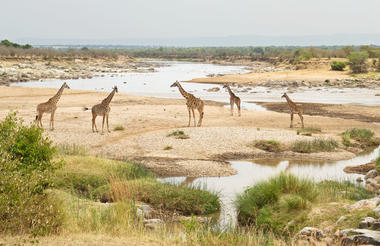
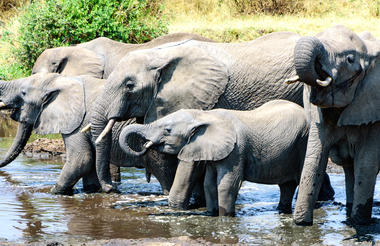
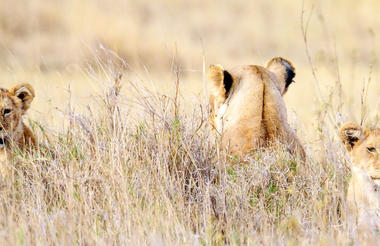
Resting in the magnificent Great Rift Valley and presided over by the majestic Mount Kilimanjaro, Kenya is characterised by hauntingly beautiful natural landscapes of forested hills, patchwork farms, wooded savanna and vast forests brimming with an extraordinary abundance of wildlife. The nation’s diverse range of traditional African cultures is influenced by over 70 unique ethnic groups from the Maasai, Samburu, Kikuyu, and Turkana tribes to the Arabs and Indians that settled on the coast. Add to this: an exquisite tropical coastline fringed with breathtaking golden sand beaches; gorgeous coral gardens providing excellent snorkeling and diving opportunities; and a slew of lively beach resorts, and it is easy to see why so many visitors flock here from around the world to experience a truly unique African adventure in one of the world’s most pristine safari destinations.
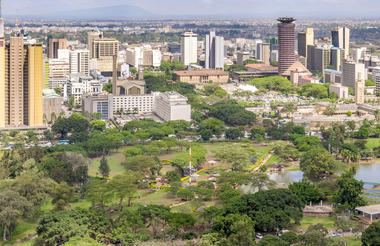
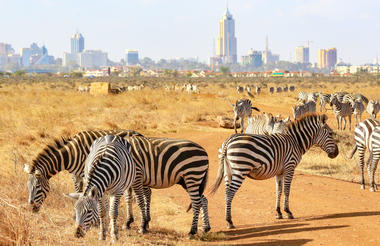
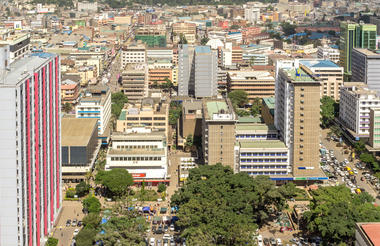
Widely regarded as one of East Africa’s most dynamic and cosmopolitan cities, Nairobi sits along the Nairobi River and serves as Kenya’s capital and largest urban centre, acting as a major gateway for safari travel across the country. The city features a growing café culture, active nightlife, and cultural landmarks such as the National Museum of Kenya and the Karen Blixen Museum. Just outside the city centre lies Nairobi National Park, where wildlife, including lions, giraffes, and buffalo, roam against a backdrop of skyscrapers — one of the rare cases in the world where a major national park borders a capital city. Visitors also often stop at the David Sheldrick Wildlife Trust elephant orphanage for close encounters with rescued calves.
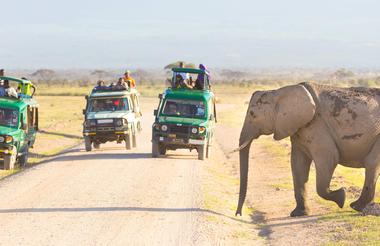
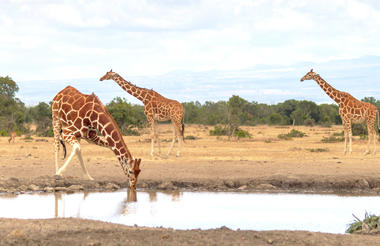
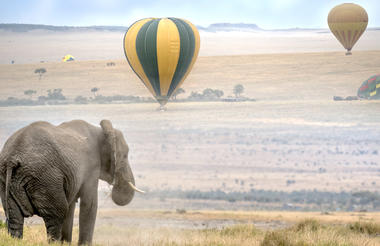
Located in the southern reaches of Kenya, the Amboseli National Park is renowned for its excellent variety of wildlife such as Maasai giraffe, elephant, lion and cheetah and not surprisingly it is one of Kenya's most popular parks. The landscape of Amboseli is dominated by the majestic snowcap of Mount Kilimanjaro, as well as open plains, acacia woodland, swamps and the massif of Ol Doinyo Orok. The birding is excellent, especially closer to the lakes and swamps. The park is famous for being the best place in Africa to get close to large herds of elephants among other wildlife species. Other attractions include opportunities to meet the Maasai people and soak up spectacular views of Mount Kilimanjaro, the highest free-standing mountain in the world.


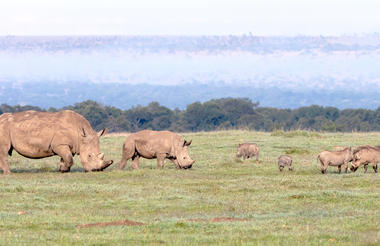
Resting at the foothills of Mount Kenya and the Aberdare Mountain Range, in central Kenya's Laikipia County, the Ol Pejeta Conservancy is the largest black rhino sanctuary in East Africa. It is also home to some of the last remaining northern white rhino in the world. Originally a working cattle ranch in colonial Kenya and now a pioneering wildlife conservancy, Ol Pejeta works to protect wildlife and provide a sanctuary for rescued chimpanzees. The Conservancy is a popular safari destination and is home to the renowned ‘Big Five’ as well as a wide selection of other African animals including zebra, giraffe, hippo, cheetah, jackal, serval, hyena, vervet monkey, and many more. Visitors can look forward to an assortment of outdoor activities such as horse rides, game walks, and nocturnal game drives.
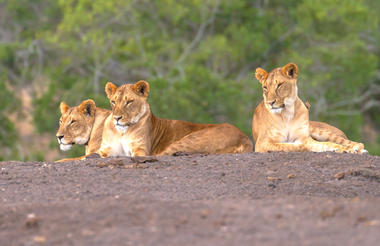
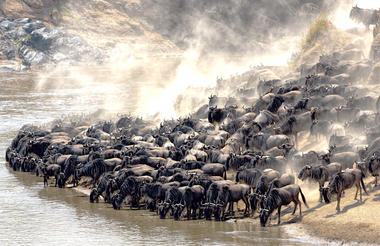
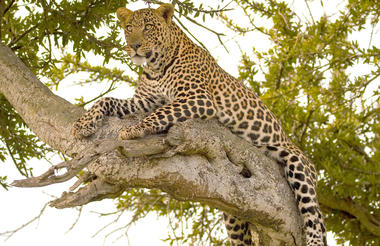
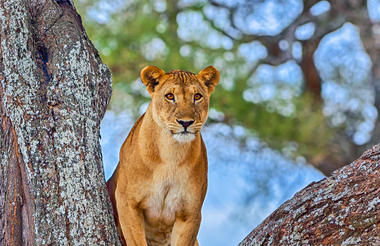
One of Kenya’s most iconic natural wonders, the Masai Mara National Reserve stretches across more than 1500 square kilometres in the country’s southwest. The park shelters a remarkable array of wildlife, including elephant, lion, leopard, and buffalo that roam its savannahs, while crocodile and hippopotamus inhabit the Mara River. Birdwatchers will delight in the presence of more than 450 resident species. Yet the true spectacle is the Great Migration, named one of the Seven New Wonders of the World. Each July to September, roughly 1.7 million wildebeest trek from the parched plains of Tanzania’s Serengeti to the greener grasslands of the Masai Mara, followed by zebra, antelope, and predators such as lion, hyena, and cheetah. The sight, sound, and raw energy of these vast herds are a once-in-a-lifetime experience for any traveller.
The name Tanzania conjures up images of wildebeest stampeding across vast savannah, rain forests teeming with monkeys and birdlife, and great plains brimming with legions of game. All of these natural wonders and more are on offer in this exceptionally diverse African nation. Visitors typically visit Tanzania to partake in at least one of the four well-known Tanzanian tourist experiences: a relaxing seaside vacation on the picturesque island paradise of Zanzibar, an underwater tour of some of the world’s most renowned dive sites around the gorgeous Spice Islands, a safari adventure in some of Africa’s most impressive game reserves, or a hiking excursion around Mount Kilimanjaro National Park. Whichever of these incredible holidays you choose, you will undoubtedly be welcomed by some fabulously friendly and peaceful inhabitants who, despite being divided into 120 different ethnic groups and cultures, live in harmony with one another and provide some of the most wonderfully exotic local cuisine you could imagine. With all of this diversity on offer, the most difficult part of your Tanzanian holiday experience is likely to be deciding where to go!
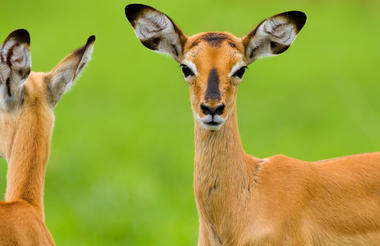
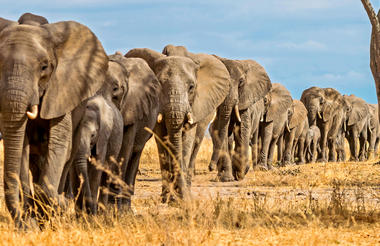
Situated in northern Tanzania, Tarangire National Park is a breathtaking safari destination famed for its dramatic landscapes and exceptional wildlife. Dominated by ancient baobab trees and the life-giving Tarangire River, the park provides sanctuary for vast herds of elephants, zebra, and wildebeest, alongside smaller groups of giraffe and impala, especially during the dry season when animals gather in extraordinary numbers. Travellers can look forward to thrilling game drives that reveal lion, leopard, and even cheetah, together with more than 500 bird species that make the skies shimmer with colour and sound. Unlike busier safari parks, Tarangire offers a more tranquil, intimate atmosphere, allowing visitors to truly connect with nature. Its sweeping vistas, rich biodiversity, and sense of untamed wilderness make it an unmissable highlight of any Tanzanian adventure.
Located in Tanzania’s scenic northern highlands, Karatu is a small, colourful town surrounded by rolling green hills and fertile farmland. Travellers heading for the Serengeti National Park and Ngorongoro Crater often pass through Karatu, which lies beneath the towering Ol Deani Volcano. The town serves as a popular overnight stop for visitors exploring the region’s many game parks. Karatu offers a variety of activities, including browsing bustling local markets, sampling beer at a local brewery, visiting traditional homesteads, or taking guided walks through the Ngorongoro Forest in search of waterfalls and caves. Whether seeking cultural experiences, hiking and biking opportunities, or simply a relaxing break between safari drives, visitors will find plenty to enjoy in this welcoming town.


Northern Serengeti occupies the remote reaches of Tanzania's Serengeti National Park, where sweeping grasslands, wooded hills and the Mara River create one of Africa's most remarkable wildlife landscapes. Best known for dramatic river crossings during the Great Migration, the region offers unforgettable game drives with opportunities to see vast herds of wildebeest and zebra alongside lions, elephants, leopards and crocodiles. Outside the migration season, quieter plains and year-round resident wildlife provide a more secluded safari experience. Crisp morning air, the distant calls of birds and the golden glow of the savannah at sunrise immerse visitors in the rhythms of the wild, leaving a lasting impression of nature on an extraordinary scale.